

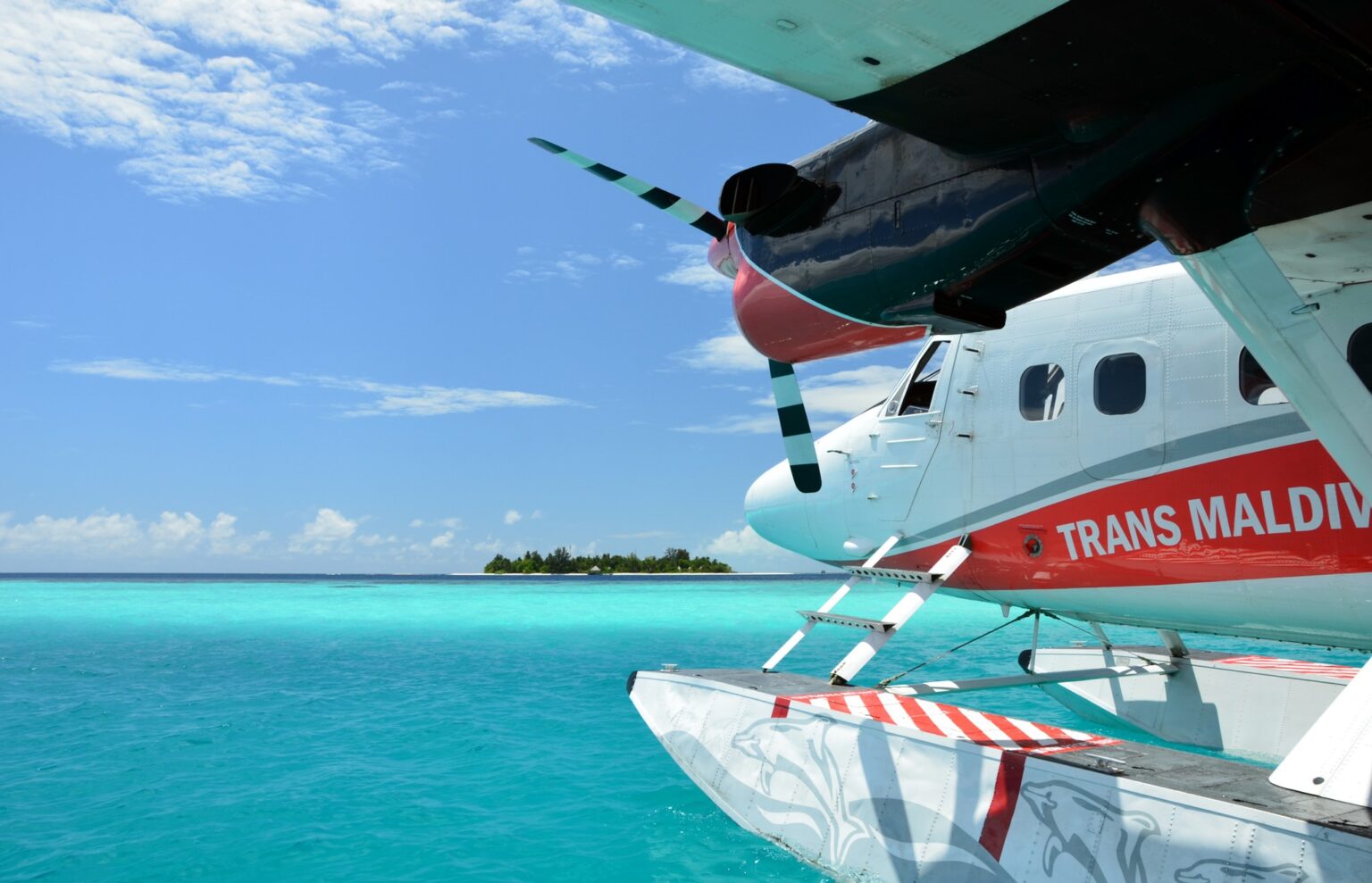
A Trans Maldivian Airways (TMA) DHC-6-300 Twin Otter seaplane, registration 8Q-TAL, tipped to one side and took on water at the water aerodrome of Velana International Airport in Malé on Wednesday, November 11, 2026, after one of its floats broke. A 20-year-old crew member was pulled from the water and was still on ventilator support in intensive care on Thursday, according to Edition.mv.
The registration and type were reported by The Aviation Herald and Sri Lanka’s Aviation Voice. TMA has said everyone on board was evacuated.
What happened at the seaplane terminal
The accident happened at about 2:25 p.m. local time (09:25 UTC). A senior official of Maldives Airports Company Limited (MACL), the airport operator, told Mihaaru News that the seaplane was approaching the platform at the seaplane terminal when the float broke, as reported by Edition.mv.
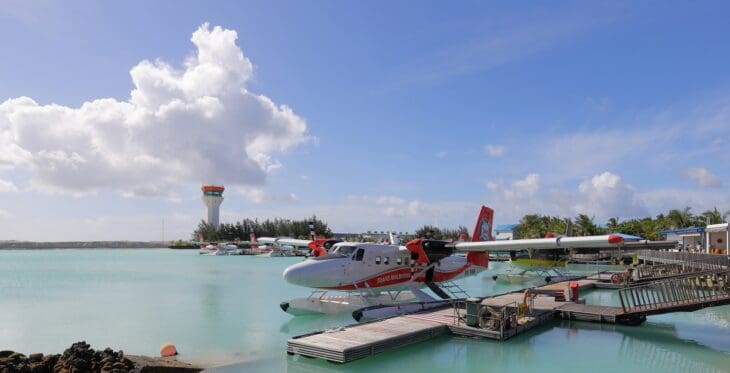

The injured crew member was working on the float when it gave way. Edition.mv reported that he fell into the sea and was trapped between the dock and the aircraft, and a witness told the outlet that getting him out took considerable time and effort.
The first official word played the injury down. The MACL official initially said it was not believed to be serious, and TMA’s statement, which said the passengers and crew had been rescued and were safe, did not mention anyone being hurt.
Hours later, sources close to the crew member told Mihaaru News that he had been placed on a ventilator at Tree Top Hospital in Hulhumalé, with barely a pulse when he arrived, Edition.mv reported. His condition was unchanged on Thursday morning, according to the outlet’s latest report.
MACL said its Airport Emergency Services responded at once and that the water aerodrome kept operating as usual. Police spokesperson Ahmed Shiyam said police had received a report of the incident and were looking into how it happened.
TMA said it is investigating the cause and will share its findings. Photos and video shared on social media show the aircraft leaning over with water entering it.
Accounts of the cause do not match
No official has said why the float failed. The Aviation Herald reports that 8Q-TAL was taxiing for departure to the Noku Maldives resort with 12 passengers and 3 crew when its propeller struck a boat, possibly because the propeller did not go into its beta (reverse pitch) range.
In that account, the strike damaged the boat and the aircraft and collapsed the left float, and the seaplane was substantially damaged. The outlet does not name its source for the boat strike.
That version does not fit MACL’s description of an aircraft arriving at the platform. A social media post, embedded by Brazil’s R7, gave a third version: the aircraft banked left as it began its takeoff run and hit another aircraft and the dock.
What is not yet known
The cause, whether 8Q-TAL was arriving or departing, and whether a boat or another aircraft was struck are all unconfirmed. Treat each account as provisional until TMA or the Maldivian investigators publish findings.
Why a crew member was standing on the float
On TMA’s Twin Otters, the cabin crew member has a station outside the cabin, on a float, while the aircraft docks. A floatplane like the Twin Otter rests on two floats, so when one fails the aircraft can roll toward that side and put a wing into the water.
The Maldives’ Accident Investigation Coordinating Committee (AICC) described that docking role in its final report on a TMA accident at the Conrad resort on Rangali Island on July 9, 2012. In that case, another TMA Twin Otter, 8Q-TMT, hit a fixed docking platform hard in a strong tailwind and swell.
The cabin crew member, at his station on the left float, was thrown into the water. The left float attachments sheared and the left propeller struck the platform, and all 17 people on board got out before the fuselage was fully submerged.
The AICC blamed the captain’s misjudgment of the wind during docking, with high tailwinds and bad weather as a major contributing factor. Its recommendations included floating platforms as an alternative to fixed ones in bad weather, and life vests for cabin crew working outside the aircraft.
Whether the AICC has opened an investigation into the Malé accident is not yet public: AeroCorner found no statement on it from the committee or the Maldives Civil Aviation Authority at the time of writing. Seaplane accidents elsewhere this year include the Kenmore Air crash near Sucia Island in July, which all 11 people aboard survived.
Sources and references used for research and fact-checking.
Get the Newsletter
The latest aviation news and stories sent to your inbox.
About the Author

AeroCorner News is the aviation news desk of AeroCorner.com. It covers accidents and incidents, safety rulings, airline and airport disruption, and new aircraft. It works from primary sources such as the NTSB, FAA, EASA and the manufacturers' own announcements.