

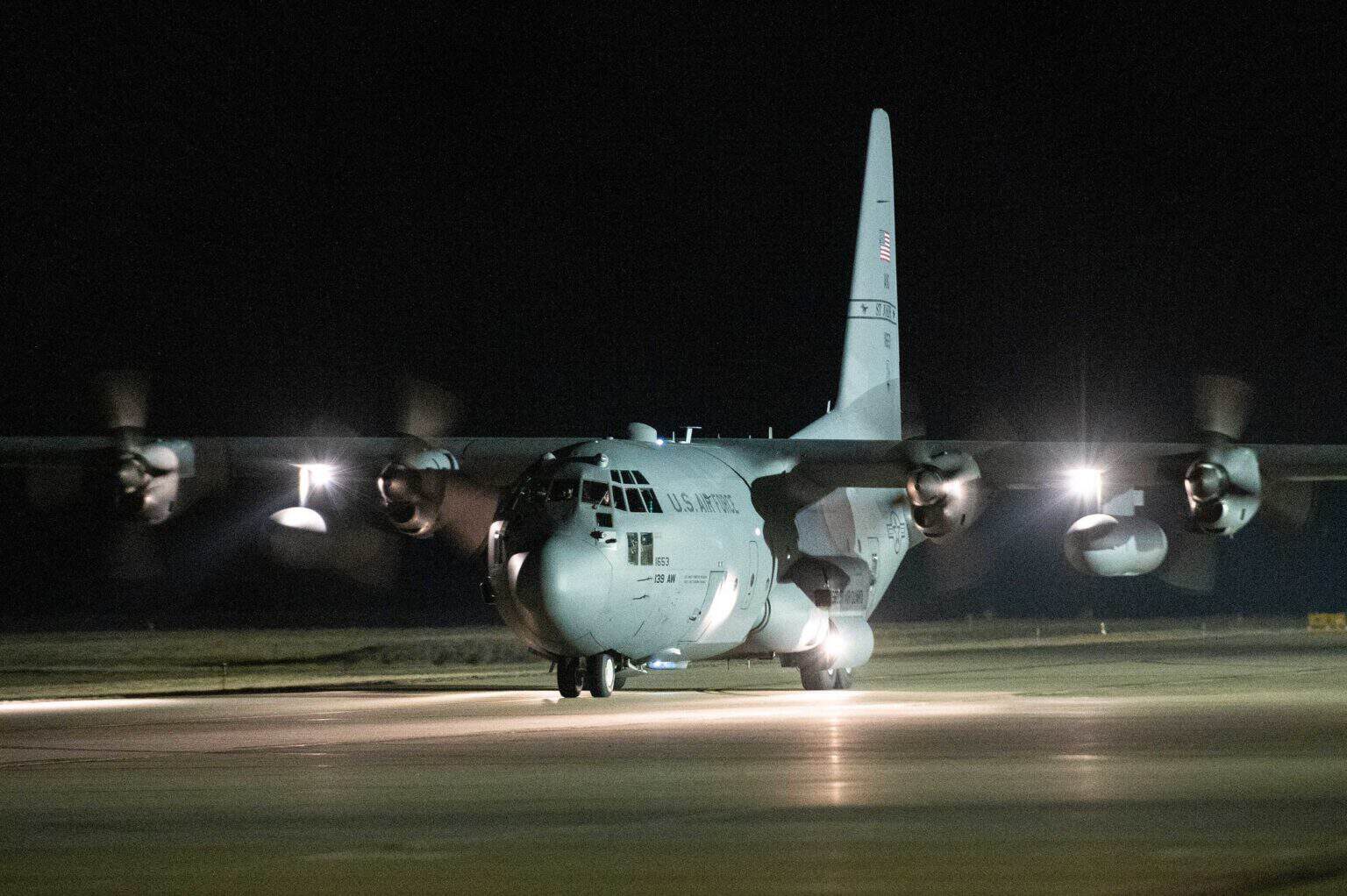
Federal prosecutors in New York have indicted an Irish man over the April 11, 2026 attack on a US Air National Guard C-130H Hercules at Shannon Airport, which they say left the $60 million aircraft effectively destroyed. The US Attorney’s Office for the Southern District of New York announced the unsealed indictment on November 17, as AeroTime and RTÉ reported.
The defendant is Daithí Ó Corráin, 48, also known as David Curran. He faces one count of destruction of government property, which carries a maximum of 10 years in prison, and he is presumed innocent unless proven guilty.
What the indictment says happened
According to the indictment, Ó Corráin breached Shannon’s security perimeter at about 4:39 a.m. local time and crossed the airfield to the C-130H, which was parked on a taxiway on its way to another country on a US military assignment. He broke the lock on the rear crew door, covered every window but the cockpit’s with the crew’s hammocks and barricaded himself in.
Prosecutors say he fixed straps, brackets and screws to the interior to hold the doors shut and packed ball bearings mixed with epoxy into the door tracks. Over several hours he allegedly cut wire bundles and hydraulic lines, crimped a liquid oxygen line, destroyed every gauge in the cockpit and punctured the air ducts.
The indictment says that if he had cut the liquid oxygen line rather than crimping it, there would have been a high chance of a massive explosion inside the aircraft.
At about 9:40 a.m., the flight crew came back to depart and saw him through a cockpit window. Prosecutors say he then climbed out through a roof hatch, struck the aircraft’s exterior with an axe, removed four overhead refueling caps and poured unknown substances and objects, including ball bearings, into the fuel tanks.
Irish police reached the wing with portable stairs and arrested him. A tool bag beside him on the roof held tow straps, an electric drill, epoxy, a heat gun and vials of gallium, the indictment says.
The aircraft belonged to the Missouri Air National Guard’s 139th Airlift Wing, and US Air Forces in Europe said it was en route to the Hussar Saber 26-1 exercise in Poland and that no personnel were hurt, Task & Purpose reported at the time. Prosecutors say the damage means it will not return to active flight, and US authorities have since removed its tail section to store and dismantle it.
Why gallium is an aluminum airframe’s enemy
Gallium is a soft metal that melts at about 86°F (30°C), barely above room temperature. In liquid form it seeps along the grain boundaries of aluminum alloys and leaves them brittle, a process engineers call liquid metal embrittlement.
The Hercules airframe is built largely from aluminum, which is why the indictment singles out the gallium capsules. It says the heat gun found with him can warm gallium into its liquid state, and that gallium eats through aluminum in minutes and causes long-term corrosion to steel.
Embrittled metal can look intact while having lost much of its strength, which makes that kind of contamination hard to rule out on an airframe. The C-130H is the generation before Lockheed Martin’s C-130J Super Hercules, and prosecutors put this one’s value at about $60 million.
Prosecutors describe months of planning. The indictment says he researched the aircraft’s construction online and ordered gallium the same day, searched for coordinates to breach the perimeter, and subscribed to an aircraft-tracking app that emailed him when the C-130H arrived at Shannon.
Why a New York court, and the case in Ireland
The charge rests on two federal statutes: Section 1361, which covers damage to US government property, and Section 3238, which sets the venue for crimes committed outside any US district. Under that rule a case is heard where the defendant is arrested or first brought, and the indictment says he is expected to be first brought to and arrested in the Southern District of New York.
Neither the indictment nor the reporting on it says whether the United States has asked Ireland to extradite him. He was also charged in Ireland in April, with criminal damage to the aircraft and to the airport’s perimeter fence and with trespass on Taxiway 11.
He was refused bail at Limerick District Court on April 13 and later secured bail from the High Court, the Irish Examiner reported in May. The same report said Shannon suspended operations for under half an hour on the morning of the attack.
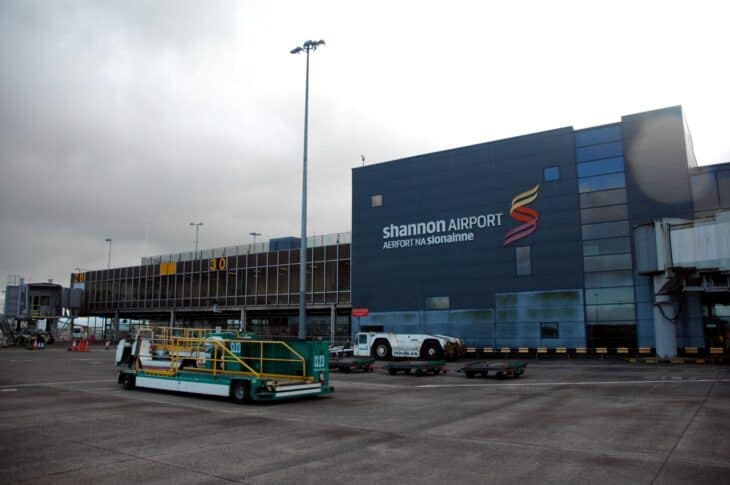
The indictment calls Shannon a major transatlantic hub for US military troops and equipment, and the airport is also a regular landfall for transatlantic airliners in trouble, as when United flight UA938 diverted there on one engine. It lists three earlier breaches there in the year before the attack:

May 1, 2025
Van through the fence. Irish authorities arrest three people after a van is driven through Shannon’s perimeter fence.
May 17, 2025
Paint attack. Three people breach the runway and spray a US military aircraft with paint, temporarily putting it out of service.
November 22, 2025
C-40 approached. Three people drive a van through the perimeter to a restricted area where a US military C-40 is parked, before airport security stops them.
April 11, 2026
C-130H wrecked. The attack now charged in New York leaves a Missouri Air National Guard C-130H effectively destroyed.
November 17, 2026
US indictment unsealed. Federal prosecutors in Manhattan announce one count of destruction of government property.
The indictment says Ó Corráin researched those earlier attacks and tried to email a person arrested in one of them. It does not state a motive.
Sources and references used for research and fact-checking.
Get the Newsletter
The latest aviation news and stories sent to your inbox.
About the Author

AeroCorner News is the aviation news desk of AeroCorner.com. It covers accidents and incidents, safety rulings, airline and airport disruption, and new aircraft. It works from primary sources such as the NTSB, FAA, EASA and the manufacturers' own announcements.