

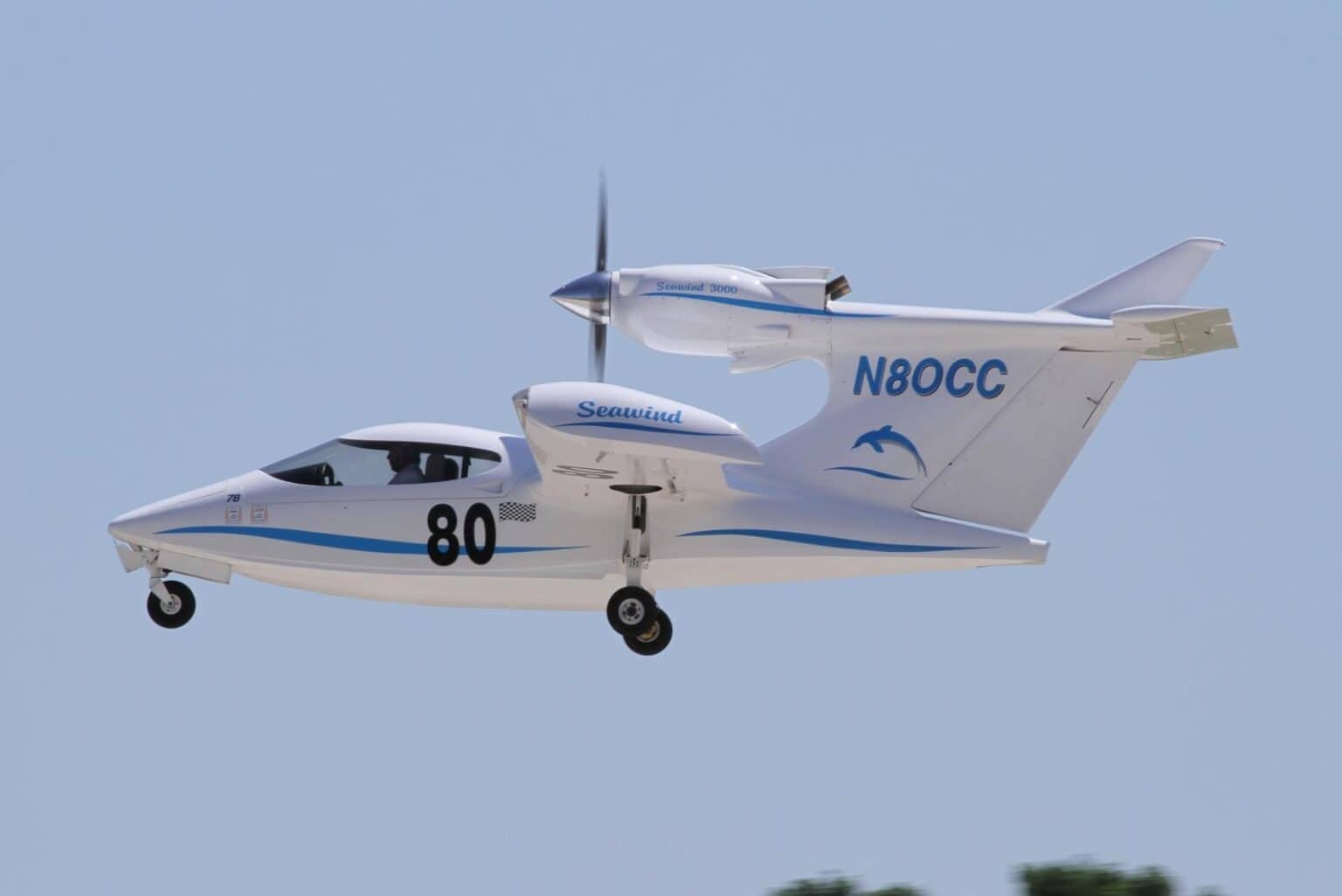
A single-engine Seawind amphibian crash-landed on westbound Interstate 80 near Patrick, Nevada, east of Reno, shortly before 8 a.m. on Thursday, Oct. 22, 2026. The pilot was the only person on board, and the FAA said it will investigate.
The aircraft had departed Reno-Tahoe International Airport only minutes earlier. All westbound lanes stayed closed for more than three hours while crews removed the aircraft and dealt with a fuel spill.
What officials have confirmed
In its accident statement, the FAA said a Super Seawind crashed on I-80 near Clark, Nevada, around 7:50 a.m. local time. Local authorities placed the aircraft at mile marker 28 near Patrick and described it as a fixed-wing Seawind 3000.
Reno-Tahoe International Airport said a non-commercial general aviation aircraft had left RNO that morning and landed off airport property shortly before 8 a.m. The airport said no fatalities were reported and confirmed the pilot was alone on board.
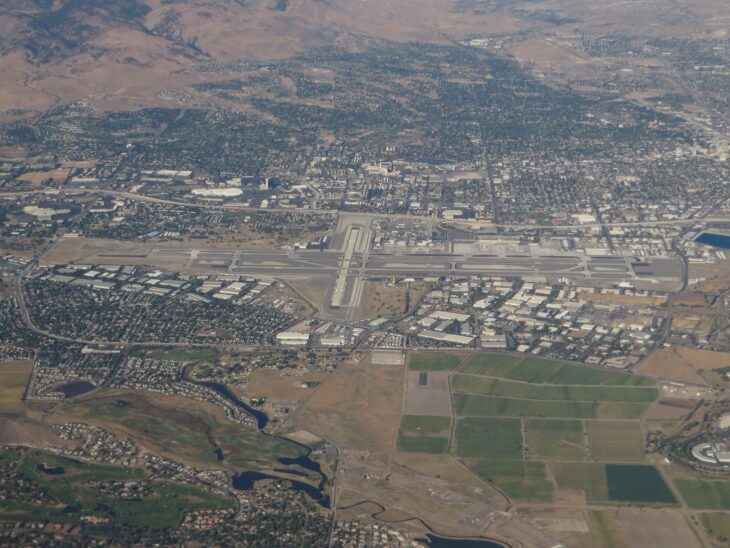

According to authorities quoted by News 4 and Fox 11, the plane took off from Reno at 7:42 a.m. and was on the interstate at 7:49 a.m., a flight of about seven minutes. The same report said the NTSB and the FAA were both responding.
Storey County Fire Department told KOLO 8 that no injuries were reported. The Nevada Department of Transportation’s Reno office posted that there were no major injuries, as the Las Vegas Review-Journal reported.
Whether any vehicles on the freeway were struck was still unclear in the first reports. The aircraft’s registration, the pilot’s name and the reason it came down have not been released.
The closure
NDOT logged the westbound closure, between the Patrick and Tracy-Clark exits, from 7:58 a.m., KTVN reported. The agency pointed drivers to southbound USA Parkway as the alternate route, while eastbound lanes from Reno stayed open.
Fire officials said the Nevada Division of Environmental Protection responded to aviation fuel spilled on the road. A crane lifted the aircraft off the highway, and the westbound lanes reopened around 11:20 a.m., News 4 reported.
What a Seawind is
The Seawind is a four-seat composite amphibian, easy to spot by the engine pod mounted high on its tall tail fin above and behind the cabin. Its retractable landing gear lets it operate from both runways and water.
It was never built as a certified factory airplane. The Seawind 3000, introduced in 1993 with a 300 hp engine, was sold as a kit aircraft, and roughly 80 were completed from kits before kit production stopped in 2002.
A certified version, the 300C, spent years in flight testing but never entered production, and Seawind LLC filed for bankruptcy in 2021. The FAA’s statement calls this aircraft a Super Seawind while local authorities called it a Seawind 3000, and neither has explained the difference.
How the investigation works
The FAA’s statement runs to three sentences, and the agency says only that it will investigate. The NTSB, which News 4 said was also responding, is the agency that determines the probable cause of a US civil aviation accident.
The NTSB says it generally tries to finish an investigation within 12 to 24 months, depending on complexity and workload. Until investigators release more, the registration and the sequence of the seven-minute flight remain unknown.
This is not the first light aircraft to end up on a Nevada interstate. In June 2015, a small plane with engine trouble landed on eastbound I-80 about 70 miles east of Reno with no one hurt, the Associated Press reported.
Elsewhere, the FAA recorded a Piper PA-32 making an emergency landing on Interstate 805 in San Diego after an engine issue in August 2025, with two people on board.
Whether Thursday’s descent onto I-80 was a deliberate forced landing or something else is exactly what investigators will now have to establish. Nothing official on that point had been released at the time of writing.
Sources and references used for research and fact-checking.
Get the Newsletter
The latest aviation news and stories sent to your inbox.
About the Author

AeroCorner News is the aviation news desk of AeroCorner.com. It covers accidents and incidents, safety rulings, airline and airport disruption, and new aircraft. It works from primary sources such as the NTSB, FAA, EASA and the manufacturers' own announcements.