

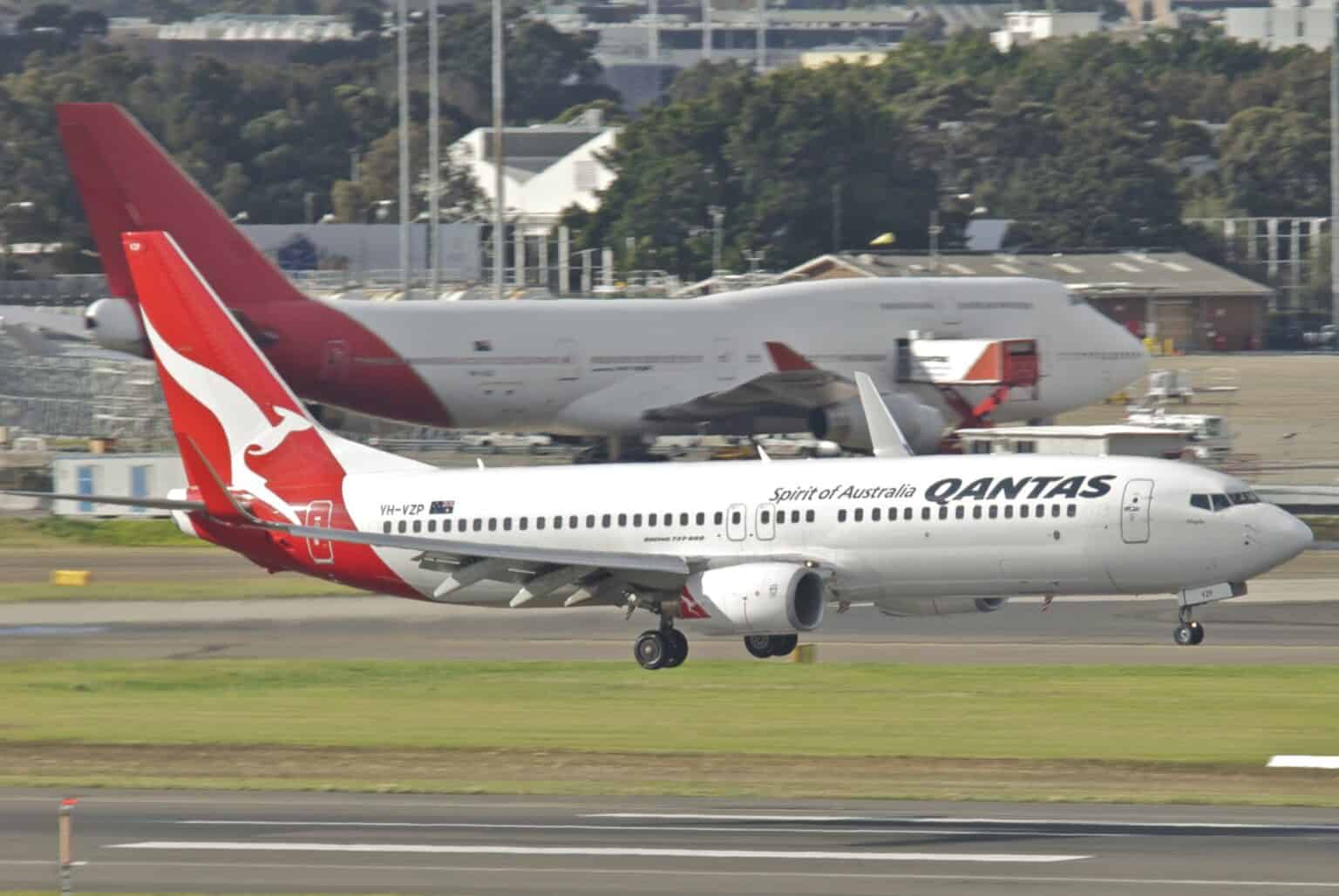
Qantas flight QF426 from Melbourne abandoned its approach to Sydney Airport on Wednesday morning, November 25, 2026, after the crew saw an Air New Zealand Airbus A321 crossing runway 16R ahead of them. The Australian Transport Safety Bureau (ATSB) has opened an investigation, AO-2026-105.
Nobody was hurt and neither aircraft was damaged, according to the ATSB’s investigation page. It is the latest in a run of close calls at Sydney that the bureau is already investigating.
What the ATSB says happened
The Qantas jet was a Boeing 737-800 registered VH-VZP. The Air New Zealand aircraft was an A321neo, ZK-NNH, departing Sydney on a scheduled flight to Auckland.
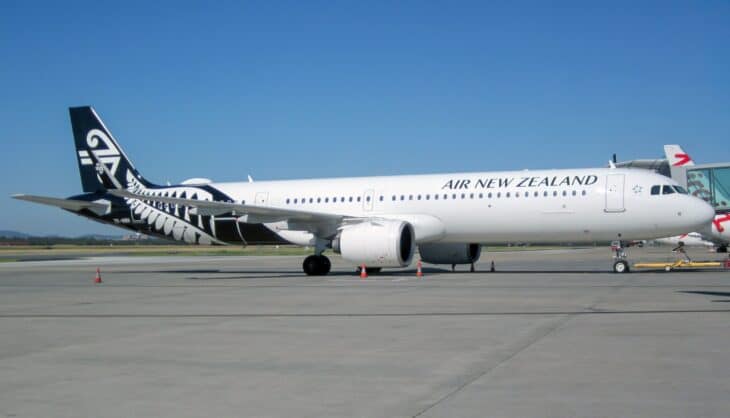
As reported to the ATSB, air traffic control told the 737 crew on approach to expect a late landing clearance because of aircraft crossing the runway. The crew continued the approach and, before any clearance to land came, saw the A321 crossing at taxiway Golf and elected to go around.
How close the 737 came is not yet established.
7NEWS reported that it was down to about 300 feet (90 m), five or six seconds from touchdown, when the crew pulled up. The ATSB has not published a height.
The Sydney Morning Herald reported that a second aircraft was also crossing, and that the 737 flew on toward Sydney Harbour before landing safely at 10:25am, about 10 minutes after the go-around. The ATSB has named only the A321.
“Our pilots were following Air Traffic Control instructions and elected to conduct a go-around as the other aircraft was crossing the runway,” a Qantas spokesperson told news.com.au, adding that the airline would support the investigation. Airservices Australia, which manages the country’s air traffic, told the same outlet it would assist the ATSB.
Why a late landing clearance matters here
A late landing clearance means the controller is holding the clearance back until the runway is free, in this case because aircraft were crossing it. The crew keeps flying the approach in the meantime, expecting the runway to clear in time.
That leaves the crew a decision point. If the clearance has not come, or the runway does not look clear, the standard answer is a go-around: nose up, takeoff power, climb away and come back for another approach.
The ATSB credits that call. In its statement, the bureau said important safety defences “were in place and operated, such as the flight crew’s go-around decision.”
What it has not said is whether anyone made an error.
The investigation will look at what information both crews were given and what “mental models” they held about the runway. Investigators will review air traffic control audio, movement guidance and control system recordings and any available CCTV, and interview the pilots and controllers.
Another entry in Sydney’s 2026 run of close calls
The ATSB said it will also try to establish or rule out safety issues and contributing factors common to the other Sydney Airport occurrences it has under investigation. There are several.
The most serious was the QF124 runway incursion, in which a Qantas 737 was cleared to cross a runway in front of a Qantas Dash 8 that had just landed. The Herald notes it was only the third incursion assessed as Category A, the most serious grade, since Australian records began in 2003.
Others included a Jetstar A320 braking suddenly to avoid a Qatar Airways 777 on August 9, and a Virgin Australia 737 cutting in front of a Qantas jet in August while the only controller in the tower was at high predicted fatigue risk.
Strain on air traffic control staffing has been identified as an ongoing issue across those investigations, the Herald reports, though investigators have not determined whether it directly contributed to any of them.
The ATSB expects to publish a preliminary report on QF426 in about eight weeks, which would put it in January 2027. Its investigation page gives the second quarter of 2027 for the final report.
Sources and references used for research and fact-checking.
Get the Newsletter
The latest aviation news and stories sent to your inbox.
About the Author
AeroCorner News is the aviation news desk of AeroCorner.com. It covers accidents and incidents, safety rulings, airline and airport disruption, and new aircraft. It works from primary sources such as the NTSB, FAA, EASA and the manufacturers' own announcements.