

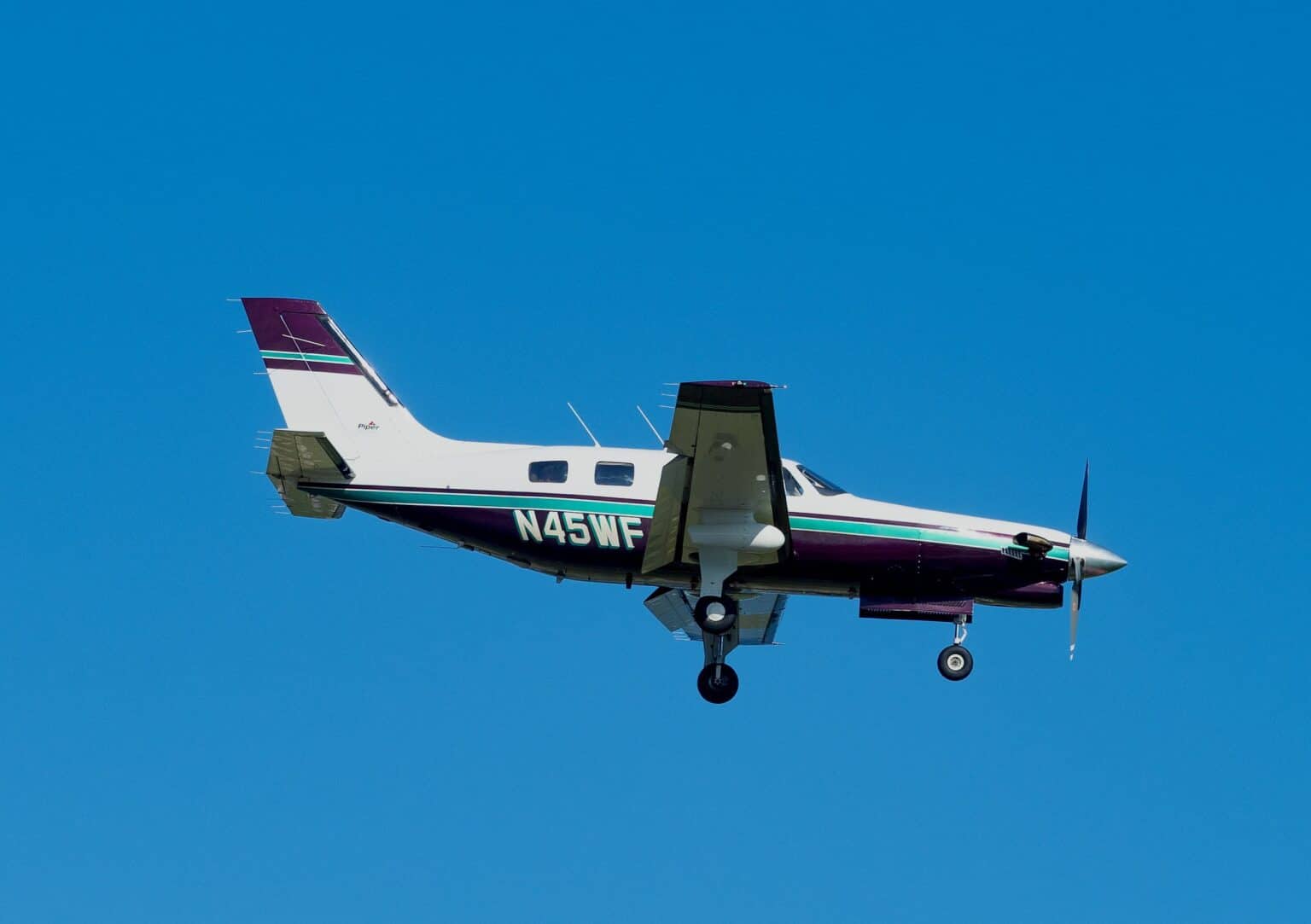
The pilot of Piper N931TT told air traffic controllers the airplane was having issues with its radios and that he was unsure of its heading, altitude and airspeed, minutes before it crashed near Reedsburg, Wisconsin, on October 13, 2026. That account comes from the National Transportation Safety Board’s preliminary report, case CEN27FA016.
All six people aboard were killed. The report also settles a question left open after the crash: the 2008 PA-46-350P had been converted to a turboprop JetProp DLX.
The last five minutes, per the NTSB
The airplane left Kenosha Regional Airport at about 8:43 p.m. central daylight time on an instrument flight plan to Menomonie Municipal Airport. It had flown the opposite leg that afternoon, and the NTSB says the pilot, who owned the airplane, was taking friends to a sporting event and back home.
After climbing to a cruise altitude of flight level 240, about 24,000 feet, the pilot told Chicago Center at 9:25 p.m. that the airplane had encountered icing and asked for a lower altitude. He was cleared down to 11,000 feet.
The controller then made several attempts to assist after the pilot said the radios were giving trouble and that he was unsure of the airplane’s heading, altitude and airspeed. Communications were lost as the airplane descended through 15,000 feet.
Flight track data shows the airplane holding a westerly course, then entering a right descending turn with upward pitch changes and a rapid rise in airspeed, peaking at 339 knots (about 390 mph, or 628 km/h). It briefly ended up tracking roughly the opposite way before the data was lost at about 9:30 p.m.
That speed figure is the NTSB’s own. Earlier reports of about 340 mph came from FlightRadar24 data, which we noted in our earlier N931TT report, and the board’s number is in knots.
2:43 p.m.
Outbound. N931TT departs Menomonie for Kenosha, landing at about 3:48 p.m.
8:43 p.m.
Return leg. The airplane leaves Kenosha on an IFR flight plan to Menomonie and climbs to FL240.
9:25 p.m.
Icing reported. The pilot tells Chicago Center about icing and is cleared to descend to 11,000 feet.
After 9:25 p.m.
Radio issues. The pilot reports radio trouble and uncertainty about heading, altitude and airspeed; contact is lost passing 15,000 feet.
About 9:30 p.m.
Track lost. Flight track data ends after a right descending turn.
What the wreckage and records show
The debris path spread through a rural residential area and the Mirror Lake Pine Oak Forest State Natural Area, both thick with large trees and heavy brush. There were no ground injuries or property damage, the report says.
Both wings were found separated from the fuselage, and both horizontal stabilizers and elevators from the tail. Several damaged avionics units were removed and sent to the NTSB Vehicle Recorders Laboratory.
The pilot held an airline transport pilot certificate and a type rating for the Embraer Phenom 100 jet, and passed a pilot-in-command proficiency check in a Phenom 100 on September 17, 2026. A second pilot was aboard as a passenger, holding a commercial certificate with an instrument rating and a flight instructor certificate.
The Sauk County Sheriff’s Office has identified the six victims, FOX6 reported. The NTSB report does not name them.
The airframe, engine and propeller last had an annual inspection on November 13, 2025. The pilot did not request a briefing from Leidos Flight Service, but did receive a weather briefing through ForeFlight.
A Malibu Mirage turned turboprop
N931TT left the factory in 2008 as a piston Piper Mirage. The NTSB says it was converted in November 2019 to a JetProp DLX under a supplemental type certificate held by Rocket Engineering.
It was flying with a Pratt & Whitney Canada PT6A-35 turboprop and a four-blade MT-Propeller, plus an autopilot. Our earlier report had flagged the engine as unconfirmed, because a JetProp conversion had been reported but not yet confirmed by the NTSB.
Those details matter for the icing question. The JetProp handbook, quoted in the report, allows flight in known icing only when the right equipment is installed and working, and warns that freezing rain, freezing drizzle or mixed conditions can build ice beyond what the system can shed.
That kind of ice, the handbook says, can seriously degrade performance and controllability. Our guide to the types of aircraft icing explains how clear, rime and mixed ice differ.
The NTSB’s preliminary weather review found icing was possible at cruise altitude. The National Weather Service’s Current Icing Product showed a 50% probability of icing at FL240 near the accident site around that time, with pockets of light to moderate icing possible.
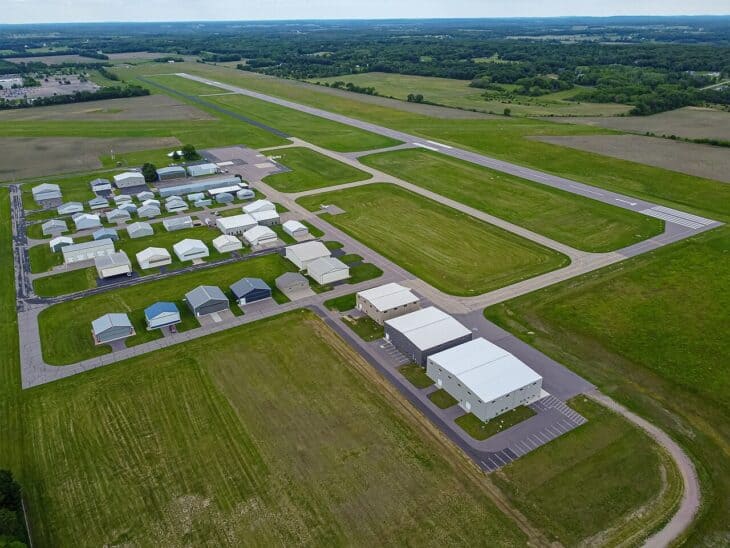
On the ground, Baraboo-Wisconsin Dells Airport, 4 nautical miles away, reported 10 miles of visibility at 9:15 p.m., scattered clouds at 6,000 feet and a broken ceiling at 11,000 feet above the ground. The NTSB lists visual conditions at the site, at night.

Preliminary, not a cause
The preliminary report lists facts gathered so far and is subject to change. It does not say what the radio issues were, whether the instruments failed, whether the airplane carried ice when it went down, or why the wings and tail surfaces separated. A probable cause comes only with the final report.
What comes next
The wreckage has been moved to a secure location for examination, while the avionics are at the recorders lab. Piper, Pratt & Whitney Canada, MT-Propeller, the FAA, Canada’s Transportation Safety Board and Germany’s accident investigation bureau are taking part.
Investigator in charge Michael Hodges is running it as a Class 3 investigation. For the first reports from the scene, see our coverage of the Sauk County crash on the night it happened.
Sources and references used for research and fact-checking.
Get the Newsletter
The latest aviation news and stories sent to your inbox.
About the Author

AeroCorner News is the aviation news desk of AeroCorner.com. It covers accidents and incidents, safety rulings, airline and airport disruption, and new aircraft. It works from primary sources such as the NTSB, FAA, EASA and the manufacturers' own announcements.