

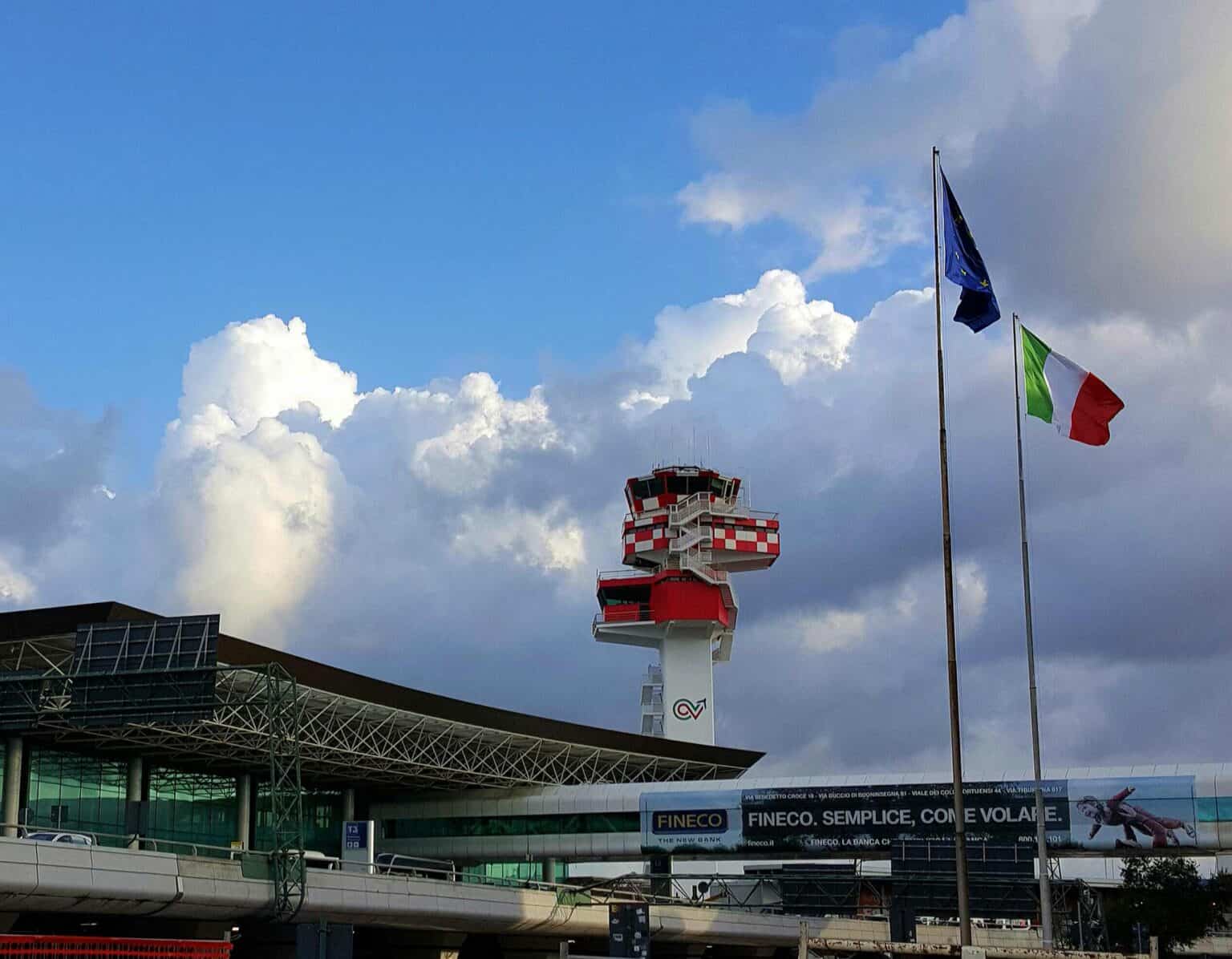
Italy’s air navigation service provider, ENAV, cut the number of aircraft it can handle in Italian airspace to half of normal on Friday, October 16, 2026, after faults in the data network that supports its air traffic control services. Flights were delayed at Rome Fiumicino, the Milan airports and across the country, and some were canceled.
ENAV said the anomalies appeared overnight on the wide-area data transmission network that serves air traffic control across the whole country. It ruled out malicious activity as the cause.
What ENAV has said
In its first statement, ENAV said its contingency systems kept traffic flowing normally, with no loss of capacity, until 6 a.m. local time. From then on, with traffic building and the faults persisting, it introduced flow regulation measures that temporarily reduced how many aircraft it could handle.
A second statement later in the morning put a number on it: capacity equal to 50% of total air traffic. ENAV said it had used alternative data transmission systems to get out as many morning departures as possible, including intercontinental flights, and that safety remained its absolute priority.
ENAV said its technical checks had traced the anomalies to the data transmission network, and that it was working to identify the causes and restore full operations. It gave no time for that.
The business daily Il Sole 24 Ore reported, without naming a source, that the problem lay in the telephone infrastructure of one of the telecom operators ENAV relies on. ENAV’s own statements do not name a supplier.
Which airports were hit
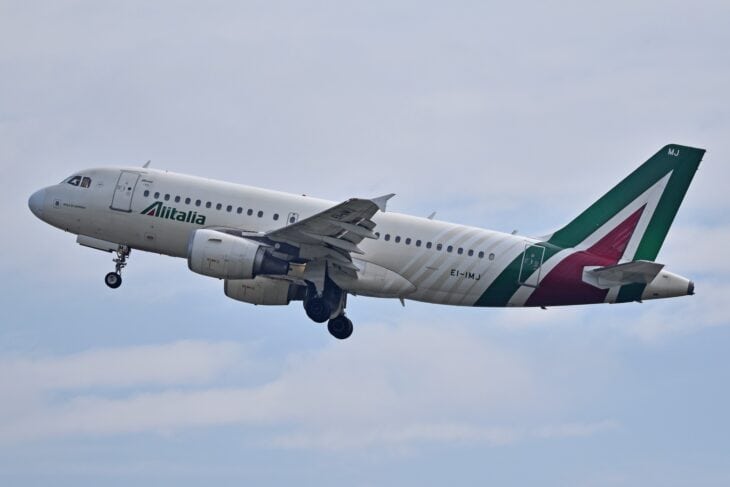
Aeroporti di Roma, which runs Fiumicino, warned passengers that technical problems with national air traffic control systems could cause delays and cancellations, and told them to check their flight status with their airline. According to ANSA, four Fiumicino flights on the Milan Linate, Riyadh, Tirana and Trieste routes were canceled and about 20 were delayed by 15 to 60 minutes.
The same ANSA report put Milan Malpensa departure delays at between half an hour and more than two hours. At Milan Linate, arrivals ran 20 minutes to an hour late and some departures more than an hour late.
.jpg)
Farther south, ANSA reported delays of three to four hours at Lamezia Terme in Calabria.
Also in the south, Quotidiano Nazionale listed four departures and four arrivals canceled at Bari, including ITA Airways, Ryanair and Wizz Air flights. Euronews also reported delays and cancellations at Naples.
ENAV has not published a national count of delayed or canceled flights.
Why a network fault means fewer flights
ENAV has not said which of its systems the faulty network feeds. Its answer is the standard one for a provider running on backups: let fewer aircraft into its airspace, so controllers keep a safe margin.
That is done through air traffic flow control. Flights that do not fit under the reduced cap are held on the ground at their departure airport until a slot opens, which is why passengers feel the problem at the gate rather than in the air.
The timing explains why the trouble reached passengers in the morning rather than overnight. ENAV said its contingency systems kept traffic normal through the night, and that it imposed the restrictions because traffic kept rising after 6 a.m. while the faults persisted.
ENAV has been here before
On the evening of June 28, 2025, a connectivity failure cut the flow of radar data into the Milan area control center, which handles northwest Italy. ENAV said then that the connectivity, supplied by telecom operator TIM, failed on both the main and backup links of its ENET operational network, according to LaPresse.
ENAV stopped new departures and entries into northwest Italian airspace from 8:20 to 10:20 p.m. that night, brought capacity back to 50% and restored full service by 11:45 p.m. TIM said it was not responsible, and Il Post reported that Italy’s civil aviation authority, ENAC, set up an inquiry.
Friday’s fault is different in two ways: it is nationwide rather than regional, and traffic has kept moving at a reduced rate instead of stopping. Britain saw how long such disruption can linger on September 8, when a NATS flight data failure disrupted flights across the UK.
A strike on the same day, and what passengers are owed
The fault landed on the same day as a 24-hour strike by easyJet’s flight crews in Italy. ANSA noted that flights in two windows, 7 to 10 a.m. and 6 to 9 p.m., are protected from the strike, so easyJet passengers in Italy have two possible sources of disruption today.
EU Regulation 261/2004 says the impact of an air traffic management decision on a flight should count as an extraordinary circumstance, so airlines do not owe the fixed €250 to €600 compensation for delays and cancellations it causes. They still owe care during long waits, such as meals and, for overnight delays, a hotel, and a refund or rerouting when a flight is canceled.
Kathrin Cois of the Italian claims company RimborsoAlVolo made the same point in comments carried by ANSA: no cash compensation for the ENAV fault, but assistance and a refund or rebooking still apply. The firm said passengers hit by the easyJet strike, by contrast, may be owed €250 to €600 for a cancellation or an arrival three or more hours late.
At the time of writing, late Friday morning in Italy, ENAV had not announced that full capacity was restored. Passengers flying in Italy today should check with their airline before leaving for the airport.
Sources and references used for research and fact-checking.
Get the Newsletter
The latest aviation news and stories sent to your inbox.
About the Author

AeroCorner News is the aviation news desk of AeroCorner.com. It covers accidents and incidents, safety rulings, airline and airport disruption, and new aircraft. It works from primary sources such as the NTSB, FAA, EASA and the manufacturers' own announcements.