

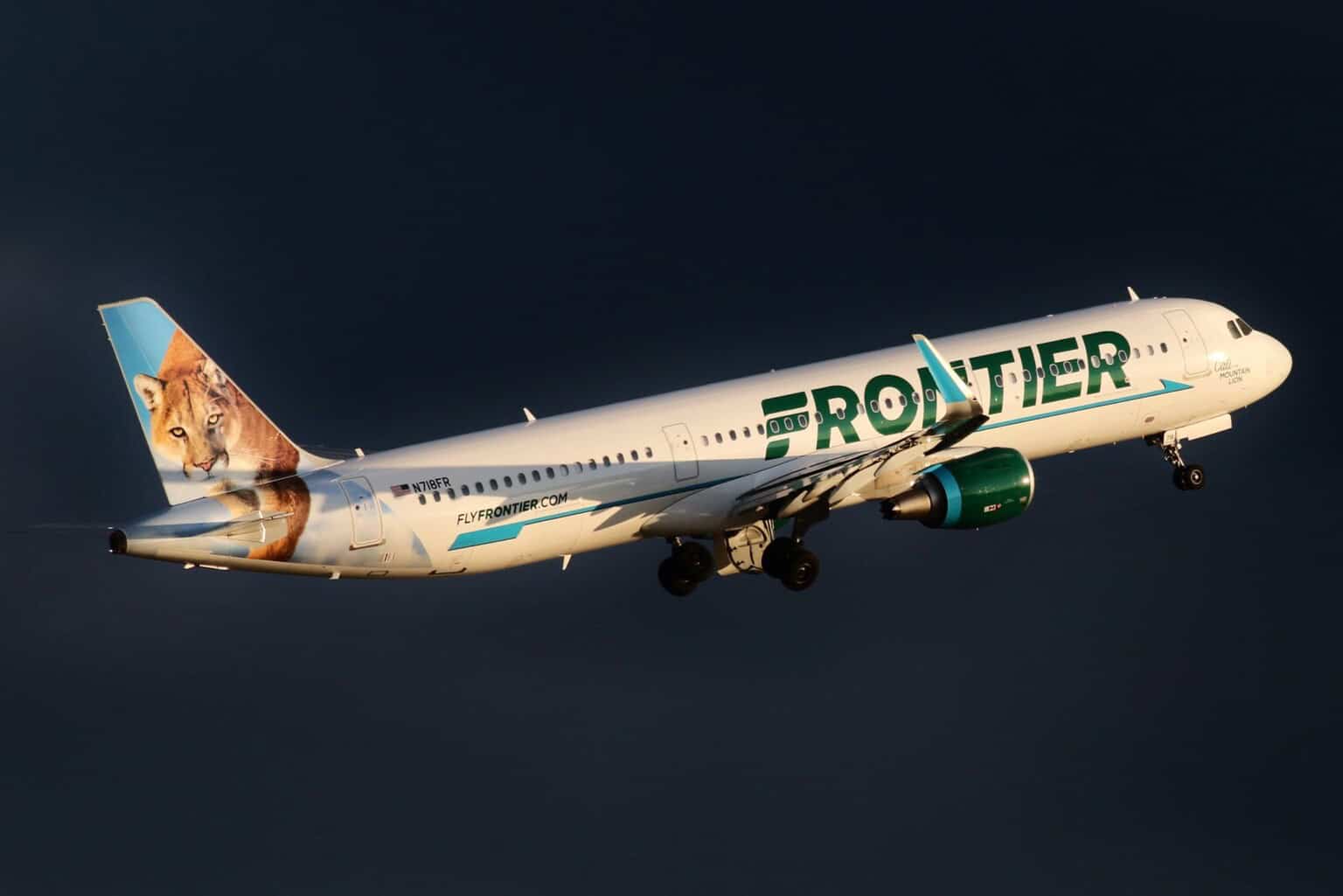
Frontier Airlines will fly to South America for the first time in December, with nonstop service from Orlando International Airport to three cities in Colombia. The airline announced the routes to Bogota, Medellin and Cartagena at an event in Orlando on September 10, 2026.
All three are markets Spirit Airlines served before it shut down in May, and Frontier’s leadership has been open about wanting them.
The routes and the schedule
Medellin launches first, on December 10, with daily flights. Bogota follows on December 14 at six flights a week, rising to daily on March 6, 2027, and Cartagena starts on December 19 with a single weekly flight.
| Route from Orlando (MCO) | First flight | Frequency | Intro one-way fare |
|---|---|---|---|
| Medellin (MDE) | Dec. 10, 2026 | Daily | From $169 |
| Bogota (BOG) | Dec. 14, 2026 | 6x weekly, daily from Mar. 6, 2027 | From $99 |
| Cartagena (CTG) | Dec. 19, 2026 | Weekly | From $129 |
Frontier says frequencies and times are subject to change, and its announcement does not say which aircraft will fly the routes.
The introductory fares carry fine print. They must be bought by 11:59 p.m. Eastern on September 16, and they are valid only for travel between January 14 and April 5, 2027, with March 23 to 30 blacked out.
In other words, none of the promotional fares cover the December launch weeks or the holiday peak.
“We believe there is strong, unmet demand for low-cost travel between Orlando and Colombia,” said Tyri Squyres, Frontier’s vice president of public and consumer affairs.
Lance Lyttle, chief executive of the Greater Orlando Aviation Authority, said the service reflects “the strong demand for affordable international travel between Central Florida and South America.”
Filling the hole Spirit left
Spirit Airlines stopped flying on May 2, 2026, after two bankruptcy filings since 2024 and failed talks with the White House over a $500 million federal bailout, NPR reported. The South Florida carrier cancelled every flight and ended customer service with immediate effect.
According to The Points Guy, Spirit had been the leading US ultra-low-cost carrier in Colombia and South America, and it flew all three routes Frontier is now launching.
The same report quotes Frontier chief executive James Dempsey saying in July that “there are opportunities to pick off markets that they’ve obviously exited, now, over the coming year or two.” Colombia is one of the clearest examples so far.
Other airlines are claiming Spirit’s assets piece by piece. Earlier this month the FAA agreed to let JetBlue buy Spirit’s LaGuardia slots, with conditions attached.
What a $99 fare to Bogota actually buys
Frontier runs the ultra-low-cost model, in which the headline fare pays for the seat and little else. Bags, seat selection and other extras are sold separately, so the price a traveler actually pays for an international trip can sit well above the advertised number.
That model is also why Spirit’s exit mattered beyond its own passengers. When it shut down, William McGee of the American Economic Liberties Project told NPR that a low-cost carrier brings down the big airlines’ fares, and that without Spirit “everyone will be paying more.”
The approvals are the remaining open item. A US airline starting service to a new country generally needs authority from the US Department of Transportation and an operating permit from the destination’s regulator, in this case Colombia’s civil aviation authority, Aerocivil.
Planned, not yet approved
Frontier lists all three routes as subject to government approval, and says frequencies and times can change. Treat the December launch dates as the airline’s plan rather than a confirmed schedule until approvals are in place.
Sources and references used for research and fact-checking.
Get the Newsletter
The latest aviation news and stories sent to your inbox.
About the Author

Tim is the owner and lead editor of AeroCorner since 2019, overseeing aviation content covering aircraft, airlines, airports, and the broader aviation industry. Through years of researching, writing, editing, and publishing aviation-focused content, he has developed extensive practical knowledge of commercial aviation and air travel. Based in Asia and a frequent traveler himself, Tim also brings firsthand passenger experience to AeroCorner’s coverage. Outside of publishing, he has also explored aviation firsthand through hands-on flight training in New Zealand.