

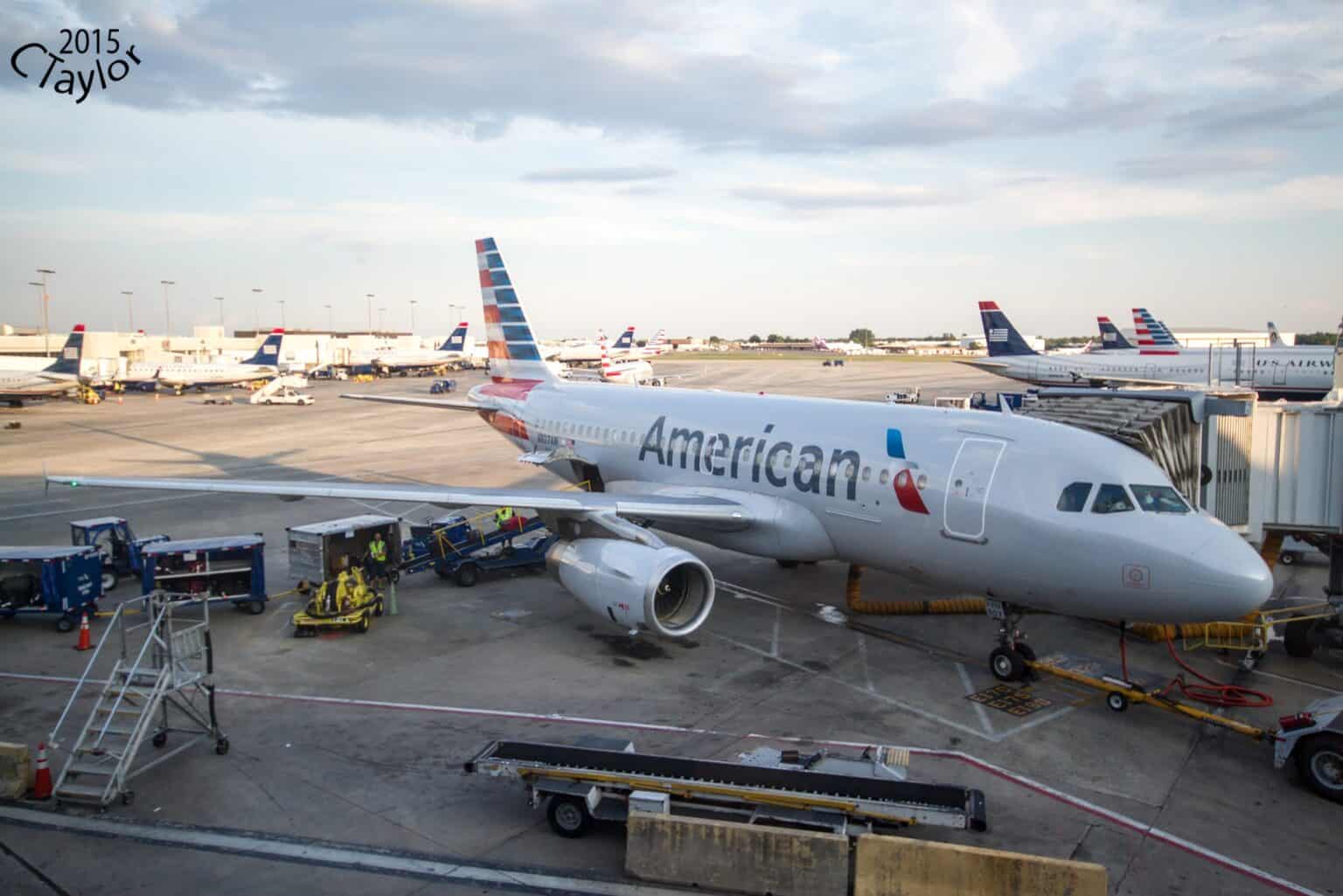
US airlines expect to run their full schedules again by the end of Sunday, November 15, 2026, FAA Administrator Bryan Bedford said on Saturday, the day after the nationwide ground stop that halted every departure in the country. The recovery has been slower than his own forecast, and it is still not finished.
FlightAware counted 6,686 cancellations within, into or out of the US for Saturday, against the 4,000 to 5,000 Bedford had projected. By 4:30 a.m. ET on Sunday, it already showed another 1,329 for the day.
What the FAA promised
“Based on everything that we’re hearing from our airline partners, they believe that they’ll be able to have full schedule integrity by the close of business on Sunday,” Bedford told a Saturday press conference, according to ABC News. He added: “I do think the worst is behind us, but we still do have a significant amount of recovery work to do.”
Bedford said about 12,000 flights could not be completed on Friday, roughly 3,000 of them private or general aviation flights, Yahoo News reported. Saturday’s forecast covered about 41,000 scheduled flights.
The FAA’s own side of the system was back by then. “The system is stable and we’re returning to normal operations,” the agency posted on X on Saturday afternoon.
The FAA’s national airspace status page early on Sunday listed no ground stops and no ground delay programs at any airport. What is left of the disruption is the airlines’ own recovery, not air traffic control restrictions.
The cancellations, day by day
FlightAware’s tally for Friday, the day of the stop, reached 9,201 US cancellations and 7,468 delays. With Saturday added, nearly 15,900 flights have been canceled in two days.
| Airport | Saturday, Nov 14 | Sunday, Nov 15 (so far) |
|---|---|---|
| Chicago O’Hare | 741 | 95 |
| Dallas Fort Worth | 666 | 139 |
| Atlanta | 633 | 97 |
| Charlotte | 465 | 118 |
| Denver | 443 | 78 |
| New York JFK | 341 | 120 |
| Boston Logan | 277 | 105 |
| Newark | 244 | 38 |
| LaGuardia | 228 | 67 |
| Fort Lauderdale | 218 | 85 |
Sunday’s count has been climbing, not falling. ABC News put it at 160 at 3:30 p.m. ET on Saturday and 910 by 10:30 p.m. ET, before the overnight figure of more than 1,300.
Monday looks close to normal so far: FlightAware listed 28 US cancellations for it early on Sunday.
Which airlines are still cutting flights
JetBlue has been hit especially hard. It had canceled 43% of its Saturday schedule by mid-afternoon, and by 9 p.m. ET it had already dropped 241 Sunday flights, about 26% of the day’s schedule, Yahoo News reported.
American had 293 Sunday cancellations at that point, while Southwest, Delta and United each had fewer than 65. Alaska Air Group said it had canceled more than 400 flights affecting nearly 37,000 passengers, NBC News reported.
American said on Saturday night that “all planned cancellations for tonight and tomorrow have now been completed,” though some individual flights could still go. It also extended its travel alert, and it gave commuting crew members confirmed seats instead of standby to get them to their bases.
Delta asked travelers with flexible plans to move to Monday, November 16, or later. What those waivers and the federal rules entitle passengers to is covered in our guide to ground stop refunds.
Why a four-hour stop takes three days to clear
The stop ended at 8:15 p.m. ET on Friday, but it left jets and crews in the wrong cities. Transportation Secretary Sean Duffy said on X on Saturday morning that travelers would keep seeing delays and cancellations while carriers repositioned aircraft and crews.
Crews are the tighter constraint. Under the FAA’s pilot rest rule, 14 CFR 117.25, a pilot needs at least 10 consecutive hours of rest before the next duty period, so a crew that worked late into Friday night cannot simply be flown out at dawn.
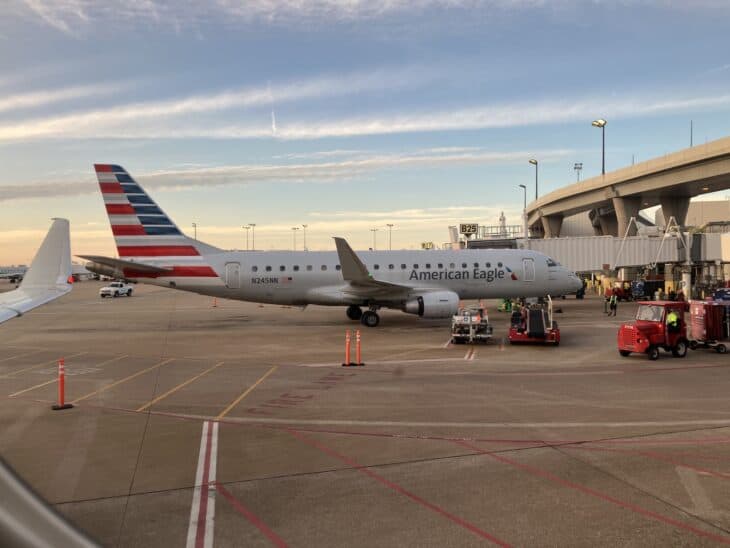

That is why American had already finished cutting Sunday flights by Saturday night, instead of leaving passengers to wait out rolling delays. It is the same arithmetic behind why flights get cancelled rather than delayed once a schedule breaks.
The cause itself is still unsettled. Officials have tied it to a router fault during copper-to-fiber work at a remote site, and they say the root cause is not yet known, a risk that federal watchdogs had flagged for years.
Still developing
Sunday’s cancellation figures were read early in the day and will change. The FAA has not yet published a root cause for Friday’s outage.
Sources and references used for research and fact-checking.
- FlightAware, Total cancellations today / yesterday / Friday / tomorrow (US and by airport)
- FAA, FAA (@FAANews) post on X, Nov 14, 2026
- FAA, National Airspace System Status
- U.S. Department of Transportation, Secretary Sean Duffy (@SecDuffy) post on X, Nov 14, 2026
- eCFR (FAA), 14 CFR 117.25 Rest period
- American Airlines, Update on FAA's nationwide ground stop
Get the Newsletter
The latest aviation news and stories sent to your inbox.
About the Author

AeroCorner News is the aviation news desk of AeroCorner.com. It covers accidents and incidents, safety rulings, airline and airport disruption, and new aircraft. It works from primary sources such as the NTSB, FAA, EASA and the manufacturers' own announcements.