

The union that represents the FAA’s equipment technicians says its members had no part in the router work that set off the nationwide ground stop on Friday, November 13, 2026. In a statement posted the next day, the Professional Aviation Safety Specialists (PASS) said contractors have historically worked under a protocol in which FAA employees carry out a risk assessment and coordinate the maintenance.
The statement does not call the outage avoidable in those words, and it does not say outright that no assessment took place. An FAA official said the agency did conduct a safety assessment before the work, Al Jazeera reported.
What PASS said
PASS said the problem “was isolated to two contractor owned and maintained routers that were being updated mid-day.” The rest of its statement turned to how that kind of work has normally been handled.
“Historically contractors have followed a protocol where FAA employees conduct a risk assessment and coordinate the maintenance of the system or equipment,” the union said. “PASS-represented technicians were not involved in the upgrades that led to the ground stop yesterday.”
PASS says it represents more than 11,000 FAA and Defense Department employees who install, maintain and certify air traffic control equipment. It said its members joined multiple conference calls and tested systems on Friday to get flights moving again.

The union said it backs the administration’s push to modernize air traffic control, but that the work “will move more quickly with fewer disruptions if PASS is fully engaged.” It added that its technicians should be trained on the new equipment and could ensure more robust installation, if the workforce were properly staffed.
The FAA’s side
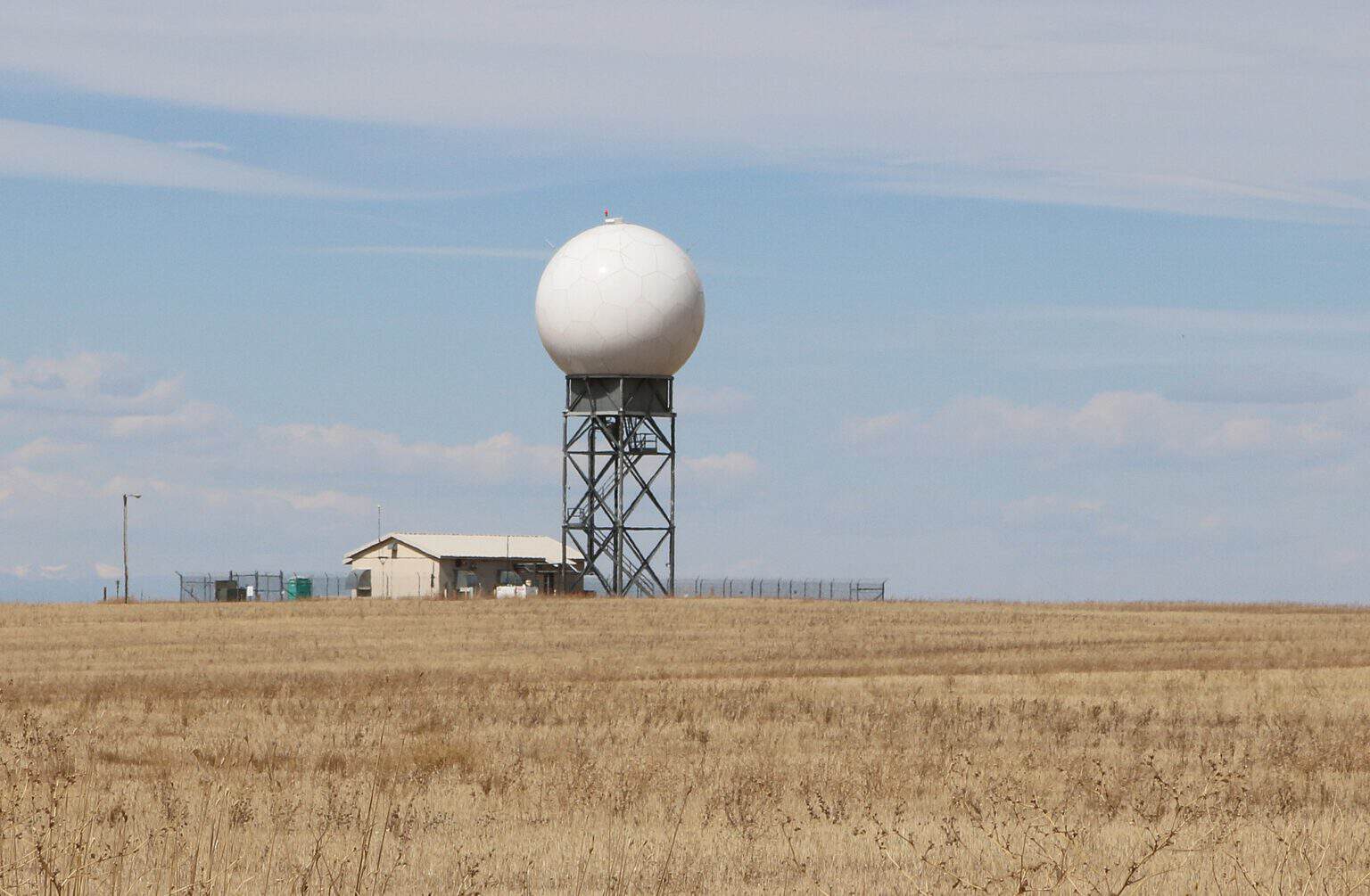
The FAA has named two sites as possible sources of the data flood: a radar site in Amarillo, Texas, and a radio site in El Dorado, Arkansas, where contractor L3Harris had been working, including deploying a new router. The investigation into those routers is still running.
The agency’s question-and-answer page on the ground stop does not mention a risk assessment. It says replacements at remote facilities have been done in the daytime for decades without trouble, and that the FAA will now reevaluate when it schedules such work.
Beyond the official’s comment, the FAA has not said who carried out its safety assessment, whether its own technicians took part, or what the review covered. AeroCorner found no published FAA reply to the union’s statement as of Monday, November 16.
The FAA said it is doing more testing with L3Harris to check for any further risks, according to Al Jazeera. L3Harris has said it is supporting the FAA’s investigation.
How the FAA’s own rules handle a change
The FAA’s air traffic arm runs a safety management system under Order JO 1000.37C. It requires the Air Traffic Organization to conduct safety risk management on changes to the National Airspace System: describe the system, identify the hazards, then analyze, assess and treat the risk.
The order applies to employees and contractors alike. It does not, on its face, say how deep a review a router swap at a remote site should get, or whether field technicians must be part of it.
That is where the union’s account and the official’s answer meet, and neither settles it while the assessment itself stays unpublished. Federal auditors had already spent years warning about upgrade work on this network.
The staffing behind the claim
PASS ties its argument to staffing. The FAA’s own technician workforce plan, published in May 2026, says staffing shortfalls have lengthened equipment restoration times.
The same plan says its technicians averaged 115 hours of overtime each in fiscal 2025 fixing aging equipment. It expects to hire about 2,400 new technicians through fiscal 2030 and to reach its target of 5,300 certified professional technicians in fiscal 2029.
PASS says little progress has been made on that hiring. Its technicians are also the workforce it wants fully engaged in upgrades like Friday’s, the kind of work that this time ended in a ground stop.
The union’s statement does not show that an FAA-led review would have caught the fault. Transportation Secretary Sean Duffy has said investigators have not yet determined whether the installation or the router itself was to blame.
Sources and references used for research and fact-checking.
Get the Newsletter
The latest aviation news and stories sent to your inbox.
About the Author

AeroCorner News is the aviation news desk of AeroCorner.com. It covers accidents and incidents, safety rulings, airline and airport disruption, and new aircraft. It works from primary sources such as the NTSB, FAA, EASA and the manufacturers' own announcements.