

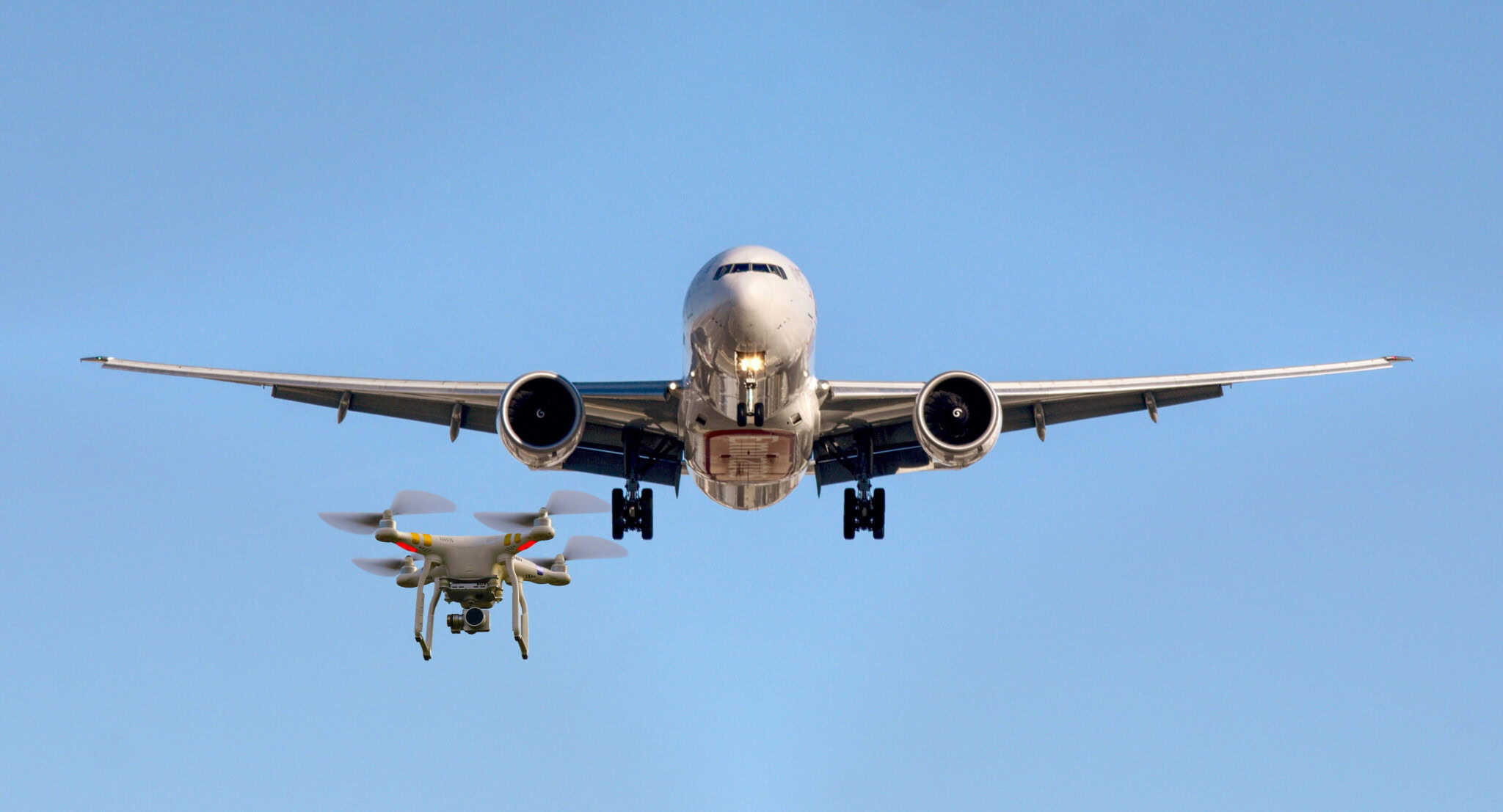
Departures from Ronald Reagan Washington National Airport stopped for about 20 minutes on the evening of Wednesday, September 17, 2026, after two flight crews reported a drone over the active runway. The Federal Aviation Administration said the halt began at around 7:55 p.m. local time.
Both crews described the object near Runway 19, the north-south strip that handles the bulk of the airport’s traffic. Airport operations staff went looking for the drone and did not find it.
What the crews reported
The controller working the runway passed a warning to other traffic about “unauthorized UAS (unmanned aerial system) activity reported in the vicinity of DCA, type and color unknown.” Departures were held while the reports were checked.
One report came from a regional jet arriving from Tulsa, whose crew said something flew past roughly halfway down the runway. A charter pilot waiting to leave for New Jersey said he had seen a light he thought might also be a drone, according to CNN, which listened back to the tower frequency.
The FAA said local and federal authorities were notified and that it is investigating. The Metropolitan Washington Airports Authority, which runs the airport, confirmed to WJLA that operations were affected and referred questions to the FAA. No arrests have been announced, and nobody has said what the drone was or who was flying it.
The most restricted airspace in the country
A drone sighting is unwelcome at any airport. Over Reagan National it is close to the definition of a no-go, because the airport sits at the exact center of the tightest airspace in American aviation.
The FAA runs a Special Flight Rules Area with a 30-mile (48 km) radius centered on the airport, split into an inner and an outer ring. Inside the 15-mile (24 km) inner ring, which covers the whole city, flying a drone is prohibited without specific FAA authorization.
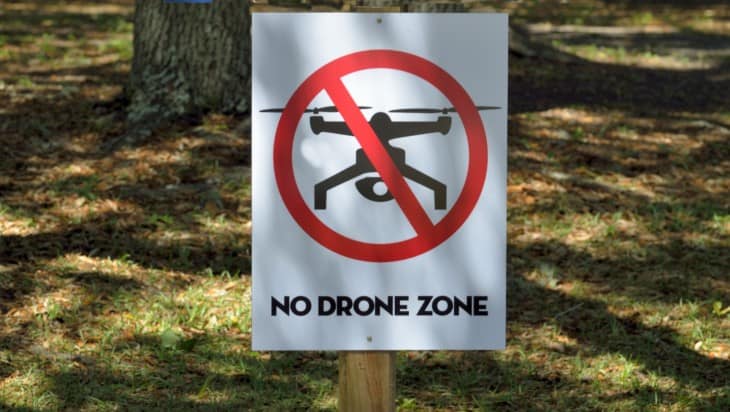
Recreational flying resumes between 15 and 30 miles out, but only under set conditions: a registered aircraft, below 400 feet, within visual line of sight, and never near other traffic.
The FAA’s own guidance is blunt about it. The airspace over Washington is “more restricted than in any other part of the country,” and rules written after the September 11 attacks classify it as national defense airspace, open only to aircraft holding both FAA and Transportation Security Administration authorization.
Knowingly violating that airspace is a federal crime under 49 U.S.C. 46307, carrying a fine and up to a year in prison, rising to five years for a second offense. That is the ceiling, though, and it only bites once somebody is identified.
What is not yet known
The FAA has confirmed the reports and the 20-minute halt, not the drone itself. No aircraft was recovered, no operator has been identified, and the agency has not said whether the object was a drone, a light on another aircraft, or something else. Treat everything past the two crew reports as open.
Why the answer is a pause, not a countermeasure
A 20-minute stop sounds like a modest response to an aircraft in the wrong place. It is close to the only response available, because there is no routine way for an airport to remove a drone from its approach path.
Authority to jam, seize or shoot down an unmanned aircraft sits with a short list of federal agencies, and airport operators are not on it. The question of who can legally take down a drone is more restrictive than most people assume.
So the tower does the one thing it controls: it stops moving airplanes through the piece of sky in question, warns the crews already in it, and waits for eyes on the ground to report back. Departures resume when nothing further is seen.
That is the same playbook that stopped Heathrow departures for 12 minutes on September 16. Two of the busiest airports in the world, two nights apart, both reduced to pausing and looking.
The sensitivity at Reagan National runs deeper than most airports. It is a few miles from the White House, the Capitol and the Pentagon, and it is still working through the aftermath of the January 2025 midair collision over the Potomac that killed 67 people, which produced 50 safety recommendations the NTSB has pressed Congress to enact.
Wednesday night cost 20 minutes and no damage. The uncomfortable part is that the most heavily regulated airspace in the United States was held up by an object nobody has been able to name.
Sources and references used for research and fact-checking.
Get the Newsletter
The latest aviation news and stories sent to your inbox.
About the Author
Tim is the owner and lead editor of AeroCorner since 2019, overseeing aviation content covering aircraft, airlines, airports, and the broader aviation industry. Through years of researching, writing, editing, and publishing aviation-focused content, he has developed extensive practical knowledge of commercial aviation and air travel. Based in Asia and a frequent traveler himself, Tim also brings firsthand passenger experience to AeroCorner’s coverage. Outside of publishing, he has also explored aviation firsthand through hands-on flight training in New Zealand.