

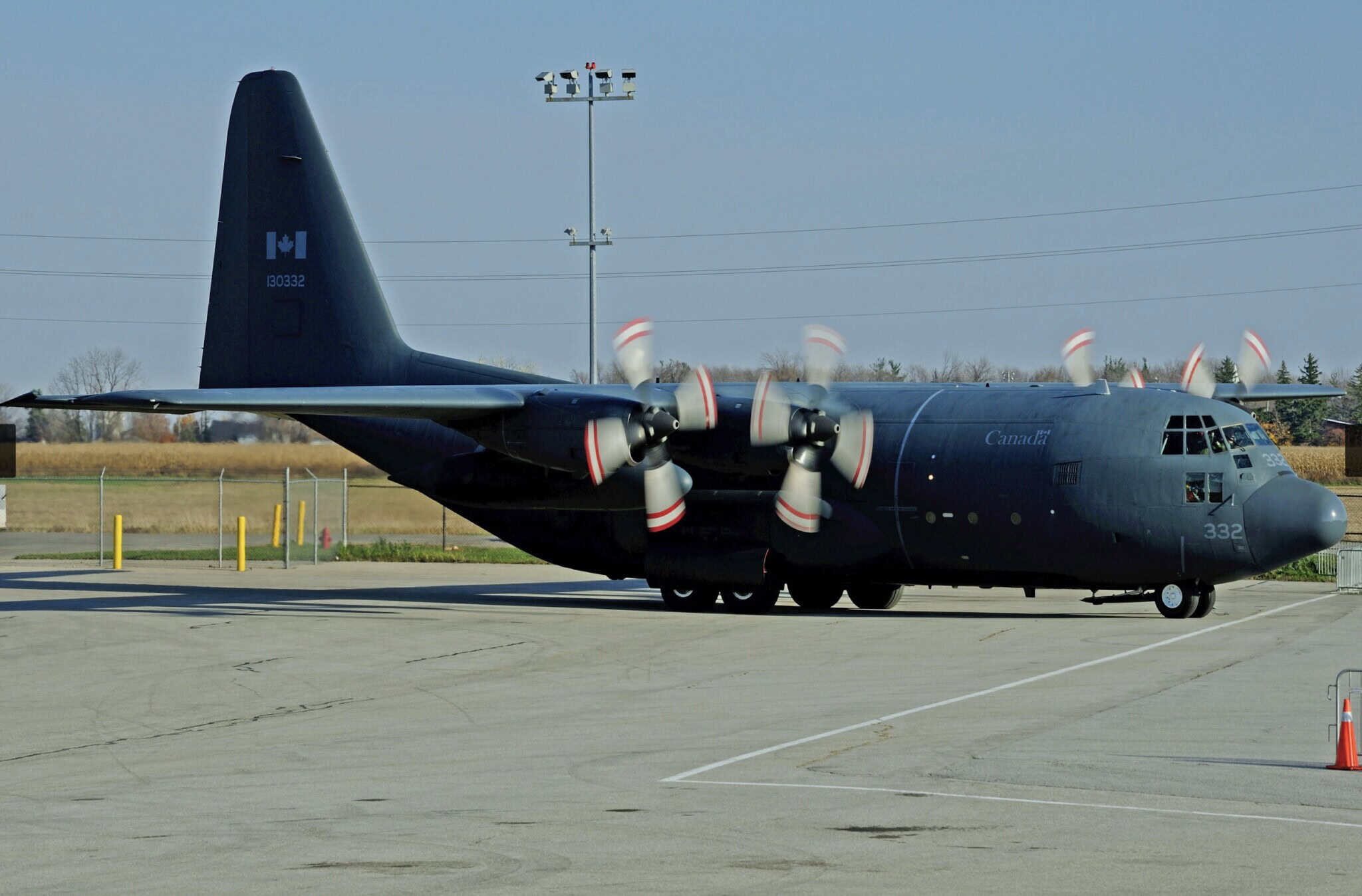
On August 7, 2026, the Government of Canada announced it has conditionally sold 10 retired Royal Canadian Air Force CC-130H Hercules transports to Coulson Aviation (Canada) Ltd. The decades-old military aircraft are headed for a new mission: dropping water and retardant on wildfires.
From tactical airlift to airtanker
The RCAF has flown C-130 Hercules aircraft since 1960. The CC-130H variant carried troops, cargo, and search-and-rescue crews for decades before the newer CC-130J Super Hercules began replacing it in Canadian service in 2010.
The RCAF retired its remaining fleet of 12 CC-130H aircraft in January 2026, according to Public Services and Procurement Canada. Two will go on public display at bases and museums. The other 10 are the ones now conditionally sold to Coulson.
Coulson Aviation Canada, based in Port Alberni, British Columbia, says it will convert, maintain, and operate the 10 aircraft as airtankers. The purchase doubles the company’s global CC-130H fleet from 10 to 20 aircraft, which Coulson says positions it to run the world’s largest C-130 airtanker fleet.
Why an old military transport makes a good airtanker
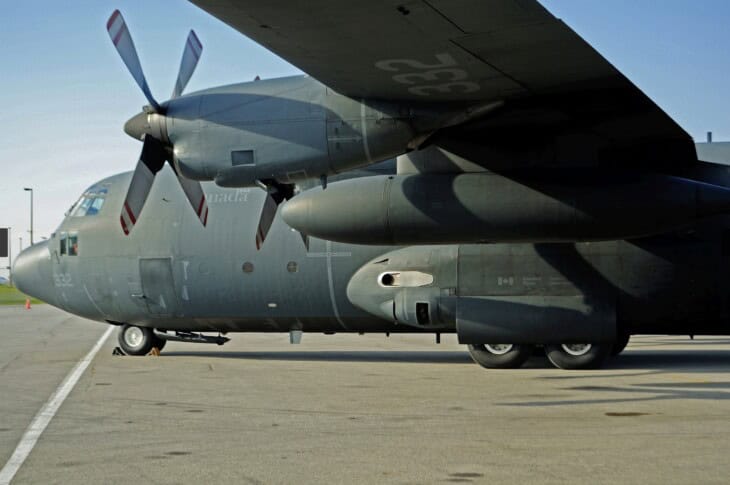
Converted military transports have long been a mainstay of aerial firefighting fleets, and the C-130 is a favorite: a rugged, high-wing turboprop originally built by Lockheed Martin to land on short, rough strips, with enough cargo space and payload capacity to carry a large retardant tank.
Coulson fits its C-130Hs with a proprietary system called RADS-XXL, which carries up to 4,000 US gallons (15,100 liters) of water or retardant and lets the crew precisely control how much drops and over what distance.
That combination of tank capacity, speed, and rough-field range is why converted military transports keep showing up on wildfire contracts even as purpose-built tankers exist. A retired Hercules airframe, still airworthy and cheaper to acquire than a new-build aircraft, only needs a tank and drop system added before it can go to work.
“These aircraft will multiply the current initial attack capacity operating in Canada today,” said Wayne Coulson, CEO of Coulson Aviation Canada, in the company’s announcement.
The fleet math
The 10 Hercules double Coulson’s global C-130H fleet from 10 to 20 aircraft, aircraft the company says will let it operate the world’s largest C-130 airtanker fleet.
Government of Canada officials framed the sale as a response to increasingly severe wildfire seasons. British Columbia Forests Minister Ravi Parmar joined federal ministers Joël Lightbound and Stephen Fuhr in announcing the deal, which they said would also support aerospace jobs in engineering, maintenance, and flight operations.
The deal keeps the airframes flying under Canadian ownership rather than sending them to a boneyard or a foreign buyer, and it hands provincial and contract firefighting operations aircraft with a proven, decades-long safety record instead of unproven new designs.
Still conditional
The sale is conditional on completing contractual arrangements and Transport Canada regulatory approvals. The government has not disclosed a purchase price, calling the figure and other bid information confidential.
1960
RCAF begins flying the Hercules. The C-130 becomes a mainstay of Canadian military airlift, search and rescue, and Arctic operations.
2010
The CC-130J arrives. Lockheed Martin delivers the first of 17 new CC-130J Super Hercules aircraft, beginning the phase-out of the older H-model fleet.
January 2026
The last CC-130H retires. The RCAF stands down its remaining 12 CC-130H aircraft after decades of service.
August 7, 2026
Ottawa sells 10 to Coulson. The government conditionally sells 10 of the retired Hercules to Coulson Aviation for conversion into wildfire airtankers.
Sources and references used for research and fact-checking.
- Government of Canada / Public Services and Procurement Canada, Government of Canada conditionally sells retired CC-130H Hercules aircraft to protect Canadians by strengthening Canada's private sector aerial firefighting capacity
- Coulson Aviation, Coulson Aviation Canada Acquires 10 Former RCAF Hercules, Doubling C-130H Fleet
- Lockheed Martin, Canada Accepts First of 17 Lockheed Martin C-130J Super Hercules
Get the Newsletter
The latest aviation news and stories sent to your inbox.
About the Author

Tim is the owner and lead editor of AeroCorner since 2019, overseeing aviation content covering aircraft, airlines, airports, and the broader aviation industry. Through years of researching, writing, editing, and publishing aviation-focused content, he has developed extensive practical knowledge of commercial aviation and air travel. Based in Asia and a frequent traveler himself, Tim also brings firsthand passenger experience to AeroCorner’s coverage. Outside of publishing, he has also explored aviation firsthand through hands-on flight training in New Zealand.