

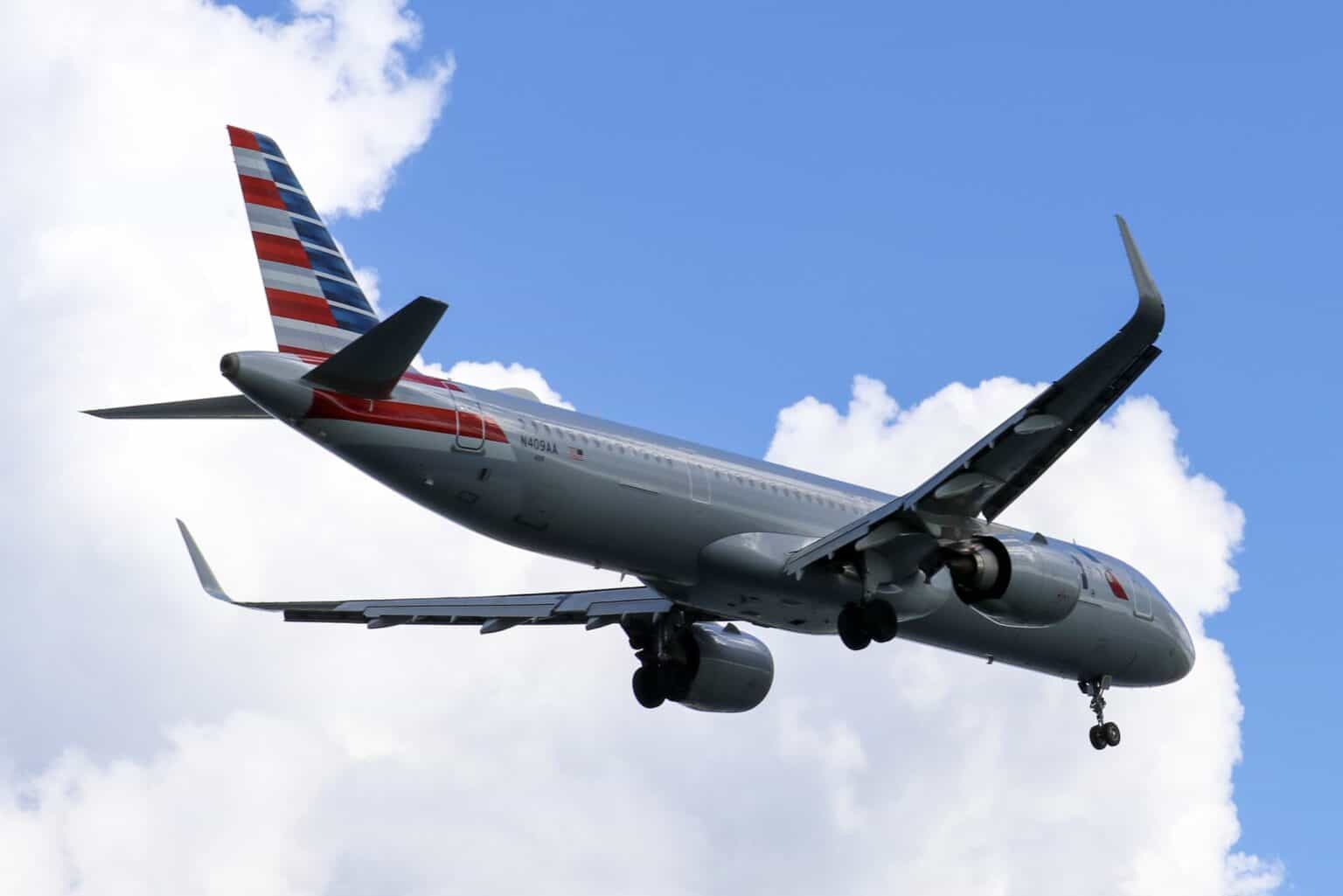
American Airlines flight AA675, an Airbus A321neo headed from Phoenix to Honolulu, returned safely to Phoenix Sky Harbor International Airport on Tuesday, Nov. 3, 2026, after the crew reported a brake issue. The FAA said the jet landed back in Phoenix around 2:45 p.m. local time and that it will investigate.
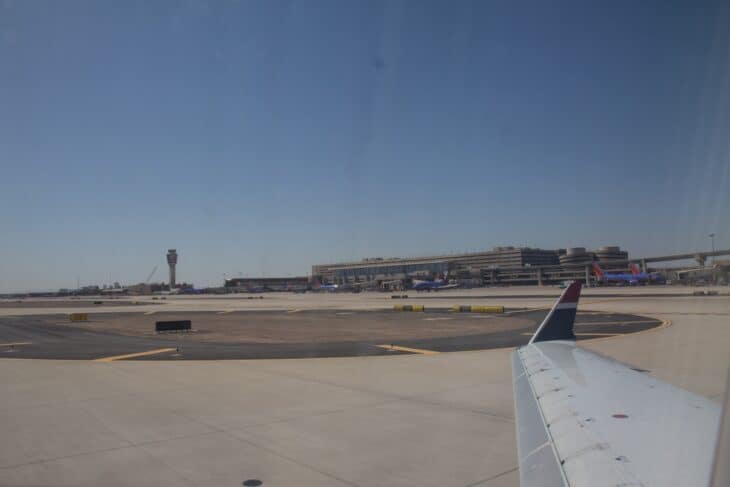

The agency’s statement did not describe the fault, and AeroCorner found no public statement from American about it at the time of writing. The FAA referred further questions to the airline.
What the flight track shows
Flight-tracking data from Flightradar24 show the flight was operated by N409AA. The FAA aircraft registry lists that tail as an Airbus A321neo (model A321-253NX) built in 2019 and powered by CFM LEAP-1A33 engines.
According to the same tracking data, the jet was scheduled to leave at 1:30 p.m. and took off at about 1:59 p.m. It climbed west to 28,000 feet and crossed into California before turning back near Palm Springs at about 2:38 p.m., roughly 255 miles (410 km) from Phoenix.
The track then runs straight back to Phoenix Sky Harbor, with no holding pattern, and shows the A321neo touching down from the west at about 3:16 p.m. That is about half an hour later than the time in the FAA statement, and neither source explains the gap.
The transponder showed a routine code for the whole flight, not the 7700 emergency code, in the Flightradar24 record. The FAA did not say whether the crew declared an emergency, and the number of people on board has not been published.
Passengers reached Hawaii more than three hours late
Flightradar24 records a second AA675 for the same day on another A321neo, N415AN. It left Phoenix at about 5:25 p.m. local time and landed in Honolulu at about 8:44 p.m. Hawaii time, against a scheduled arrival of 5:16 p.m.
The tracking data do not show whether every passenger moved to that aircraft, and American has not said how travelers were rebooked.
Why a brake fault ends a Hawaii flight early
Phoenix to Honolulu is about 2,900 miles (4,700 km), almost all of it over open Pacific Ocean, and Flightradar24 logs recent A321neo trips at between about 6 hours 20 minutes and 6 hours 30 minutes. A twin-engine airliner can only fly that kind of route under the FAA’s extended operations rules, known as ETOPS.
Under 14 CFR 121.161, a US airline needs specific FAA approval to fly a two-engine jet more than 60 minutes from an adequate airport at one-engine cruise speed. Once a narrowbody is well out over the water, the nearest runways are hours away, so crews tend to deal with a technical problem while land is still close.
Brakes also matter more at the far end than they do in cruise. Wheel brakes do much of the work of stopping an airliner after touchdown, so a crew with a brake indication has good reason to land while a major airport is still close, rather than carry the doubt for six hours.
This is not American’s only recent brake event. Last month an American Boeing 787 arriving from Barcelona landed at O’Hare with a brake issue and flat tires, on a different aircraft type.
The FAA’s investigation into AA675 is open, and it has not said what it will look at. The cause of the brake indication on N409AA has not been made public.
Sources and references used for research and fact-checking.
Get the Newsletter
The latest aviation news and stories sent to your inbox.
About the Author

AeroCorner News is the aviation news desk of AeroCorner.com. It covers accidents and incidents, safety rulings, airline and airport disruption, and new aircraft. It works from primary sources such as the NTSB, FAA, EASA and the manufacturers' own announcements.