

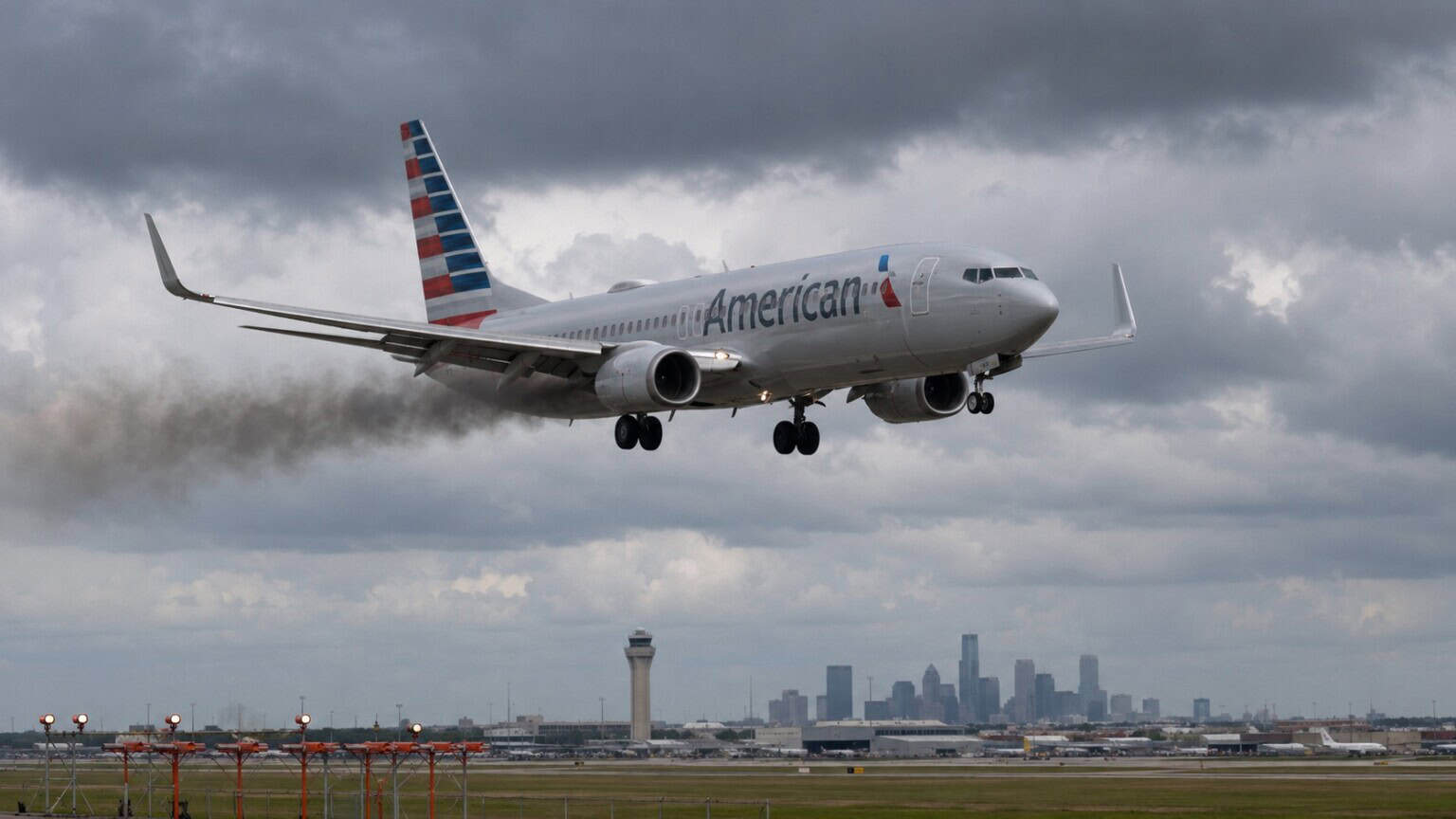
On July 27, 2026, American Airlines Flight 1937 returned to Houston shortly after departure when the crew declared an emergency. The Boeing 737-800, registered N983AN, had just left George Bush Intercontinental Airport bound for Phoenix.
The jet landed safely back at the same airport about 25 minutes after takeoff. No injuries were reported.
What happened in the air
The crew leveled off their climb at 4,000 feet and set the transponder to squawk 7700, the universal code that tells air traffic control a flight has a general emergency. The aircraft then turned back and touched down on the same runway it had used to depart.
According to flight-tracking accounts, other aircraft in the area reported seeing smoke coming from one of the engines during the climb out. American Airlines has not publicly described the specific problem, and no official cause has been confirmed.
After landing, the 737 cleared the runway under its own power and taxied to the gate, an outcome consistent with a controlled precautionary return rather than an in-flight failure that leaves a crew fighting to stay airborne.
Why crews turn back so quickly
A return to the departure airport shortly after takeoff looks dramatic, but it is one of the most routine risk-management decisions a flight crew makes. When an indication points to a possible engine or systems issue, the safest move is often to land at the airport already beneath them, where they know the runways and where crash and fire crews are standing by.
Declaring an emergency is part of that calculus, not a sign of panic. The 7700 code gives the crew priority handling, clears other traffic out of the way, and puts emergency services on alert before the aircraft is even on the ground. Pilots would rather declare and land uneventfully than press on and discover the problem was serious.
Reported smoke from an engine is exactly the kind of cue that triggers this response. It can stem from anything from a minor oil or seal issue to a more significant fault, and crews cannot diagnose the difference from the cockpit in real time, so they treat it conservatively and get the aircraft down.
Still unconfirmed
The engine-smoke detail comes from other aircraft and flight-tracking observers, not from American Airlines or the FAA. Until the airline or investigators confirm a cause, treat the reason for the return as provisional.
The event follows a run of similar precautionary returns and diversions across US carriers this summer, including a Delta A321neo that turned back to JFK over a fuel leak. Individually, each is minor; together they are a reminder of how often crews choose the conservative option and how rarely it makes headlines.
Get the Newsletter
The latest aviation news and stories sent to your inbox.
About the Author

Tim is the owner and lead editor of AeroCorner since 2019, overseeing aviation content covering aircraft, airlines, airports, and the broader aviation industry. Through years of researching, writing, editing, and publishing aviation-focused content, he has developed extensive practical knowledge of commercial aviation and air travel. Based in Asia and a frequent traveler himself, Tim also brings firsthand passenger experience to AeroCorner’s coverage. Outside of publishing, he has also explored aviation firsthand through hands-on flight training in New Zealand.