

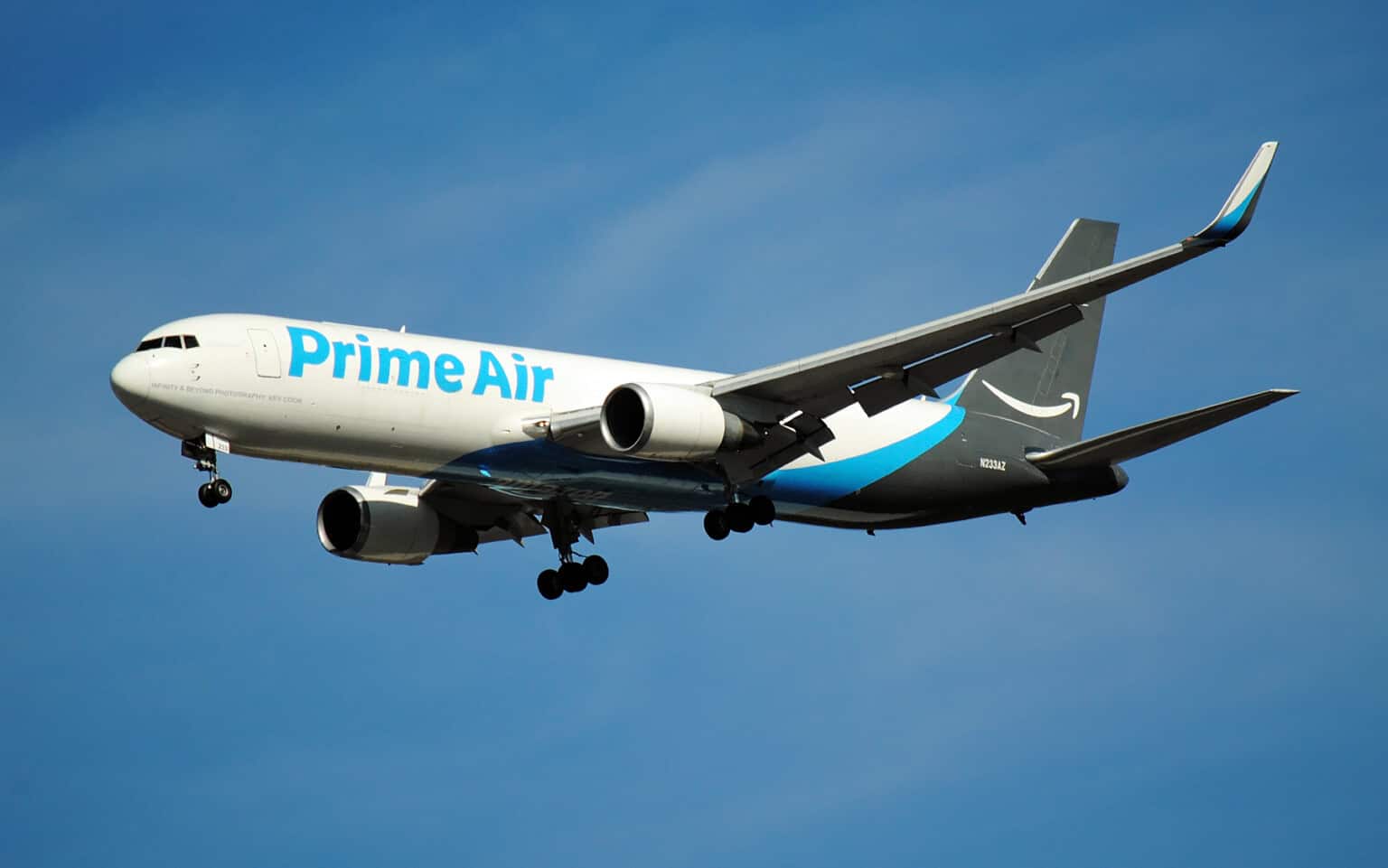
Amazon has stopped flying packages with 21 Air, the contract airline that operated the Boeing 767 freighter that overran a runway at Miami International Airport on September 6, 2026, killing five people on the ground. The company announced the pause on September 13, a week after the crash.
“After the tragic incident last weekend, we’ve spent time supporting the investigation and reviewing some of the surrounding circumstances, and we’ve decided to pause our operations with 21 Air, the operator of Flight 7598,” Amazon spokesperson Kelly Nantel said in a statement. The statement gives no end date.
What Amazon and 21 Air said
Amazon has said it will move shipments that would have gone to 21 Air onto its other carriers, NBC News reported. Those include Sun Country Airlines, Hawaiian Airlines, Air Transport International, ABX Air, ASL Airlines and Cargojet.
21 Air said it remained focused on the families affected and on working with the NTSB “and all our partners, like Amazon,” according to Reuters. “We are confident in our safety policies, procedures and training,” the airline said.
Reuters also reported that the 767 involved was 32 years old and had flown as a passenger jet until 2015, before its conversion to a freighter.
That confidence is now being tested in public. Former employees, including a past president of the airline’s pilot union, have alleged that managers discouraged safety reporting, Simple Flying reported. 21 Air disputes those accusations.
Why a contract airline can lose its flying overnight
Amazon does not fly its own freighters. Its air network is run by outside airlines, a model covered in our look at Amazon’s contractor airlines, and 21 Air joined that roster in late 2024.
How it joined explains why a pause can take effect so fast. When 21 Air flew its first Amazon trip on November 14, 2024, from Miami to Amazon’s hub at Cincinnati/Northern Kentucky, it was taking over seven 767-300 freighters that Amazon had reassigned from Atlas Air, FreightWaves reported at the time.
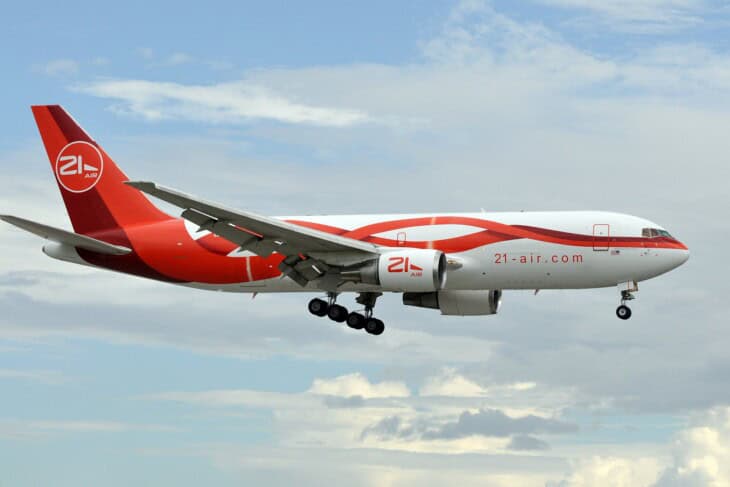
Amazon kept leasing those jets from Titan Aviation, an Atlas Air sister company. Under the deal FreightWaves described, the customer pays for fuel and other operating costs and guarantees a minimum number of flight hours, while the airline supplies the crews and flies the jets on its own operating certificate.
In other words, the aircraft are Amazon’s to place, and it has moved them between airlines before. The same Simple Flying report counts eight 21 Air aircraft in Amazon’s network, out of a fleet of about 22 Boeing 757s and 767s that also flies for DHL and LATAM Cargo Colombia.
The second fatal crash of an Amazon 767
Miami is the second fatal accident involving a 767 flying for Amazon. In February 2019, Atlas Air Flight 3591 crashed into Trinity Bay near Houston, killing all three people aboard, and the NTSB blamed the first officer’s response to an accidental activation of the go-around mode.
Atlas kept flying Amazon’s 767s for another five years after that crash. The seven jets handed to 21 Air in 2024 came from its operation.
Where the investigation stands
In its September 9 update, the NTSB said the 767 touched down at a groundspeed of 158 knots, that a pilot called for a go-around after touchdown, and that no speed brake or thrust reverser deployment appears in the flight data. Our report on the NTSB flight data walks through that sequence second by second.
The agency has not determined a cause. Its preliminary report normally follows within about 30 days of an accident, which would put it in early October.
What the pause does and does not mean
Amazon’s pause is a customer’s commercial decision, not a regulatory finding. The NTSB has not determined a cause, and Amazon has not said whether the pause is permanent or what happens to the 767s 21 Air was flying for it.
Sources and references used for research and fact-checking.
Get the Newsletter
The latest aviation news and stories sent to your inbox.
About the Author

Tim is the owner and lead editor of AeroCorner since 2019, overseeing aviation content covering aircraft, airlines, airports, and the broader aviation industry. Through years of researching, writing, editing, and publishing aviation-focused content, he has developed extensive practical knowledge of commercial aviation and air travel. Based in Asia and a frequent traveler himself, Tim also brings firsthand passenger experience to AeroCorner’s coverage. Outside of publishing, he has also explored aviation firsthand through hands-on flight training in New Zealand.