
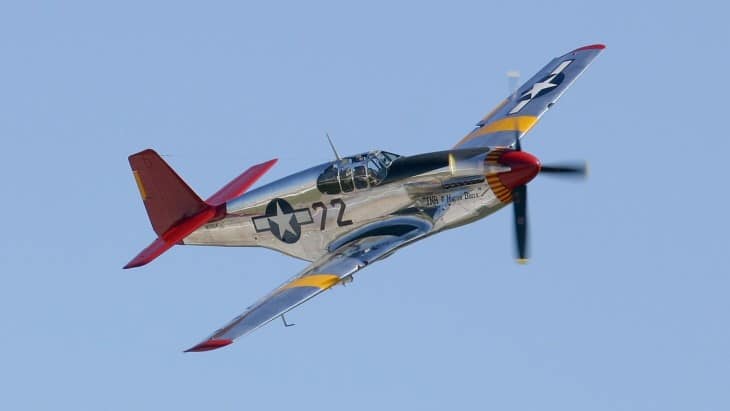
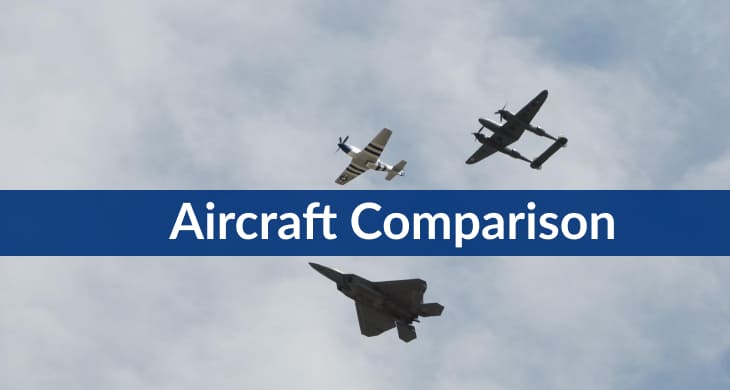
In the world of aviation, there are a few key aircraft that stands out above the rest. The P-40 and P-51 are two of these aircraft. But when comparing P-40 vs P-51, what are the main differences? Let’s find out all about these exciting aircraft.
The Curtiss P-40 Warhawk
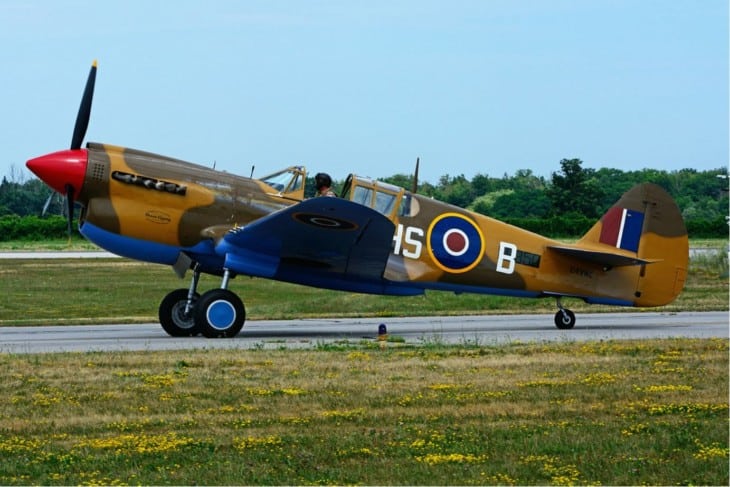
The P40 showed itself to be remarkably fast, tough, and agile throughout its career, earning it a reputation as one of the most successful military planes ever manufactured.
It was heavily used against ground targets during the early stages of WWII, playing an essential role in several combat missions. Today, surviving examples are cherished relics of aviation history that fascinate pilots and enthusiasts alike.
Why was the P-40 developed and built?
The P40 was a versatile and powerful aircraft that saw action in many major military conflicts of the 20th century. Designed and built by Curtiss-Wright, the P40 was initially intended as a fighter plane for use by the US Army Air Corps.
What purpose did the P-40 serve?
It soon became apparent that the aircraft’s rugged design and excellent capabilities made it ideal for operations in other environments. Throughout its long service history, the P40 saw action in WWII, Korea, and Vietnam, operating solo and in tandem with other aircraft.
The North American P-51 Mustang
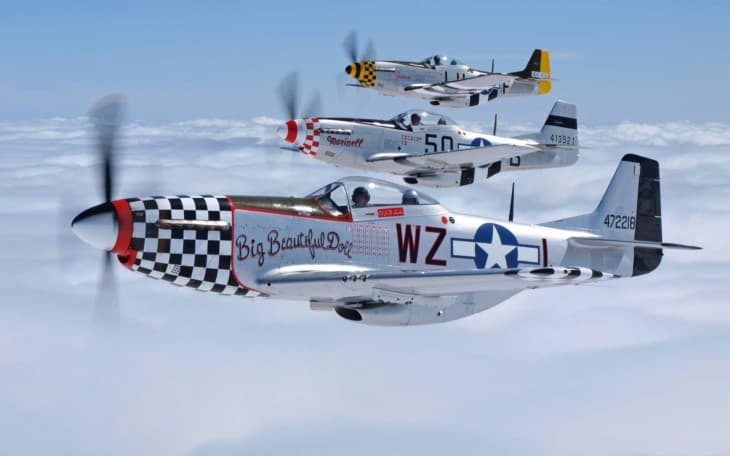
The P-51 Mustang was one of the most advanced aircraft ever created. Developed during World War II, this powerful fighter plane could reach speeds of up to 440 miles per hour and reach an altitude of over 41,900 feet.
One of the most distinctive features of P-51 Mustangs was their sleek design, which made them aerodynamic and highly maneuverable. They were also equipped with machine guns and cannons, allowing them to engage in aerial combat easily.
Why was the P-51 developed and built?
The P-51 Mustang, on the other hand, wasn’t introduced until 1942. Despite being newer, the P-51 quickly became one of the most revered fighter planes of all time, thanks to its long-range capabilities and incredible speed.
What purpose did the P-51 serve?
Thanks to its impressive speed and maneuverability, the P-51 became a favorite among Allied pilots in WWII, helping them to gain air superiority over enemy forces.
It is estimated that the P-51 Mustang shot down more than 5,000 enemy aircraft during the war. This iconic aircraft continues to capture our imagination as a symbol of military might and technological innovation.
P-40 vs P-51: Which One is Faster?
When deciding which is faster, it depends on what you’re looking for in an aircraft.
- When it comes to raw speed, the P-51 has the advantage. It’s been clocked at speeds more than 400 mph, whereas the top speed of the P-40 is only about 340 mph.
- However, the P-40 has a shorter takeoff distance than the P-51, so it can get up to speed more quickly.
- In terms of maneuverability, the P-40 is superior to the P-51 thanks to its smaller size and lighter weight.
So, if you need raw speed, go with the P-51. But if you need something that can take off quickly and maneuver easily, go with the P-40.
How are the P-40 and P-51 different?
P-40 and P-51 aircraft are among the most iconic planes of World War II, recognized for their speed, agility, and durability. While these two types of planes function in many ways the same, some key differences set them apart.
- The P-40 is a smaller plane than the P-51, with a more streamlined design that helps to minimize drag while maximizing thrust.
- The P-40 is outfitted with lightweight titanium armor plating, which protects it from enemy fire during combat missions. By contrast, the P-51 is larger and less streamlined than the P-40.
- With a slightly different wing shape and improved engine design, this plane can reach speeds up to 45% faster than its counterpart.
- Overall, these two aircraft embody the defining elements of warplane technology during WWII: advanced design and improved performance capabilities.
Despite their differences, both types of planes are celebrated as symbols of courage and military strength on the battlefield. Even today, they remain essential historical icons for veterans and aviation enthusiasts alike.
How are P-40 and P-51 similar?
P-40 and P-51 are two of the most advanced military aircraft ever developed. Both planes are robust and agile, with sleek silhouettes and advanced flight capabilities.
But perhaps they are best known for their engines – both P-40 and P-51 were powered by groundbreaking jet engine technology that allowed them to fly faster than many other aircraft at the time.
Although P-40 and P-51 may seem very similar on the surface, there are many subtle differences between these two famous planes.
Whereas P-40 is primarily a fighter plane designed for engaging enemy aircraft in close combat situations, P-51 was more versatile. It could also be used as both a long-range bomber and reconnaissance aircraft.
Additionally, while both planes utilized revolutionary jet engine technology to reach impressive speeds, each had unique features that made it distinctive from the others. For instance, the comprehensive design of the P-52 incorporated a bubble canopy, giving pilots unrivaled flight visibility.
In contrast, the streamlined nose of the P-51 housed an advanced targeting system that provided exceptional accuracy in aiming guns or dropping bombs during battle.
What’s better about the P-40 Warhawk?
P-40 aircraft is considered one of the most advanced and reliable fighter planes.
Unlike many other models, P-40 aircraft utilize a combination of high-quality materials, including lightweight carbon fiber composites, which means they are both fast and durable.
These aircraft are designed with various advanced features in mind, including integrated electrical systems, computerized control mechanisms, and a range of safety features that protect against operational errors.
P-40s allow pilots to fly some of the most cutting-edge and innovative aircraft. If you are looking for speed and reliability in your next jet fighter plane, the P-40s should be at the top of your list.
What’s better about the P-51 Mustang?
P-51 aircraft are among the most iconic fighter planes of all time. These powerful and agile machines were the backbone of Allied air power during World War II, helping to keep enemy forces at bay and ultimately securing victory for the Allies.
Many features set them apart from other military aircraft, including their superior speed and maneuverability, as well as their impressive firepower and rugged durability.
Overall, P-51 aircraft represent a pinnacle of fighter plane technology, embodying many of the best aspects of military aviation throughout history. Simply put, there is nothing quite like a P-51 when it comes to pure performance in the skies.
Conclusion
Despite their similarities in performance and technological advances, P-40 and P-51 differed in crucial ways that allowed them to play different roles during conflict.
Whether engaging enemy planes one-on-one or dropping bombs from far above ground level, these landmark aircraft were instrumental in helping to shape modern warfare as we know it today.