


Table of Contents
| Measure | A380 Cargo (A380F) | An-225 Mriya |
|---|---|---|
| Status | Never built; the freighter was suspended and its orders cancelled | One built and flown; destroyed on February 27, 2022 |
| First flight | None | December 21, 1988 |
| Original job | Carry up to 150 tonnes of freight on the A380 airframe | Carry Buran orbiters and Energia boosters for the Soviet space program |
| Airframes built | None | One completed; a second was left unfinished |
| Heaviest load flown | Never flown | 253.82 tonnes (about 559,600 lb), on September 11, 2001 |
| Best known for | What it could have been | What it actually carried |
The A380 freighter that never flew
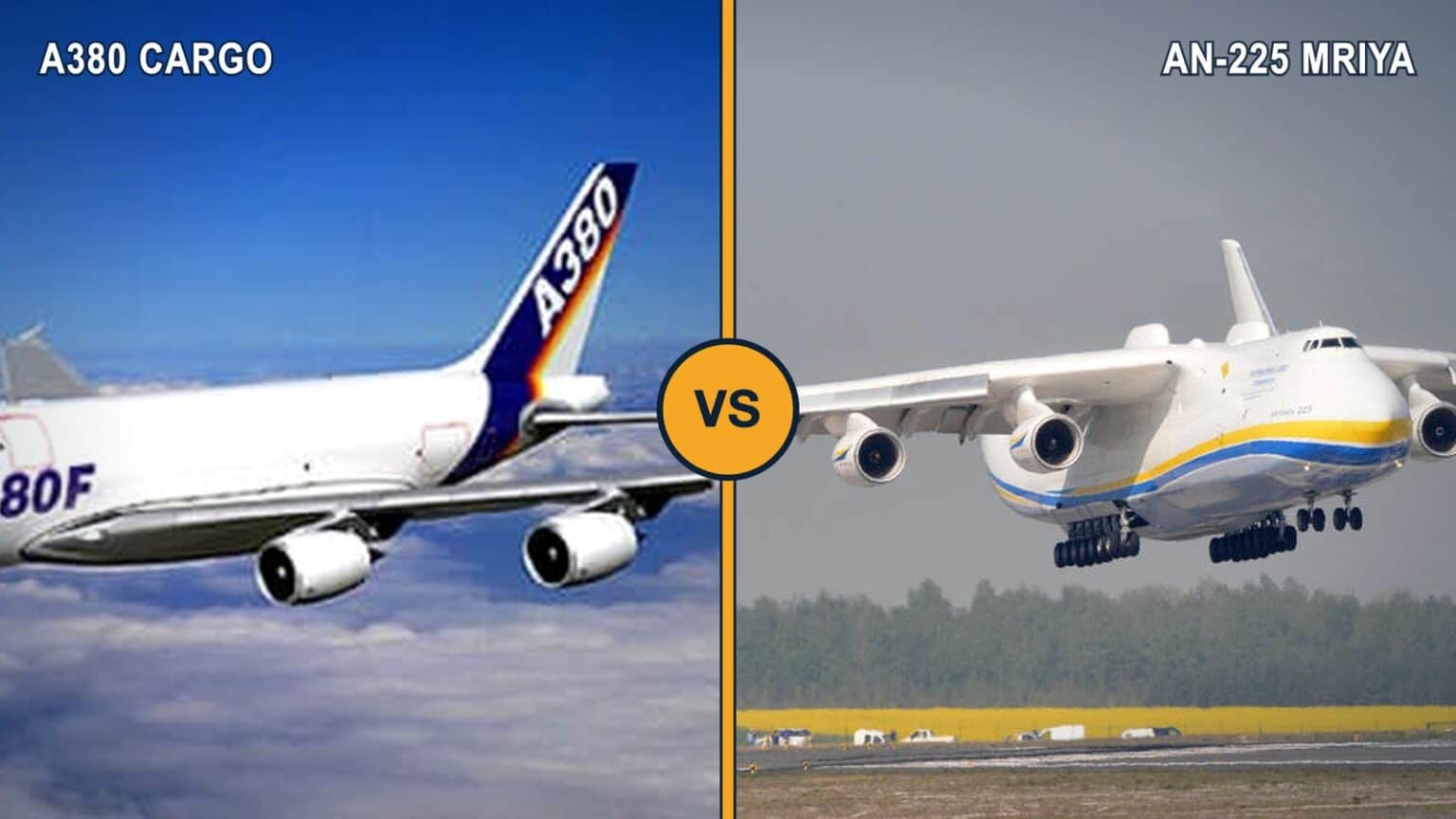
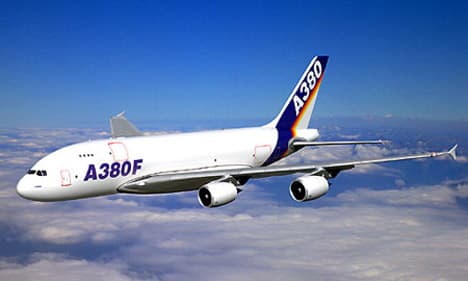
The Airbus A380 Cargo was the cargo twin of the passenger A380, offered from the start of the program alongside the airliner. Airbus designed it to carry 330,500 lb (150,000 kg) of cargo over 5,600 nautical miles (6,440 mi, 10,370 km).
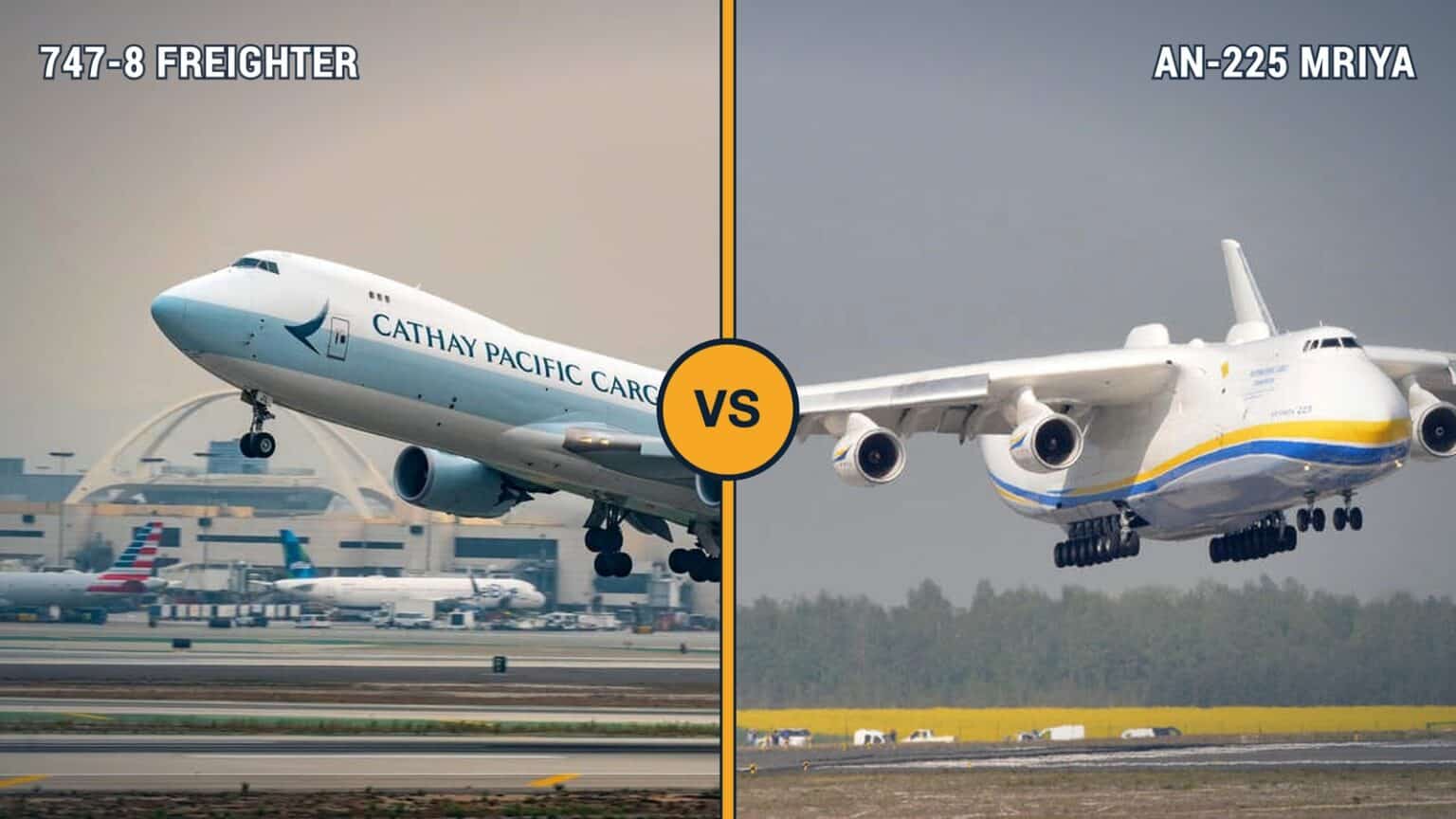
Airbus had offered the freighter since at least June 2005. It would have beaten the Boeing 747-8F on payload and range by about 7 percent, but with higher trip costs, and its payload would have been the largest of any freighter except the An-225.
It never reached production. Airbus put the passenger version first and suspended work on the freighter, with no firm date for it to return, though it said the A380F stayed on offer.
The A380F drew 27 orders, and none of them became freighters. Twenty were cancelled, including those from FedEx and UPS, and seven were converted to passenger A380-800s, including those from Emirates and ILFC.
The A380F stayed on Airbus’s website until at least January 2013 and was gone by April.
The passenger jet it was based on did fly, and it is a different story. Our A380-800 page covers the aircraft that actually entered service, with 525 seats in a typical three-class layout and up to 853 in an all-economy one.
Airbus delivered 251 A380s in total, and Emirates took the last one on December 16, 2021. None of them was a freighter.
The An-225 that flew the heaviest loads
The Antonov An-225 Mriya was built to carry Buran-class orbiters and Energia boosters for the Soviet space program. It first flew on December 21, 1988, and carried a Buran orbiter at the 1989 Paris Air Show.
Six Progress D-18T turbofans, each rated at 51,600 lbf (230 kN), pushed it to a maximum takeoff weight of 1,411,000 lb (640,000 kg). Its wingspan is 290 ft 0 in (88.40 m) and its length 275 ft 7 in (84.00 m).
It rolls on 32 wheels, and its nose gear can kneel to make loading easier. The crew is six: two pilots, two navigators and two flight engineers.

It received its type certificate on May 23, 2001. Its best known record came on September 11, 2001, when it flew 253.82 tonnes, about 559,600 lb, carrying five main battle tanks. That is far above the 150 tonnes the A380F was designed for.
Its first commercial flight left Stuttgart on January 3, 2002, with 216,000 prepared meals on 375 pallets for US military personnel in Oman.
Records followed. On August 11, 2009 it carried a 418,800 lb (189,980 kg) gas-plant generator, the heaviest single item ever flown as air cargo.
On June 11, 2010 it flew two 138 ft (42.1 m) wind turbine blades from Tianjin, China to Skrydstrup, Denmark, the longest air cargo on record.

One airframe, and one nearly built
Only one An-225 was ever completed. A second was left unfinished after the Soviet Union collapsed, and Wikipedia reports it was 60 to 70 percent complete by 2009. The completed aircraft was destroyed at Hostomel on February 27, 2022, and Ukroboronprom has estimated the restoration at over 3 billion US dollars and more than five years.
How the two compare on size
On paper the gap is real but not enormous. The A380 Cargo has a wingspan of 261 ft 4 in (79.65 m) and a length of 239 ft 6 in (73.00 m), and the spec table above shows the full list.
The An-225 is about 29 ft (8.75 m) wider and 36 ft (11.00 m) longer. Its maximum payload is 551,000 lb (250,000 kg), against 330,500 lb (150,000 kg) for the A380F.
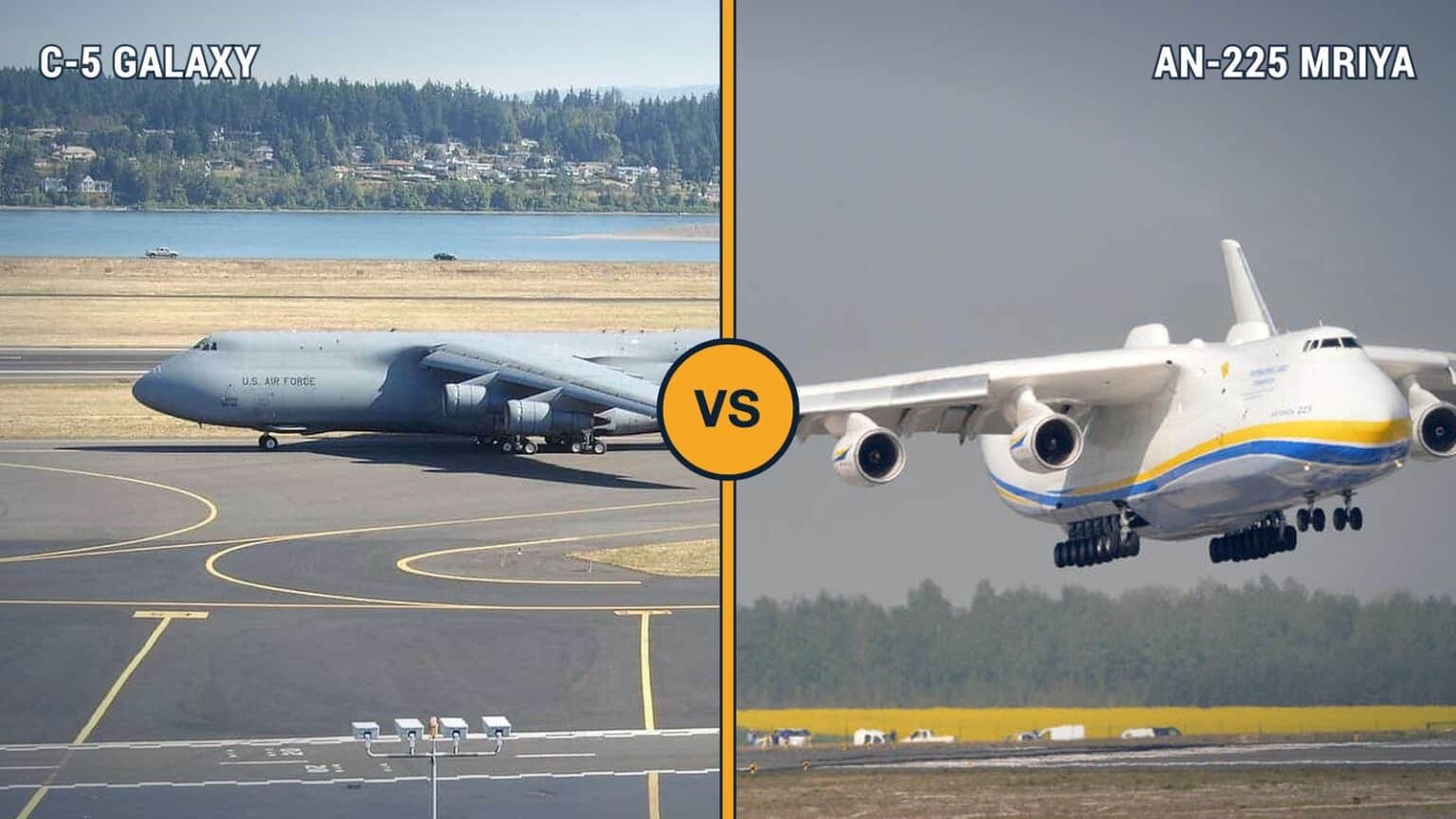
Both appear in our ranking of the largest cargo planes in the world, though only one could actually fly freight.
What the An-225 hold could take
The An-225 hold is pressurized and measures 142 ft 3 in (43.35 m) long, 21 ft 0 in (6.40 m) wide and 14 ft 5 in (4.40 m) high, with 45,909 ft³ (1,300 m³) of space. It can take up to 250,000 kg of general cargo, 16 intermodal containers, or up to 80 cars.
It has no rear door or ramp, which were left out to save weight. Four overhead cranes run the length of the hold, each lifting up to 11,000 lb (5,000 kg).
We have not found a published hold layout for the A380F, so we do not compare the two holds. What the record does show is the payload gap: 330,500 lb (150,000 kg) planned for the A380F against 551,000 lb (250,000 kg) for the An-225.
How the An-225 was lost
The An-225 was due to be evacuated on the morning of February 24, 2022, on NATO’s advice. Russia invaded that day, and Hostomel airfield was one of its first targets.
The aircraft was reported intact on February 24, but a photo on February 27 showed it burning in its hangar. Drone footage on April 1 showed the forward fuselage burned out and the right wing broken.
Which one is better?
The An-225 is the better freighter because it is real, carried loads nothing else could, and held the payload record. It flew commercial contracts from 2002 until early 2022, and its last commercial mission was a flight of about 90 tons of COVID-19 test kits from Tianjin to Billund in early February 2022.
The A380 Cargo is the better what-if. Airbus built the passenger A380 on the same airframe, but the freighter never kept its customers.
Myth check: the A380 freighter was never in service
Some pages describe the A380 Cargo as a working freighter. It was not: the freighter was never built, and no airline operated one. Emirates SkyCargo has flown passenger A380s carrying cargo, which is a different thing.
Frequently asked questions
FAQ
Sources and references used for research and fact-checking.
About the Author

Tim is the owner and lead editor of AeroCorner since 2019, overseeing aviation content covering aircraft, airlines, airports, and the broader aviation industry. Through years of researching, writing, editing, and publishing aviation-focused content, he has developed extensive practical knowledge of commercial aviation and air travel. Based in Asia and a frequent traveler himself, Tim also brings firsthand passenger experience to AeroCorner’s coverage. Outside of publishing, he has also explored aviation firsthand through hands-on flight training in New Zealand.