

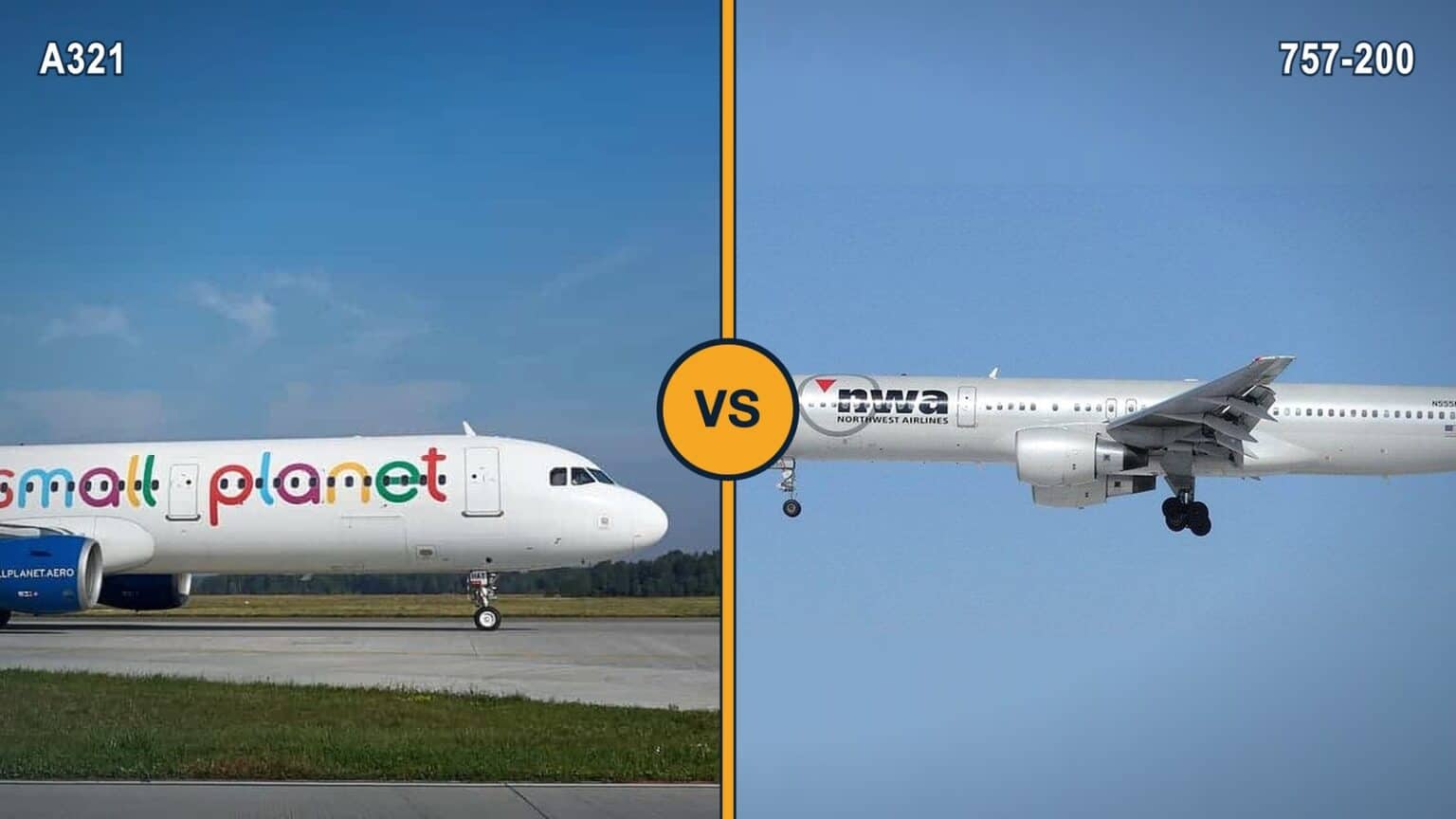

The Boeing 757-200 is the bigger, more powerful jet. It is 155 ft 3 in long against 146 ft 0 in for the original A321, and its range is 3,915 nautical miles against 3,200.
The Airbus A321 has the wider cabin and is still being built. The 757 line closed in October 2004, and the A321neo family has taken over its long thin routes.

General
Airbus A321
Manufacturer
Airbus
ICAO code
A321
IATA code
321
Produced
1994–Present
Price
$118.3 million (2018)
Engine
2 × CFM56-5B or IAE V2500-A5
Engine type
Turbofan
Thrust
2 × 32,000 lbf · 142 kN
-16% (total)
Avionics
Thales Avionics Suite
Wing tips
No winglets
Seats
220 economy · 185 business
Crew
2
Boeing 757-200
Manufacturer
Boeing
ICAO code
B752
IATA code
752
Produced
1982–2004
Price
$65 million (2002)
Engine
2 × Pratt & Whitney PW2037
Engine type
Turbofan
Thrust
2 × 38,200 lbf · 170 kN
+19% (total)
Avionics
Rockwell Collins CRT
Wing tips
No winglets
Seats
239
Crew
2
Dimensions
Airbus A321
Cabin width
12 ft 2 in
3.70 m
12 ft 2 in
3.70 m
+6%
Cabin height
7 ft 3 in
2.22 m
7 ft 3 in
2.22 m
+6%
Cabin length
113 ft 0 in
34.44 m
113 ft 0 in
34.44 m
-10%
Exterior length
146 ft 0 in
44.51 m
146 ft 0 in
44.51 m
-6%
Tail height
38 ft 7 in
11.76 m
38 ft 7 in
11.76 m
-13%
Fuselage diameter
13 ft 0 in
3.96 m
13 ft 0 in
3.96 m
+5%
Wing span
111 ft 11 in
34.10 m
111 ft 11 in
34.10 m
-10%
Baggage volume
169 ft 7 in
51.70 m
169 ft 7 in
51.70 m
+9%
Boeing 757-200
Cabin width
11 ft 6 in
3.50 m
11 ft 6 in
3.50 m
-5%
Cabin height
6 ft 11 in
2.10 m
6 ft 11 in
2.10 m
-5%
Cabin length
125 ft 8 in
38.30 m
125 ft 8 in
38.30 m
+11%
Exterior length
155 ft 3 in
47.32 m
155 ft 3 in
47.32 m
+6%
Tail height
44 ft 6 in
13.56 m
44 ft 6 in
13.56 m
+15%
Fuselage diameter
12 ft 4 in
3.76 m
12 ft 4 in
3.76 m
-5%
Wing span
124 ft 10 in
38.05 m
124 ft 10 in
38.05 m
+12%
Baggage volume
155 ft 2 in
47.30 m
155 ft 2 in
47.30 m
-9%
Weights
Airbus A321
Empty weight
107,000 lb
48,534 kg
107,000 lb
48,534 kg
-18%
Max payload
56,000 lb
25,300 kg
56,000 lb
25,300 kg
-2%
Fuel capacity
7,841 gal
29,681 L
7,841 gal
29,681 L
-32%
Max takeoff weight
206,000 lb
93,500 kg
206,000 lb
93,500 kg
-19%
Max landing weight
—
—
—
Boeing 757-200
Empty weight
130,440 lb
59,167 kg
130,440 lb
59,167 kg
+22%
Max payload
57,000 lb
25,900 kg
57,000 lb
25,900 kg
+2%
Fuel capacity
11,489 gal
43,491 L
11,489 gal
43,491 L
+47%
Max takeoff weight
255,000 lb
115,500 kg
255,000 lb
115,500 kg
+24%
Max landing weight
198,000 lb
90,000 kg
198,000 lb
90,000 kg
Performance
Airbus A321
Max cruise speed
473 kt · 544 mph
876 km/h
473 kt
544 mph
876 km/h
-5%
Max speed
473 kt · 544 mph
876 km/h
473 kt
544 mph
876 km/h
Cruise speed
450 kt · 518 mph
833 km/h
450 kt
518 mph
833 km/h
Approach speed
—
—
—
Rate of climb
—
—
—
Range
3,200 nm · 3,680 mi
5,930 km
3,200 nm
3,680 mi
5,930 km
-18%
Service ceiling
39,100 ft
11,900 m
39,100 ft
11,900 m
-7%
Takeoff distance
5,600 ft
1,710 m
5,600 ft
1,710 m
-18%
Landing distance
5,050 ft
1,540 m
5,050 ft
1,540 m
+10%
Boeing 757-200
Max cruise speed
496 kt · 571 mph
919 km/h
496 kt
571 mph
919 km/h
+5%
Max speed
—
—
—
Cruise speed
—
—
—
Approach speed
140 kt · 161 mph
259 km/h
140 kt
161 mph
259 km/h
Rate of climb
3,500 ft/min
18 m/s
3,500 ft/min
18 m/s
Range
3,915 nm · 4,510 mi
7,250 km
3,915 nm
4,510 mi
7,250 km
+22%
Service ceiling
42,000 ft
12,800 m
42,000 ft
12,800 m
+7%
Takeoff distance
6,800 ft
2,070 m
6,800 ft
2,070 m
+21%
Landing distance
4,600 ft
1,400 m
4,600 ft
1,400 m
-9%
Airbus A321 comparisons
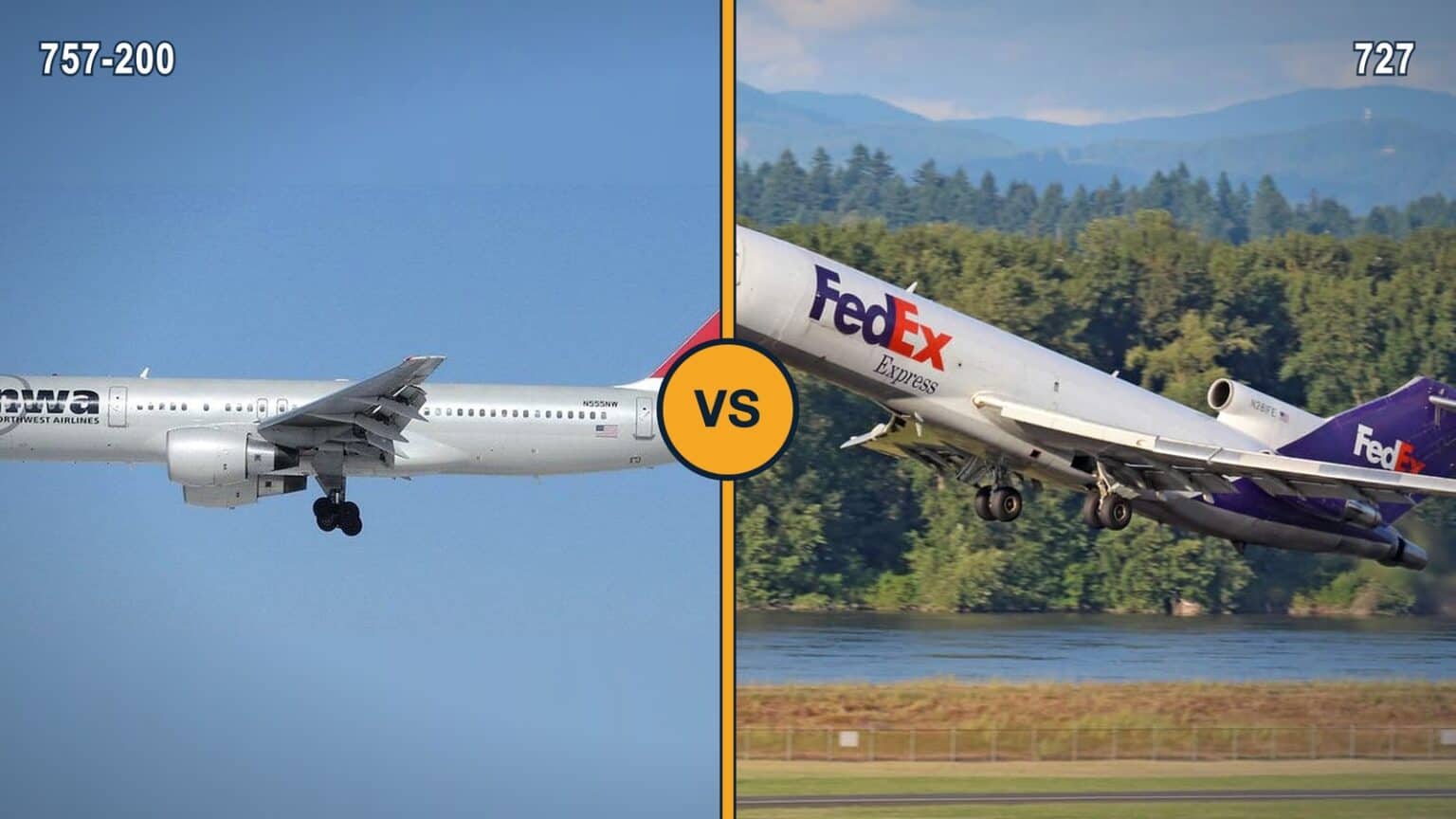
Table of Contents
The Boeing 757-200 is the bigger, stronger and longer-legged jet, and the Airbus A321 is the lighter one with the wider cabin. The 757-200 is 155 ft 3 in (47.32 m) long with a maximum takeoff weight of 255,000 lb (115,500 kg). The original A321 is 146 ft 0 in (44.51 m) long at 206,000 lb (93,500 kg).
That makes the 757 about 24% heavier at takeoff. It also flies farther, with a range of 3,915 nautical miles (4,510 mi) against 3,200 nautical miles (3,680 mi) for the A321.
This page compares the first-generation A321 with the 757-200. The newer A321neo changes some of the answers, and a section below says which.
Airbus A321 vs Boeing 757-200 at a glance
The database widget above compares dimensions, weights, engines and performance. This table covers what the widget does not: when each jet arrived, what it replaced and how it ended.
| Airbus A321 | Boeing 757-200 | |
|---|---|---|
| First flight | March 11, 1993 | February 19, 1982 |
| Airline debut | January 1994, Lufthansa | January 1, 1983, Eastern Air Lines |
| Origin | Stretch of the A320 | Clean-sheet successor to the 727 |
| Cockpit | Digital fly-by-wire with side-stick | Two-crew glass cockpit, common type rating with the 767 |
| What came next | A321neo, then the long-range A321LR and A321XLR | No direct successor; production ended October 2004 |
The Airbus A321: a stretched A320 that grew into a 757 replacement
Airbus built the A321 as a stretch of the A320. It first flew on March 11, 1993, and Lufthansa started flying it in January 1994.
Its cabin is 12 ft 2 in (3.70 m) wide, and the database record gives it two CFM56-5B or IAE V2500-A5 engines at 32,000 lbf (142 kN) each. Seating runs up to 220 in the record, and a typical two-class layout is far lower.
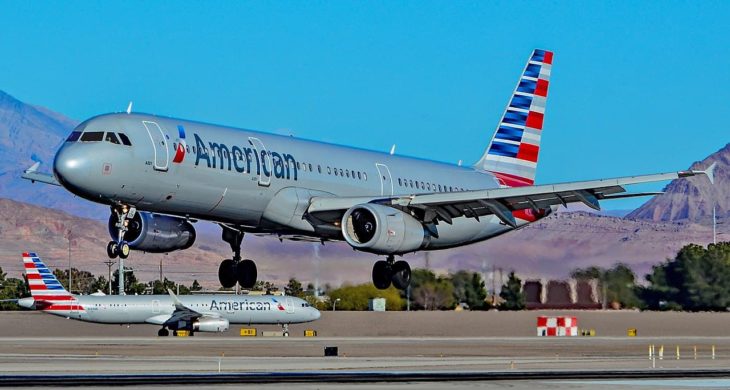
The A321 is also a lighter airframe. Its empty weight is 107,000 lb (48,534 kg), against 130,440 lb (59,167 kg) for the 757-200.
The Boeing 757-200: the high-thrust single-aisle
Boeing designed the 757 as a twinjet successor to the 727. The prototype flew on February 19, 1982, and Eastern Air Lines flew the first passengers on January 1, 1983.
Its engines are the story. Two Pratt & Whitney PW2037s give 38,200 lbf (170 kN) each, about 19% more than the A321 engines, on a jet that weighs about 24% more.

Pilots can fly both the 757 and the larger 767 on one type rating. ETOPS approval came in 1986, so airlines could use the 757 on long overwater routes.
Size and weight: where the 757 wins
Outside the cabin the 757 is bigger in every direction. Its wingspan is 124 ft 10 in (38.05 m) against 111 ft 11 in (34.10 m) for the A321 without winglets, and its tail stands 44 ft 6 in (13.56 m) against 38 ft 7 in (11.76 m).
Its fuel tanks hold 11,500 gal (43,500 L), against 7,850 gal (29,700 L) in the A321. That extra fuel goes with the longer range.
The 757 also has the longer cabin, 125 ft 8 in (38.30 m) against 113 ft 0 in (34.44 m).
Range and altitude: the 757 reaches farther
The 757-200 has a range of 3,915 nautical miles (4,510 mi) and a service ceiling of 42,000 ft (12,800 m). The A321 manages 3,200 nautical miles (3,680 mi) and 39,100 ft (11,900 m).
That gap is why airlines used the 757 on thin transatlantic routes. A plain A321 could not match it.
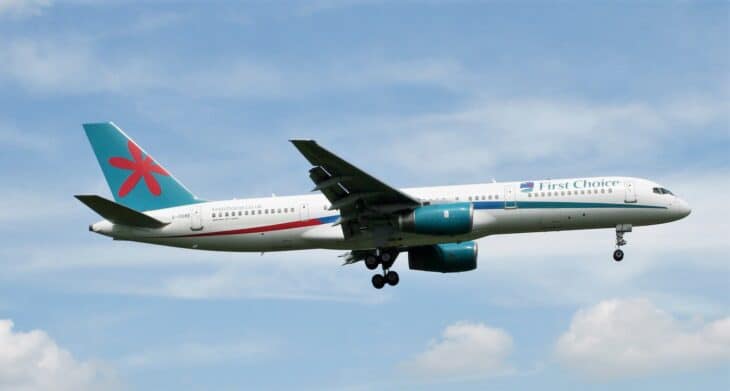
Cabin and efficiency: where the A321 wins
The A321 cabin is wider. It is 12 ft 2 in (3.70 m) across, against 11 ft 6 in (3.50 m) in the 757, and the fuselage is 13 ft 0 in (3.96 m) against 12 ft 4 in (3.76 m).

The lighter airframe and smaller engines also burn less fuel. The 757 is the thirstier jet, which is a large part of why it is gone from most airline fleets.
Speed, payload and hold space: closer than you think
The 757 is the faster jet on paper. Its maximum cruise speed is 496 knots (571 mph, 919 km/h), against a cruise speed of 450 knots (518 mph, 833 km/h) in the A321 record.
Payload is nearly a tie. The 757-200 carries up to 57,000 lb (25,900 kg), against 56,000 lb (25,300 kg) for the A321.
The hold is where the Airbus pulls ahead. Its baggage volume is 1,826 ft³ (51.7 m³), against 1,670 ft³ (47.3 m³) in the 757, even though the 757 is the longer jet.
That is a real advantage on a full flight with checked bags, and it adds to the wider cabin the A321 offers its passengers.
The A321neo: the range gap closes
Airbus re-engined the family with the A321neo, which entered service in 2017. It then stretched the range with the A321LR and the A321XLR, which Airbus rates at up to 4,700 nautical miles.
That is farther than the 757-200 can fly. It is the reason the Airbus is now the jet that does the 757 job.
Which one is better?
For raw capability, the 757-200 wins: more thrust, more fuel, more range and a higher ceiling. For a passenger, the A321 has the wider cabin, by 8 in (20 cm).
For an airline today, the A321 family wins easily. The 757 is out of production, and the A321 is still being built and ordered.
Boeing ended 757 production in October 2004 after 1,050 had been built. The plane that finally replaced it is an Airbus.
FAQ
No. The Boeing 757-200 is 155 ft 3 in (47.32 m) long with a wingspan of 124 ft 10 in (38.05 m), against 146 ft 0 in (44.51 m) and 111 ft 11 in (34.10 m) for the original A321. Its maximum takeoff weight is 255,000 lb (115,500 kg), against 206,000 lb (93,500 kg).
The 757-200, at 3,915 nautical miles (4,510 mi) against 3,200 nautical miles (3,680 mi) for the original A321. The newer A321XLR passes it, with a range Airbus rates at up to 4,700 nautical miles.
No, but they are one family. The A321 is a stretched A320 with a longer fuselage and more seats. It first flew on March 11, 1993, and entered service with Lufthansa in January 1994.
The 757 is out of production, with its line closed in October 2004 after 1,050 were built. It is older and burns more fuel than the jets that replaced it, but many still fly.
The A321 has the wider cabin, 12 ft 2 in (3.70 m) against 11 ft 6 in (3.50 m). The 757 has the longer cabin, 125 ft 8 in (38.30 m) against 113 ft 0 in (34.44 m).
Boeing offered the largest 737 Next Generation variants. In practice the Airbus A321neo family, including the A321LR and A321XLR, has taken over many of the 757’s routes.
Sources and references used for research and fact-checking.
About the Author

Tim is the owner and lead editor of AeroCorner since 2019, overseeing aviation content covering aircraft, airlines, airports, and the broader aviation industry. Through years of researching, writing, editing, and publishing aviation-focused content, he has developed extensive practical knowledge of commercial aviation and air travel. Based in Asia and a frequent traveler himself, Tim also brings firsthand passenger experience to AeroCorner’s coverage. Outside of publishing, he has also explored aviation firsthand through hands-on flight training in New Zealand.