

Table of Contents
Fly into New York’s JFK from London and you land at one of the busiest international gateways in the country. In the language of federal customs law, though, JFK is not an “international airport” at all.
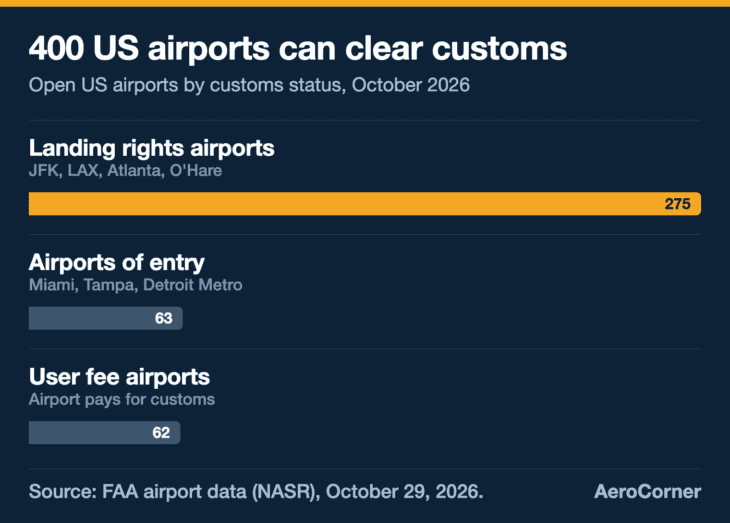
US customs regulations name exactly 58 designated international airports, a list in 19 CFR 122.13 that was last amended in 1999. Count every airport where an arriving international flight can clear customs, and the FAA’s airport data effective October 29, 2026 gives a much bigger number: 400.
How Many International Airports Are in the US?
It depends on which definition you use, and there are three in common circulation. The legal answer is 58: airports the Treasury designated as ports of entry for aircraft, cargo, immigration and quarantine all at once.
The practical answer is about 400. That is every open US airport the FAA’s October 29, 2026 data marks with a customs status of any kind, including the landing rights and user fee airports where most international travelers actually arrive. It covers the 50 states and four US territories.
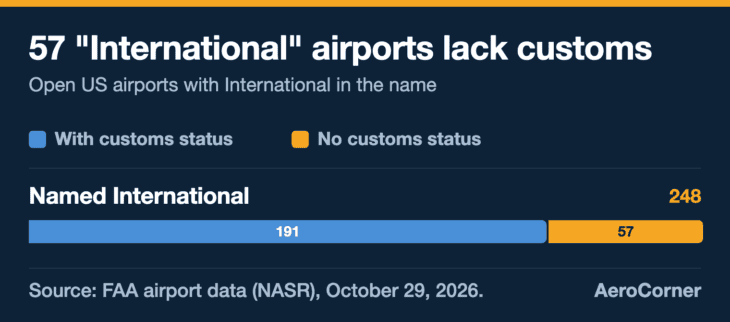
The third number is the one on the signs: 248 open US airports carry “International” in their official FAA name. That label is chosen locally and carries no legal weight, which is a small part of the reason the US has 19,445 airports but only 518 certified for airline flights.
The count at a glance
58 designated international airports under customs law (19 CFR 122.13). About 400 airports with any customs status in FAA data, October 29, 2026. 248 airports with International in their name, of which 57 have no customs status at all.
The Three Kinds of Customs Airport
Federal rules sort every airport that can receive a flight from abroad into one of three categories. Each one answers the same question, who pays for the customs officers and on what terms, in a different way.
| Category | What it means | Airports | Examples |
|---|---|---|---|
| Landing rights airport | Customs gives each airline schedule or flight permission to land | 275 | JFK, Los Angeles, Atlanta, Chicago O’Hare |
| Designated airport of entry | A standing port of entry for aircraft | 63 | Miami, Tampa, Detroit Metro, San Diego |
| User fee airport | The airport pays for its own customs officers | 62 | Van Nuys, Scottsdale, Dallas Love Field |
| Total | 400 |
A landing rights airport is defined in the regulation as any airport, other than an international or user fee airport, “at which flights from a foreign area are given permission by Customs to land.”
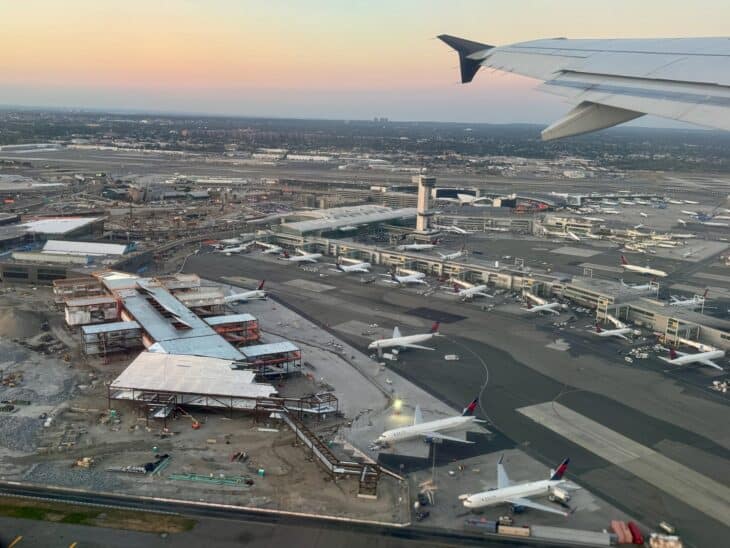

The local CBP port director grants them for an airline’s schedule or for a single flight. JFK, LAX, Atlanta, O’Hare, San Francisco, Dallas-Fort Worth, Houston Intercontinental, Boston and Seattle all sit in this category in the FAA data.
A user fee airport exists because its traffic is too thin for customs to staff for free.
Under the federal law behind the program, the airport pays CBP an amount equal to its costs, salaries included, and the state’s governor has to approve the designation. Much of the list is business-jet country: Van Nuys, Scottsdale, Morristown in New Jersey and Addison outside Dallas.
Why the Legal List Is Full of Border Towns
Read the 58 designated international airports and the big hubs are mostly missing.
Miami, Fort Lauderdale, Tampa, San Diego, Detroit Metro and Cleveland are there, but the list leans hard toward the Canadian and Mexican borders: Baudette and International Falls in Minnesota, Pembina and Williston in North Dakota, Cut Bank and Havre in Montana, Houlton and Caribou in Maine.
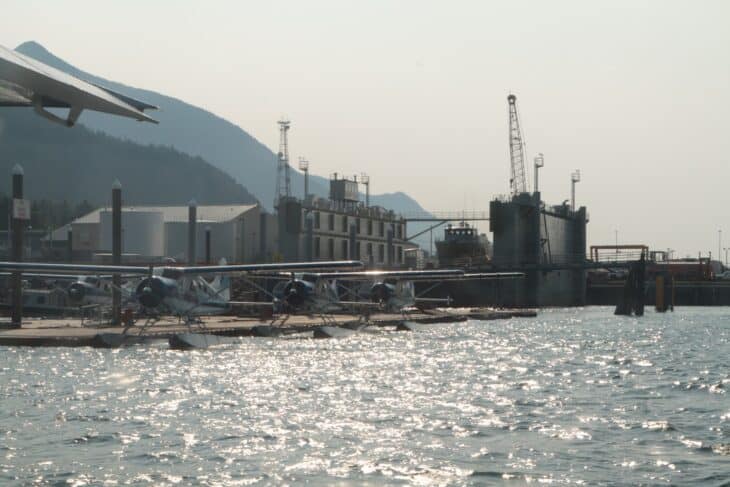
Ten of the 58 are seaplane bases or harbors, from Ketchikan and Wrangell in Alaska to Seattle’s Lake Union and Chalk Seaplane Base in Miami. The list dates from a 1988 Treasury decision and was last amended in 1999, and it shows: it still calls Albany International “Albany County Airport” and Juneau International “Juneau Municipal Airport.”

JFK serves 72 countries without the title
In AeroCorner’s ranking of airports by countries served, updated November 15, 2026, JFK reaches 72 countries, the most of any US airport. Miami, which is on the legal list, reaches 65. Newark, another landing rights airport, reaches 57.
Eleven US airports make the world top 100 in AeroCorner’s ranking of airports by countries served, updated November 15, 2026. Only one of them, Miami, is a designated international airport; the other ten, from JFK and Newark to Atlanta and San Francisco, are landing rights airports.
“International” in the Name Means Nothing
The myth: an International airport has international flights
Any airport owner can put International in the name. Of the 248 open US airports that do, 57 have no customs status of any kind, so an arriving foreign flight cannot clear customs there.
Some of those 57 are real commercial airports, such as Billings Logan International in Montana, Rogue Valley International-Medford in Oregon and Akron Fulton International in Ohio. Others are private grass strips and helipads with a sense of humor, such as Shady International in Florida and Duke International in Texas.
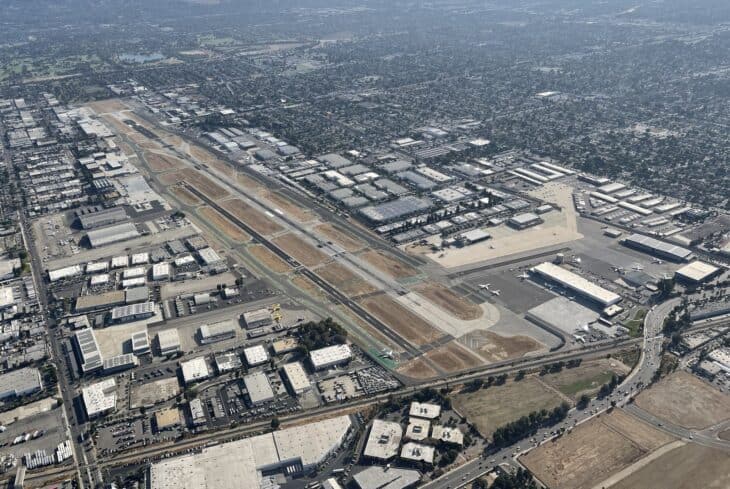
The reverse is common too. Dallas Love Field, Van Nuys and Hanscom Field outside Boston have no “International” in their names, yet all three are user fee airports that can clear a flight from abroad.

Why the Numbers Differ
The two official sources disagree by a handful of airports, and each gap has a reason. The regulation lists 58 designated international airports; the FAA’s file flags 63 airports of entry, because its flag also covers military fields such as Davis-Monthan Air Force Base in Arizona and Fort Campbell’s airfield in Kentucky.
User fee airports run the other way. The regulation lists 67 after a CBP rule effective November 17, 2025, which added Colorado Springs, Santa Maria, Tallahassee, Vero Beach and Hillsboro and removed Ontario International in California. The FAA file, at 62, still flags Ontario and does not yet flag Tallahassee, Santa Maria or Vero Beach.
That is why the honest practical answer is “about 400” rather than an exact figure. Of the 400 in the FAA file, 22 are military-owned fields such as Dover Air Force Base, 15 are seaplane bases and 2 are heliports.
No federal agency publishes a single count of US airports with scheduled international airline service, and the figure would move with every seasonal route to Cancun or Canada. Any site quoting one exact number for that is counting something of its own.
Which States Have the Most International Airports?
Texas leads with 31 airports with a customs status in the FAA data, followed by Florida (28), Washington (27) and New York (26). Border and coastal states dominate, which matches where flights from Canada, Mexico and the Caribbean arrive.
Every one of the 50 states has at least one. Six have exactly one: Salt Lake City in Utah, Des Moines in Iowa, Wichita in Kansas, Omaha in Nebraska, Sioux Falls in South Dakota and Casper in Wyoming.
Scale it up to the whole planet and the gap between airports and airports with real traffic is just as wide, as our look at how many airports there are in the world shows.
And if the biggest of them is what you are after, the answer to which US airport is the biggest depends on the measure too.
FAQ
Sources and references used for research and fact-checking.
- eCFR, National Archives, 19 CFR 122.13, List of international airports
- eCFR, National Archives, 19 CFR 122.1, Definitions (international airport, landing rights airport, user fee airport, preclearance)
- eCFR, National Archives, 19 CFR 122.15, User fee airports
- Federal Register, U.S. Customs and Border Protection, Technical Amendment to List of User Fee Airports: Addition of Five Airports, Removal of One Airport
- FAA National Airspace System Resource (NASR), Airport data (APT CSV), 28-day subscription effective October 29, 2026
- AeroCorner, Top 100 Airports Serving the Most Countries in the World
- U.S. Customs and Border Protection, Preclearance
Get the Newsletter
The latest aviation news and stories sent to your inbox.
About the Author

Tim is the owner and lead editor of AeroCorner since 2019, overseeing aviation content covering aircraft, airlines, airports, and the broader aviation industry. Through years of researching, writing, editing, and publishing aviation-focused content, he has developed extensive practical knowledge of commercial aviation and air travel. Based in Asia and a frequent traveler himself, Tim also brings firsthand passenger experience to AeroCorner’s coverage. Outside of publishing, he has also explored aviation firsthand through hands-on flight training in New Zealand.