Midsize Business Jets
Hawker 800
ICAO: H25B
The composite midsize jet built for long-range business travel.
The latest aviation news and stories sent to your inbox.
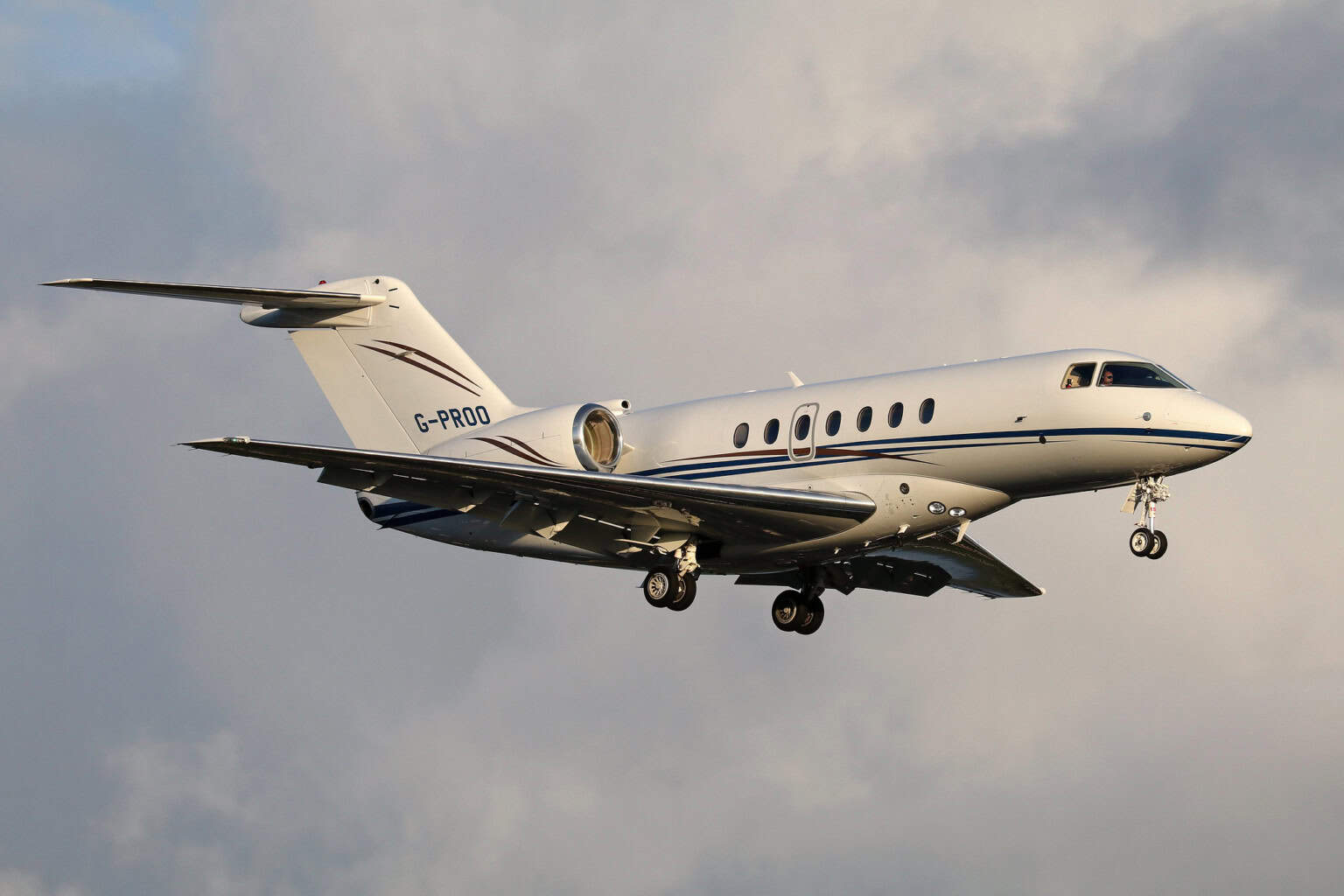
The Hawker 4000, originally known as the Horizon, entered service in the late 2000s. It was notable for its composite fuselage construction and advanced avionics. The aircraft competed in the midsize business jet market.
Live Fleet Activity (HA4T)
Fetching live data…


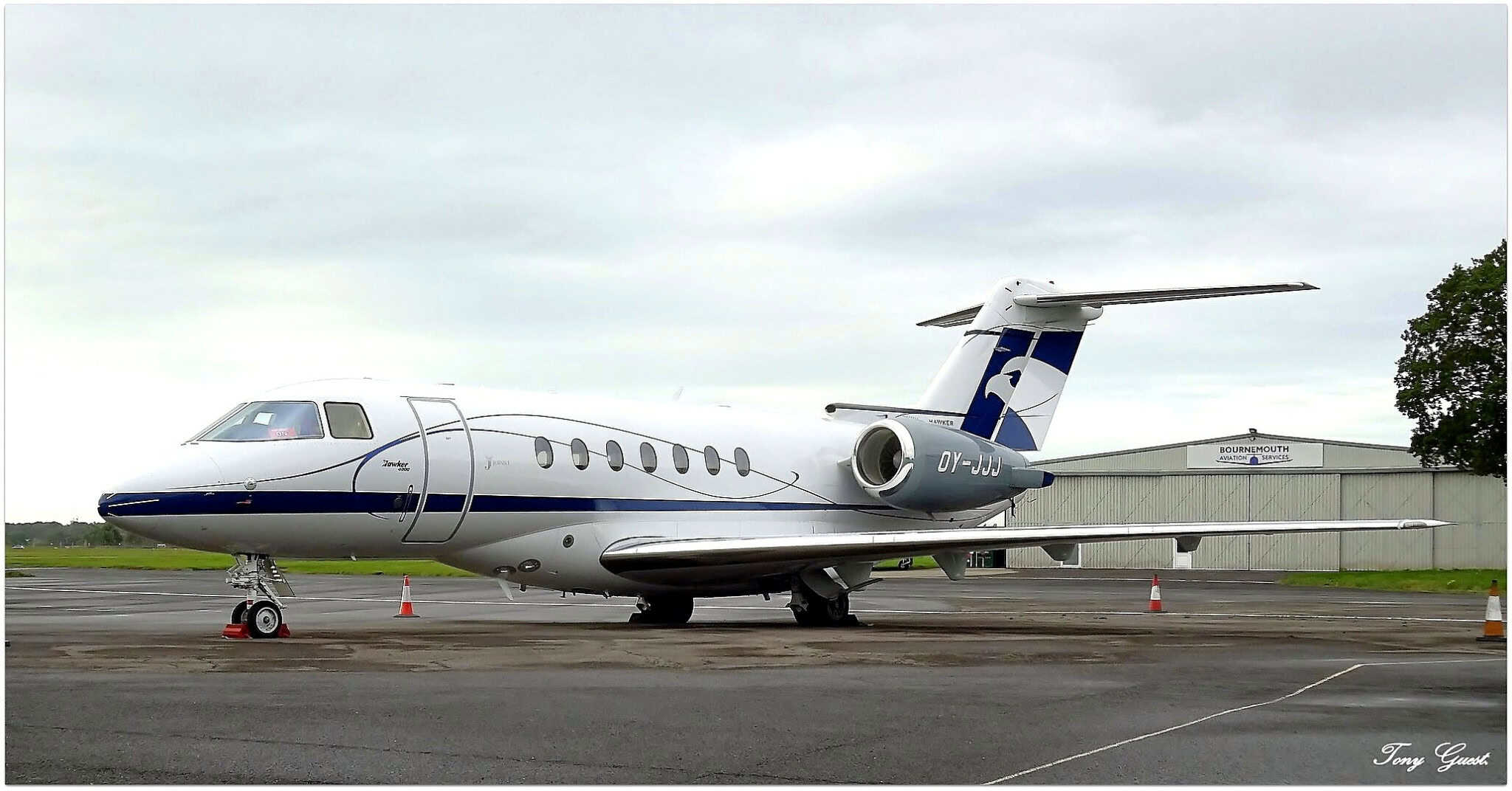


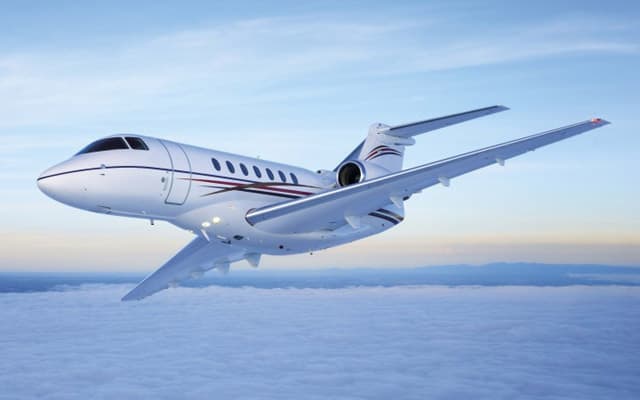
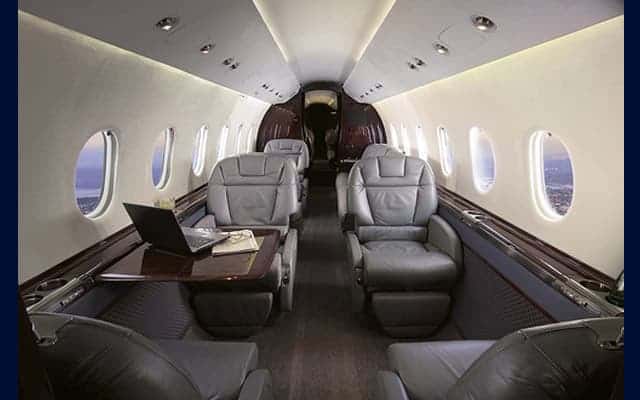
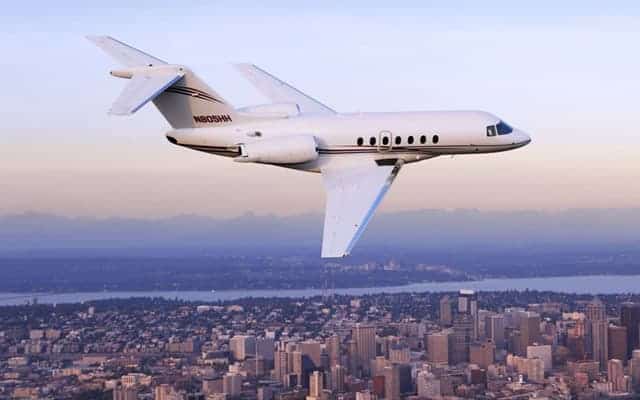
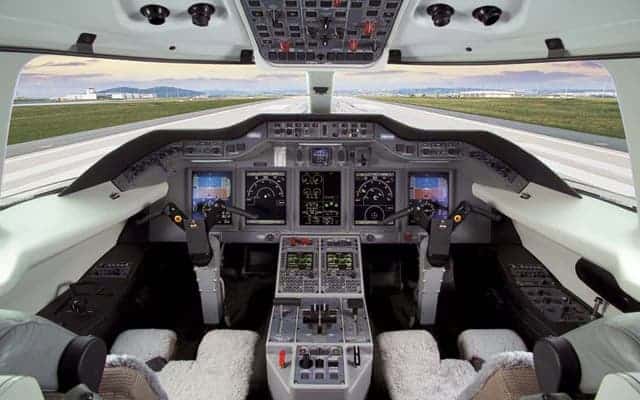
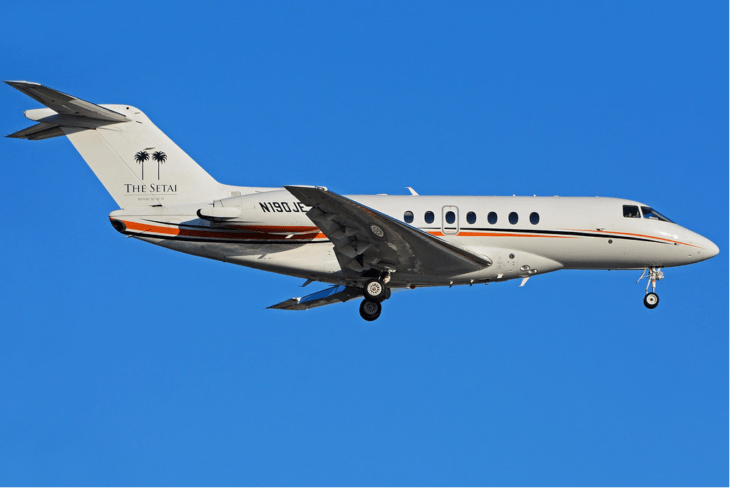
The Hawker 4000 first flew in 2001 and entered service in 2008 after a protracted development period. It introduced composite structures uncommon in its class at the time. The design emphasized cabin comfort and range.
Two Pratt & Whitney Canada PW308A turbofan engines producing approximately 6,900 pounds of thrust (31 kN) each power the aircraft. Cruise speed approaches Mach 0.84. Maximum takeoff weight exceeds 39,000 pounds (17,690 kg), with range near 3,300 nautical miles (6,112 km).
Despite advanced features, production numbers remained modest. The 4000 remains active with select operators. It represents an ambitious step in composite business jet development.
Sources and references used for research and fact-checking.