

Mid Size Helicopters
The light utility helicopter that supported India for decades
The latest aviation news and stories sent to your inbox.
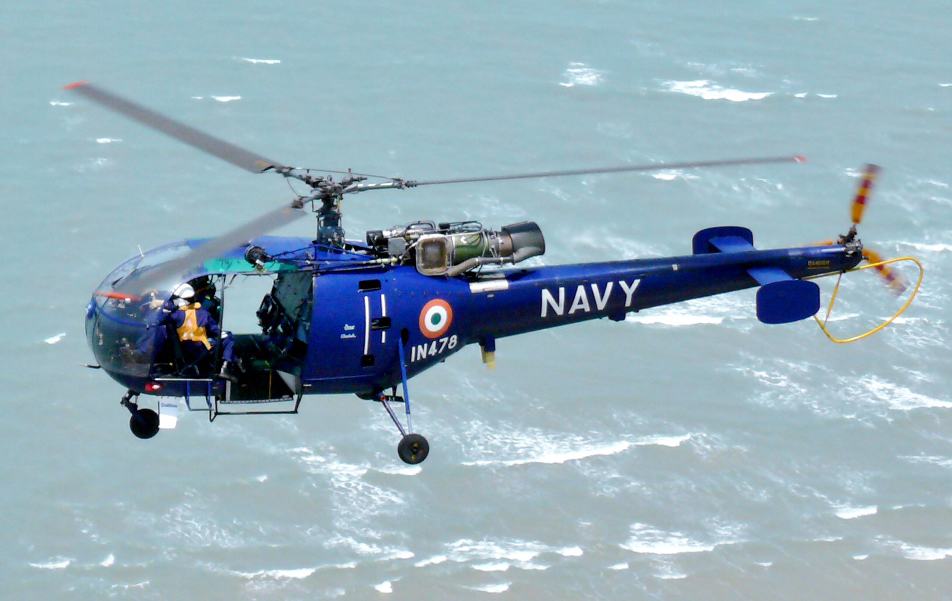
The HAL Chetak is a license-built version of the French Aérospatiale Alouette III produced in India. Serving military and civilian operators, it became a versatile platform for training, transport, and liaison duties. The aircraft has played a foundational role in India’s rotary-wing operations.
Live Fleet Activity (ALO3)
Fetching live data…


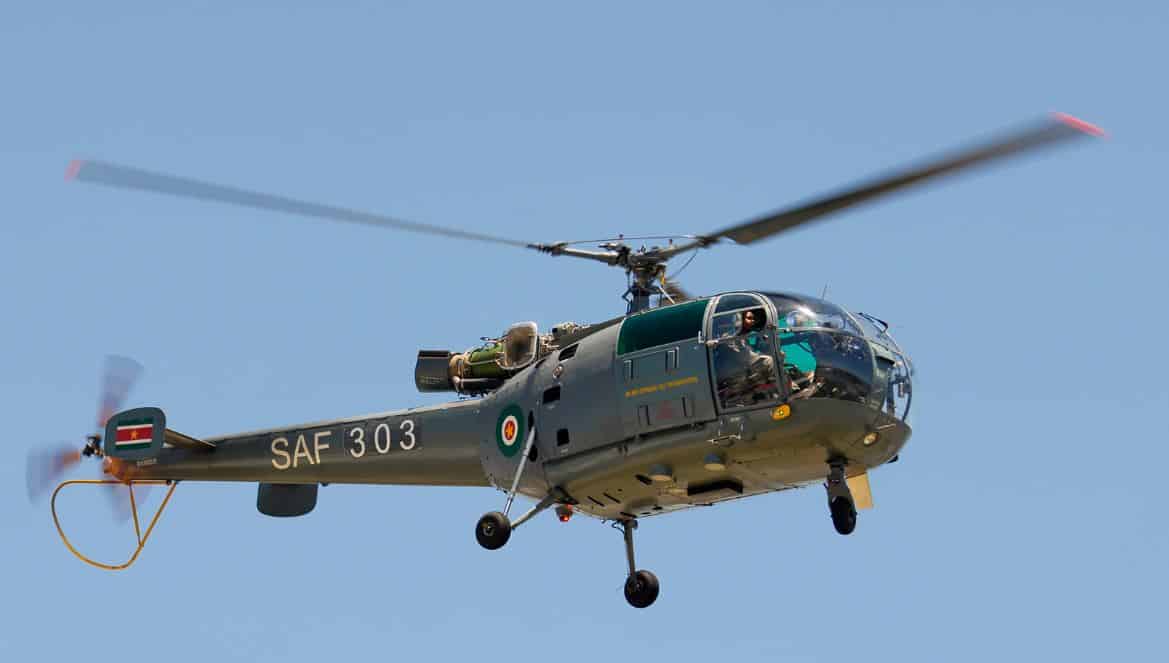
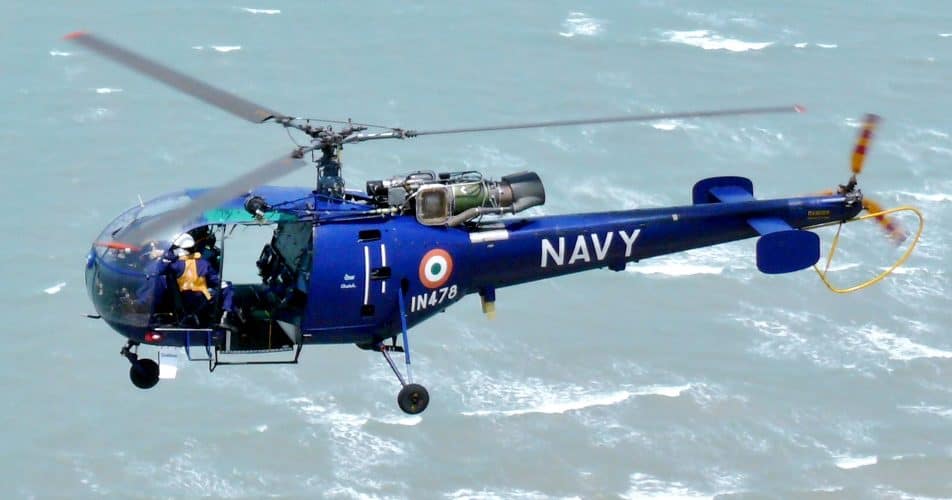

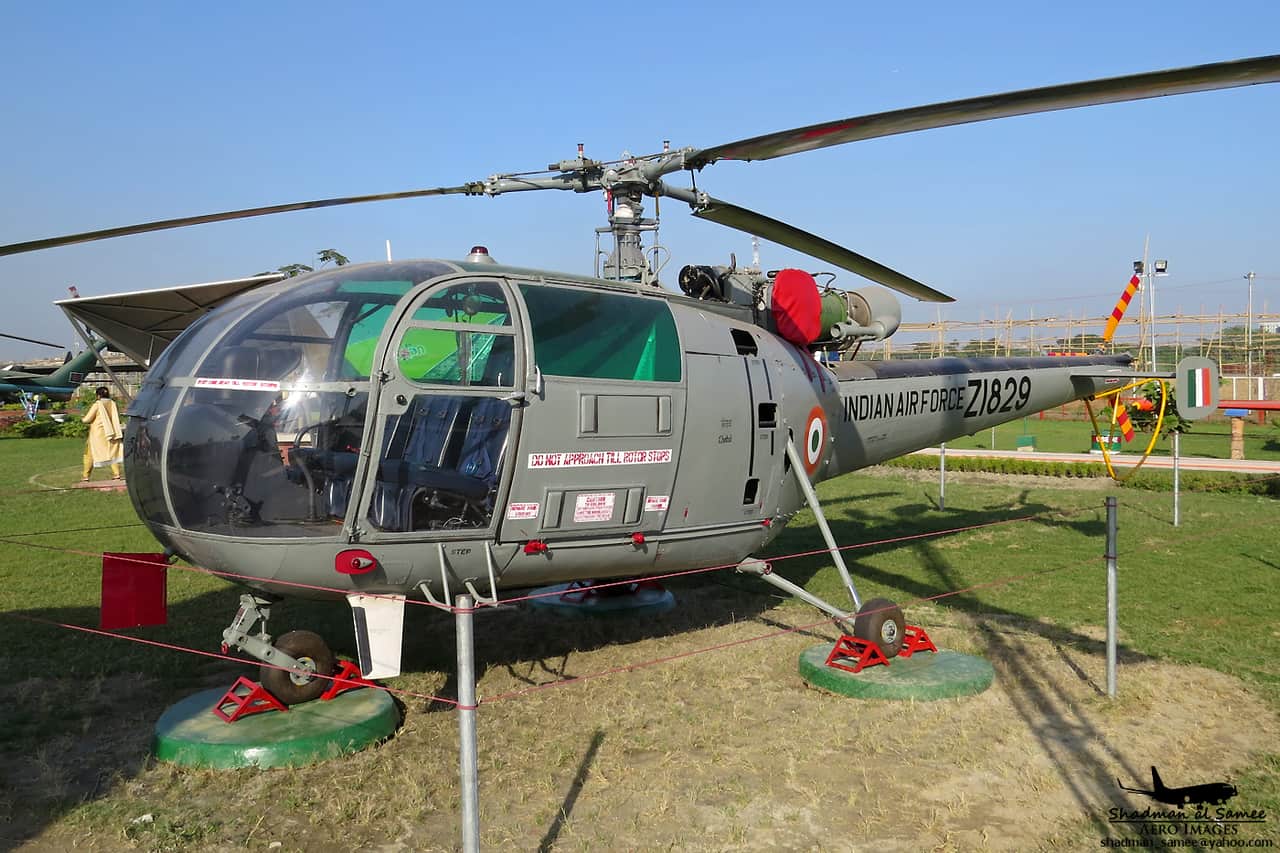

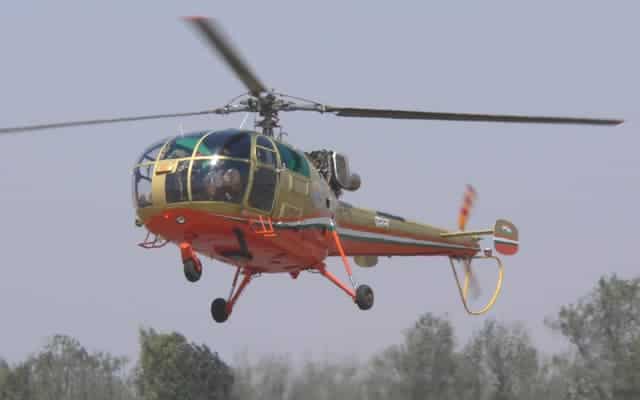

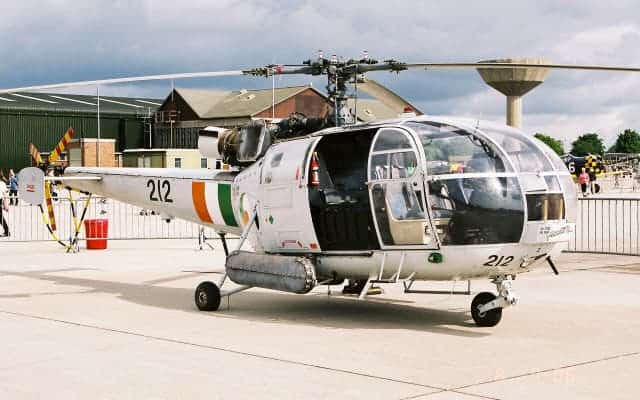
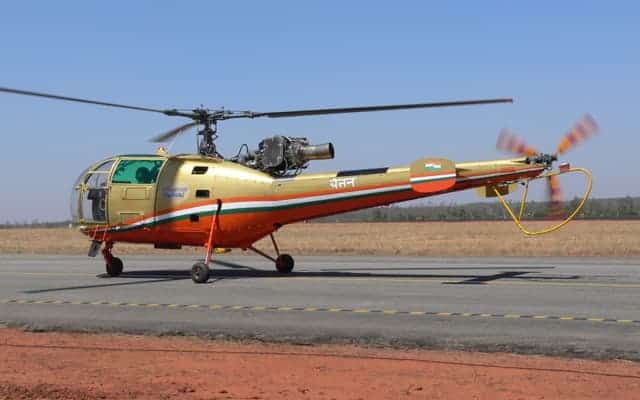
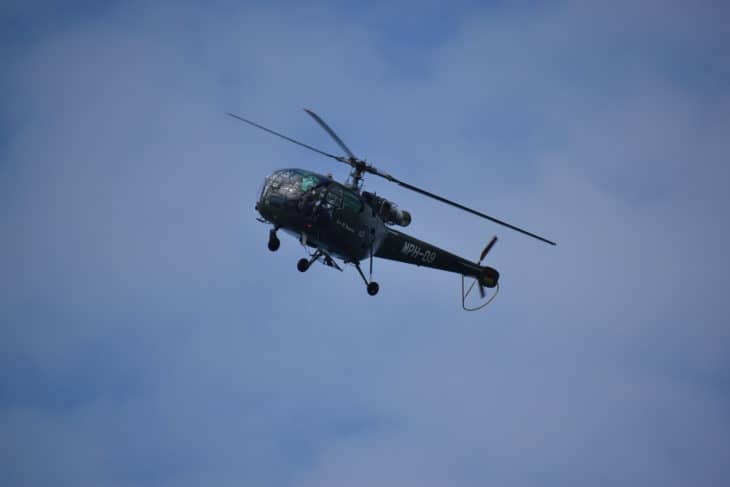
The Chetak was produced by Hindustan Aeronautics Limited beginning in the 1960s under license from Aérospatiale. Based on the Alouette III, it featured a simple and robust design suited to varied climates and altitudes. The helicopter entered widespread Indian service and remained in production for decades.
Powered by a Turbomeca Artouste turboshaft engine delivering approximately 550 shaft horsepower, the Chetak cruises at about 100 knots (185 km/h). Maximum takeoff weight is roughly 4,850 pounds (2,200 kg). The helicopter typically carries up to six occupants including the pilot.
The Chetak has been used for training, search and rescue, casualty evacuation, and naval utility missions. Its ability to operate in high-altitude Himalayan regions demonstrated its ruggedness. Although gradually replaced by newer designs, it remains an important chapter in India’s aviation development.
Sources and references used for research and fact-checking.
.jpg)