Military Propellor Planes
Douglas A-1 Skyraider
ICAO: A1
The Slow-But-Deadly Scout-Bomber-Douglas
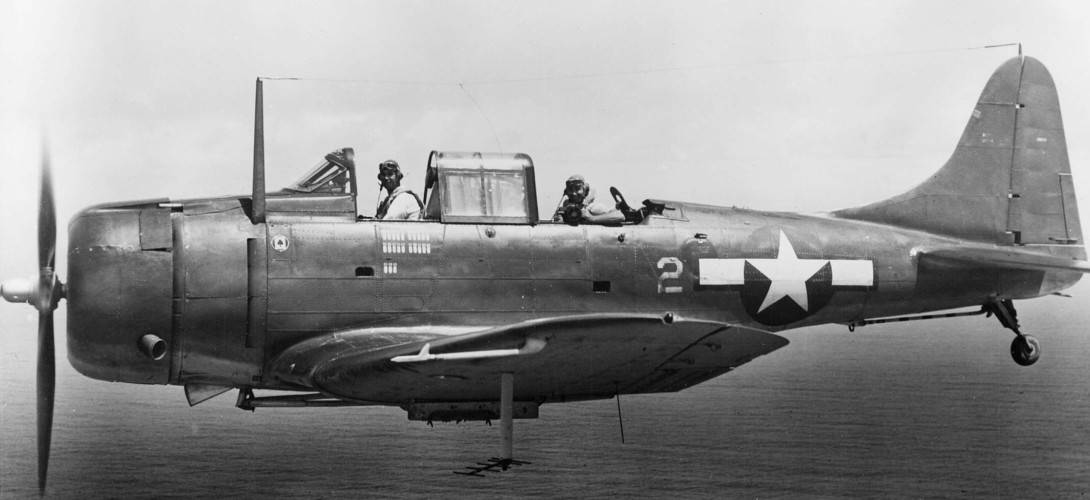
The Scout Bomber Douglas is the naval scout plane and dive bomber well known for bombing the Japanese carriers at the Battle of Midway in June 1942. Marines nicknamed the plane Slow But Deadly. Being designed as a scout plane, it had good long range capabilities.
Live Fleet Activity (SBD)
Fetching live data…
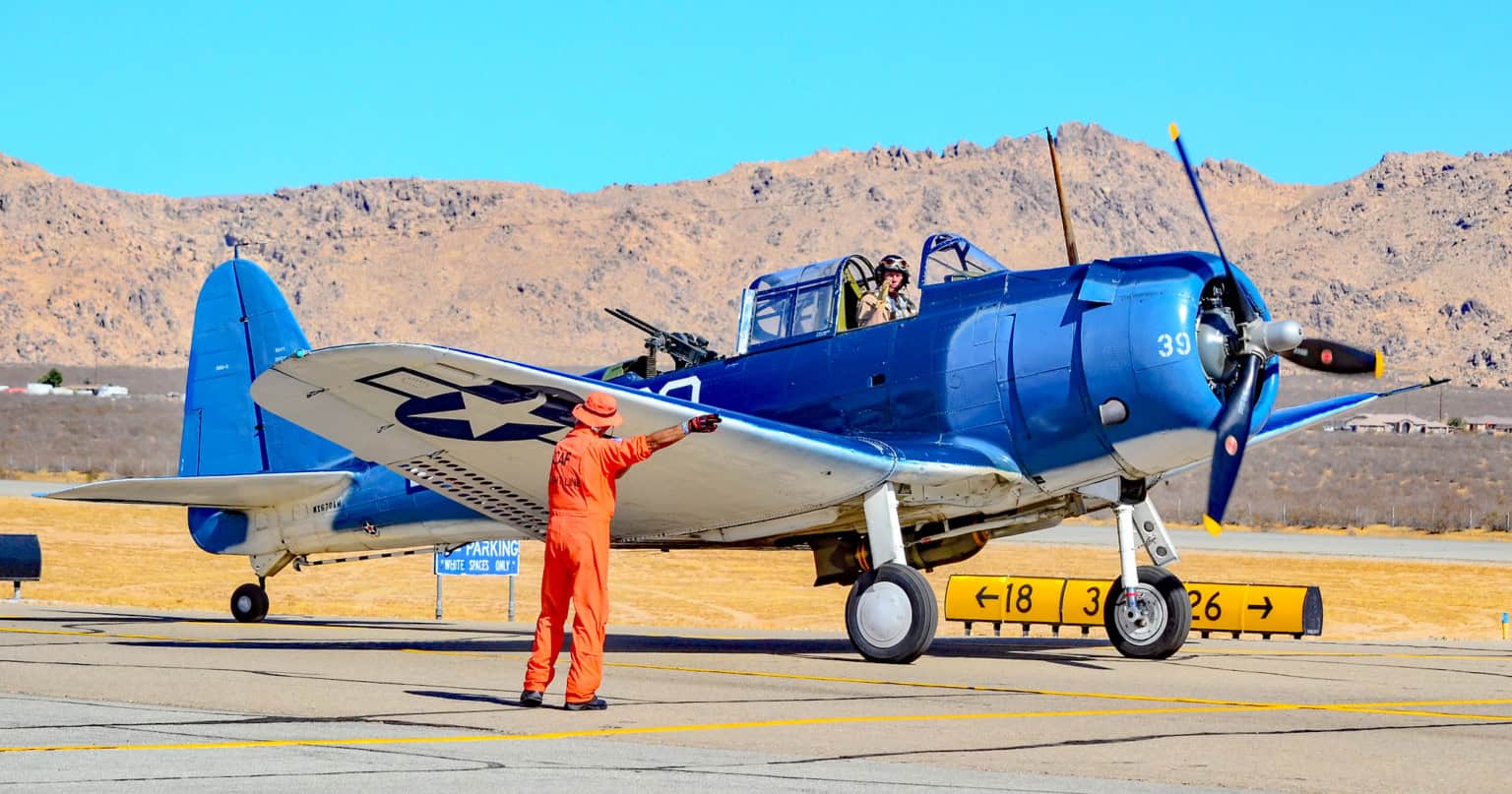

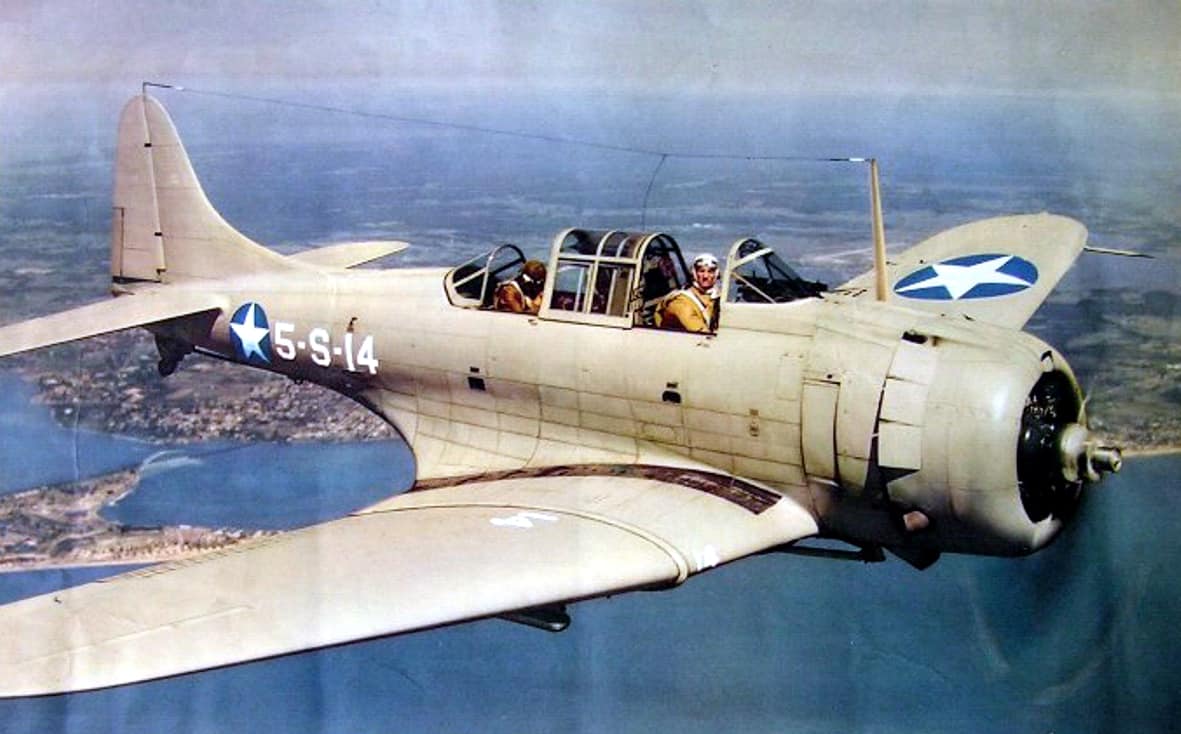


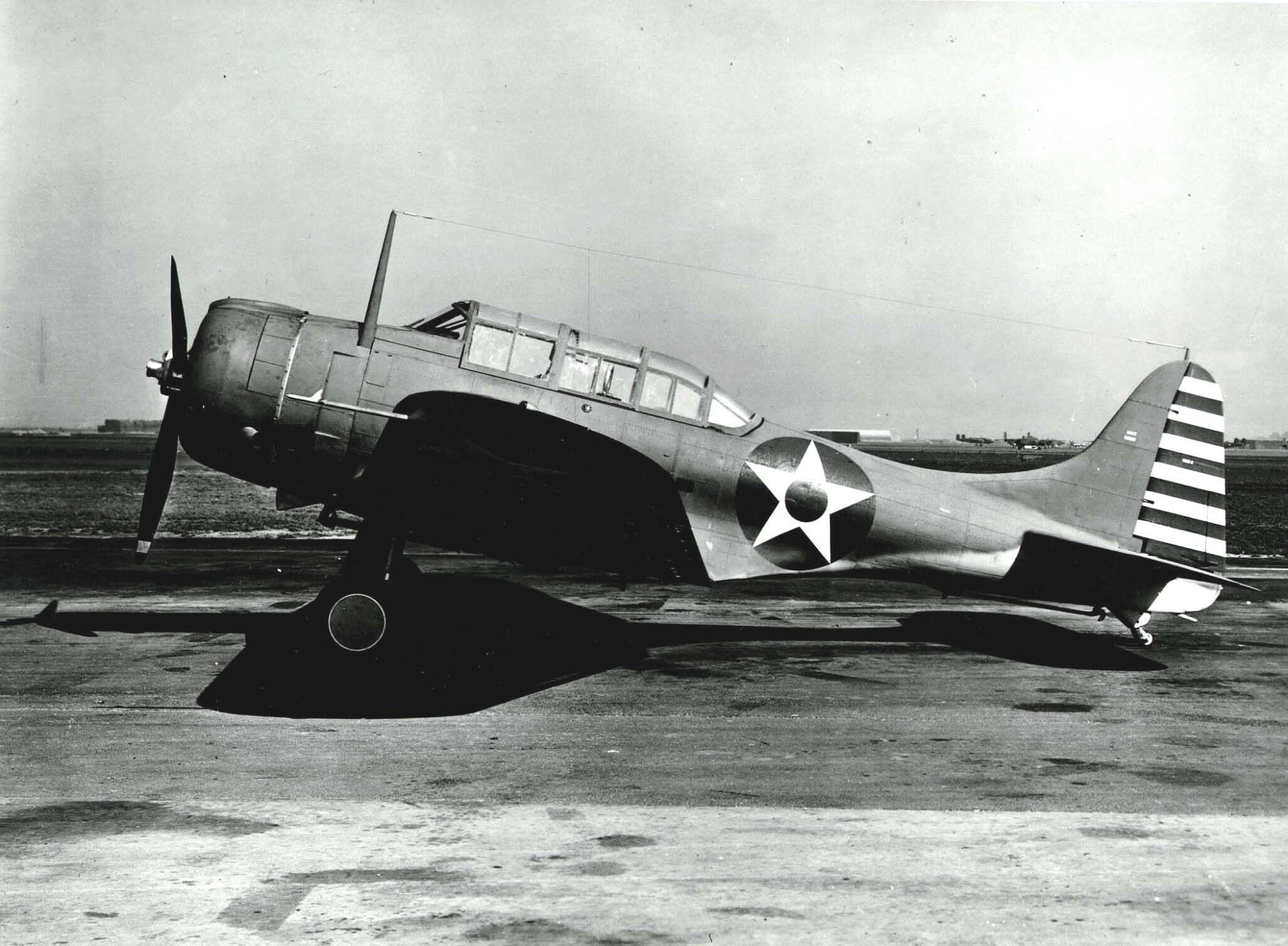

In 1997, the Douglas SBD Dauntless returned to fly in the patterns of more copious naval variants, the SBD. The same year, it got Reserve Grand Champion at Oshkosh and earned the “Golden Wrench” medal for its perfect restoration.
The Douglas SBD Dauntless was considered as the main cog in the US Navy war effort all through the Pacific during WW2. Even if this is the masterpiece during the 1930s, this aircraft continued to persevere even as more cutting-edge fight planes were developed by US industries as the war proceeded. Regardless of its appearance and classification, this aircraft could more than manage its own in contrast to the careless armored Japanese warriors.
This aircraft had a good handling characteristic, long-range, potent bomb load capacity, reliable maneuverability, defensive armament, excellent diving characteristics, and ruggedness. Its two rear flexible-based and front-firing machine guns were effective against the nonchalantly-built Japanese rebels.
The design was traditional, with a huge radial engine attached to the extreme front part of the fuselage. Its glazed arena could occupy at least two personnel, usually the pilot and a gunner. The rear cockpit confined a trainable firearm spot and played a crucial defensive role in the subsistence of the crews. The pilot acts as the manned fixed-forward gun system as well and the bombardier.
The wings of the Douglas SBD Dauntless were low-wing types located under the fuselage. They highlighted the noticeably huge pricked dive flaps so reliable with the sequences. The empennage, on the other hand, was a customary assembly with a sole vertical tail area.
The Douglas SBD Dauntless has several variants. One of these is the XBT-2, popularly known as the prototype and modified as the XSBD-1. Another variant is the SBD-1. This is a Marine Corps type with no self-sealing energy tank. Other variants include SBD-1P, SBD-2, SBD-2P, SBD-3, SBD-4, SBD-4P, SBD-5, and a lot more.
The Douglas SBD Dauntless played a huge role in the 6-month long Guadalcanal movement. They were fatal to Japanese vessels that failed to unblemished the slot by daytime. Losses caused, including the carrier named Ryugo as it sunk near the Solomon Islands. The other three carriers were also damaged.
In 1943, the US Navy pilot of SBD-5 initiated a minor right-hand turn and installed dive brakes in preparation for an explosive run. But, this aircraft was stuck by the next VB-10 SBD-5, which have not deployed a dive brake. Two aircraft were crashed, and a bomb bumped loose in the middle of a group of detonated and marines. This incident happened during a joint US Marine, and US Navy simulated close air support application in Hawaii.