


Passenger Turbo Props
Vultee V-1
ICAO: V1
The 19-seat turboprop built for small community air service.
The latest aviation news and stories sent to your inbox.
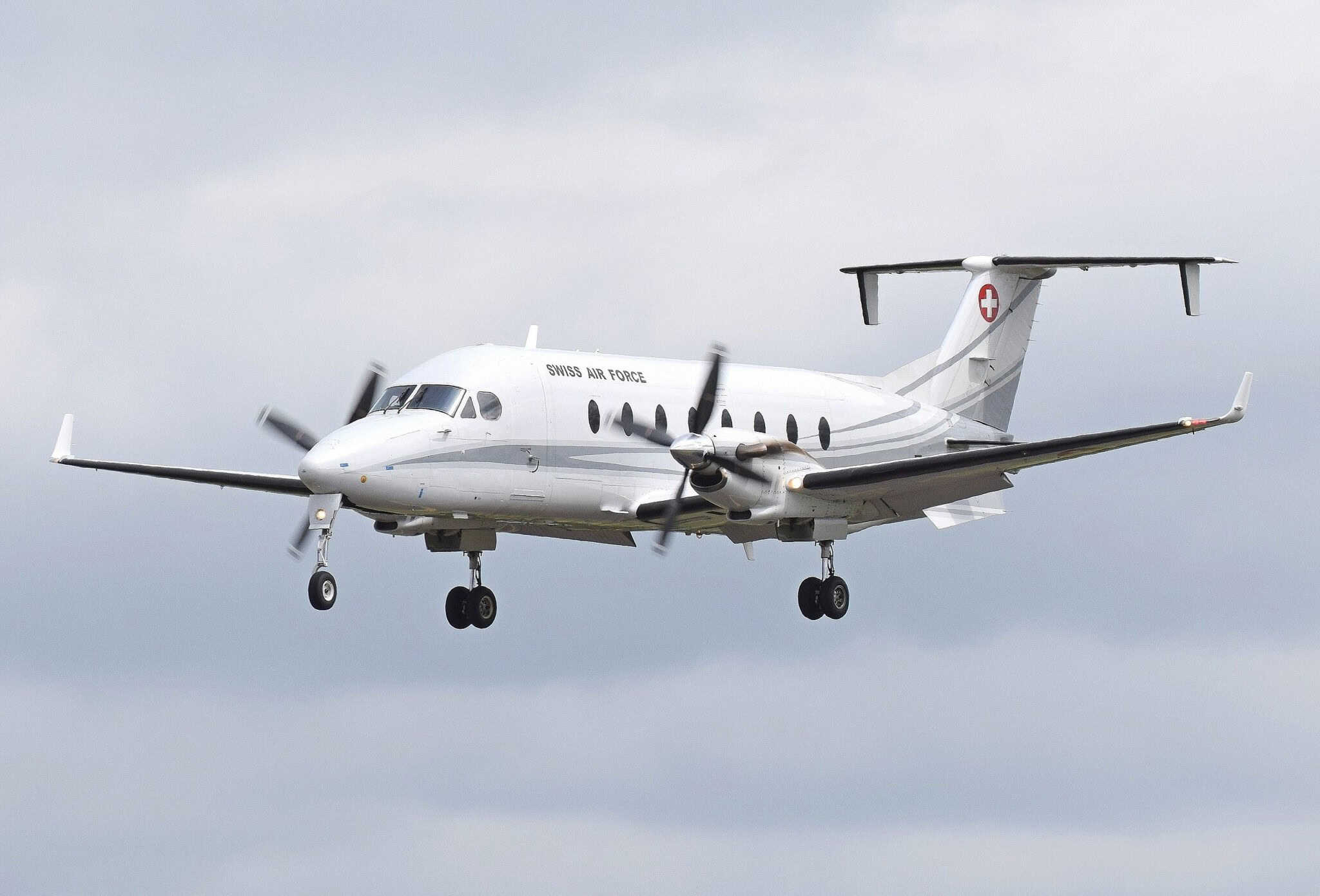
The Beechcraft 1900 is a twin-engine turboprop regional airliner designed for short-haul operations. Developed from the Beechcraft King Air family, it became a mainstay of commuter airlines. The aircraft emphasized durability and operational flexibility.
Live Fleet Activity (B190)
Fetching live data…

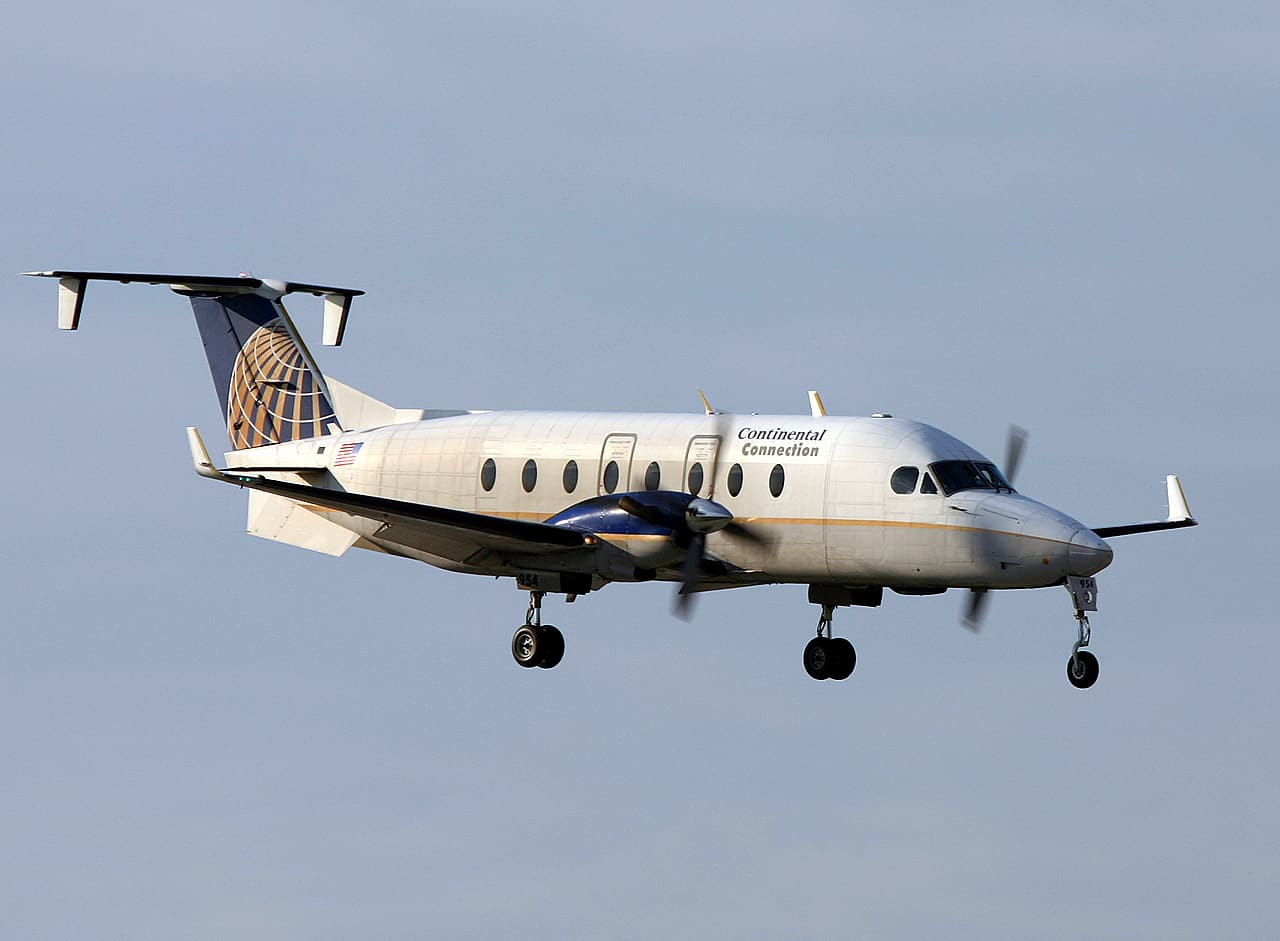
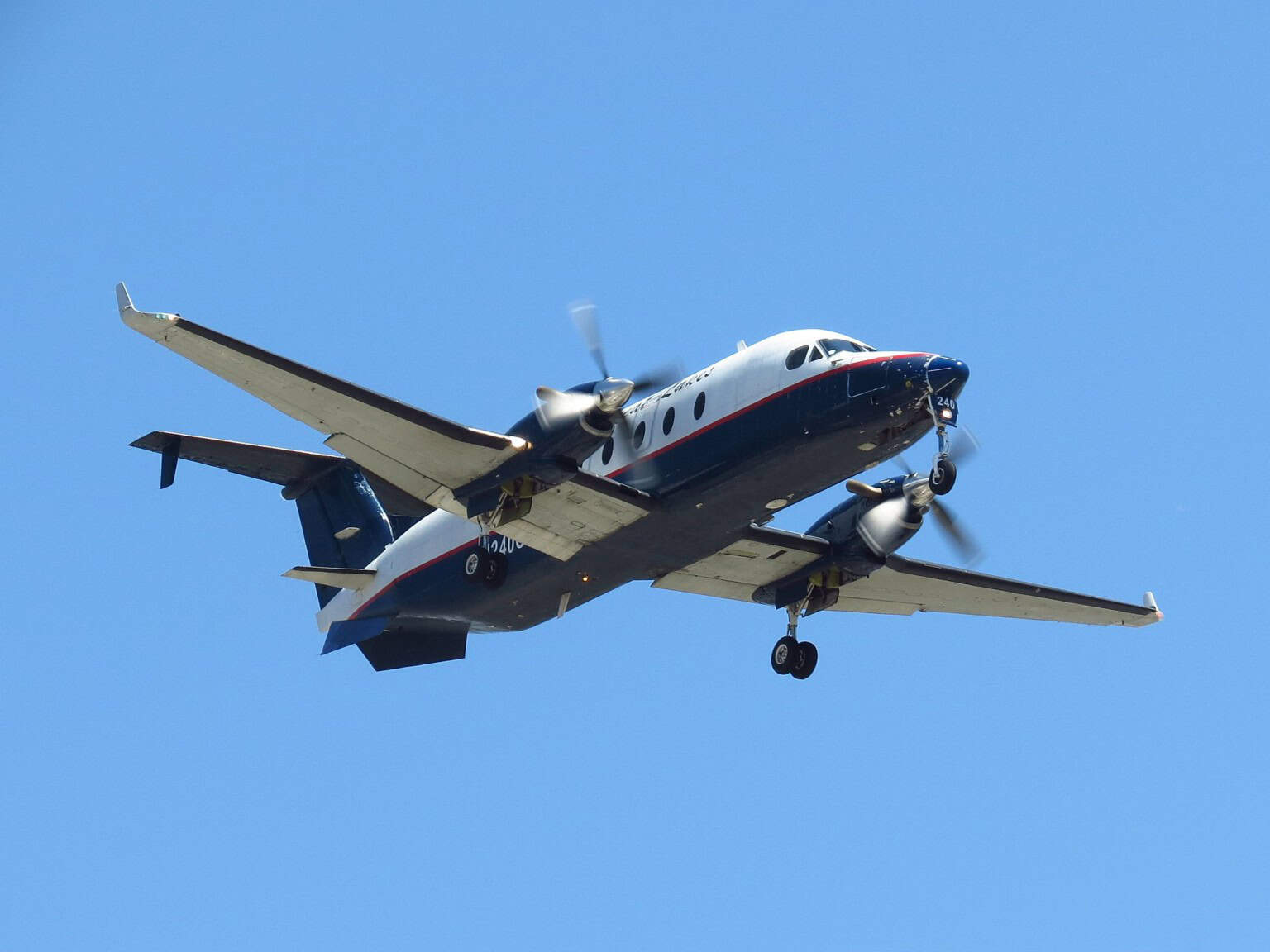


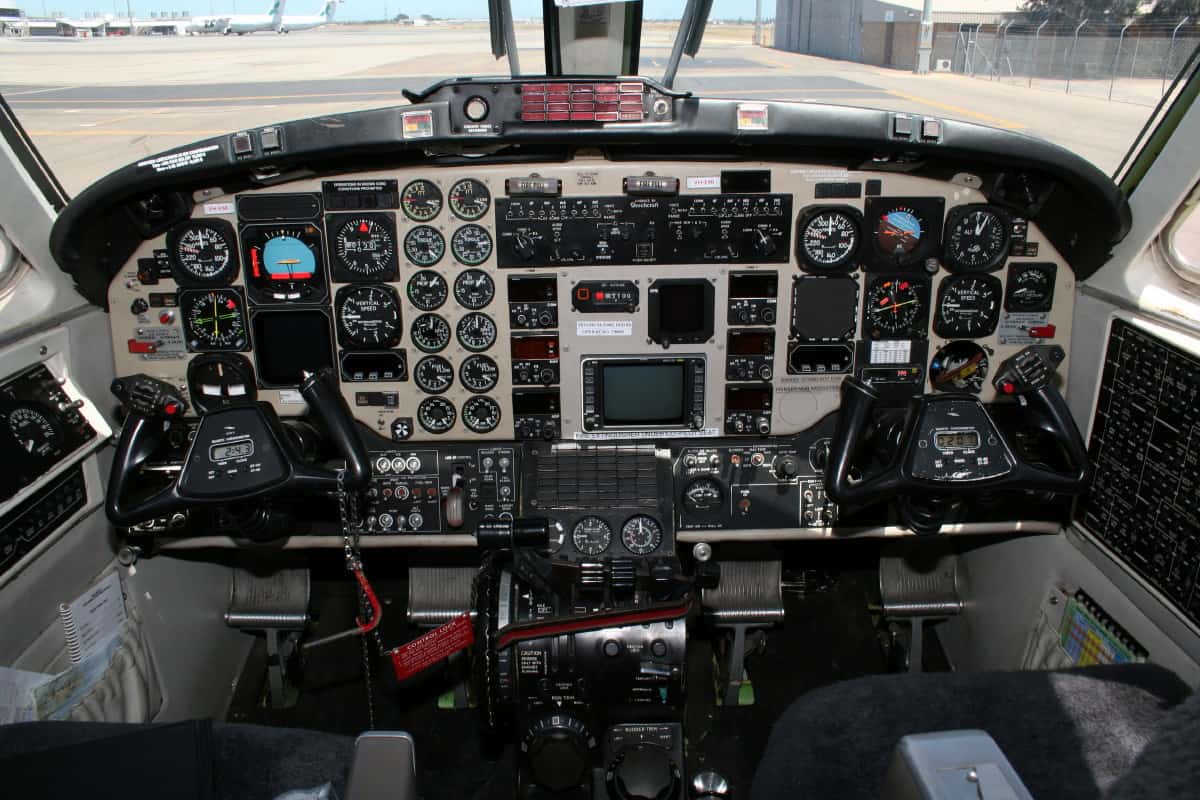

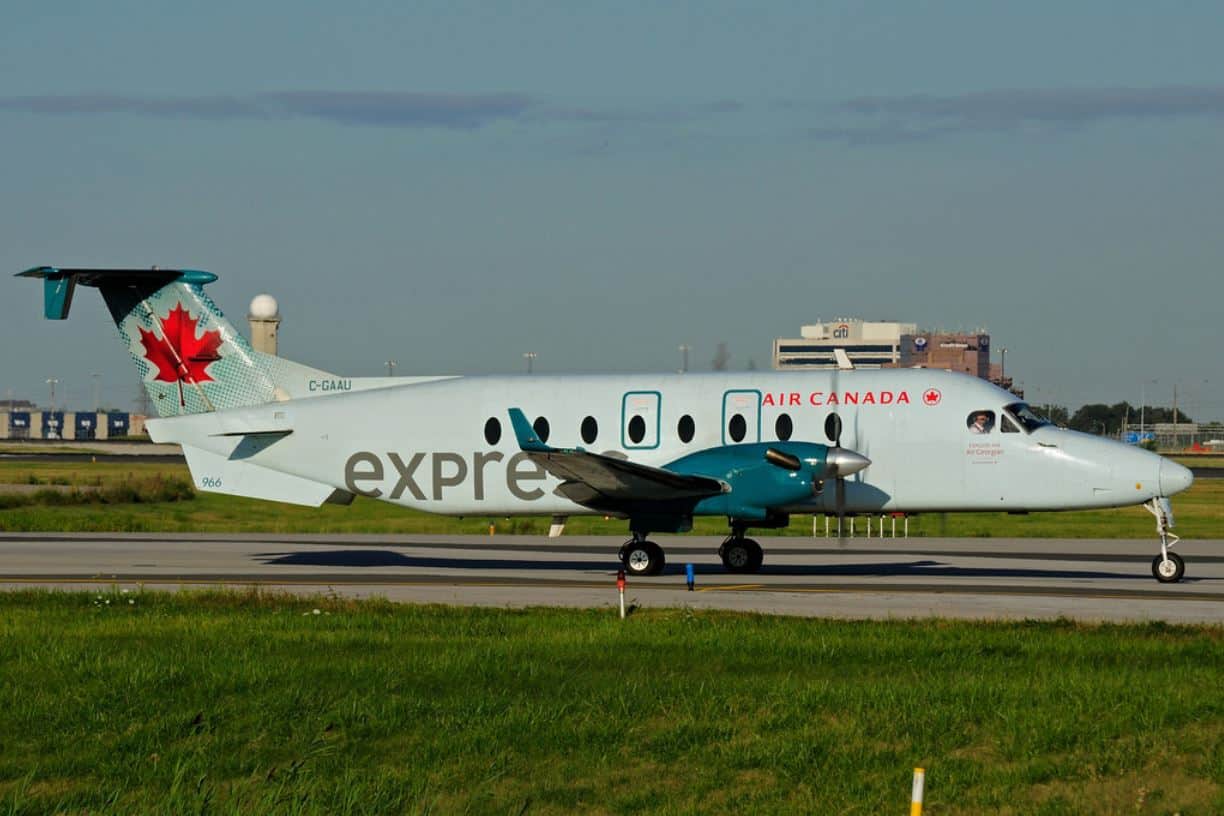

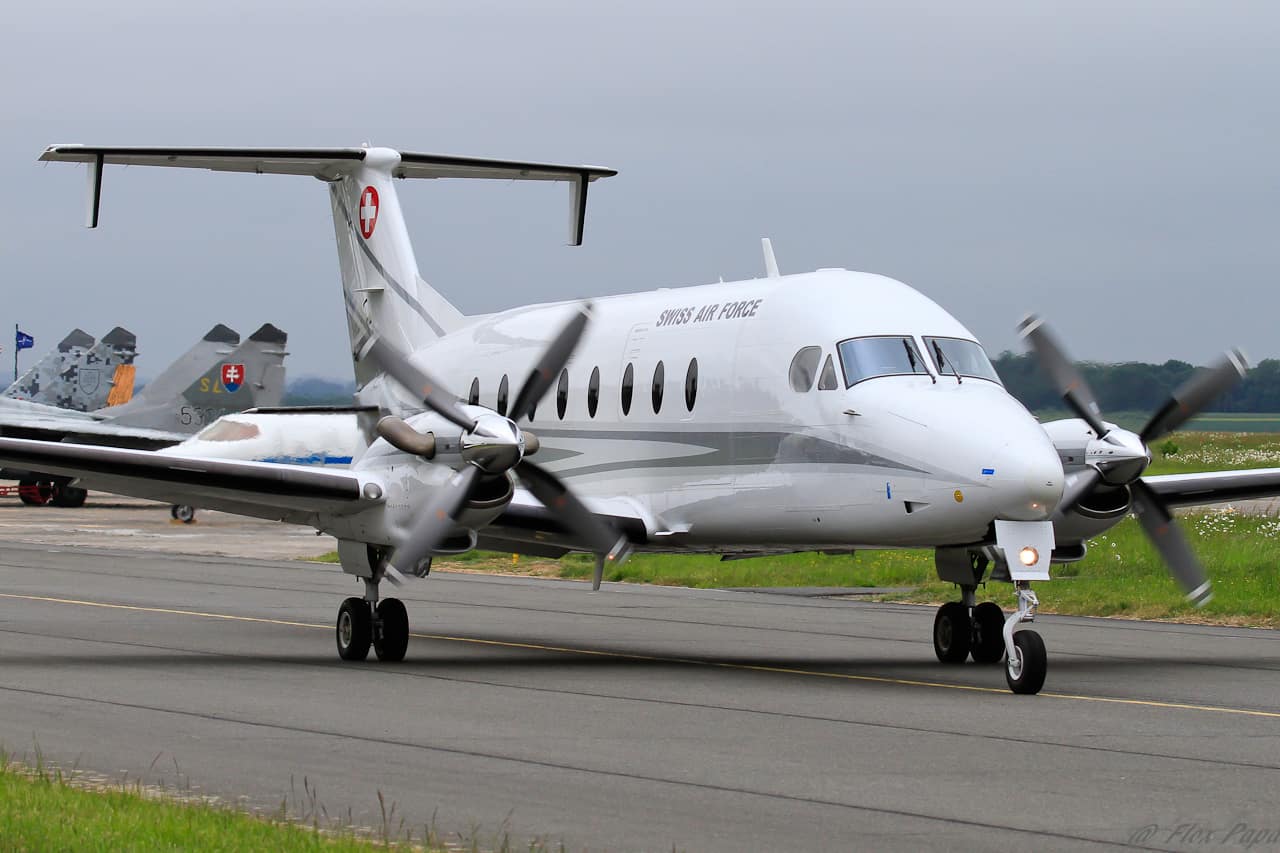
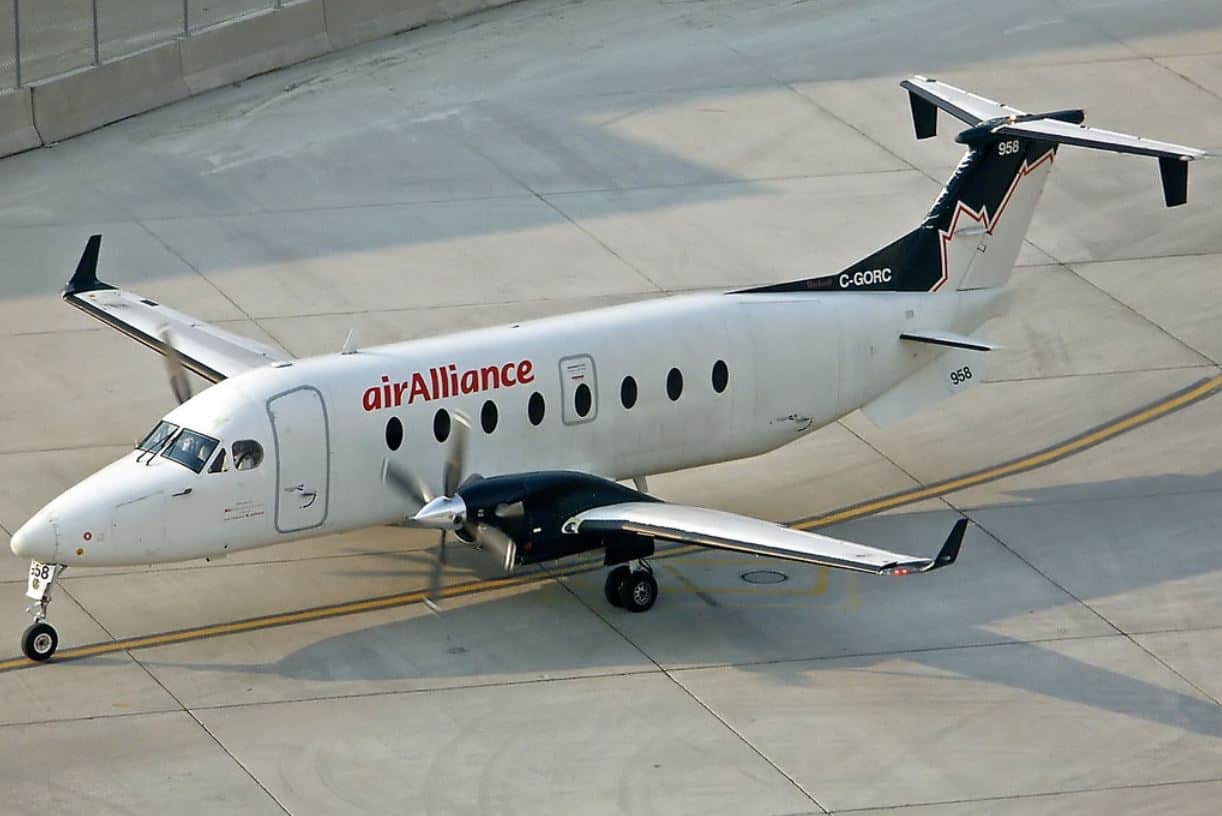
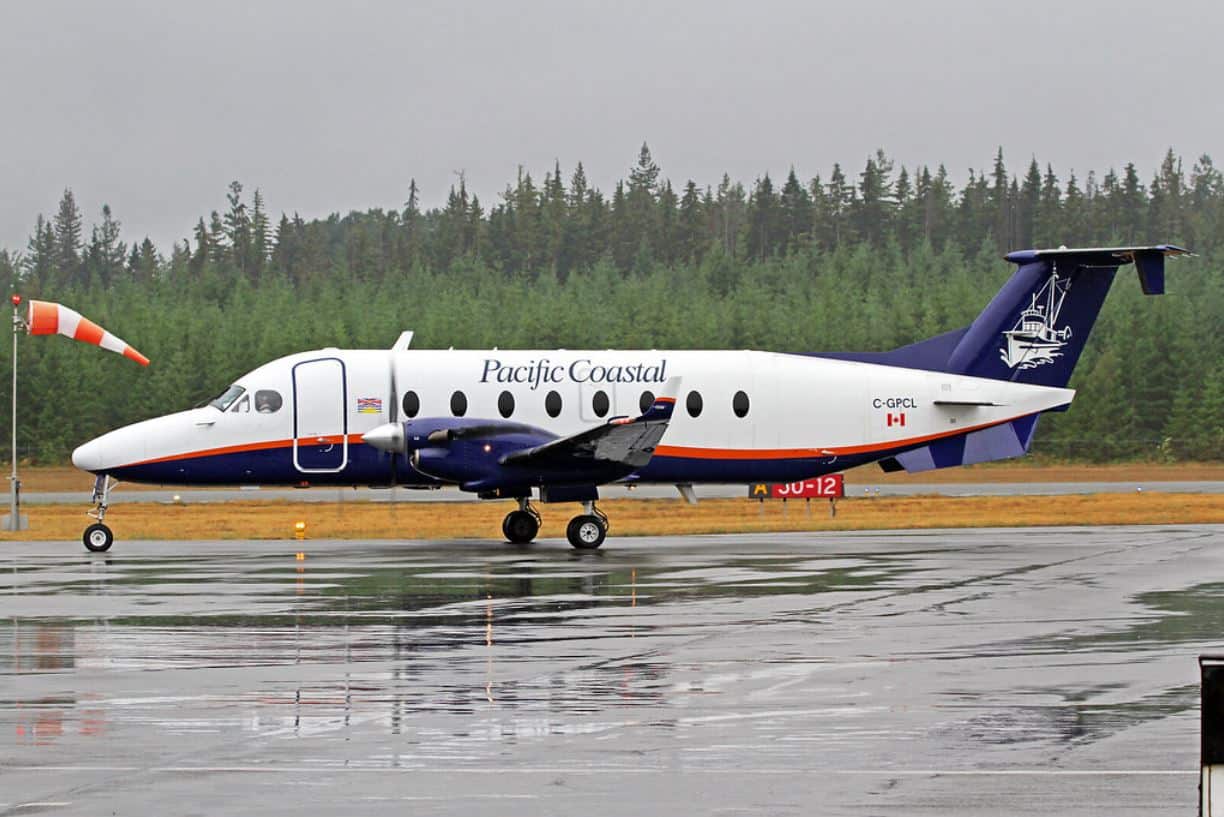

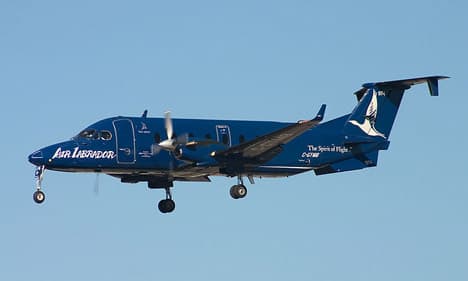
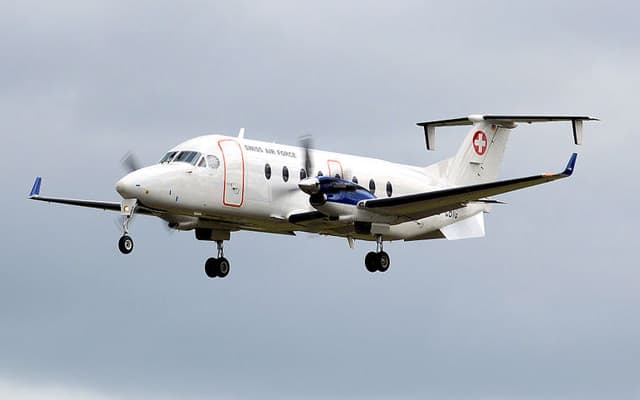

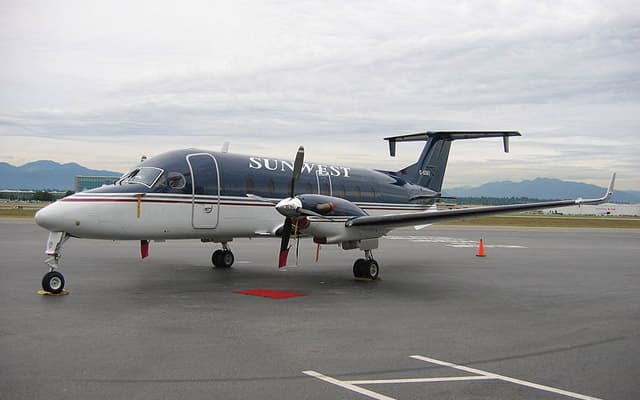
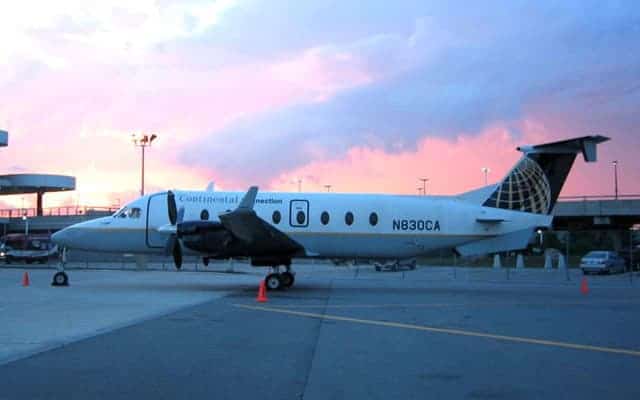
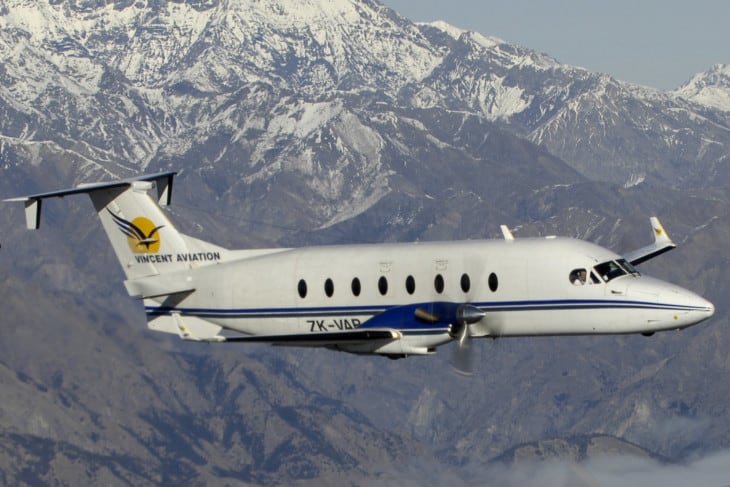
The Beechcraft 1900 first flew in 1982 and entered service shortly thereafter. It was designed to meet regulatory requirements that limited aircraft to 19 passenger seats in certain markets. The aircraft retained the King Air’s basic wing and engine configuration with a stretched fuselage.
Powered by two Pratt & Whitney Canada PT6A turboprop engines producing approximately 1,100 shaft horsepower each, the 1900 cruises at around 280 knots (520 km/h). Maximum takeoff weight is roughly 17,000 pounds (7,710 kg). The 1900D variant introduced a stand-up cabin.
The aircraft became popular with commuter carriers in North America and elsewhere. Its rugged design allowed operations from smaller airports with limited infrastructure. Production ended in the early 2000s, but many remain active in passenger and cargo roles.
Sources and references used for research and fact-checking.
_of_the_Swiss_Air_Force_arrives_Fairford_7Jul2016_arp.jpg)