Mid Size Passenger Jets
Airbus A320neo
ICAO: A20N
A320-200 · A320-200 Prestige
The global workhorse that defined modern short haul travel
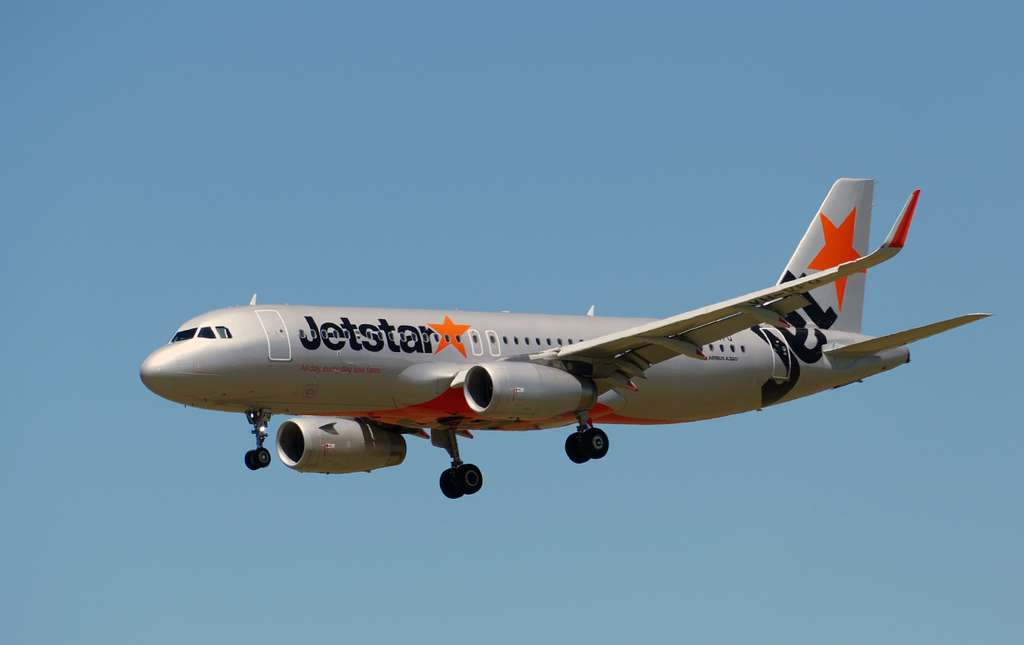
When airlines around the world needed a dependable and efficient short-haul jet, the Airbus A320-200 became the model they relied on. Known for its versatility and advanced flight controls, it helped reshape modern airline fleets and set new standards for safety, comfort, and operating efficiency.
Live Fleet Activity (A320)
Fetching live data…
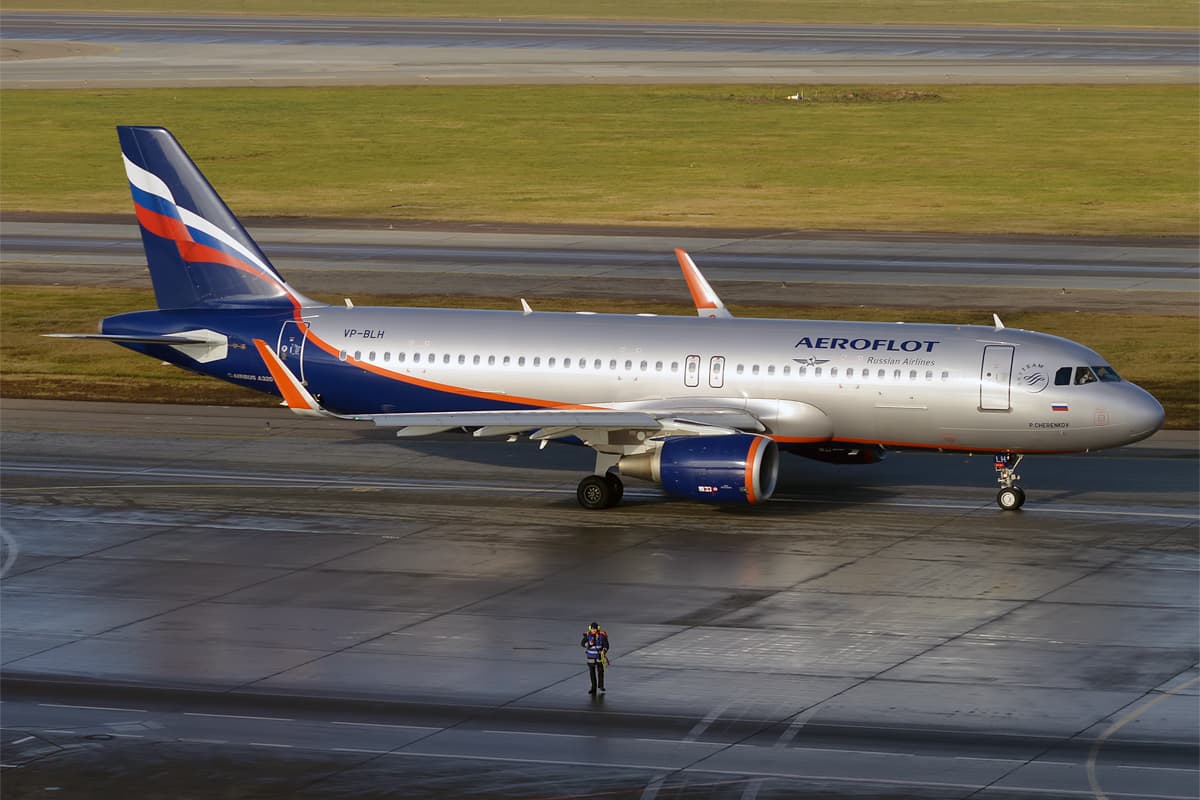
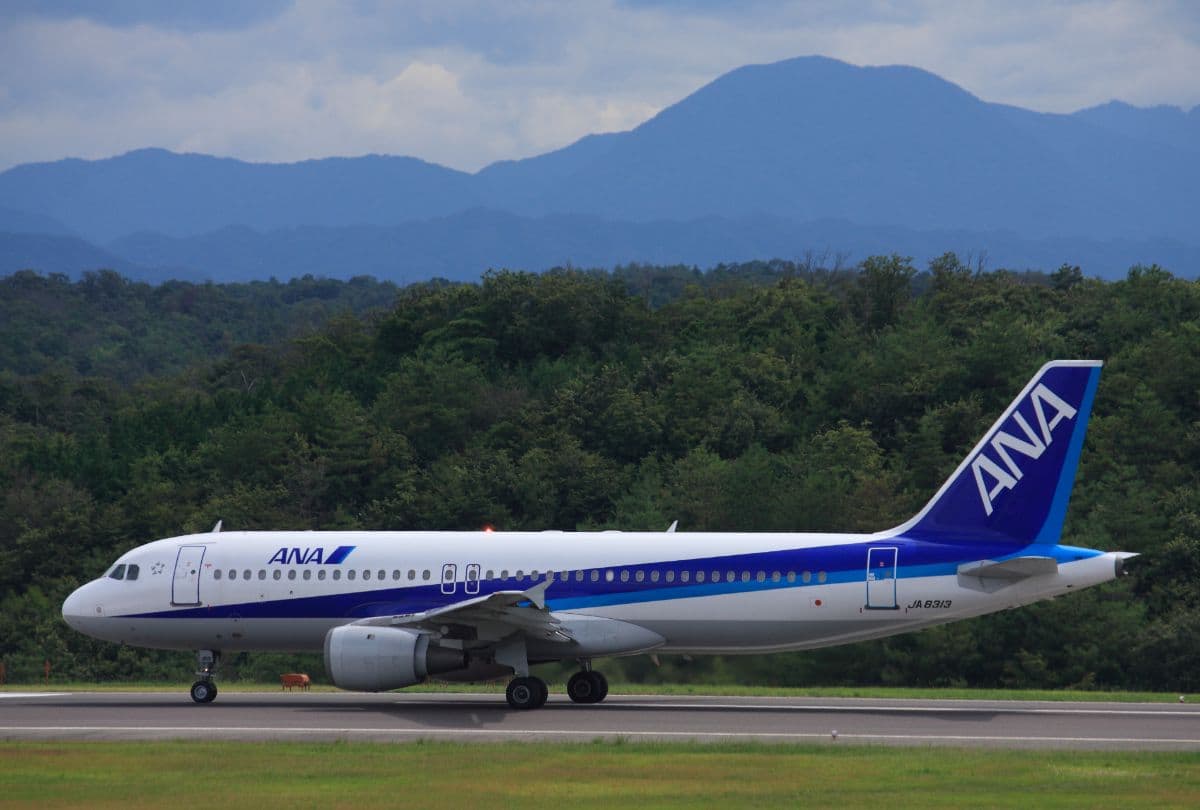
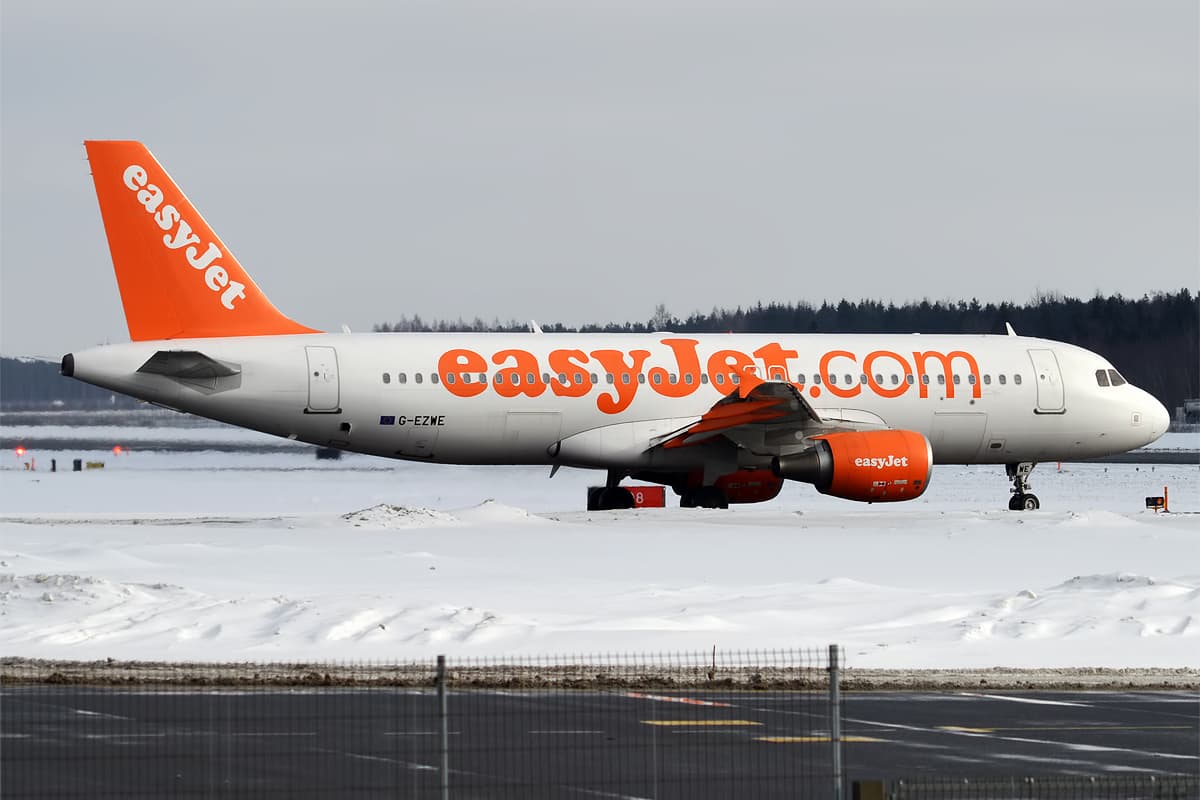

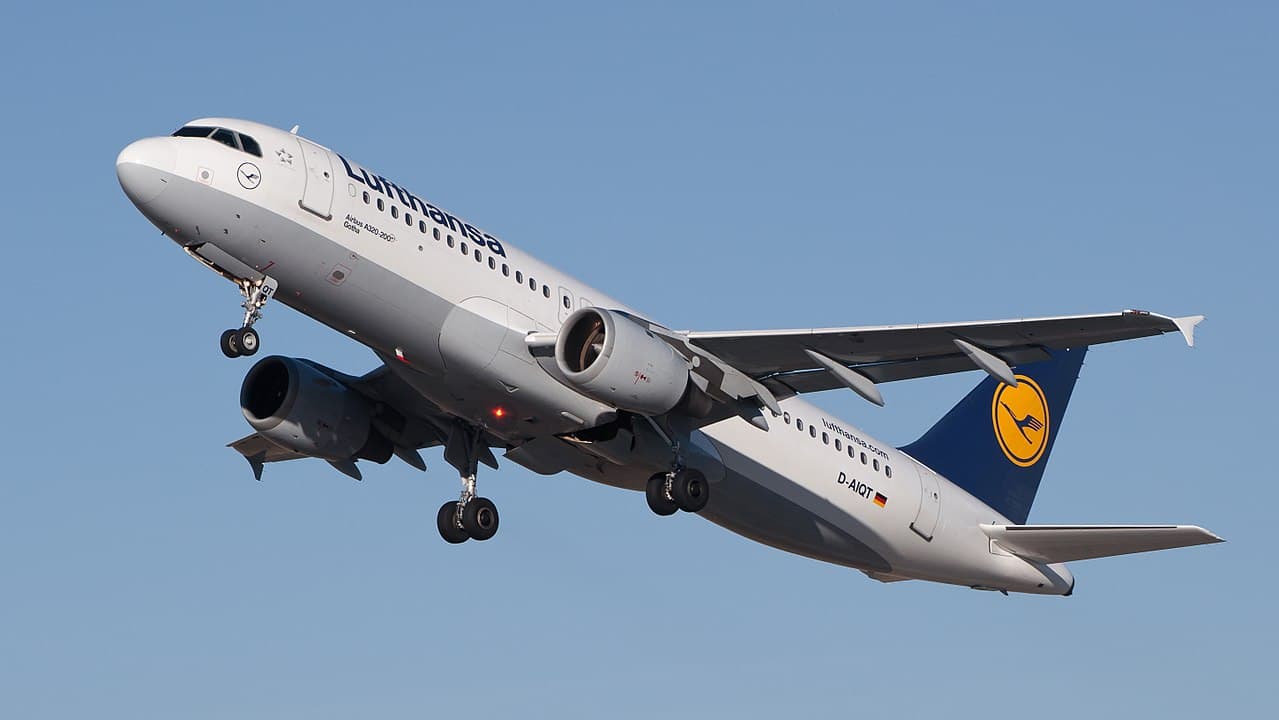
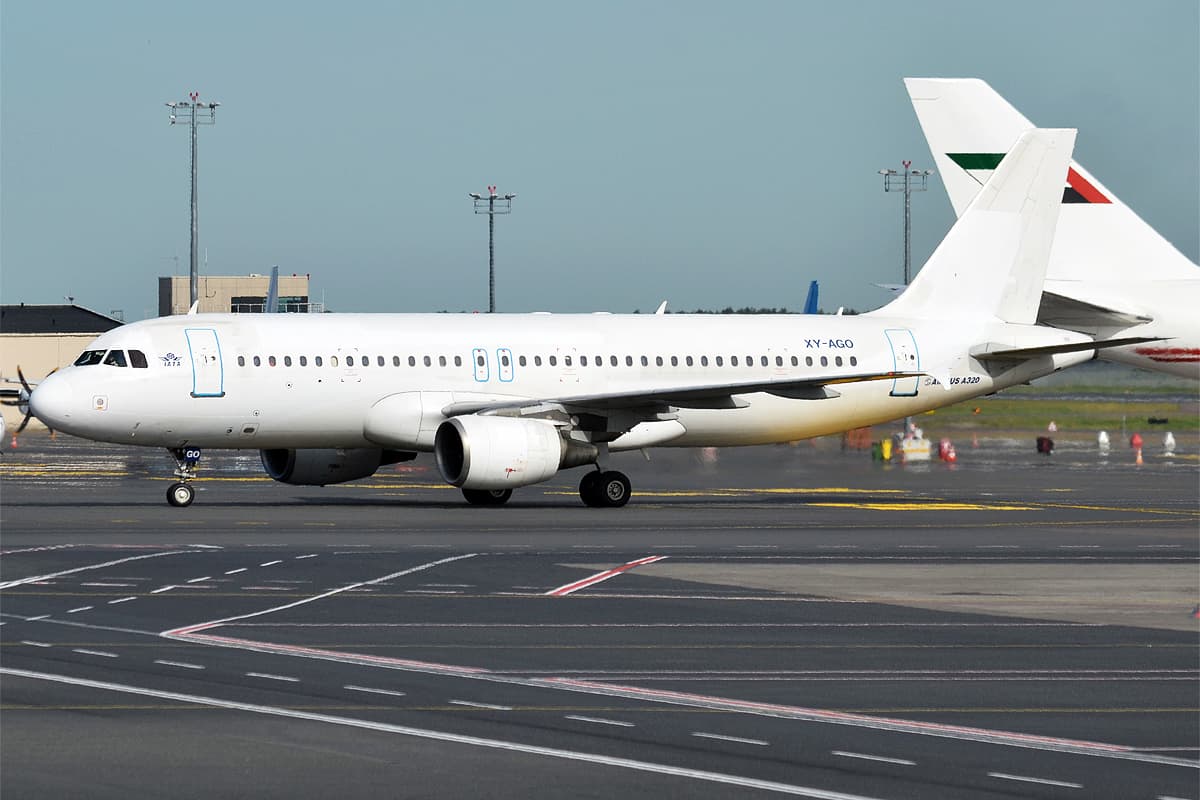


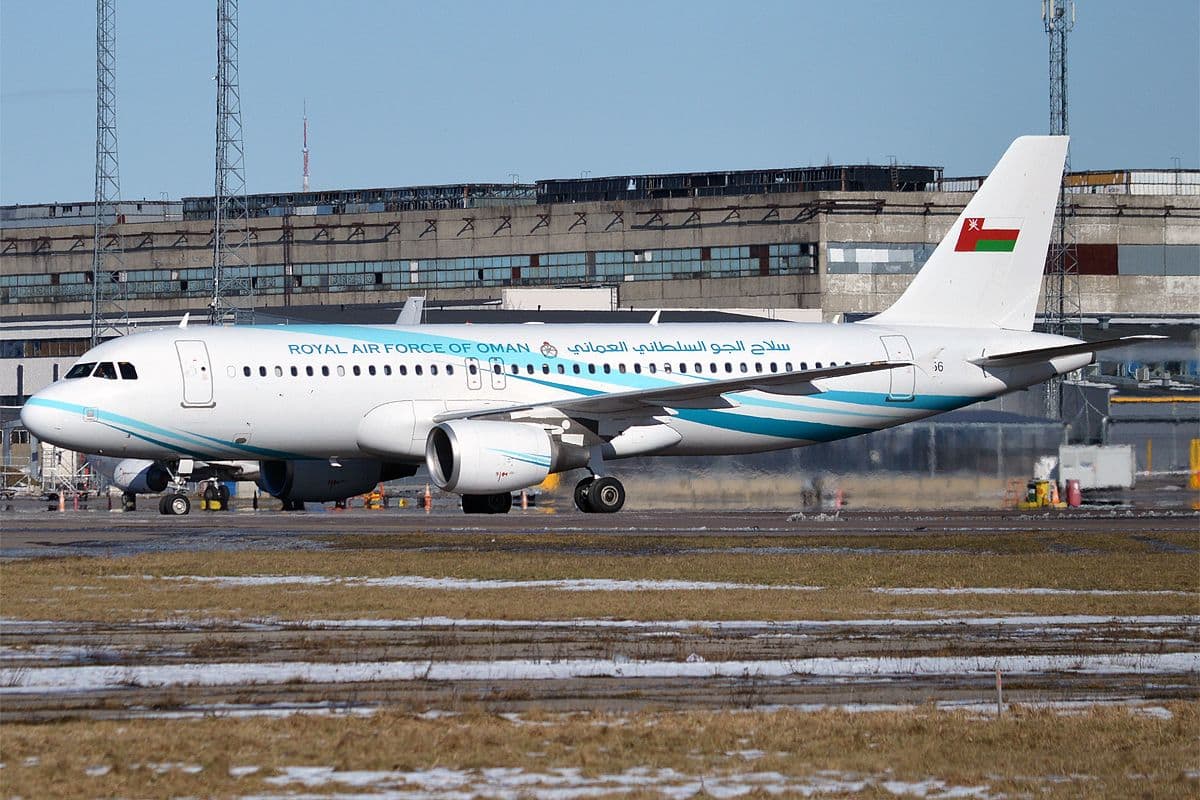


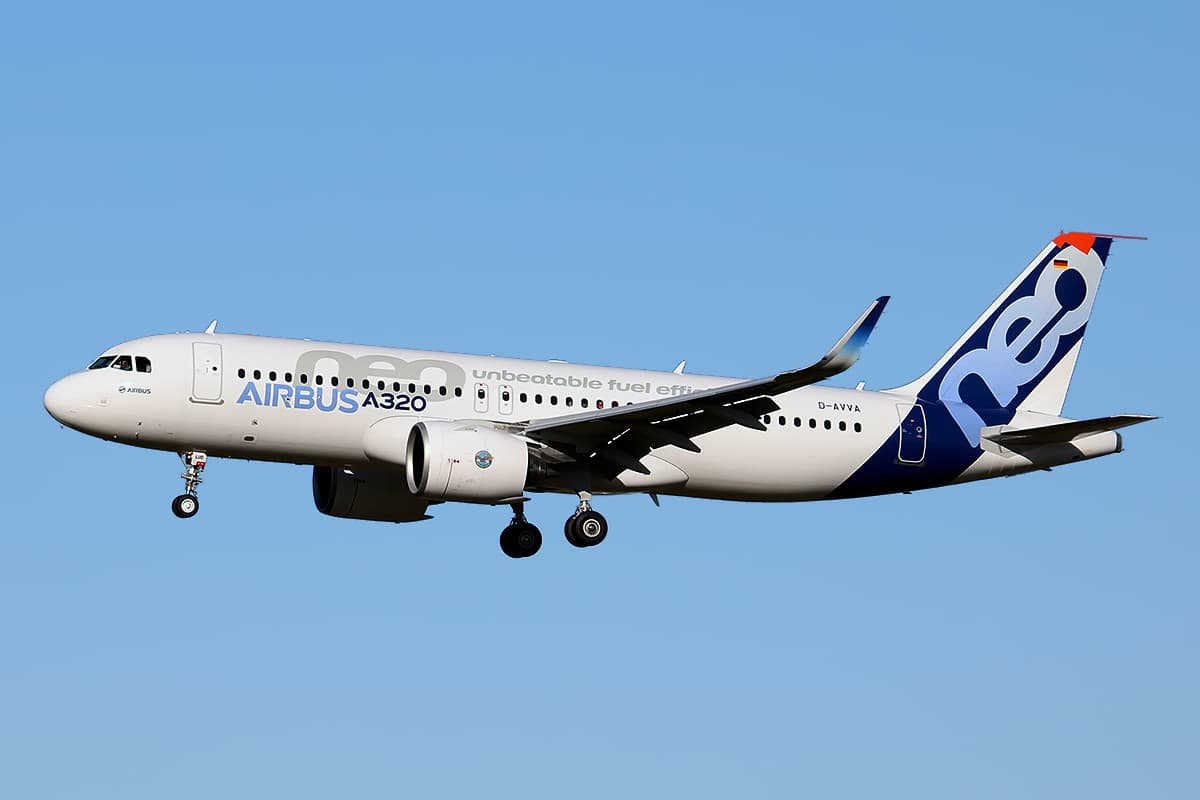
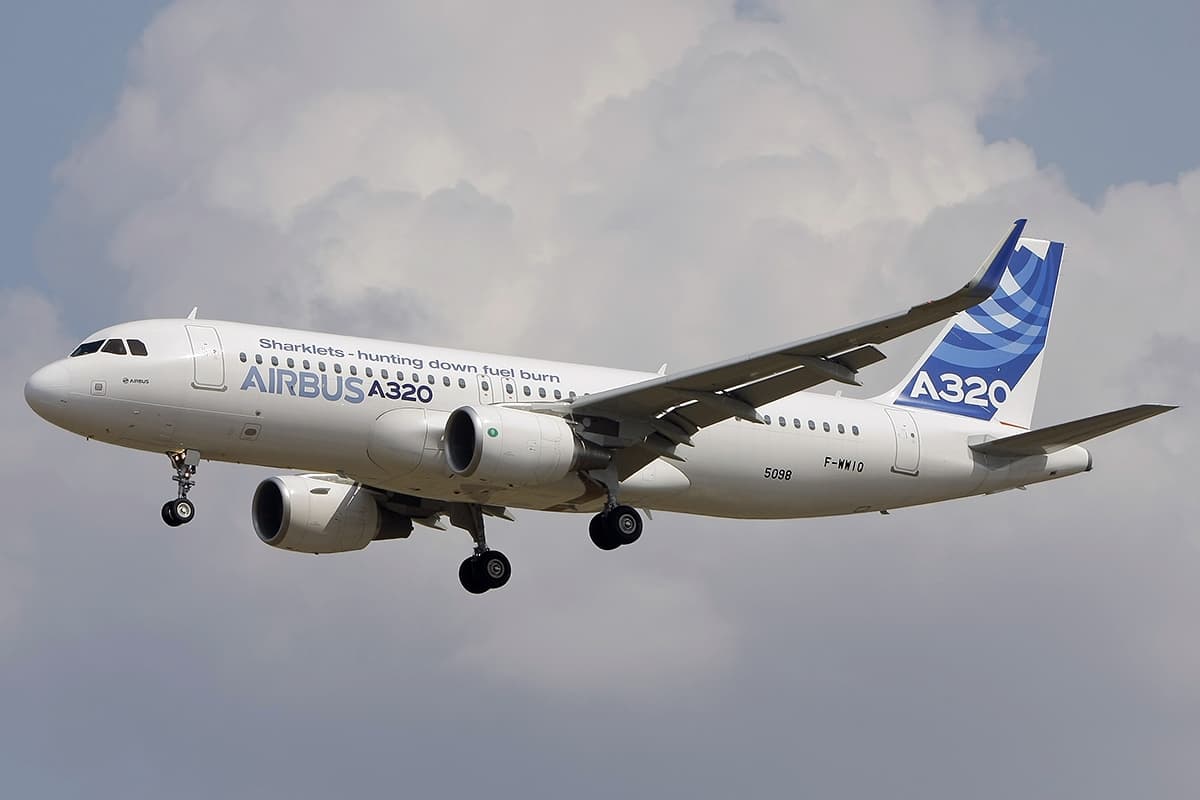
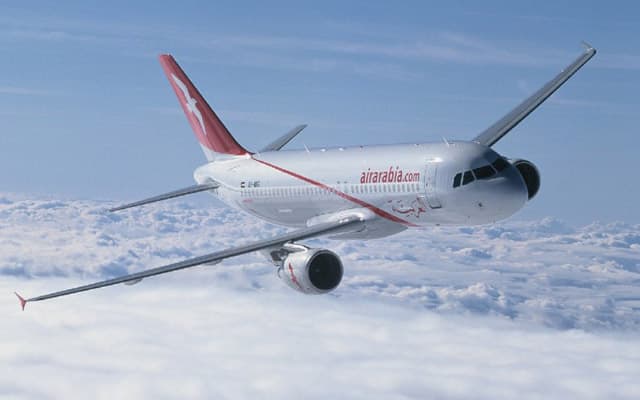
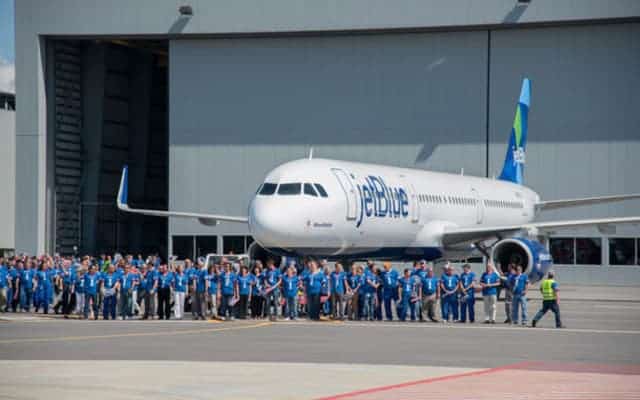


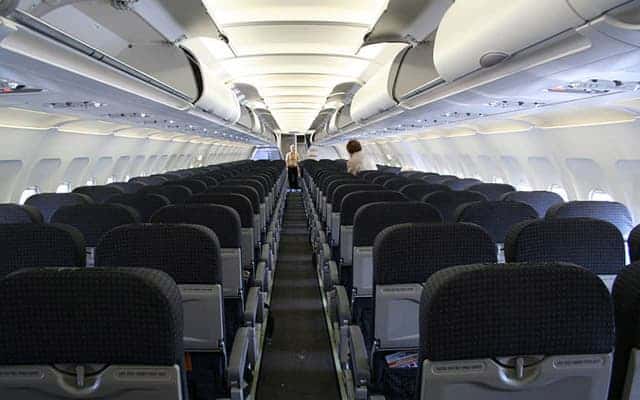

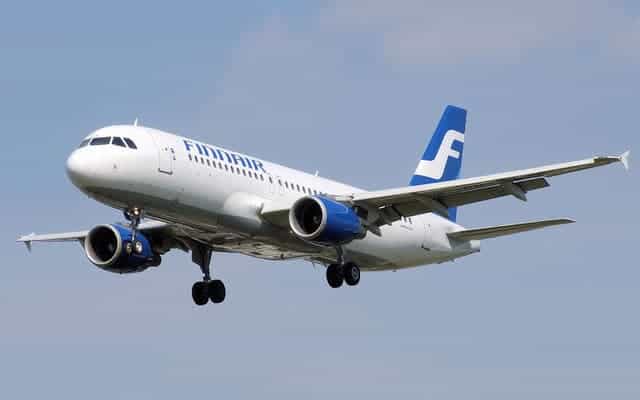
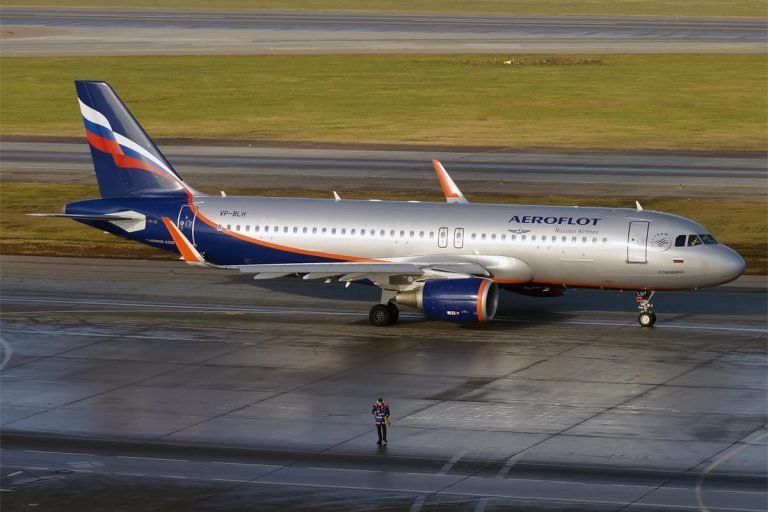
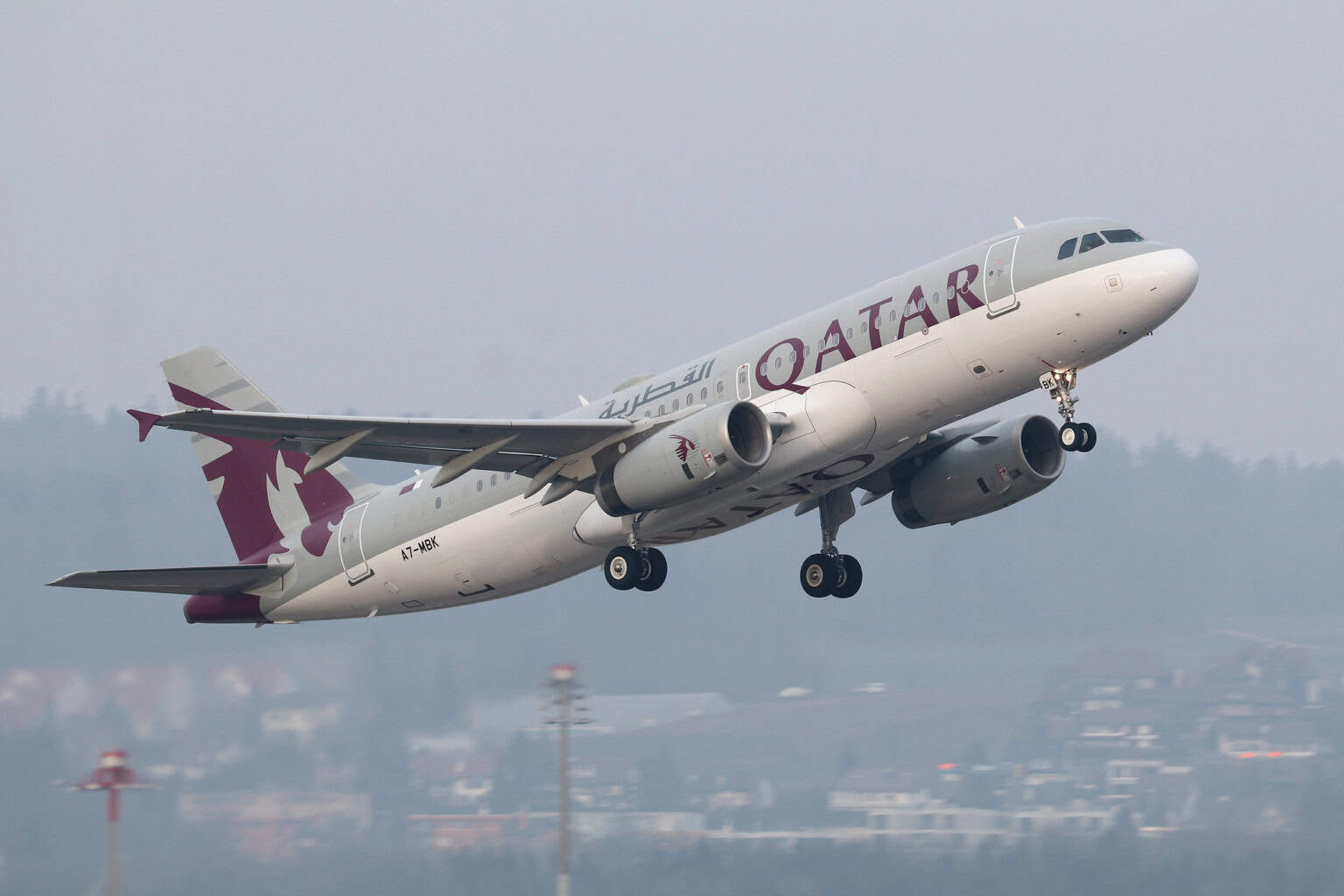


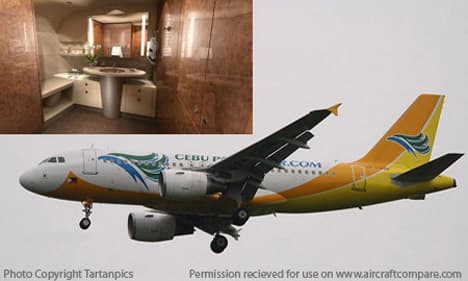
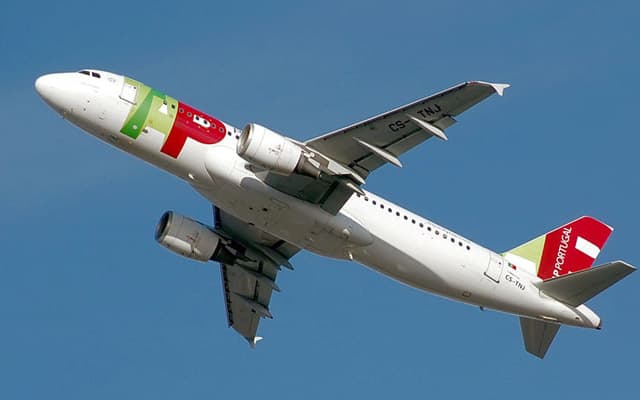

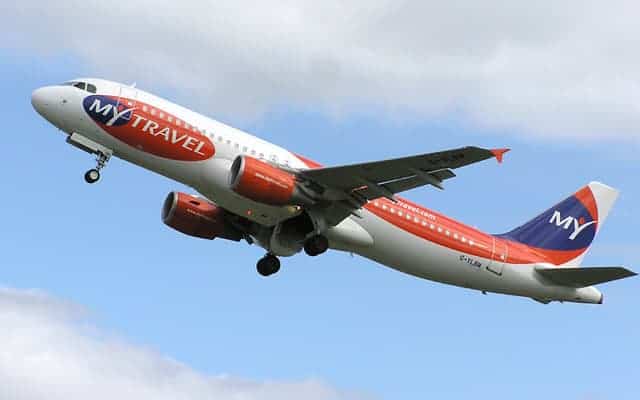

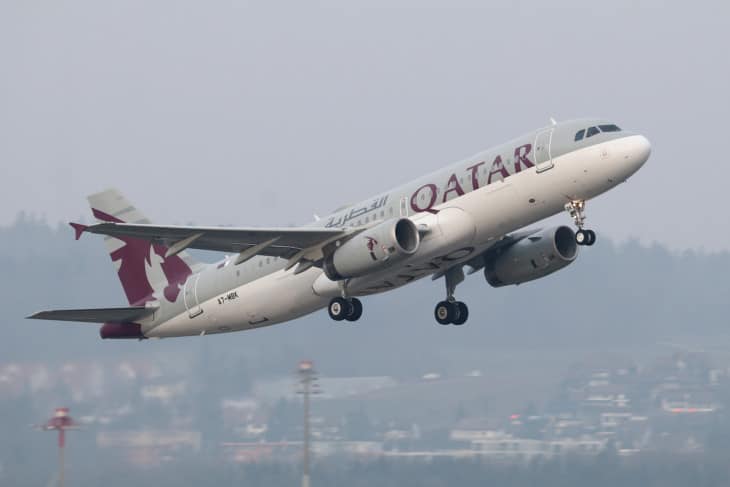
The Airbus A320-200 is the primary production version of the A320 series and one of the most influential commercial aircraft ever built. Introduced in the late 1980s as an improvement over the original A320-100, the -200 brought increased fuel capacity, higher takeoff weights, and stronger performance across a wider range of airline missions.
These changes made it suitable for both dense short routes and longer medium-haul operations. Development of the A320 began in the early 1980s, and the first A320-200 entered service in 1988 with Air France. It featured Airbus’s groundbreaking digital fly-by-wire control system, which replaced traditional mechanical linkages with computerized flight controls.
This technology improved safety and handling consistency while reducing pilot workload. Over time, it became a defining feature of Airbus commercial aircraft. The A320-200’s cabin layout remains one of its strongest selling points. Airlines can configure it efficiently for either all-economy service or mixed-class layouts.
Its wide single-aisle fuselage offers more shoulder space than many competitors in the same category, which has helped it maintain passenger appeal even after decades in service.
Powered by either CFM56 or IAE V2500 engines, the aircraft offers dependable performance with strong fuel economy for its generation. Its typical range sits between 3,000 and 3,300 nautical miles, giving airlines flexibility to operate both continental and longer regional routes.
The A320-200 became the benchmark for modern narrowbody design and laid the foundation for the even more efficient A320neo family. It continues to operate worldwide with hundreds of carriers and remains a cornerstone of global short- and medium-haul aviation.
Through its various developments, the Airbus A320 series has continued to improve. The latest versions have increased range and even include double-bogie main landing gear that is perfect when landing in airfields that have poor runway conditions.
As of the end of 2018, the backlog for the A320 went down to 85 and Airbus had delivered a total of 213 A320ceo variants. By the beginning of 2019, the backlog for the A320 series was roughly 66 and roughly 240 of the A320ceos and 386 of the A320neos were delivered by Airbus. So far, for the A320 aircraft, a total of 4770 aircraft have been delivered, not including the A320neo series.
The Airbus A320 planes are single-aisle, narrow-body planes that are powered by two turbofan engines. The A320 has had numerous design changes and upgrades to make it more fuel-efficient, which it has accomplished.
Some of its design features include center-of-gravity control, two-crew flight deck, and composite primary structures. It has a wing that is thin and long, providing better aerodynamic design and giving it better efficiency and a better aspect ratio than many of its competitors.
The A320 is designed with 150 passenger seats. Its fuel-burning capability is much more efficient than similar planes made by other companies. It is designed with an airframe that is made from aluminum alloys and composite materials, which saves weight and lowers the maintenance costs.
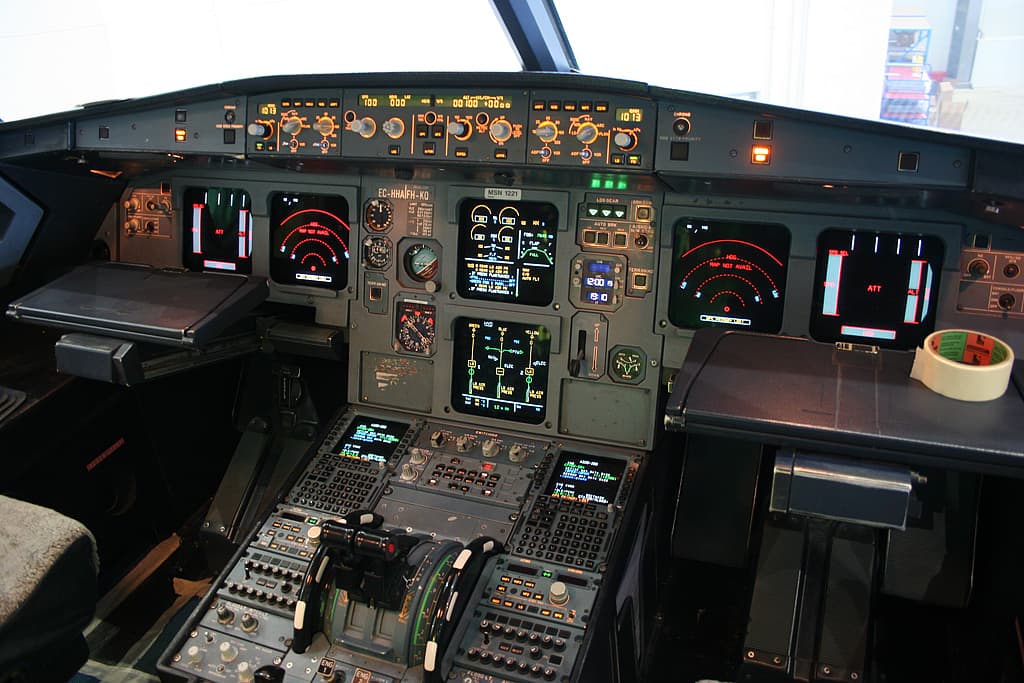
Instead of hybrid versions found in the past, the A320 has a full glass cockpit and is equipped with side-stick controllers and electronic flight instrument systems, or EFISs, as well as an electronic centralized aircraft monitor, or ECAM, that provides the crew with all of the details they need regarding all of the systems’ data and information. Only the brake pressure monitor and the radio-magnetic indicator use analog instruments.
Older versions of the A320 aircraft can choose to get an avionic upgrade and digital head-up displays. The A320’s flight control system is also the world’s first fly-by-wire (FBW) system, which is now common among aircraft even though it was originally unheard of for pilots. To make things even more advanced, the current flight deck has touchscreen displays available when users wish to control the cabin behind them.
A new cabin was introduced by the A320 in 2007 and it is now much quieter with a more modern look and better storage capability. The cabin also includes a new galley that provides less weight, more space, and better ergonomics as well as a better design for food hygiene and recycling.
New air-purification systems are also part of the advanced cabin and a catalytic converter removes unpleasant smells before they reach the cabin, allowing for a fresher smell all the way around.
In the A320 cabin, there is more shoulder room, a new in-flight entertainment system and intercom, and much better noise reduction. The enhanced cabin is also able to be retrofitted.
As of 2010, the A320 uses either two Pratt and Whitney PW1000G engines or CFM International LEAP 1-A engines. These engines are the main reasons why the aircraft is 15% more fuel-efficient than it was in the past.
Thanks to its many upgrades and advancements, the Airbus A320 aircraft offers top-notch performance and advantages such as better efficiency, a more comfortable ride, and more overhead stowage capacity, among others.
Airbus A320 competitors include the Boeing 737 (-300/-400/-500) and the MD-80/90 series as well as the Embraer E-195.