

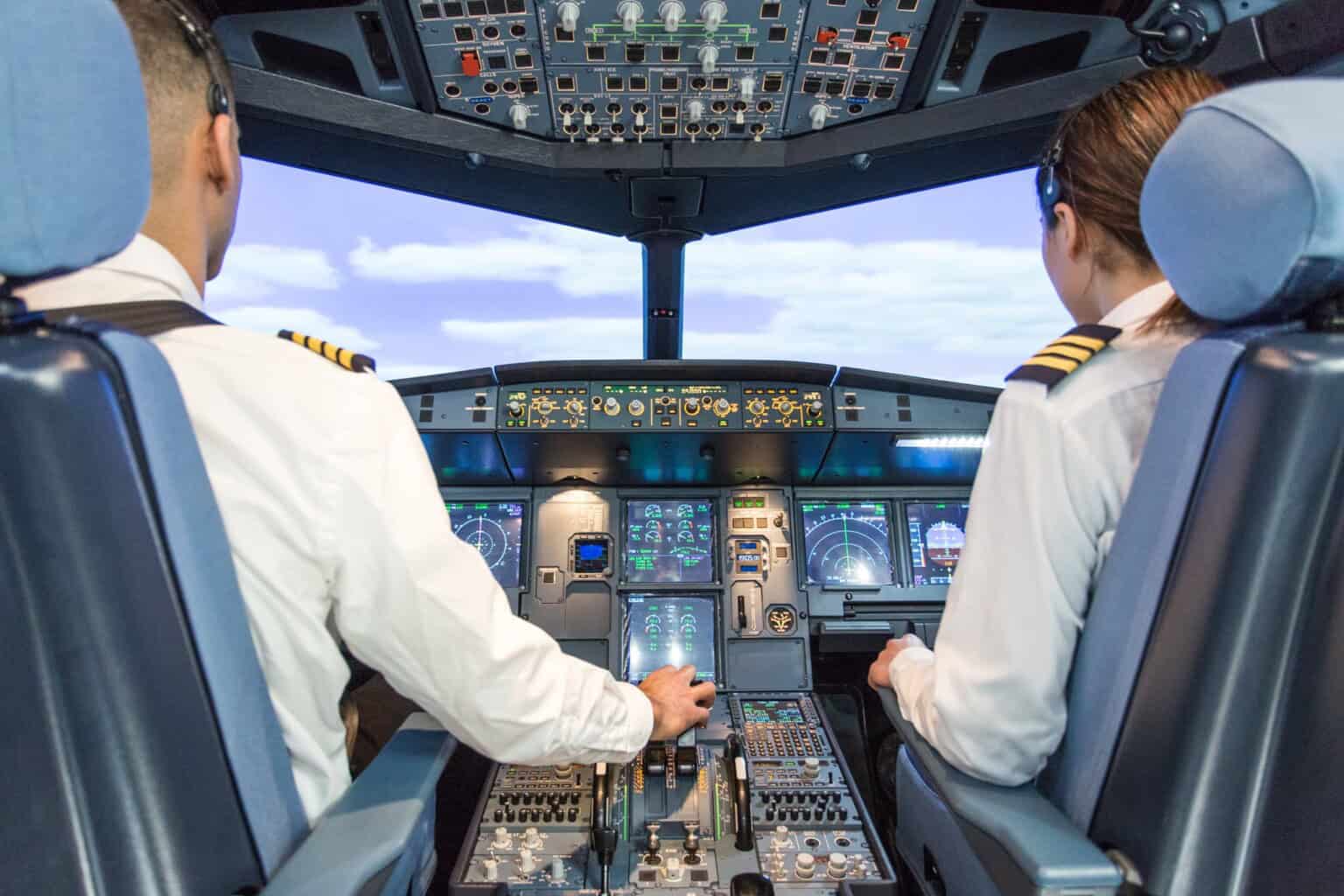
On July 20, 2026, at the Farnborough International Airshow, CAE announced it had been selected by Turkish Airlines to supply a new batch of full-flight simulators and training devices. The multi-year agreement is meant to expand the airline’s pilot training capacity as its fleet keeps growing.
The order
According to CAE, the firm order covers five full-flight simulators and two Level-1 flight training devices. It also carries options for two additional full-flight simulators.
The equipment is split across three fleet types: two simulators for the Airbus A321neo, two for the Boeing 787, and one for the Airbus A350 alongside its two Level-1 training devices. The options cover one more A350 simulator and one more 787 simulator.
CAE said the units will be installed at Turkish Airlines’ new Flight Training Center, where construction began in January 2026. Simulator hangars are scheduled to enter service in 2027, with the full facility operational by 2028.
Turkish Airlines chairman Murat Şeker said the new devices would help the carrier prepare pilots to support its fleet expansion. CAE president and chief executive Matthew Bromberg said the two companies have worked together for more than 20 years, a relationship CAE traces back to 1997.
A near 30-year relationship
CAE says its training partnership with Turkish Airlines dates back to 1997. This deal is a renewal and expansion of that relationship, not a new supplier switch.
Why an airline buys simulators, not just aircraft
A full-flight simulator is a regulator-approved stand-in for the real aircraft. Pilots can earn a type rating, complete recurrent checks, and practice emergencies entirely in the box, without ever flying the actual jet.
That matters because simulator capacity, not aircraft delivery, is often the real bottleneck in fleet growth. An airline can take delivery of new 787s or A321neos faster than it can train enough qualified crews to fly them, especially when it is also replacing pilots who retire or move on.
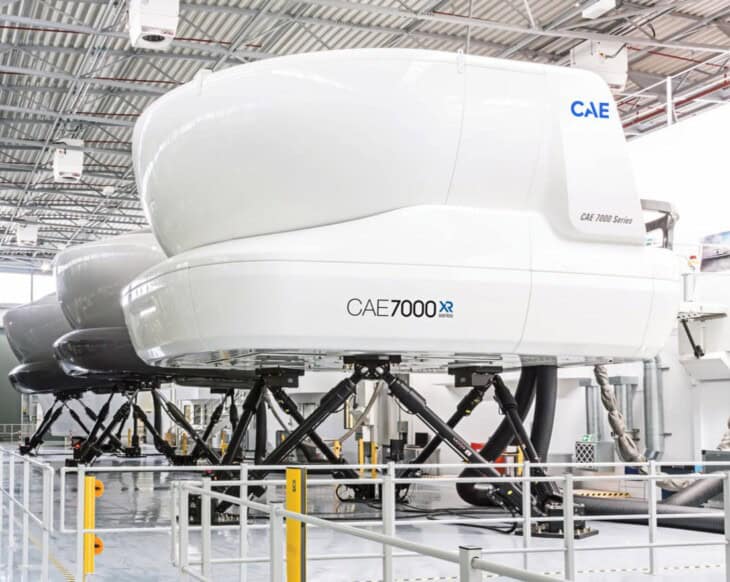
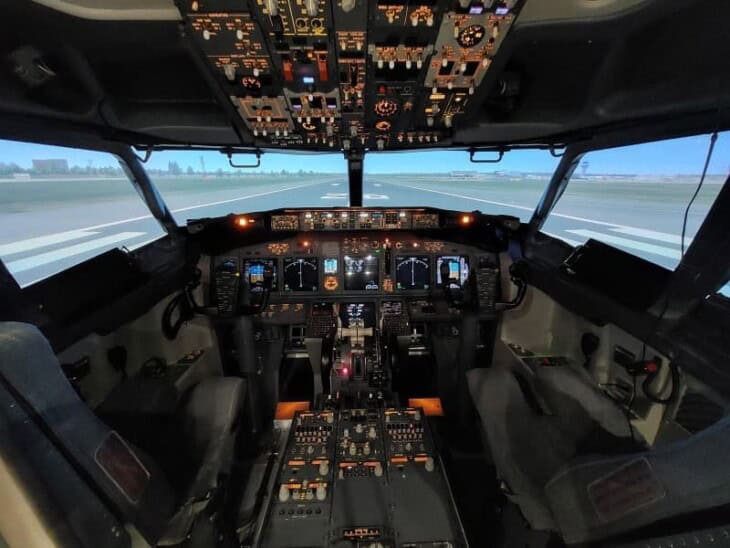
Each full-flight simulator is a major capital investment, and building a new training center on top of that is a multi-year commitment. Turkish Airlines is effectively betting that its own fleet growth, not just today’s schedule, justifies owning training capacity rather than buying slots from outside training providers.
Reality check
The simulator hangars are not scheduled to open until 2027, and the wider facility not until 2028. This deal builds future training capacity; it does not add pilots to the schedule today.
The deal follows a run of Farnborough news about aircraft orders and engine choices, including Boeing’s opening-day order haul. Training capacity rarely makes the same headlines as a jet order, but it is what determines whether an airline can actually put new aircraft to work.
Turkish Airlines has been expanding its widebody and narrowbody fleets in parallel, and pilot training is one of several constraints, alongside crew scheduling and rest requirements, that shape how fast an airline can actually grow.
Sources and references used for research and fact-checking.
Get the Newsletter
The latest aviation news and stories sent to your inbox.
About the Author

Tim is the owner and lead editor of AeroCorner since 2019, overseeing aviation content covering aircraft, airlines, airports, and the broader aviation industry. Through years of researching, writing, editing, and publishing aviation-focused content, he has developed extensive practical knowledge of commercial aviation and air travel. Based in Asia and a frequent traveler himself, Tim also brings firsthand passenger experience to AeroCorner’s coverage. Outside of publishing, he has also explored aviation firsthand through hands-on flight training in New Zealand.