

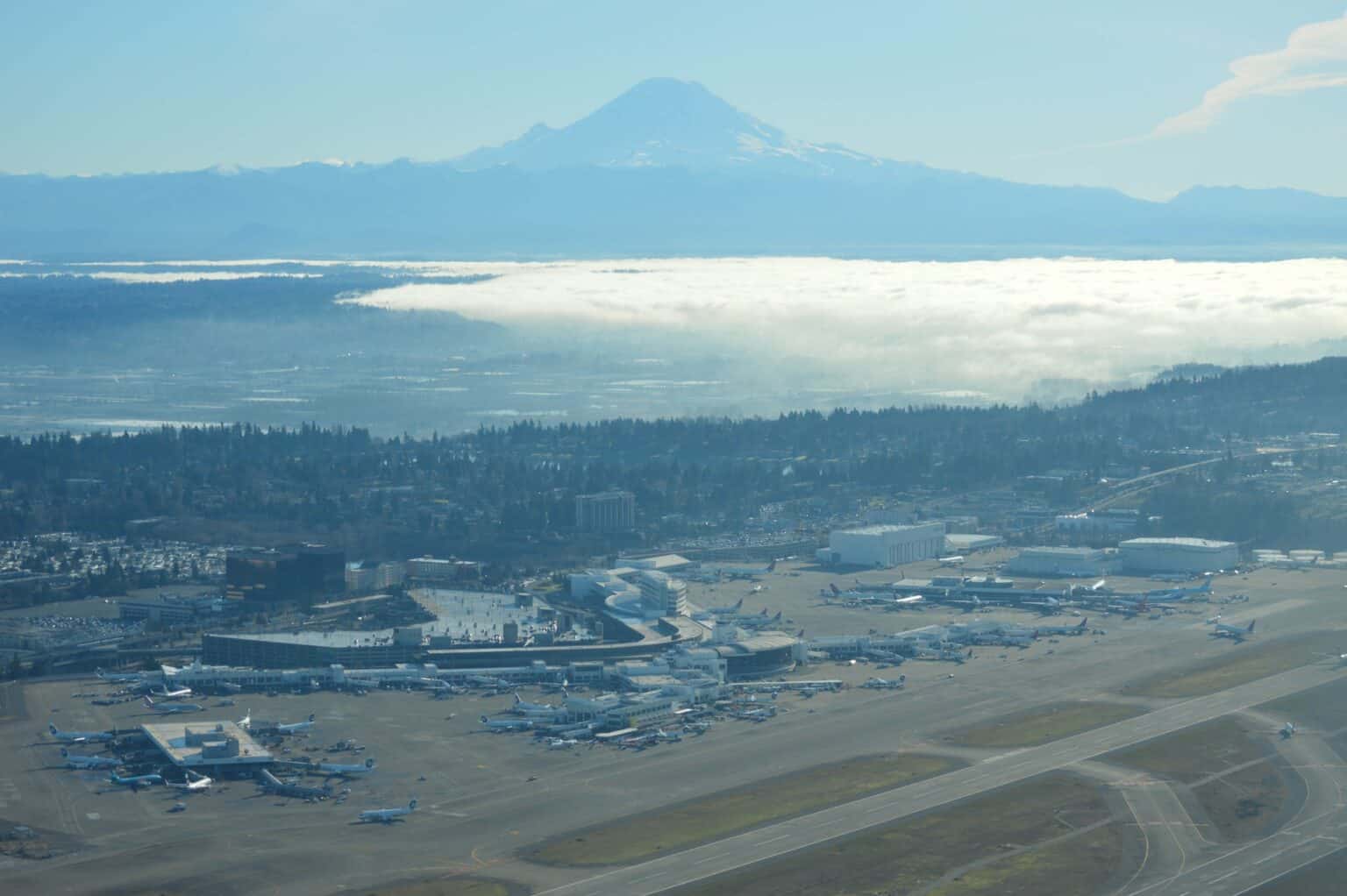
On November 24, 2026, the SeaTac City Council adopted an emergency six-month pause on permits for airport construction in the city, putting the Port of Seattle’s expansion plans for Seattle-Tacoma International Airport on hold. Ordinance No. 26-1028 took effect immediately and runs to May 24, 2027, the city said.
The airport itself stays open, and flights and operations are not affected. What stops is paperwork: for six months, neither the city nor the Port, which handles some permitting on the city’s behalf, will accept, process or issue permits to build, expand or modify airport-related facilities.
What the ordinance covers
The pause reaches all 31 near-term projects in the Port’s Sustainable Airport Master Plan, known as SAMP. The headline project is a second passenger terminal with 19 new gates, alongside a ground transportation center, new cargo facilities, taxiway extensions and a larger fuel facility.
Two kinds of work carry on. Complete building permit applications received before November 24 can proceed, and so can emergency repairs to existing facilities that address an immediate threat to life or public safety.
The timing was deliberate. Under Washington law a complete application is judged under the rules in force on the day it is filed, so the city said acting at once was the only way to keep the pause meaningful.
The council will hold a public hearing on the ordinance on January 12, 2027.
Why SeaTac acted, and how the Port responded
The city says it needs time to study how airport growth affects air quality, noise and traffic, and to agree on protections with the Port before new permits move. It found that the Port “has not adequately documented the expected impacts” of the near-term projects or proposed meaningful mitigation for residents.
SeaTac points to University of Washington research suggesting that neighborhoods under and downwind of landing jets may be exposed to a distinct type of tiny aircraft pollution particle that spreads farther than road pollution. The researchers say more study of the health effects is needed.
The city also cites an equity gap: people of color make up 55% of King County residents living closest to the flight paths, against 35% countywide. Its own growth plan, Envision SeaTac 2044, calls for reducing airport noise.
Since 2019, the city says, the Port has issued about 700 permits covering roughly $2.5 billion of construction, consistently finding no significant environmental impact. “Before more expansion moves forward, our community deserves real answers and real protections,” Mayor Mohamed Egal said, adding that the city’s “door is open to the Port.”
The Port sees it differently. In a statement to The Seattle Times, it said it was “alarmed” by an ordinance passed “with nearly no notice, at nearly 10:45 at night,” and that it believes the measure violates its existing agreements with the city, land use codes and the limits of the city’s regulatory authority.
The Port added that it has several applications in review for capital, safety, maintenance and operational work, and that it is prepared to seek legal relief against unlawful delay to airport operations.
A long fight over Sea-Tac’s growth
Sea-Tac is one of the busiest airports in the US, and it is short of room. The Port counted 52,715,181 passengers in 2025, a record that edged past 2019’s 51.8 million, and SAMP’s near-term projects are sized for 56 million.
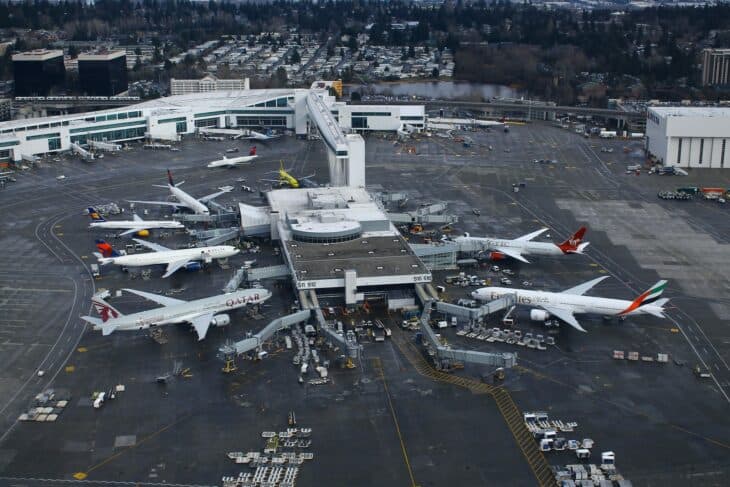

Those projects were meant to open by 2027. The Port now says they will be complete or under construction by 2032, a slip it puts down to COVID-19 and other factors, so a six-month pause lands on a schedule that has already moved once.
The federal review is done. The FAA signed a Finding of No Significant Impact and Record of Decision for the 31 projects in September 2025, concluding that no full environmental impact statement was required.
SeaTac, Burien and Des Moines challenged that decision in the Ninth Circuit Court of Appeals on November 24, 2025, arguing their concerns had not been addressed. In a filing this month, the FAA urged the court to deny a request to halt the projects, according to The Seattle Times.
The state review is the piece still open, and it is the Port’s own. The Port published its draft environmental impact statement under Washington’s State Environmental Policy Act on May 22, 2026, and the three cities jointly raised concerns about it in August.
The Port plans to finish that review by the end of 2026, after which permits for the near-term projects could have moved quickly. The ordinance closes that window until at least late May, unless a court or a deal with the city opens it sooner.
Fights like this are not unique to Seattle. In Cleveland, the FAA told the city it could not close Burke Lakefront Airport, a reminder that federal obligations limit what local governments can do with the airports they host.
Sources and references used for research and fact-checking.
- City of SeaTac, SeaTac City Council pauses new SEA airport development permits
- City of SeaTac, November 24, 2026 Council Actions
- Port of Seattle, Sustainable Airport Master Plan (SAMP)
- Port of Seattle, Airport statistics
- FAA, FONSI/ROD, SEA SAMP Near-Term Projects
- City of Burien, Burien, Des Moines, and SeaTac File Joint Petition for Review of FAA Decision
Get the Newsletter
The latest aviation news and stories sent to your inbox.
About the Author

AeroCorner News is the aviation news desk of AeroCorner.com. It covers accidents and incidents, safety rulings, airline and airport disruption, and new aircraft. It works from primary sources such as the NTSB, FAA, EASA and the manufacturers' own announcements.