

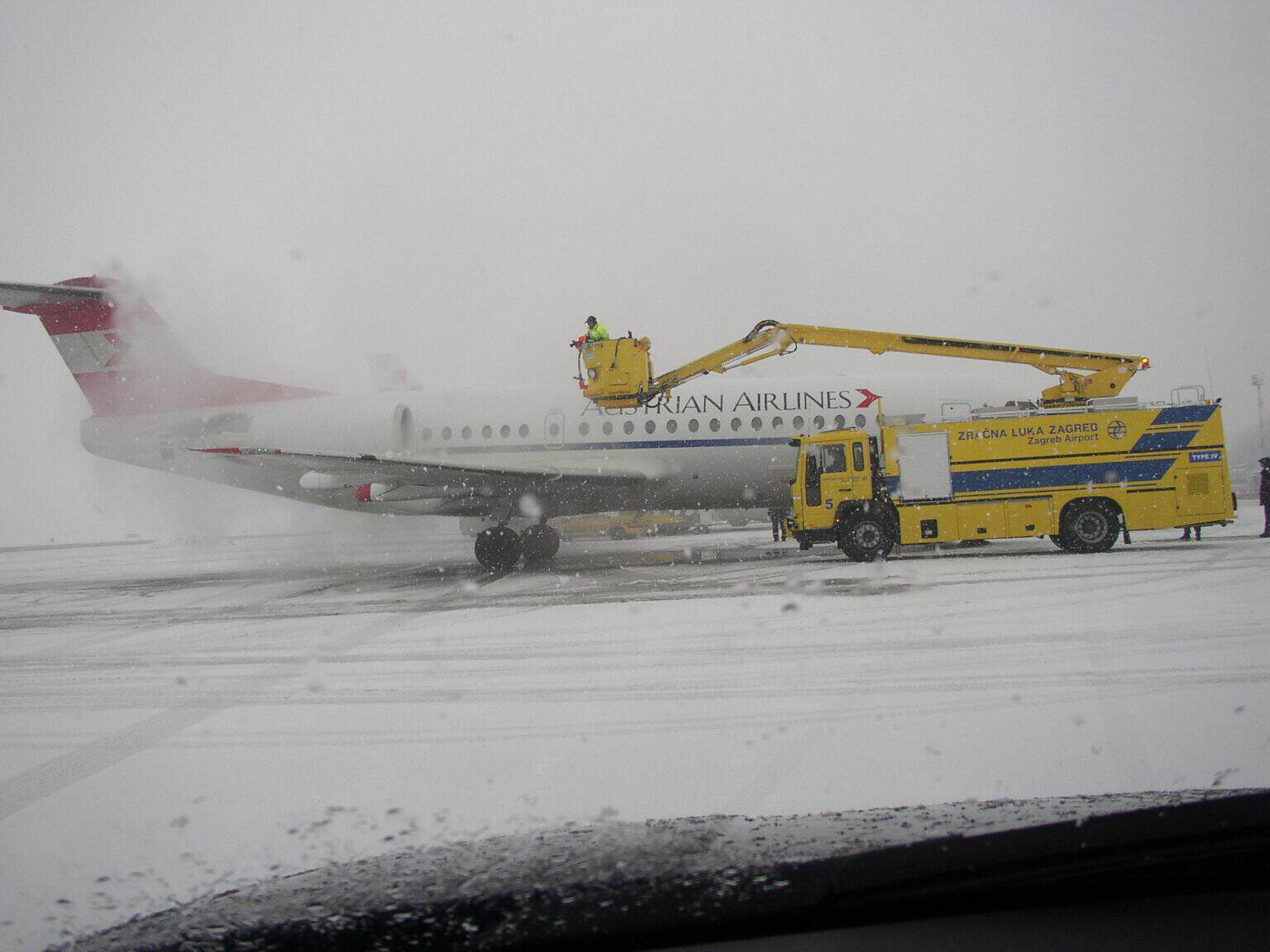
Heavy, almost nonstop snow at Vienna Airport on Thursday, November 26, 2026, created de-icing queues that held some jets on the ground for up to eight hours. Austrian Airlines said 143 of its flights and 20,900 passengers were affected by the weather restrictions.
That tally, which the airline gave to the Vienna daily Heute on Friday, is more than double the figure it gave on Thursday evening, when a spokesperson put the number of passengers hit by delays and cancellations at around 9,000.
Seven and eight hours on the ground
Every aircraft had to be de-iced before takeoff, and a Vienna Airport spokesperson said that was what delayed departures and some arrivals. The airport said its snow clearing was running “at full speed” and expected the situation to ease by Thursday evening.
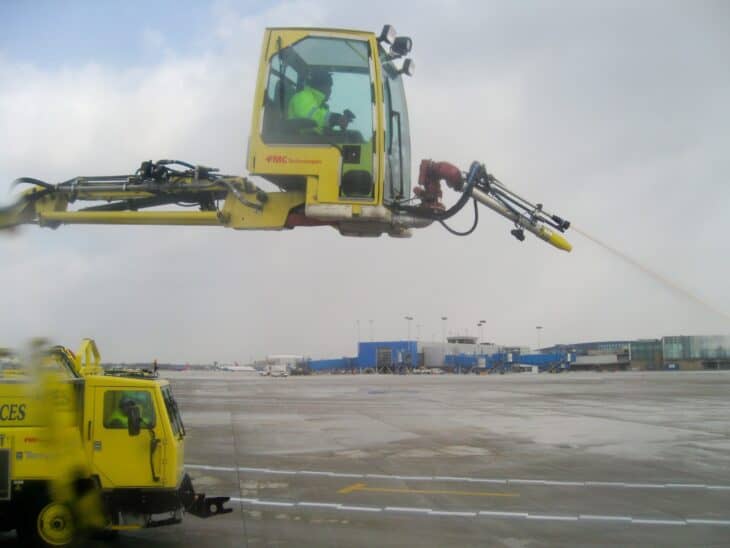

It did not ease quickly. Austrian Wings reported waits of up to seven hours for de-icing, including an Aer Lingus departure to Dublin that was delayed seven hours.
According to aeroTelegraph, Austrian flight OS431 to Valencia, due out at 10:00, left at 17:32, and a Ryanair flight to London Stansted left at 17:34, almost eight hours late. On OS431 a flight attendant reached her maximum duty time and had to be replaced.
The Valencia captain told passengers that air traffic control had cut the airport’s capacity to about 20 takeoffs and landings an hour, against a normal 40 to 60, as relayed by the Austrian paper Oe24 and aeroTelegraph. Some passengers also said they had to pay for food and drinks despite the long waits.
Others never left. A Vienna resident booked to Berlin shortly after 9:00 told Heute his flight was pushed to Saturday once the crew’s legal duty hours ran out, and a passenger bound for Stockholm said he spent about 14 hours at the airport as his flight and two rebookings fell through.
What Austrian and Ryanair blamed
Austrian Airlines said de-icing capacity reached its limits despite preparations, because the wet, heavy snow stuck so firmly that de-icing some aircraft took up to eight times longer than in normal winter conditions. It also conceded that its service center was only partly reachable.
The airline said it organized hotel rooms for stranded passengers, but that hotel availability in and around Vienna reached its limits too. It said it was moving travelers onto trains, replacement flights and partner airlines, and offering free rebooking online, Oe24 reported.
Ryanair went further. As cited by aeroTelegraph, the airline told Heute there was a technical fault in the de-icing system and said it would take the problems up with Vienna’s air navigation service. AeroCorner found no confirmation of a fault from the airport or Austro Control at the time of writing.
By Friday morning, November 27, aeroTelegraph reported, operations had improved but the departure board still showed many delays and some cancellations.
Why de-icing becomes the bottleneck
Snow on a wing is not cosmetic. Vienna Airport itself notes that ice on the wings and fuselage can cause a stall, which is why the rules for flying in snow demand a clean aircraft before every departure.
Ahead of last winter, the airport said it had 14 aircraft de-icing vehicles and about 500 staff for winter service and de-icing. Larger jets get up to four vehicles at once, and the time each job takes depends on the aircraft’s size.
That arithmetic breaks when each aircraft takes several times longer than planned. A queue builds at the pads, jets miss their departure slots, and the delays spread into crew duty limits and the wider European network, which is the chain Oe24 described.
Thursday followed two winter shutdowns earlier in 2026. On January 13, ice that kept re-forming on the runways closed the airport until at least 11:00, Reuters reported.
On February 20, heavy snow halted operations again. The airport said more than 150 flights were canceled, and Austrian put the passengers affected at around 13,000, SRF reported.
What stranded passengers are owed
Under EU passenger rights rules, the European Commission lists adverse weather as an extraordinary circumstance. An airline that can show the weather caused the disruption and could not be avoided owes no fixed compensation of 250 to 600 euros, but its duty of care still applies.
That means meals and drinks once a delay passes two hours on a flight of up to 932 miles (1,500 km), and a hotel plus transfers when the new departure is the next day or later. On a cancellation, passengers choose between a refund, rerouting or a return flight, a point worth knowing when airlines cancel flights at this scale.
Sources and references used for research and fact-checking.
Get the Newsletter
The latest aviation news and stories sent to your inbox.
About the Author

AeroCorner News is the aviation news desk of AeroCorner.com. It covers accidents and incidents, safety rulings, airline and airport disruption, and new aircraft. It works from primary sources such as the NTSB, FAA, EASA and the manufacturers' own announcements.