

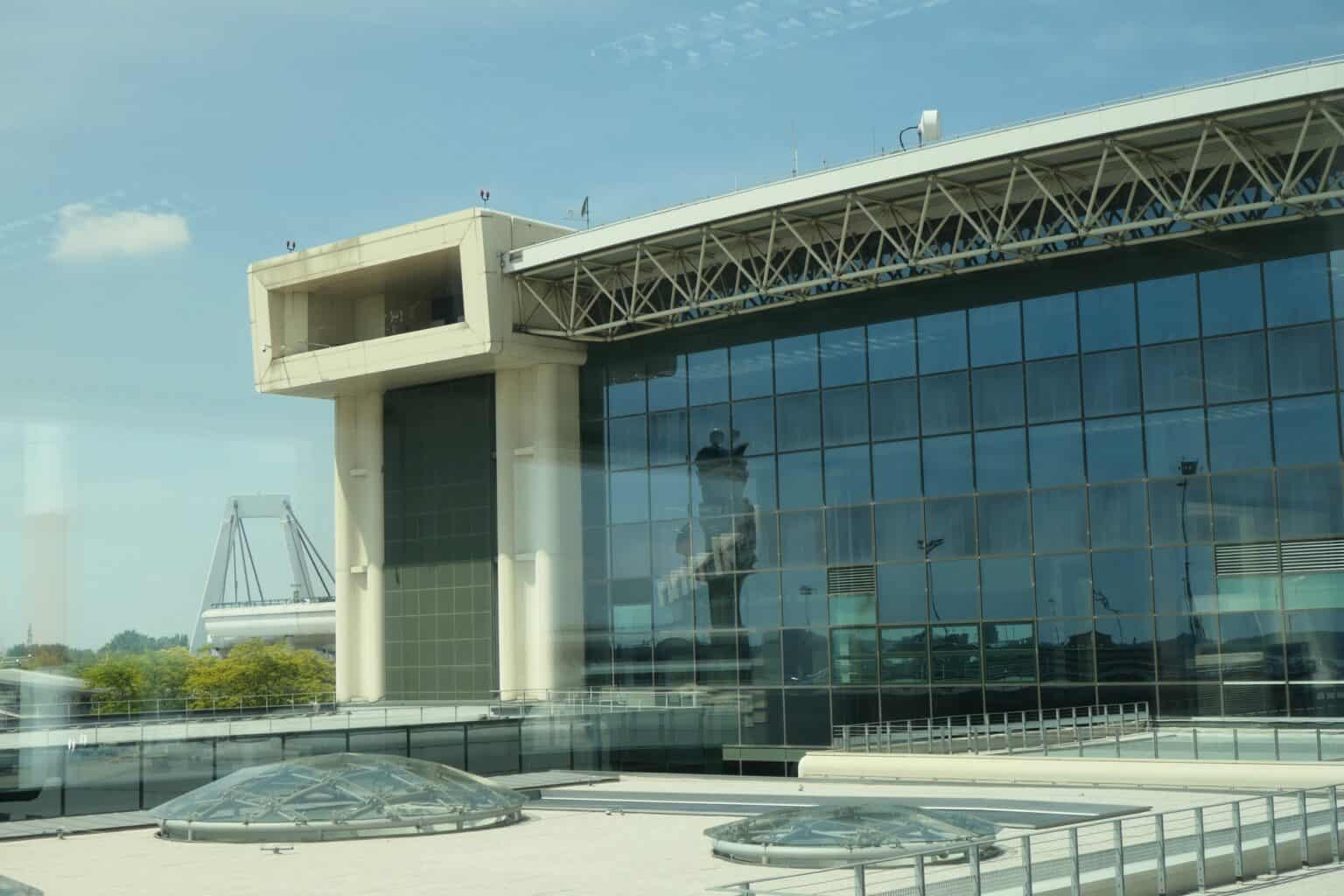
Italy’s civil aviation authority, ENAC, has suspended a planned limit on departing passengers at Milan Malpensa’s Terminal 1 for summer 2027, a measure it adopted after long passport queues linked to the EU’s new Entry/Exit System (EES). In a statement on November 27, 2026, ENAC said the airport’s capacity parameters for the season “remain unchanged for now” and that the note ordering the cut had been suspended.
The reversal came eight days after the European airports’ trade body, ACI Europe, wrote to Italy’s transport minister, Matteo Salvini, asking him to overturn the cap. ENAC said a meeting with all the public and private organizations working at the airport will be held at the Ministry of Infrastructure and Transport on Monday, November 30.
What ENAC had decided
The cap was set in a new capacity sheet for Malpensa’s summer 2027 season, which runs from late March to late October. It would have lowered Terminal 1’s limit from 4,300 to 4,100 departing passengers an hour, according to Corriere della Sera, which quoted ENAC’s letter and documents from Assoclearance, Italy’s slot coordinator. Terminal 2, used only by easyJet, was to stay at 2,500 an hour.
In a mid-October letter quoted by the newspaper, ENAC’s Lombardy office cited “serious disruption” from the time needed to check non-Schengen passengers, driven partly by the rollout of EES, and similar delays at security screening. The 4,100 figure was conditional on adding at least 200 square meters (about 2,150 square feet) of queuing space at the security checkpoints by May 2027.
The Flight Club, which first reported the capacity sheet on October 25, said it also set a lower ceiling of 3,400 departing passengers an hour in July and August. No other source we found repeats that figure, and ENAC’s statement gives no numbers.
Why the airports objected
ACI Europe director general Olivier Jankovec sent his two-page letter to Salvini on November 19, with copies to Interior Minister Matteo Piantedosi and Tourism Minister Gianmarco Mazzi. He expressed his “deepest concern” and said the cap would stop airlines from operating flights they had already scheduled for next summer, according to Corriere, which obtained a copy.
His central argument was timing. The limit would bite hardest in the early morning, when long-haul flights from North and South America, the Middle East and Asia arrive, and those carriers cannot simply move to quieter hours without breaking their aircraft rotations and onward connections.
Jankovec called the resulting loss of traffic “net and unrecoverable.” He also noted that long border waits affect Paris Charles de Gaulle, Amsterdam, Frankfurt, Munich, Athens and Lisbon, yet Malpensa was the only airport given a capacity limit, as Malpensa24 reported.
ACI Europe’s fix is to change the system, not the airport: it wants governments to keep the option of pausing biometric registration when queues get too long, in 2027 and beyond.
Italy’s transport ministry said the suspension followed Salvini’s intervention, Trasporti Italia reported. ENAC’s own wording, “for now,” leaves the cap open, and no alternative measure has been announced.
How an EES queue turns into a slot limit
EES registers non-EU travelers on short stays at the Schengen area’s external borders, recording their fingerprints and a facial image in place of the old passport stamp. According to the European Commission, it began a phased start on October 12, 2025, and became fully operational on April 10, 2026.
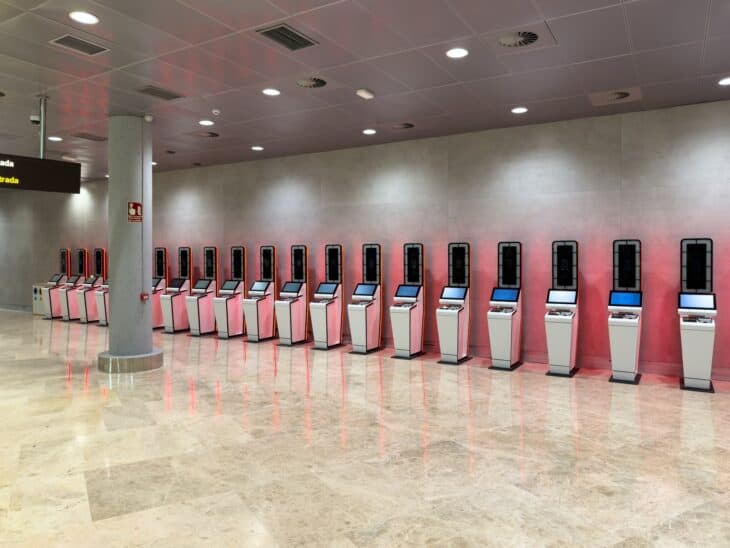

Border waits climbed quickly once registration became mandatory. In a July 1 open letter, ACI Europe, airline group A4E and IATA said waits had reached up to five hours at peak times.
Governments could pause biometric capture during congestion over the summer, but that temporary option ended on September 6, as Euronews reported, and queues returned at Malpensa, according to Corriere.
An hourly passenger figure matters because it is a slot rule. At a slot-coordinated airport like Malpensa, capacity limits are declared for each season, and Assoclearance checks airline requests for take-off and landing slots against them. That is the same seasonal process behind the dispute over Mumbai’s summer 2027 slots.
According to The Flight Club, ENAC’s sheet would have applied to new slot requests and to changes to existing slots, so it would not have canceled current flights directly. Jankovec’s letter reads the effect differently, saying airlines would lose flights they had already planned for summer 2027.
ACI Europe called the use of a passenger cap to manage a border control bottleneck unprecedented. Other airports have had their own versions of the queues, including Paris Orly, where a border police work-to-rule stretched passport lines on November 26.
What happens next
For now, Malpensa’s summer 2027 limits stay where they were, with Terminal 1 at 4,300 departing passengers an hour. Monday’s meeting in Rome is the next step, and it should show whether ENAC drops the cap, brings it back or looks for other ways to shorten the queues.
Sources and references used for research and fact-checking.
Get the Newsletter
The latest aviation news and stories sent to your inbox.
About the Author

AeroCorner News is the aviation news desk of AeroCorner.com. It covers accidents and incidents, safety rulings, airline and airport disruption, and new aircraft. It works from primary sources such as the NTSB, FAA, EASA and the manufacturers' own announcements.