

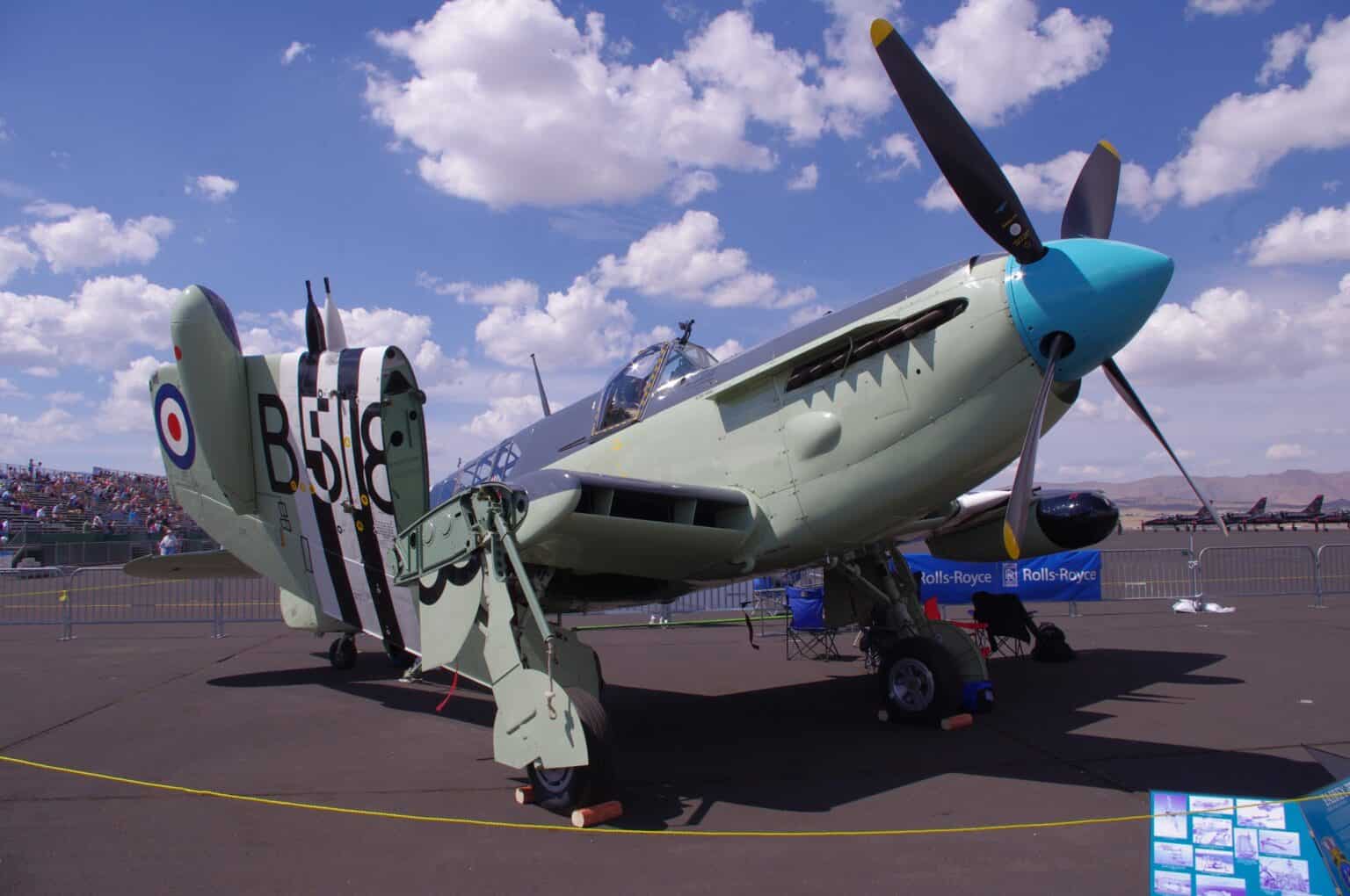
The remains of Steward James Willard MacDonald, a Royal Canadian Navy sailor killed when a Fairey Firefly crashed in Northern Ireland on November 4, 1947, have been recovered and identified. Canada’s Department of National Defence announced the identification on November 23, 2026.
MacDonald was 25 and riding as a passenger in the two-seat naval fighter, serial TW 736, when its pilot lost control over Mayoghill, near Garvagh in County Londonderry. The pilot got out of the aircraft, but MacDonald was killed in the crash, according to the department.
A Search That Ended in 1947
The wreck came down in boggy ground, and the department says the efforts to recover him at the time failed. They were called off on November 20, 1947, 16 days after the crash.
With no body to bury, MacDonald was listed among the missing. He is commemorated as missing on the Halifax Memorial in Nova Scotia and in the first volume of In the Service of Canada, the Seventh Book of Remembrance.
A local monument stands near the crash site. Global News reported that two Northern Ireland aviation archaeologists took an interest in it in June 2025, and that several ground-penetrating radar surveys were run before any digging began.
The recovery itself took place in July 2026. It was led by the Canadian Armed Forces Casualty Identification Program, working with the Commonwealth War Graves Commission’s Recovery Unit, the Police Service of Northern Ireland and the UK Ministry of Defence’s Joint Casualty and Compassionate Centre.
Queen’s University Belfast, the Northern Ireland State Pathologist’s Department mortuary, the Department for Communities’ Historic Environment Division, the Canadian Forces Forensic Odontology Response Team and the two archaeologists also took part. In November, the program’s Casualty Identification Review Board confirmed his identity through historical, archaeological, anthropological and dental analysis.
August 3, 1922
Born in New Brunswick. James Willard MacDonald is born in Newcastle, N.B.
April 11, 1942
Joins the naval reserve. He enlists as a probationary steward at HMCS Brunswicker.
December 11, 1942
Convoy duty. He joins HMCS Algoma, escorting convoys between Britain and the Mediterranean.
November 4, 1947
Firefly TW 736 crashes. The pilot escapes; MacDonald is killed at Mayoghill, near Garvagh.
November 20, 1947
Search called off. Recovery attempts in the bog are abandoned.
July 2026
Remains recovered. A Canadian-led team with UK and Northern Ireland partners excavates the site.
November 2026
Identity confirmed. The Casualty Identification Review Board confirms the remains are MacDonald’s.
Who Steward MacDonald Was
MacDonald was born in Newcastle, New Brunswick, on August 3, 1922, the second-youngest of a large family. He left school after Grade 9 and worked as a laborer before joining the Royal Canadian Naval Volunteer Reserve in April 1942.
Navy stewards served meals and looked after officers’ quarters and uniforms, and most of his service was at shore establishments in Canada and Britain. In December 1942 he went to sea in HMCS Algoma, which escorted convoys supporting the North Africa campaign.
Three of his older brothers, Fred, John and Arthur, also volunteered for service overseas. Arthur was killed in the Italian campaign in 1944, the department said.
After the war, MacDonald extended his service and joined HMCS Warrior, the light aircraft carrier Canada had on loan from Britain, serving as a steward with 803 Canadian Naval Air Squadron. The Canadian Warplane Heritage Museum’s CASPIR database lists the Firefly itself with 825 Squadron at Royal Naval Air Station Eglinton, the airfield that is now City of Derry Airport.
Why the War Graves Commission Took Part
MacDonald died more than two years after the Second World War ended, but inside the period the Commonwealth War Graves Commission covers. The commission commemorates Commonwealth service members who died while serving between September 3, 1939, and December 31, 1947.
His death in November 1947 falls inside that window by less than two months. The commission, which commemorates 1.7 million Commonwealth servicemen and women who died in the two world wars, supported the recovery through its Recovery Unit.
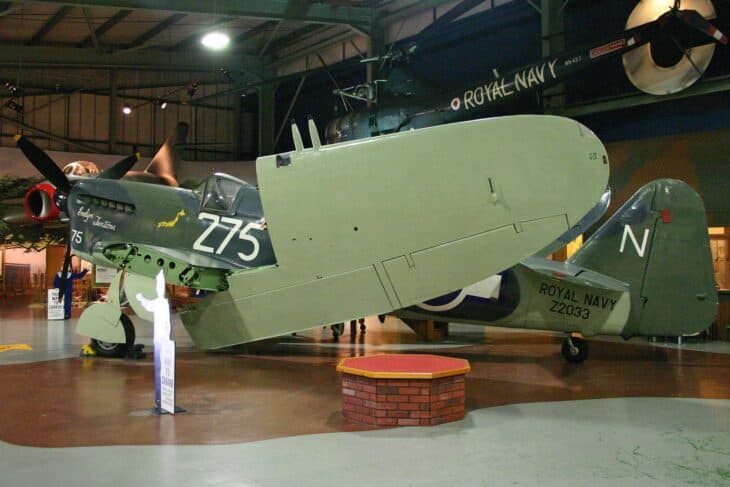
The Firefly he flew in was a Fairey design built as a two-seat carrier fighter and reconnaissance aircraft, with the pilot and a second crew member at separate stations. Canada chose it for its new carrier-based fighter squadrons after accepting the loan of British carriers in 1945, first flying aircraft borrowed from the Royal Navy.

A First for the Identification Program
MacDonald is the first Royal Canadian Navy member identified by the Casualty Identification Program, according to the department. It is also the first time in 10 years that the program has been directly involved in recovering a fallen service member.
Defence Minister David McGuinty said the identification “reminds us of the dedication of generations of Canadians who gave everything for their country.” Veterans Affairs Minister Jill McKnight said that “as fewer Second World War Veterans remain with us, our responsibility to remember grows even greater.”
The Canadian Armed Forces has told MacDonald’s family and is supporting them. The navy will bury him in Northern Ireland, with his family present, at the earliest possible opportunity; no date had been announced at the time of writing.
Sources and references used for research and fact-checking.
Get the Newsletter
The latest aviation news and stories sent to your inbox.
About the Author

AeroCorner News is the aviation news desk of AeroCorner.com. It covers accidents and incidents, safety rulings, airline and airport disruption, and new aircraft. It works from primary sources such as the NTSB, FAA, EASA and the manufacturers' own announcements.