

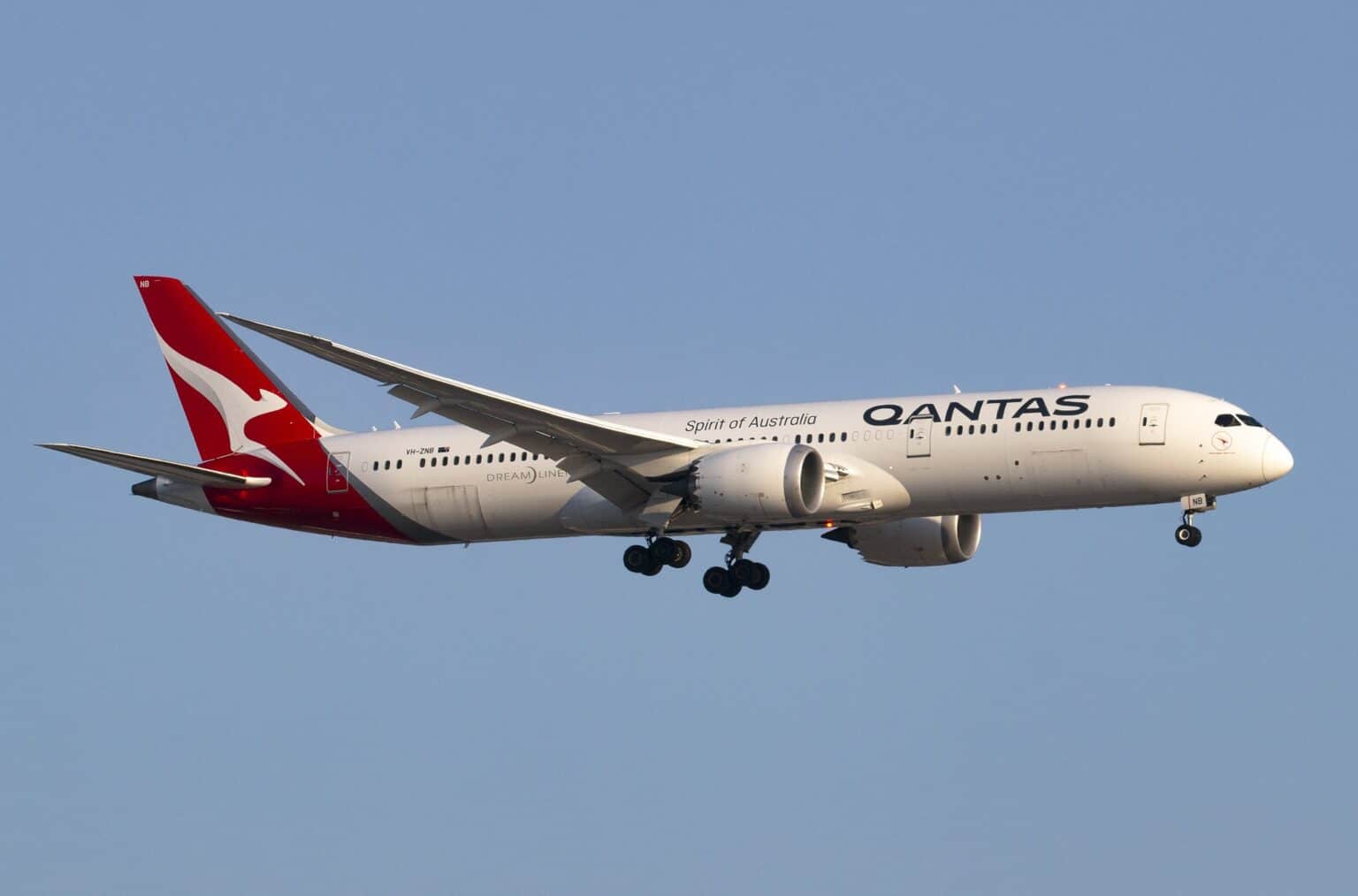
Qantas cancelled flight QF6 from Rome to Perth on Saturday, October 10, 2026, after passengers on the Boeing 787 Dreamliner’s previous flight complained of being bitten by bedbugs. The jet had flown QF5 from Perth to Rome the day before, according to The New Daily.
Qantas apologized for the cancellation and said the aircraft needed a deep clean before it could return to service.
What Qantas and passengers have said
People on board QF5 complained during the flight that they were being bitten, The New Daily reported. It said they were given antihistamines on medical advice, but the supply ran out.
A Qantas spokesperson said the cancellation “allowed our engineers and maintenance teams to carry out a deep clean of the aircraft after an issue was identified on a small number of economy seats.”
Passengers booked on QF6 were given accommodation and rebooked on other flights within 48 hours of their original departure, Qantas said. The Canberra Times, in its own report, said the airline offered hotel rooms until another aircraft was available.
The New Daily said the cancellation left passengers stranded in Rome for up to two days. The Canberra Times said economy passengers had complained of bites before the flight was scrubbed.
Qantas also told The New Daily that its aircraft are disinfected every 50 days and that cabins are regularly cleaned to an “extremely high standard.”
What is not yet known
Qantas has not published the aircraft’s registration, how many passengers were bitten or how many were rebooked. It has not said how the bedbugs came aboard, and its statement refers to a deep clean rather than naming fumigation, which The New Daily says a bedbug clean-up requires.
Why bedbugs can take a jet out of service
Bedbug reports on aircraft are not uncommon, Dr. Stephen Doggett of NSW Health Pathology told the Canberra Times. Bites can take days to weeks to appear, so an infestation may have been aboard for some time before anyone noticed.
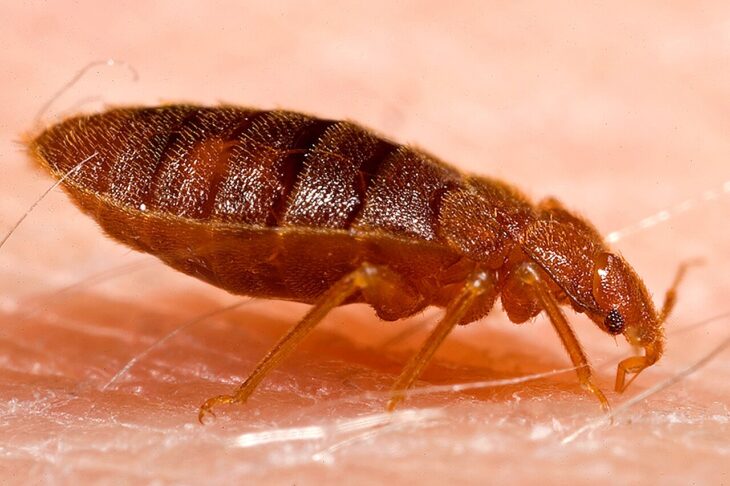
Clearing one is harder than wiping down seats. Doggett said modern bedbugs resist many insecticides, and some chemicals can damage the aluminum in an aircraft’s structure.
That narrows the options for an airline mid-rotation. The Boeing 787 that flew Perth to Rome was taken out of service for the clean, and the Saturday return from Rome did not operate.
The routine 50-day disinfection Qantas described is a precaution applied to the whole fleet. A bedbug clean-up is a separate, targeted job, and The New Daily says it requires taking the aircraft out of service.
Qantas has not said whether the jet has since returned to service, or whether another aircraft covered later flights on the route.
What travelers can check
Doggett advised passengers to look over seat seams, armrests and cushion edges with a phone torch. He said the signs are live insects and clusters of dark spots, which are their droppings.
He also advised photographing any bugs found.
Get the Newsletter
The latest aviation news and stories sent to your inbox.
About the Author

Tim is the owner and lead editor of AeroCorner since 2019, overseeing aviation content covering aircraft, airlines, airports, and the broader aviation industry. Through years of researching, writing, editing, and publishing aviation-focused content, he has developed extensive practical knowledge of commercial aviation and air travel. Based in Asia and a frequent traveler himself, Tim also brings firsthand passenger experience to AeroCorner’s coverage. Outside of publishing, he has also explored aviation firsthand through hands-on flight training in New Zealand.