

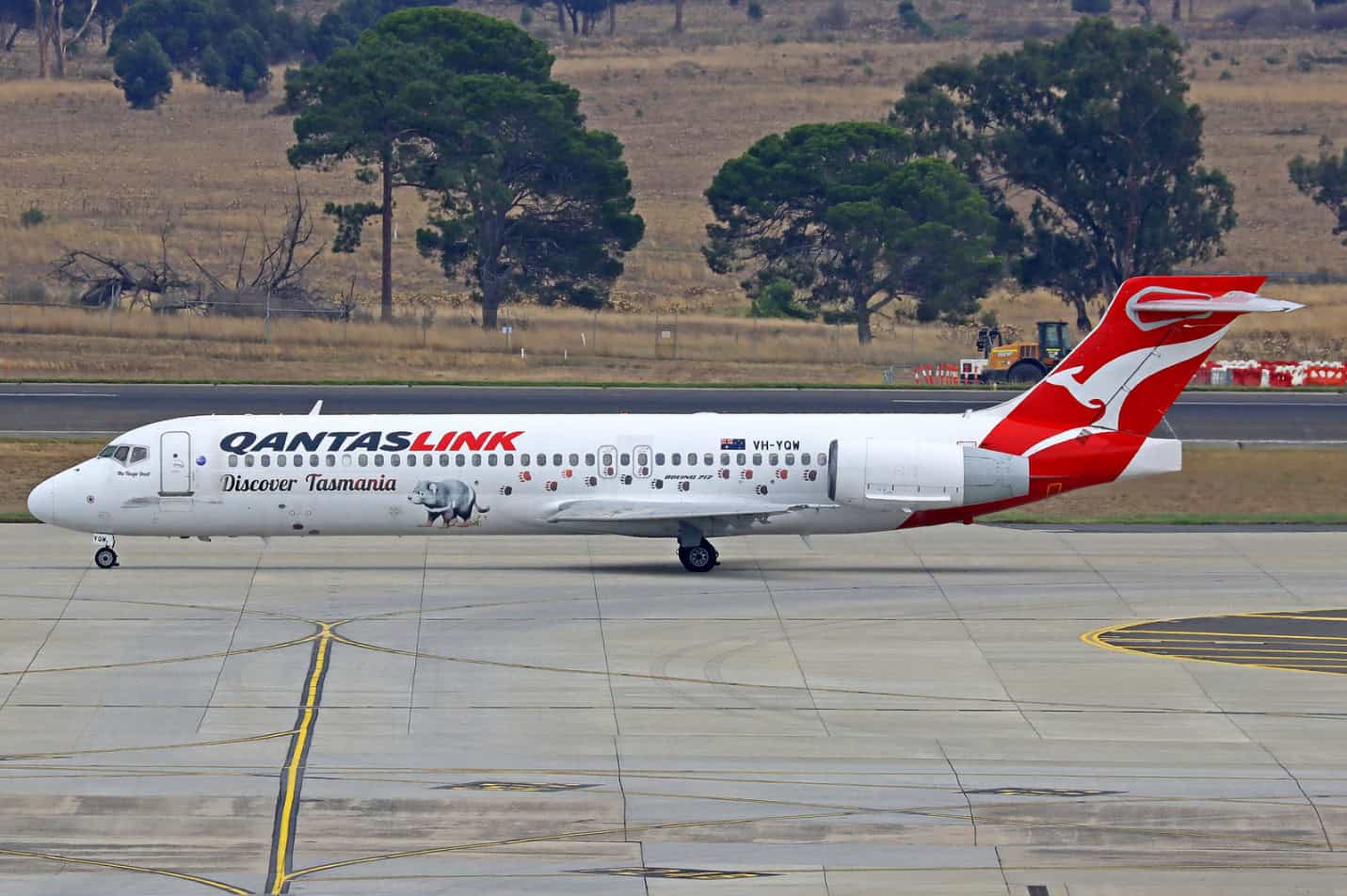
On July 28, 2026, Melbourne Airport and the Qantas Group announced they had agreed key terms on a A$4.5 billion (about US$3.1 billion) overhaul of the airport’s international terminal at Tullamarine. The deal also secures Qantas support for the airport’s long-planned third runway.
The agreement is between Qantas and Australia Pacific Airports Corporation, the private operator that runs Melbourne Airport. Both sides said final agreements are still to be executed in the coming months.
What the deal covers
On the terminal side, the program adds five widebody gates on the international pier, a rebuilt check-in hall with common-user automated bag drops, an expanded baggage-reclaim hall, and more space for Australian Border Force processing, according to the airport and Qantas.
Qantas is also designing a new International Business Lounge on a level built above Terminal 2, up to a third larger than the current lounge, with completion targeted for 2029.
The bigger long-term item is the runway. Qantas has signed a 15-year commitment supporting delivery of Melbourne’s third runway, a 3,000-meter (about 9,800 ft) parallel strip due to open in 2031, which will roughly double the airport’s peak movement capacity.
Why an airline underwrites an airport
Large terminal and runway builds at a privately operated airport are rarely funded on the airport’s confidence alone. They are typically underpinned by long-term commercial agreements with anchor airlines that commit to using and paying for the new capacity, which is what gives the operator the certainty to finance construction.
That is the substance of this “agreed key terms” announcement. In exchange for the investment, Qantas gains room to grow, and Melbourne Airport gains a committed tenant for gates and a runway that take years to build.
Melbourne is Australia’s second-busiest airport and its main international gateway after Sydney, but it has long run its international traffic through a single terminal and two intersecting runways. Both constraints are what this program is meant to relieve.
Qantas plans to base some of its incoming Airbus A350-1000 long-range jets at Melbourne, which it says will let it launch new international routes from the city. That fleet is separate from the ultra-long-range A350s that recently reached Australia on a Project Sunrise test flight.
Low-cost subsidiary Jetstar is a big part of the case too. Melbourne is already Jetstar’s largest base, running up to almost 1,000 flights a week in peak periods and carrying around 45 percent of the carrier’s domestic passengers.
Terms, not yet contracts
This is an agreement on key terms, not a finalized deal. The parties expect to execute full agreements in the coming months, and the headline dates, a 2029 lounge and a 2031 runway, are targets rather than guaranteed completion dates.
Get the Newsletter
The latest aviation news and stories sent to your inbox.
About the Author

Tim is the owner and lead editor of AeroCorner since 2019, overseeing aviation content covering aircraft, airlines, airports, and the broader aviation industry. Through years of researching, writing, editing, and publishing aviation-focused content, he has developed extensive practical knowledge of commercial aviation and air travel. Based in Asia and a frequent traveler himself, Tim also brings firsthand passenger experience to AeroCorner’s coverage. Outside of publishing, he has also explored aviation firsthand through hands-on flight training in New Zealand.