

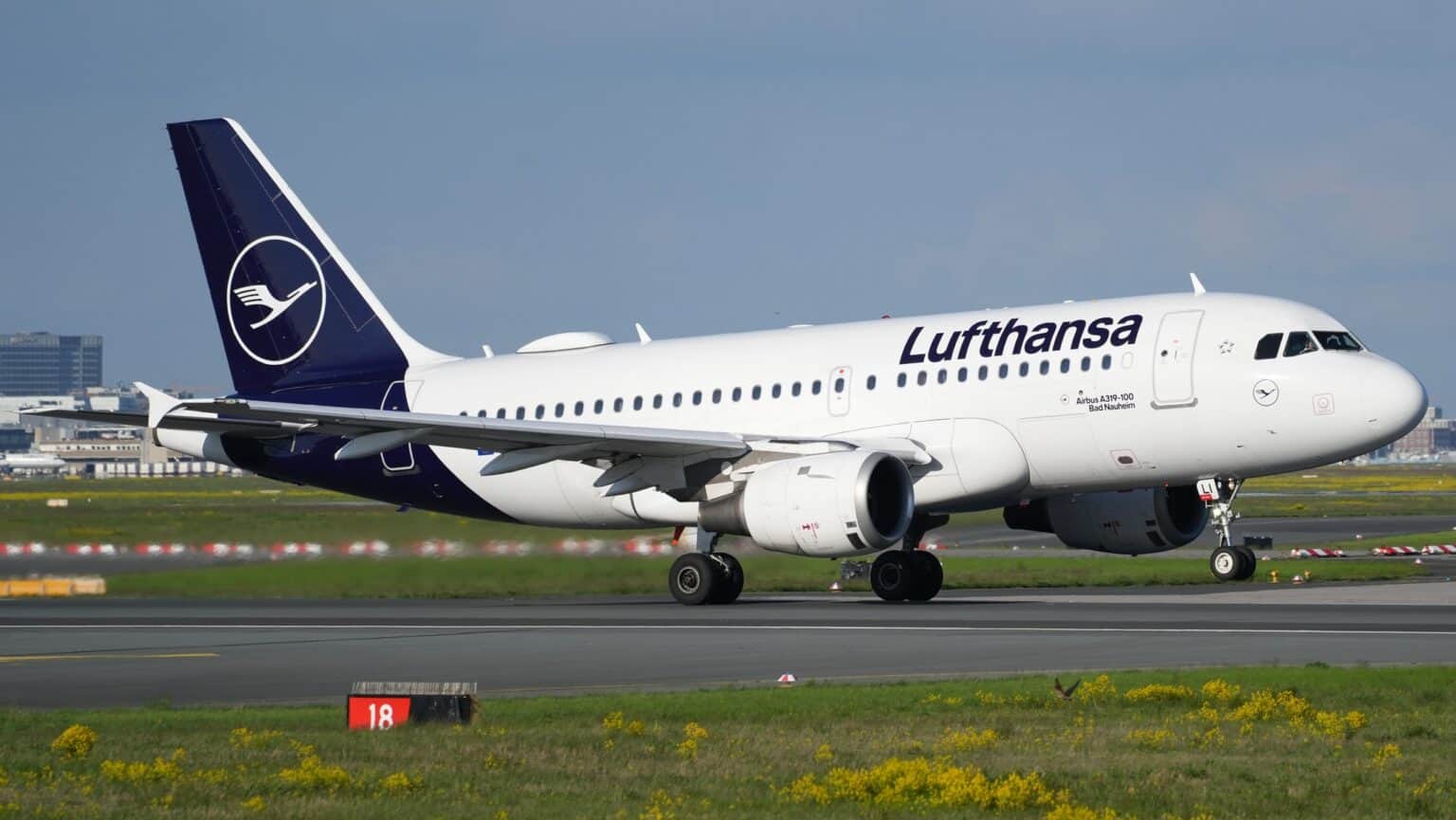
On November 17, 2026, Lufthansa put what it called a comprehensive offer to the pilots’ union Vereinigung Cockpit (VC), promising up to 1,000 new cockpit hires by the end of 2033 in exchange for pay restraint and pension changes. The union answered the same day by accusing the airline of rejecting a mediator’s compromise, and gave it until November 23 to reconsider.
No strike has been called. But the two sides now have competing proposals on the table after seven months of talks, and the pilots walked out several times earlier this year.
What Lufthansa is offering
According to the Lufthansa Group, the offer rests on recommendations from two arbitrators, former German state premiers Bodo Ramelow and Roland Koch, one appointed by each side. The arbitrators set out guardrails for a compromise and suggested pausing the arbitration so the parties could negotiate on that basis.
The headline item is jobs: up to 1,000 cockpit hires by the end of 2033 and, with them, up to 150 additional promotions to captain each year. On pay, Lufthansa proposes a temporary stabilization of pay levels at Lufthansa Classic, its core flight operation, along with changes to salary scales, productivity measures and an adjusted variable pay component.
In return, pilots would get a one-off payment for 2027 and another for 2028, then salary increases from 2029. The airline did not publish any amounts.
Pensions, at the heart of this year’s pilot strikes, would see what Lufthansa calls cost-neutral adjustments. These include more options for investing pension assets, a different spread of contributions over a pilot’s career, and transitional pension benefits that take the higher statutory retirement age into account.
Pilots at Lufthansa CityLine, the regional subsidiary whose flying Lufthansa has permanently removed from its schedule, would get the option to transfer to Lufthansa Classic, with support measures. The arbitrators “have outlined a balanced compromise that requires concessions from both sides,” said Michael Niggemann, a member of the Lufthansa Group Executive Board, adding that either side can resume the arbitration if negotiations fail.

Why the union rejects it
In a statement in German, VC said seven months, three arbitration rounds and 18 sessions with a mediator had produced no agreement. At the end, the mediator tabled his own proposal, which the union says it is ready to work out in detail and Lufthansa is currently refusing.
By VC’s account, the mediator’s plan already asks a lot of pilots: rounds with no pay increase, lower pay for extra flight hours and substantial cuts to variable pay. In return it offers long-term planning certainty, job protection and prospects for CityLine staff.
“Instead, the employer now turns up with a proposal of its own, as if seven months of talks had never happened,” said Arne Karstens, spokesman for VC’s group bargaining committee, in AeroCorner’s translation. He added that if pilots are to make concessions, they need at least matching protection for their jobs.
The union gave Lufthansa until November 23, 2026, to rethink its position and start working out a deal on the basis of the mediator’s proposal. “The ball is now in the employer’s court,” Karstens said.
How the dispute got here
This year’s pilot strikes were over company pensions for pilots at Lufthansa and Lufthansa Cargo, and over pay at CityLine. VC says pilots received a traditional pension with guaranteed payouts until 2017, when it was replaced, at the airline’s urging, by a capital-market model that falls well short of the old level.
The union called pilot strikes at Lufthansa on February 12, on March 12 and 13, and again in April, when it also proposed binding arbitration that, VC said, Lufthansa turned down. The two sides later agreed on arbitration, and held a first meeting with Ramelow and Koch in early September.
Strikes across the group proved expensive. In its second-quarter results, Lufthansa said strikes cost it at least 150 million euros, and that six strike days in April helped cut its network airlines’ capacity by 3 percent.
What it means for passengers
For now, no strike has been called, and VC’s statement does not announce or threaten one. The union’s earlier strike calls covered Lufthansa flights departing German airports, which include its hubs at Frankfurt Airport and Munich Airport.
Neither side has said what happens if the November 23 deadline passes without movement, though Lufthansa notes the paused arbitration can be restarted.
Other European airline labor disputes are also running into late-November dates, from the Icelandair pilots’ strike announced for charter flights from November 20 to a planned sympathy strike at SAS in Norway.
If a strike does come
In 2021 the EU Court of Justice ruled that a strike called by a union of an airline’s own staff over pay and working conditions is not an extraordinary circumstance. That means an airline cannot rely on such a strike to avoid paying EU261 compensation for the cancellations or long delays it causes.
Sources and references used for research and fact-checking.
- Lufthansa Group, Lufthansa submits comprehensive offer to Vereinigung Cockpit based on arbitrators' recommendations
- Vereinigung Cockpit, Mediation beendet: Arbeitgeber lehnt Lösungsvorschlag ab
- Lufthansa Group, Lufthansa Group benefits from strong demand for air travel and achieves an operating profit of 383 million euros despite significantly higher fuel costs
- Court of Justice of the European Union, Press release No 44/21: Judgment in Case C-28/20 Airhelp v SAS
Get the Newsletter
The latest aviation news and stories sent to your inbox.
About the Author

AeroCorner News is the aviation news desk of AeroCorner.com. It covers accidents and incidents, safety rulings, airline and airport disruption, and new aircraft. It works from primary sources such as the NTSB, FAA, EASA and the manufacturers' own announcements.