

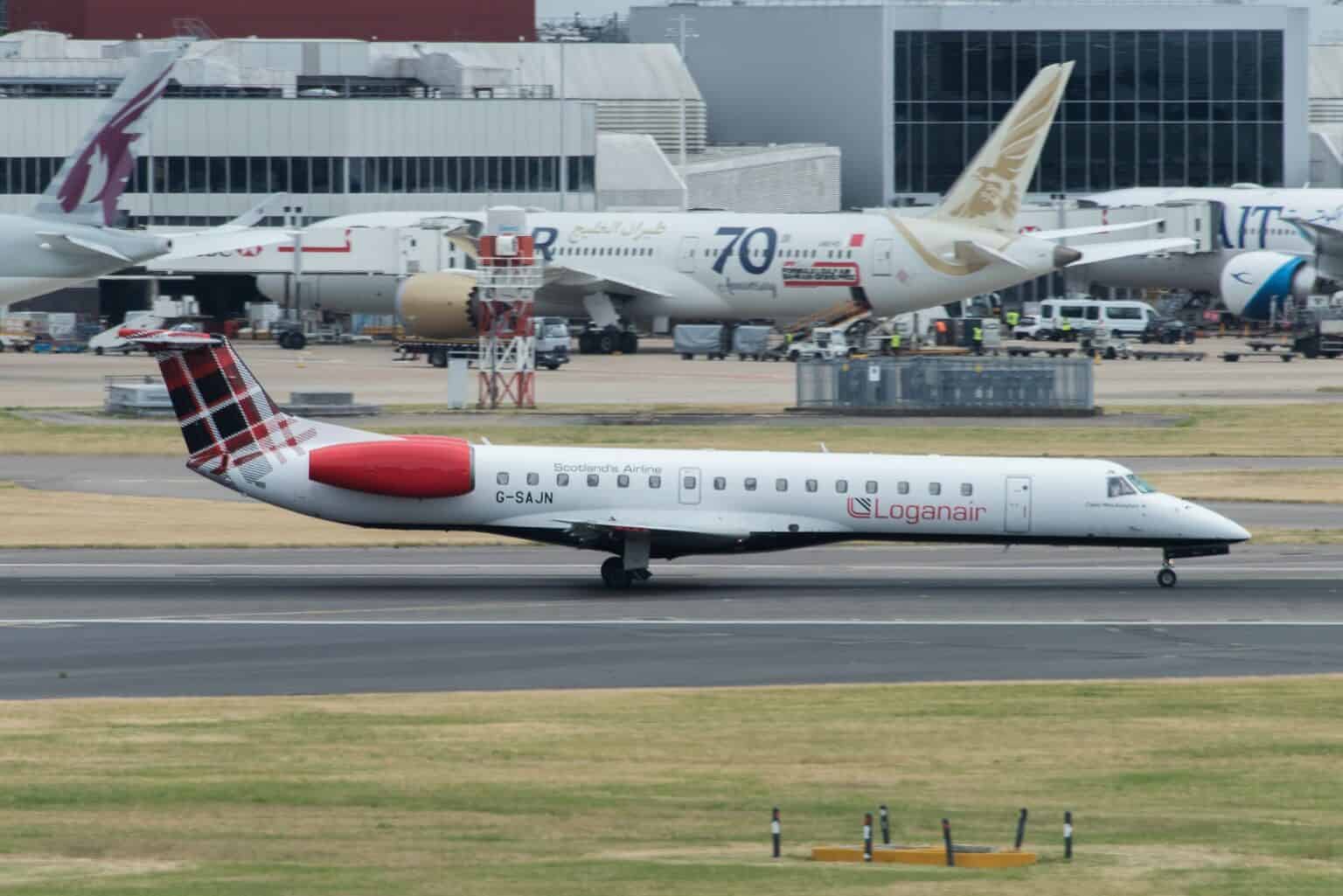
On Friday, October 30, 2026, Loganair said its cabin crew, represented by the Unite union, had voted to accept a two-year pay agreement, ending the threat of a strike at the regional airline. The deal gives crew 8% backdated to April 1, 2026, and a further 8% from April 1, 2027.
The result came three days after Unite said members had given it an “overwhelming mandate” for strikes, in the ballot that opened October 8. No walkout had been called at that point, Loganair said, and it told customers they did not need to change any plans.
What the Crew Voted For
The rises are reported as increases in basic pay, and the agreement adds commitments on scheduling and colleague wellbeing, according to the terms reported by the Inverness Courier. The reports we read give no detail on those commitments and no count for this second vote.
The Glasgow Times puts the total at 16%. If the second rise is applied to the already raised rate, the cumulative increase in basic pay works out at about 16.6%.
The April 2026 start date lines up with the end of the previous agreement. That 18-month deal, announced by Unite in November 2024, ran from September 2024 to April 2026 and raised average basic pay by 23%, or 26.7% once other benefits and allowances were counted.
That gap between the two 2024 figures is a reminder that cabin crew pay is built from more than a basic rate. The new 8% figures are reported as basic pay.
Unite industrial officer Carrie Donoghue called the deal “well above inflation” and said the crew had “remained resolute,” STV News reported. Loganair CEO Luke Farajallah said it “provides certainty for our colleagues and for Loganair over the next two years.”
The Office for National Statistics put UK consumer price inflation at 3.5% in the 12 months to September 2026, so the first rise is more than double that rate. The second cannot be judged yet, because nobody knows what inflation will be by April 2027.
Two Readings of One Ballot
The two sides described the strike vote very differently. A Unite spokesperson told We Love Stornoway that more than 90% had voted in favor, while Loganair said about “50 out of the 150 total Loganair cabin crew” had backed action, in a statement carried by STV.
Those numbers are not necessarily in conflict, because they appear to use different denominators. Unite balloted more than 60 crew, and Loganair measured the yes votes against its whole cabin crew workforce, so about 50 yes votes could still exceed 90% of those cast.
Neither side published an exact count or a turnout figure in the statements we read. The size of the “final” offer crew rejected earlier in the dispute is also missing from them, so it is not possible to say how much the pay offer improved.
What It Means for Passengers
For travelers, the immediate effect is that the strike threat from this dispute has gone. The Unite spokesperson had said in advance that “if they accept it then the pay dispute is over.”
The crew in the ballot were based at Aberdeen, Dundee, Edinburgh, Glasgow, Inverness Airport, the Isle of Man and Southampton. Shetland News had warned of a knock-on effect on flights at Sumburgh Airport, though Loganair said in October that it expected no disruption.

Any walkout was always some way off. UK law now requires at least 10 days’ notice of industrial action, under changes that took effect on February 18, 2026, according to a briefing from law firm VWV, so a ballot closing October 27 could not have produced a strike before early November.
What the Deal Leaves Open
Pay was only part of Unite’s complaint. It also tied rising workloads and job insecurity to Loganair’s August decision to stop its public service obligation routes at Dundee.
Two of the seven bases in the ballot were being wound down during the dispute. Loganair set October 23 for the end of its Dundee operations, as Travel Extra reported in August, and the Daily Echo says the Southampton base closed at the end of October.
The statements on the deal that we read do not address what those closures mean for crew. They also put no cost on the agreement, at an airline where Unite counts £31.6 million in after-tax profit over four years and Loganair pointed in October to rising fuel costs and softening demand.
Sources and references used for research and fact-checking.
Get the Newsletter
The latest aviation news and stories sent to your inbox.
About the Author

AeroCorner News is the aviation news desk of AeroCorner.com. It covers accidents and incidents, safety rulings, airline and airport disruption, and new aircraft. It works from primary sources such as the NTSB, FAA, EASA and the manufacturers' own announcements.