

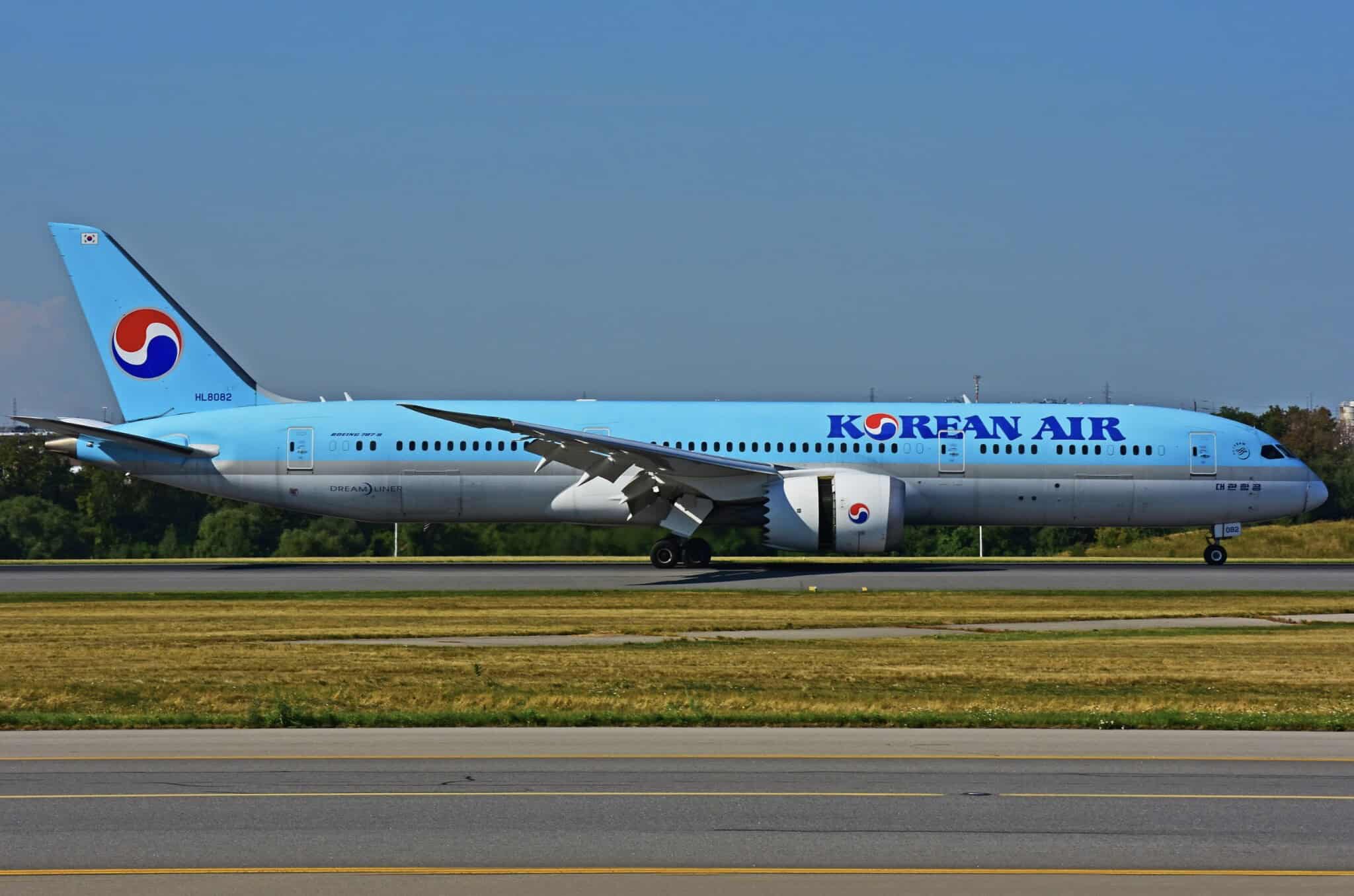
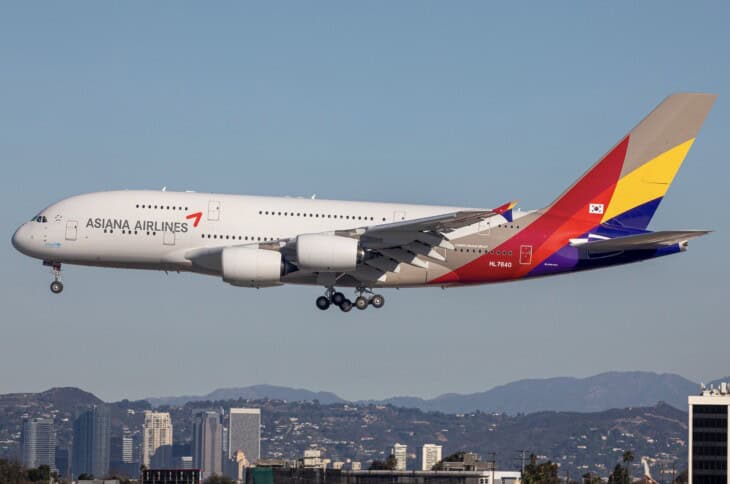
On August 12, 2026, Korean Air’s board and Asiana Airlines’ shareholders formally approved the two carriers’ merger agreement, clearing the last corporate hurdle before South Korea’s two largest airlines combine into a single carrier on December 17, 2026.
What was actually voted on
Korean Air’s board ratified the consolidation agreement under the small-scale merger provisions of Korea’s Commercial Act, according to The Korea Herald. At an extraordinary general meeting the same day, Asiana shareholders backed the deal with 99.3% of the 167,436,677 shares voted, on 81.86% attendance, Aerotime reported.
“A mega-carrier to be created through the merger will be the first step toward writing a new history in Korea’s aviation industry,” Asiana chief executive Song Bo-young said, according to Seoul Economic Daily.
Six years to get here
The vote closes out a deal that began nearly six years ago, and has needed sign-off from antitrust regulators on four continents along the way.
Regulators worried the combination would leave a single carrier controlling too many overlapping routes out of Korea, particularly to Europe and Japan. Clearing that concern is why the deal took so long: Korean Air had to give up landing slots and entire routes to rival airlines before any government would sign off.
November 2020
Korean Air announces a plan to acquire struggling rival Asiana Airlines, forming what would become one of the world’s ten largest airlines by fleet.
2022 to 2024
Antitrust clearances arrive in stages. China, South Korea, the UK, the EU, and Japan each approve the deal on the condition Korean Air surrenders overlapping routes and airport slots, including Heathrow slots handed to Virgin Atlantic and European slots given to T’way Air.
May 2023
The US Department of Justice blocks the merger as originally structured, forcing Korean Air to redesign the deal as a 63.88% stake acquisition rather than a full takeover.
December 2024
The DOJ approves the revised deal and Korean Air completes its stake purchase, becoming Asiana’s controlling shareholder.
June 25, 2026
South Korea’s transport ministry conditionally clears the merger under its domestic airline licensing rules.
August 12, 2026
Korean Air’s board and Asiana’s shareholders give final approval, setting up registration of the combined company for December 17, 2026.
What still has to happen before December 17
A shareholder vote does not make an airline merger real overnight. Korean Air still has to work through creditor protection procedures, amend its Air Operator Certificate to cover Asiana’s aircraft and crews, and secure transferred international operating permits so Asiana’s foreign routes can keep flying under the Korean Air certificate without a gap in service.
Asiana is due to leave the Star Alliance on December 16, the day before its brand disappears into Korean Air and its SkyTeam membership. The combined carrier will fly a mixed fleet of Boeing and Airbus widebodies out of its Incheon hub, ranking it among the world’s ten largest airlines by fleet size.
One piece still missing
Korea’s Fair Trade Commission has not yet ruled on how the two airlines’ frequent flyer miles will be combined, a decision both carriers are still waiting on.
That loose end will not stop the December 17 launch, but it means flyers with Asiana miles will not know the exact terms of the merged loyalty program until regulators weigh in.
Korean Air has now secured sign-off from 13 overseas competition authorities in total, including the United States, the European Union, and Japan, according to ch-aviation. MOLIT’s domestic approval carried its own condition, requiring Korean Air to fold Asiana’s overseas safety certifications into its own before the two carriers can legally fly as one.
Get the Newsletter
The latest aviation news and stories sent to your inbox.
About the Author

Tim is the owner and lead editor of AeroCorner since 2019, overseeing aviation content covering aircraft, airlines, airports, and the broader aviation industry. Through years of researching, writing, editing, and publishing aviation-focused content, he has developed extensive practical knowledge of commercial aviation and air travel. Based in Asia and a frequent traveler himself, Tim also brings firsthand passenger experience to AeroCorner’s coverage. Outside of publishing, he has also explored aviation firsthand through hands-on flight training in New Zealand.