

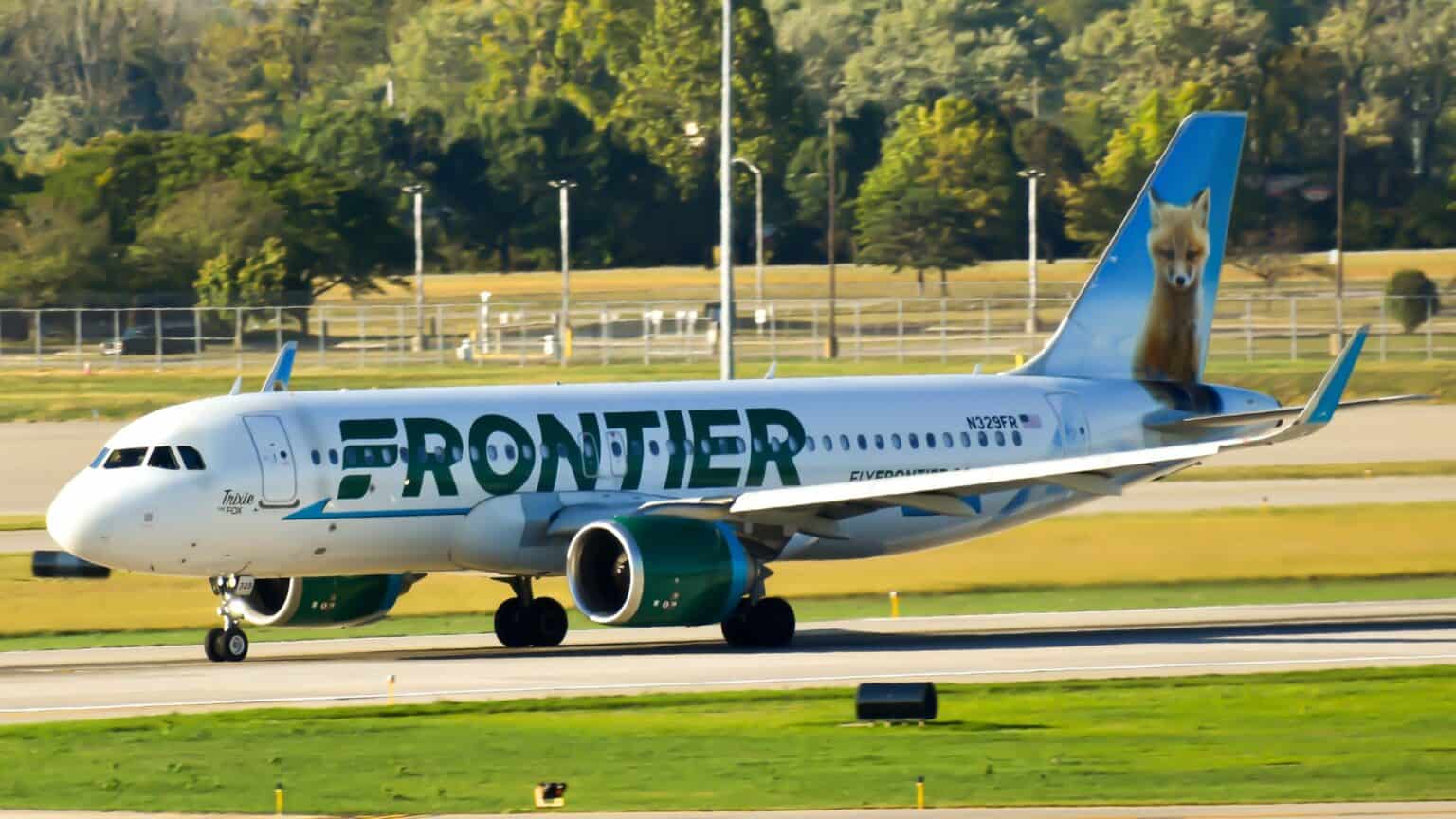
Frontier Airlines flight F94978, an Airbus A320neo bound for Orlando, turned back to Houston’s George Bush Intercontinental Airport on Tuesday, Nov. 3, 2026, minutes after takeoff. Flight-tracking data show it was back on the ground 13 minutes after it left.
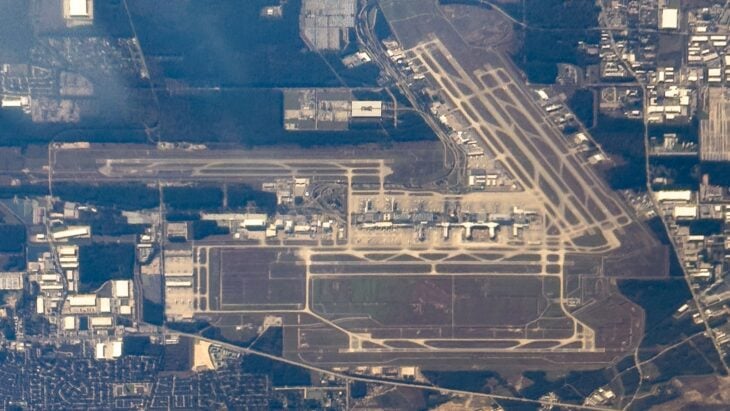

The crew stopped the climb at 4,000 feet, reported unidentified vibrations in the cabin and asked for emergency services to stand by, according to The Aviation Herald. It put the number of people on board at 154.
What the flight track shows
The flight’s FlightAware record shows the jet taking off at 5:34 p.m. local time and climbing southeast. It leveled off at roughly 4,000 feet, briefly reached about 4,900 feet, then turned back about 23 miles (37 km) east of the airport.
The track then runs due west to a landing at 5:47 p.m., which fits The Aviation Herald’s account of a touchdown on Runway 27. FlightAware logs the trip as a diversion back to Houston Bush Intercontinental, with no holding pattern before the approach.
FlightAware’s history for the tail number, N329FR, matches the flight. The FAA aircraft registry lists N329FR as an Airbus A320neo (model A320-251N) built in 2018 and fitted with CFM International LEAP-1A26 engines.
Neither the published reports nor the tracking data say where the vibration came from. AeroCorner found no statement from Frontier or the FAA about the flight at the time of writing, and none of the reports say whether anyone was hurt.
Passengers reached Orlando after 4 a.m.
Another Frontier A320neo, N396FR, flew in from Orlando and landed in Houston just after midnight. FlightAware shows that jet operating a second F94978 at 1:29 a.m. on Wednesday, Nov. 4, landing in Orlando at 4:14 a.m. Eastern time.
The original flight was due at the Orlando gate at about 7:13 p.m. Eastern on Tuesday. The Aviation Herald put the replacement’s arrival at about 8 hours 20 minutes late, and the tracking data do not show whether every passenger took that flight.
N329FR had not flown again by late Wednesday afternoon, nearly a day after the return, according to its FlightAware history. The Aviation Herald had reported it still on the ground in Houston about 20 hours after landing.
What a delay this long entitles travelers to
Under the Department of Transportation’s refund rule, a domestic flight that arrives three hours or more later than scheduled counts as a significant change. A passenger who chose not to travel, and turned down rebooking and any other compensation, is owed a refund.
The DOT says a passenger who accepts the rebooked flight is not entitled to a refund. Extra help then depends on what each airline has promised for delays it causes.
On the DOT’s airline customer service dashboard, Frontier commits to a meal or meal voucher for a controllable delay of three hours or more, and to rebooking on its own flights at no extra cost. It does not commit to hotel rooms for overnight delays, cash compensation or travel credits.
Frontier has not said what caused the vibration, so it is not yet clear how the airline will classify this delay. Its passengers have been stranded before: in September, Frontier passengers spent the night in Knoxville after a weather diversion ran their crew out of legal duty time.
A Frontier A320neo has turned back over vibration before
In October 2021, another Frontier A320neo, N335FR, turned back to Cancun after takeoff for Denver when the crew declared an emergency over flight control vibration. It was classed as a serious incident, with Mexico’s civil aviation authority responsible, according to the notified-event record kept by France’s BEA.
That jet was flown to Tampa, made test flights and returned to service 11 days after the event, AeroInside reported. Nothing published so far links the two events, and the cause of the Houston vibration has not been made public.
Sources and references used for research and fact-checking.
- FAA Aircraft Registry, N-Number inquiry: N329FR
- U.S. Department of Transportation, What Airline Passengers Need to Know About DOT's Automatic Refund Rule
- U.S. Department of Transportation, Airline Customer Service Dashboard (flightrights.gov)
- BEA, Serious incident to the Airbus A320 registered N335FR operated by Frontier Airlines on 11/10/21 near Cancun
Get the Newsletter
The latest aviation news and stories sent to your inbox.
About the Author

AeroCorner News is the aviation news desk of AeroCorner.com. It covers accidents and incidents, safety rulings, airline and airport disruption, and new aircraft. It works from primary sources such as the NTSB, FAA, EASA and the manufacturers' own announcements.