

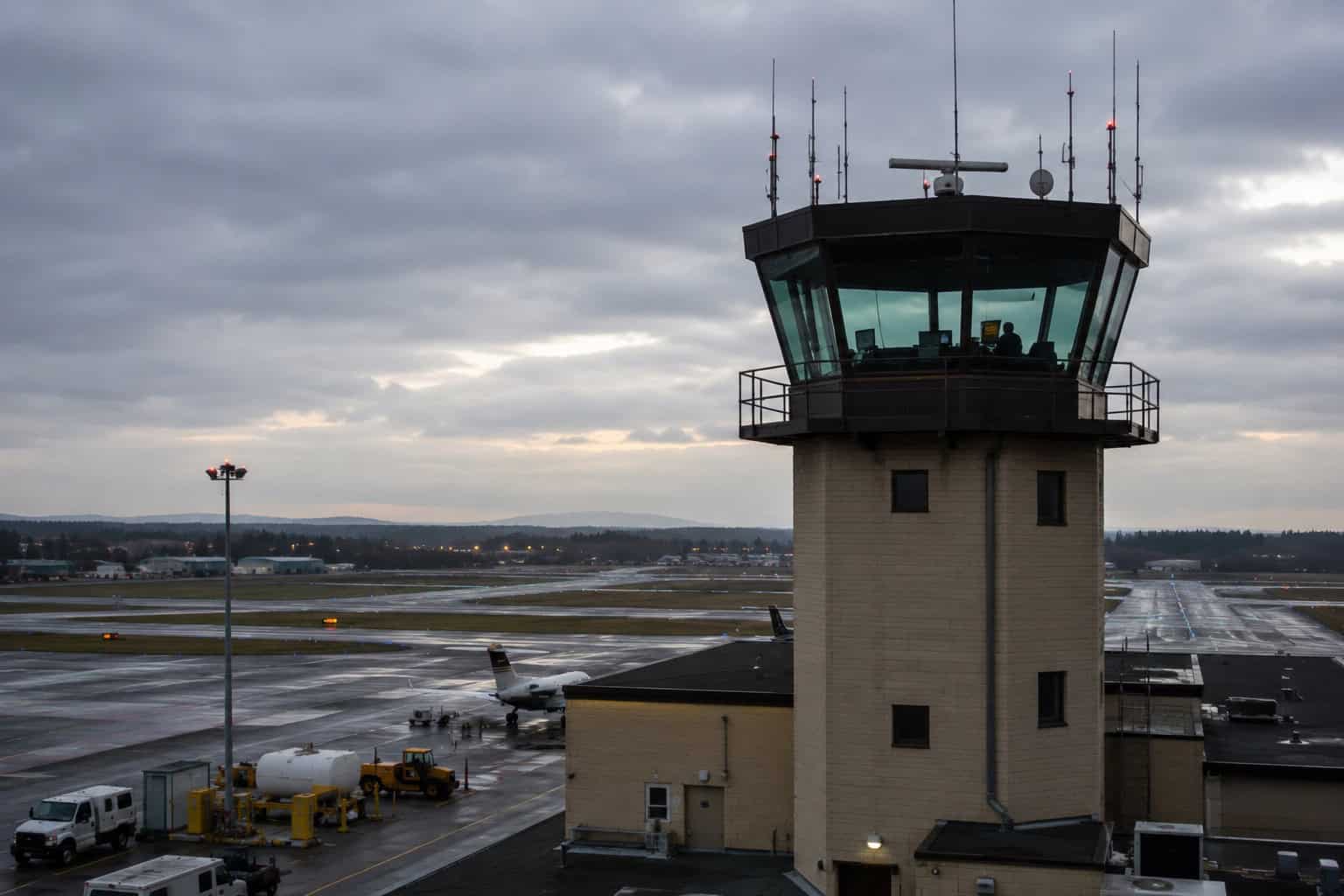
On August 4, 2026, the Federal Aviation Administration announced 339 grants worth roughly $870 million to airports across 44 US states and territories. It is an ordinary-looking batch of runway and terminal money with one unusual feature: it comes out of the fifth and final installment of a program that stops issuing new money at the end of next month.
The awards were reported by Flying Magazine, which noted the round was the eighth set of airports funded in fiscal 2026. Los Angeles International was among the recipients.
What the Money Buys
The grants come from the Airport Infrastructure Grants program, or AIG, which the FAA describes as covering runways, taxiways, safety and sustainability work, terminals, and airport roadway and transit connections. That is a deliberately wide list.
What separates AIG from the FAA’s older grant channels is how the money moves. AIG is distributed by formula to every airport in the National Plan of Integrated Airport Systems, rather than being competed for project by project.
That is why a single announcement can carry 339 separate grants at once, and why the list mixes a hub like Los Angeles International with small general aviation fields that would rarely win a competitive federal award. The NPIAS covers roughly 3,300 public-use facilities across every category of airport in the country.
Why This Round Is the Last One
AIG was created by the Infrastructure Investment and Jobs Act, signed in November 2021, which authorized $15 billion for airport infrastructure over five years. About $14.5 billion of that reaches airports as grants, released in annual tranches of roughly $2.89 billion.
Fiscal 2026 is the fifth tranche, and there is no sixth. The American Association of Airport Executives told its members that the FY26 allocation represents the final year of AIG funding. New AIG allocations stop when the fiscal year closes on September 30, 2026.
After that, federal capital support for airports falls back to the Airport Improvement Program, the long-running channel funded from aviation taxes at a baseline in the region of $4 billion a year. For five years, AIG has been sitting on top of that baseline. Next year it will not be.
Reality check
The money already allocated does not disappear on October 1. AIG allocations carry a multi-year window to be obligated to actual projects, so funds from the later years remain spendable into 2028. What ends is the flow of new allocations, not the ability to use what is already assigned.
The practical squeeze lands on airports that sized their capital plans around the larger post-2021 number. A terminal or airfield project scoped when federal support covered a big share of the cost has to close that gap somewhere once the supplemental money is gone.
The usual answers are municipal bonds, passenger facility charges, and airline-backed lease agreements, all of which cost more than a grant. Construction costs have also risen sharply since the program was written in 2021, so the same dollar figure buys noticeably less concrete than it did when the law passed.
Larger airports have already been leaning on that private financing model rather than waiting for Washington. Melbourne Airport’s terminal and runway deal with Qantas is one version of it, and US hubs with strong airline partners have similar options. Small regional fields, which have no such leverage, are the ones for which the formula grant was doing the heaviest lifting.
November 2021
IIJA signed. The law authorizes $15 billion for airport infrastructure over five fiscal years, creating the AIG formula program.
FY2022
First tranche. Roughly $2.89 billion is allocated by formula to airports in the National Plan of Integrated Airport Systems.
August 4, 2026
339 grants, $870 million. The FAA announces the eighth batch of FY26 awards, spread across 44 states and territories.
September 30, 2026
New allocations end. The fifth and final AIG tranche closes out and federal support reverts to the Airport Improvement Program baseline.
2027 to 2028
Spend-down window. Allocations from the later program years remain available to be obligated to projects before they expire.
None of this is a surprise to the industry. The end date was written into the law five years ago, and airport finance teams have been modeling the drop for years. It is still the largest single change to US airport funding since the program began, and it takes effect in under two months.
Sources and references used for research and fact-checking.
Get the Newsletter
The latest aviation news and stories sent to your inbox.
About the Author

Tim is the owner and lead editor of AeroCorner since 2019, overseeing aviation content covering aircraft, airlines, airports, and the broader aviation industry. Through years of researching, writing, editing, and publishing aviation-focused content, he has developed extensive practical knowledge of commercial aviation and air travel. Based in Asia and a frequent traveler himself, Tim also brings firsthand passenger experience to AeroCorner’s coverage. Outside of publishing, he has also explored aviation firsthand through hands-on flight training in New Zealand.