

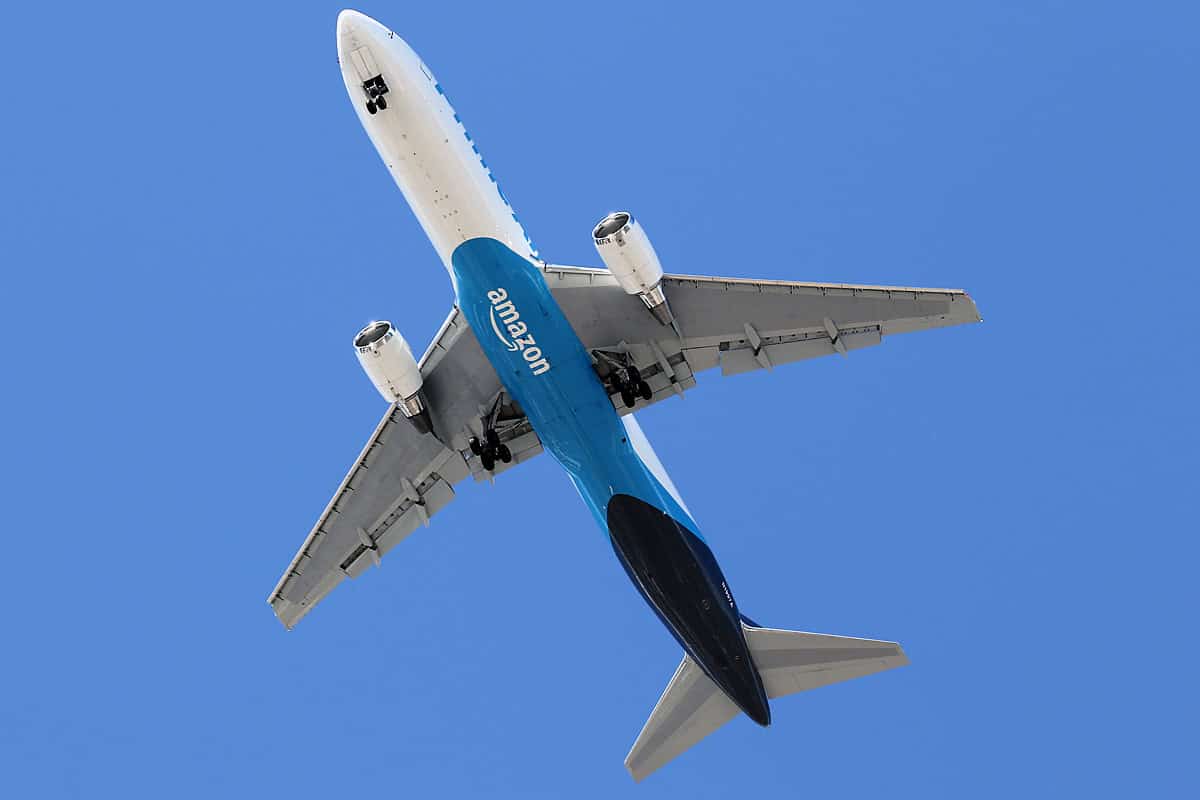
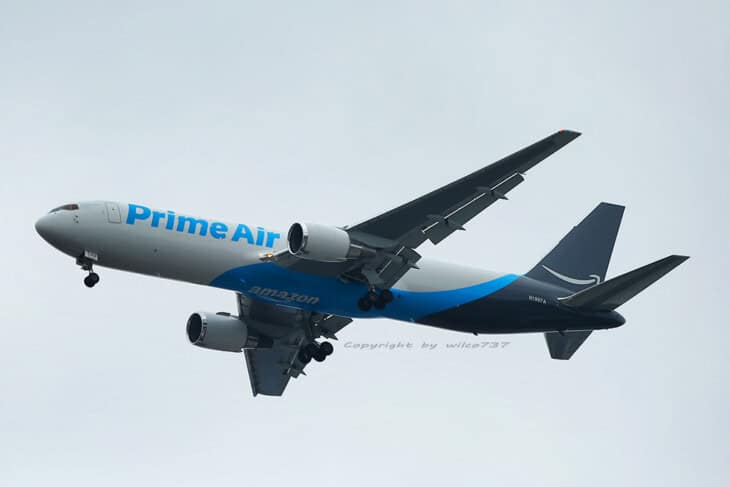
On September 6, 2026, a Boeing 767 freighter operating for Amazon overran the runway while landing at Miami International Airport, crossed a perimeter road, and struck several vehicles before catching fire. Five people were killed and five others were injured, including both pilots. The aircraft, 21 Air Flight 7598, had flown in from San Juan, Puerto Rico.
What is known so far
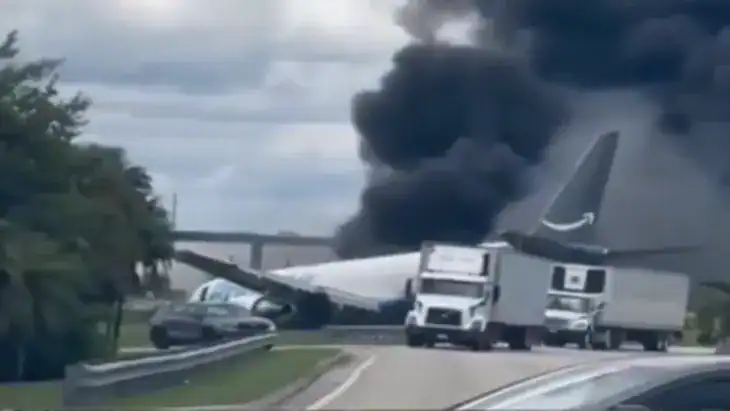
The jet touched down around 2 p.m. local time and ran off the end of runway 30, the airport’s 9,360-foot (2,850 m) crosswind runway, according to the FAA. It came to rest near a warehouse parking lot off Northwest 42nd Avenue, on the eastern edge of the field, where it burned.
Miami-Dade Fire Rescue sent more than 60 units and described an active fuel leak at the scene.
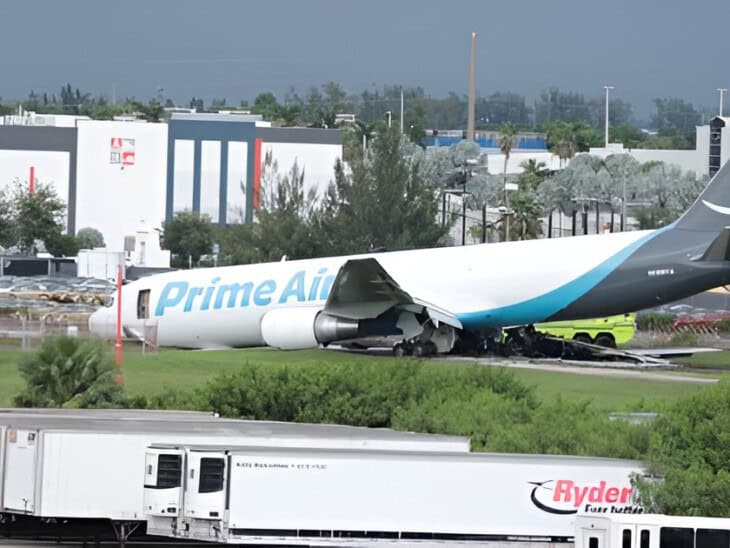
Tracking data reviewed by Flightradar24 showed the aircraft left the paved surface by roughly 2,000 feet (610 m), past the runway’s overrun area. The aircraft, registered N1997A, was a 32-year-old Boeing 767 freighter built in 1994 as a passenger jet and converted to carry cargo in 2015.
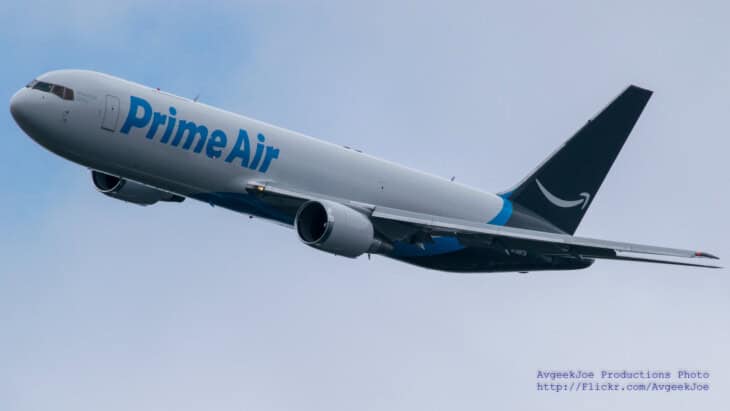
Amazon confirmed the flight was operated on its behalf by 21 Air, a small US cargo carrier based in Greensboro, North Carolina. Amazon spokesperson Kelly Nantel told NBC News the company was “heartbroken to learn that five people lost their lives,” and 21 Air and Boeing both issued condolences.
Both pilots survived with injuries. Authorities had not confirmed whether the five people killed were aboard the aircraft or on the ground, though early accounts placed them in vehicles near the airport. The identities of the victims were not released.
The FAA and the National Transportation Safety Board are investigating. The NTSB sent a go team led by Chairwoman Jennifer Homendy and said it would examine the weather, the aircraft’s systems, the flight recorders, and the runway. The board normally publishes a preliminary report within about 30 days and a probable cause one to two years later.
Miami International closed all four of its runways after the accident and reopened two of them by early evening. The airport warned of ground delays into Monday.
Why a long runway can still end in an overrun
A runway excursion, when an aircraft leaves the paved surface on landing or takeoff, is one of the most persistent categories of aviation accident worldwide. When a serviceable jet overruns a runway this long, investigators usually look at the approach rather than the pavement.
Common factors include touching down long or fast, an unnoticed tailwind, standing water on the surface, or a problem with the brakes or thrust reversers. A wet runway during a Florida afternoon storm can stretch a landing rollout well past its dry-day figure. None of those factors has been confirmed here.
Regulators have pushed cockpit systems that warn crews when a landing will not fit inside the runway. A Cessna business jet overran a runway in California less than a week before the Miami accident, without fatalities.
Amazon Air has grown since 2016 into a network of more than 200 aircraft, almost all of them older Boeing 767s and 737s flown by contract operators rather than by Amazon itself. 21 Air is one of the smaller carriers in that group.
The last fatal accident involving a 767 freighter in the United States was Atlas Air Flight 3591 in February 2019, which crashed near Houston after the crew lost control during a go-around.
The age of a freighter airframe is rarely a direct cause of an accident, though it draws extra maintenance scrutiny. What sent this aircraft off the end of a long runway, and why it could not stop before reaching a public road, are the questions the NTSB will now work to answer.
Still an early picture
The number and location of the victims, the runway and weather conditions at landing, and the cause are all unconfirmed. The FAA statement and the NTSB’s on-scene briefings will supersede these first accounts.
Sources and references used for research and fact-checking.
Get the Newsletter
The latest aviation news and stories sent to your inbox.
About the Author

Tim is the owner and lead editor of AeroCorner since 2019, overseeing aviation content covering aircraft, airlines, airports, and the broader aviation industry. Through years of researching, writing, editing, and publishing aviation-focused content, he has developed extensive practical knowledge of commercial aviation and air travel. Based in Asia and a frequent traveler himself, Tim also brings firsthand passenger experience to AeroCorner’s coverage. Outside of publishing, he has also explored aviation firsthand through hands-on flight training in New Zealand.