

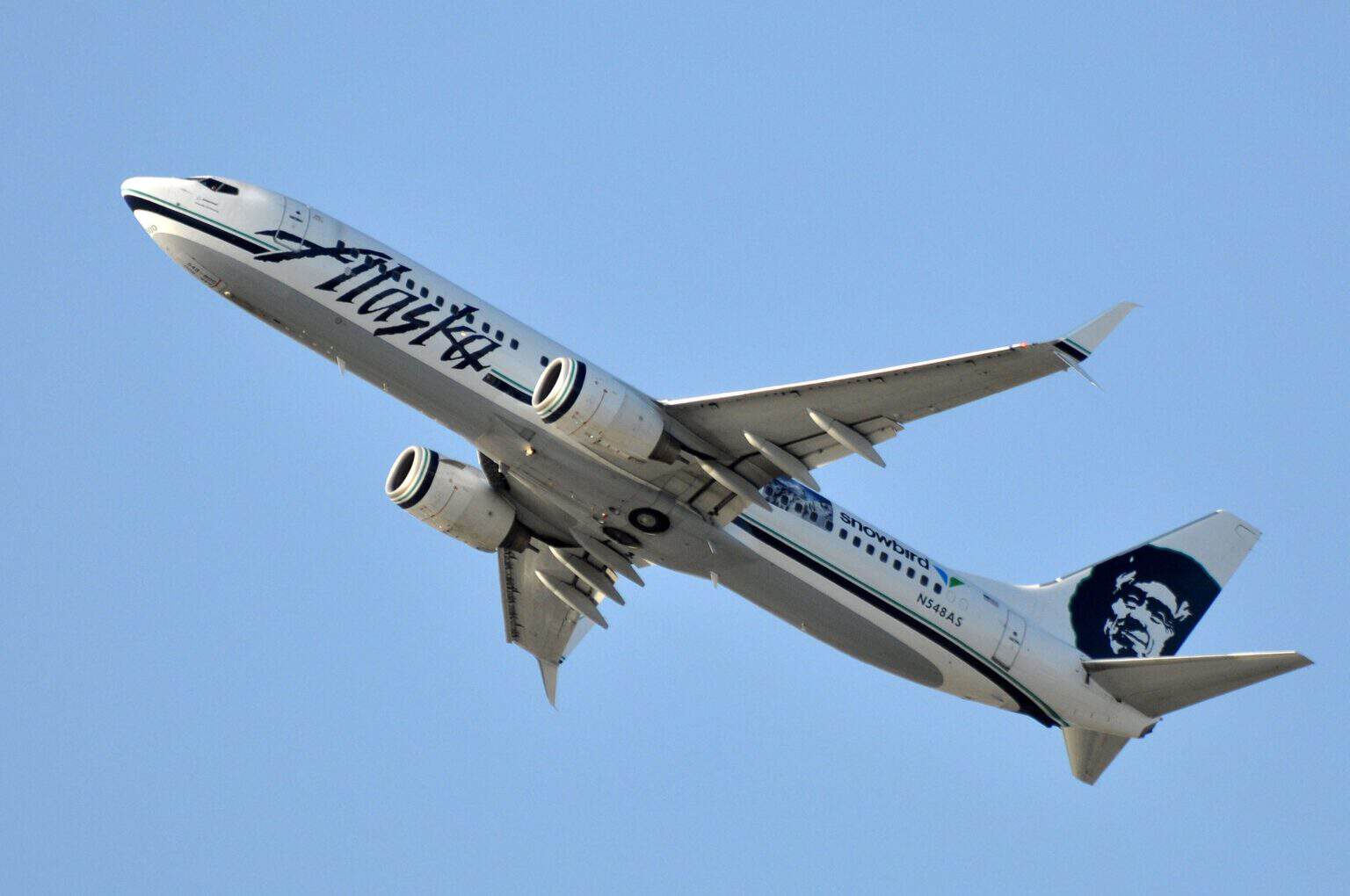
Alaska Airlines flight AS41 from New York JFK to San Francisco never left the ground on Monday, November 23, 2026, after its Boeing 737-800 made contact with a catering truck at the airport. Alaska said the aircraft was pushing back from a gate when it happened, and that no one was injured.
The jet was registration N548AS, according to the Aviation Safety Network and FlightStats tracking data. The contact came on the Monday of Thanksgiving week.
What happened at the gate
AS41 was scheduled to leave at 5:25 p.m. local time. FlightStats records the 737 leaving gate 32 at Terminal 8 at 5:34 p.m., then logging a return to the gate rather than a takeoff.
The Aviation Safety Network says the truck struck the ventral strake of the left split scimitar winglet, the lower blade at the wingtip, and it lists the damage as minor. The database notes that its entry so far rests on news, social media and other unofficial sources.
A passenger’s video of the aftermath circulated on social media, and passengers were told the aircraft would return to the gate so they could get off, Simple Flying reported. Alaska has not said how the truck and the wingtip came together, and neither its statement nor the coverage so far names the catering company.
A swap, then a cancellation
FlightStats then shows AS41 reassigned to a second 737-800, N579AS, with an estimated departure of 11:10 p.m. The same data logs the flight’s cancellation at 9:24 p.m.
In a statement to Simple Flying, an Alaska spokesperson said the aircraft “was removed from service for maintenance inspection” and that passengers “were reaccommodated to a new flight that left this morning.” The statement did not say how many passengers were on board.
The same statement said “the aircraft returned to service.” Flightradar24 data shows N548AS operating Alaska’s AS33 from JFK to San Francisco on Tuesday, November 24, departing at 11:48 a.m., less than a day after the contact.
Why a winglet scrape grounds a jet for the night
N548AS carries split scimitar winglets, a retrofit for the 737-800 from Aviation Partners Boeing. It keeps the original blended winglet structure but adds strengthened spars, a scimitar-shaped tip and a large ventral fin that points down beneath the wingtip.
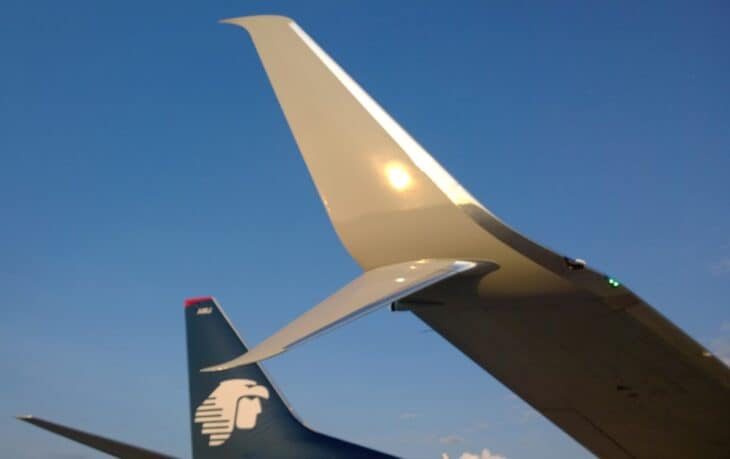

That fin hangs below the wingtip, so it is the lowest part of the wing’s outer end. Even contact the Aviation Safety Network rates as minor took the jet out of service for a maintenance inspection, Alaska said, and the evening flight went with it.
Ground damage is an expensive problem for airlines. In a December 2022 call for safer ground equipment, IATA said the annual cost of ground damage could double to nearly $10 billion by 2035 without preventive action.
IATA also said most ground damage to a stationary aircraft is caused by motorized ground equipment striking its fuselage. The JFK case does not fit that pattern neatly: Alaska says its jet was pushing back, and the truck reached the wingtip, not the fuselage.
The airplane involved is no newcomer to the fleet. The FAA registry lists N548AS as a Boeing 737-800 built in 2005 and registered to Alaska Airlines, with a certificate issued on July 1 of that year.
Ground collisions between aircraft and what surrounds them at the gate can end up before investigators, as the NTSB’s finding on a mis-parked jet at Charleston showed. Alaska’s statement, as published, did not mention any report to the FAA or the NTSB about the JFK contact.
Sources and references used for research and fact-checking.
- FlightStats, AS41 JFK-SFO, November 23, 2026 (original operation, N548AS)
- FAA Aircraft Registry, N548AS
- IATA, IATA Calls for Transition to Enhanced Ground Support Equipment (Dec 6, 2022)
- Aviation Partners Boeing (PR Newswire), Aviation Partners Boeing Signs 737-800 Split Scimitar Winglets Order with TUI Travel PLC
Get the Newsletter
The latest aviation news and stories sent to your inbox.
About the Author

AeroCorner News is the aviation news desk of AeroCorner.com. It covers accidents and incidents, safety rulings, airline and airport disruption, and new aircraft. It works from primary sources such as the NTSB, FAA, EASA and the manufacturers' own announcements.