

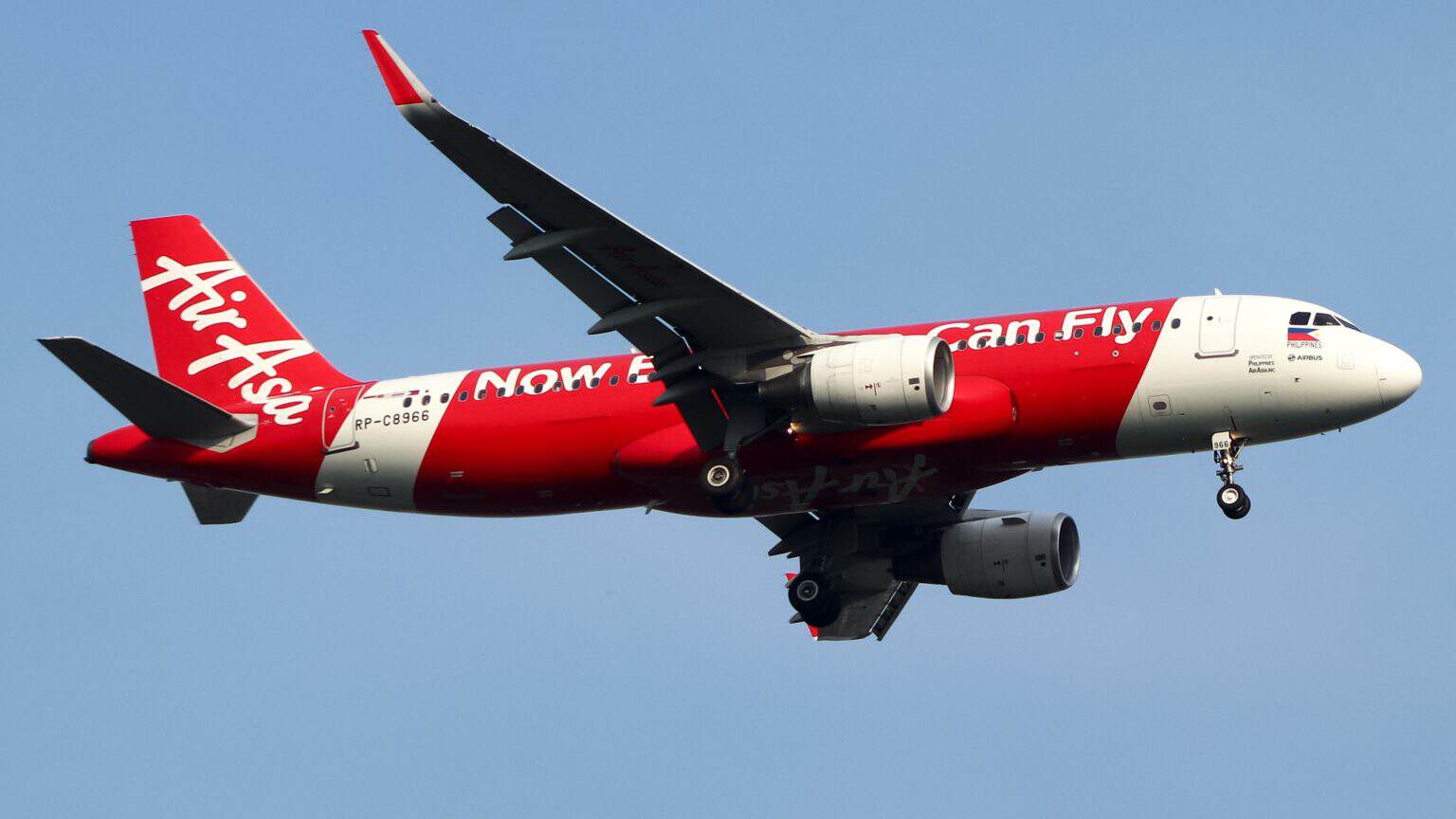
The AirAsia Philippines Pilots Union (APPU) filed a notice of strike with the Department of Labor and Employment (DOLE) on November 26, 2026, two days after the airline announced job cuts affecting about 90 captains and first officers. Their employment is set to end on December 31.
A notice is not a walkout. It starts a legally required waiting period, and Labor Secretary Francis Tolentino said the same day that his department would treat the dispute as a top priority because a strike would hit air travel.
What the airline and the union say
According to the union’s advisory, management announced a workforce reduction at a pilots’ meeting on November 24. About 90 captains and first officers lost access to their crew schedules that day and were called to individual meetings with management from November 25 to 27.
Pilots who attended on November 25 were handed retrenchment notices ending their employment on December 31. The cuts reach nearly half of the airline’s more than 200 pilots, the Daily Tribune reported.
AirAsia Philippines president and general manager Anna Victoria Lu called it “the very difficult decision to reduce our workforce” in a statement carried by Bilyonaryo. She blamed elevated jet fuel prices and unfavorable exchange rates, and said a review of routes and frequencies had lowered the airline’s manpower needs.
The airline did not say how many employees in total are affected or which routes and flights will change. People Matters, citing InsiderPH, put the cut at about 250 employees, including 96 pilots, cabin crew and other staff, a figure neither the airline nor the union has confirmed.
APPU president Oscar Joseph Ramos Jr., himself one of the affected pilots, said the retrenchment was “done hastily” and was not given enough time for consultation.
Why the union calls it union busting
The timing is the union’s main argument. APPU petitioned on September 4 for a certification election, the vote that would decide whether it becomes the pilots’ sole and exclusive bargaining agent, and the union says the petition was granted on November 19, five days before the cuts were announced.
The union had already won a court fight with the airline. On October 23, the Court of Appeals dismissed AirAsia’s bid to cancel the registration of the pilots’ organization, which the Daily Tribune reported under the name AirAsia Philippines Pilot Association, and ruled that the pilots are not managerial employees barred from unionizing.
The Trade Union Congress of the Philippines (TUCP), whose federation the union is affiliated with, said the timing was no coincidence. In a statement reported by Politiko, it asked AirAsia to suspend the cuts and bargain with APPU, and wrote: “Congress must investigate. DOLE must act. And AirAsia Philippines must explain itself.”
Sept. 4, 2026
Election petition. APPU asks for a certification election to become the pilots’ bargaining agent.
Oct. 23, 2026
Court ruling. The Court of Appeals dismisses AirAsia’s petition to cancel the pilots’ union registration.
Nov. 19, 2026
Petition granted. The certification election is allowed to go ahead, according to the union.
Nov. 24, 2026
Cuts announced. Management tells pilots about a workforce reduction; about 90 lose access to crew schedules.
Nov. 25, 2026
Notices served. Pilots in the first individual meetings receive retrenchment notices.
Nov. 26, 2026
Strike notice. APPU files with DOLE; the labor secretary forms a task force.
Dec. 31, 2026
Jobs end. The date the retrenchment notices take effect.
How a Philippine airline strike would unfold
Philippine law makes a union wait after filing. Under the National Conciliation and Mediation Board’s rules, the cooling-off period is 30 days for a bargaining deadlock and 15 days for an unfair labor practice, while a conciliator holds talks to settle the dispute.
The grounds in APPU’s notice have not been published, so which clock applies is not yet known. Counted from November 26, the shorter period would run out around December 11 and the longer one around December 26, both in the run-up to Christmas travel.
A strike also needs a majority of the union’s members in the bargaining unit to approve it by secret ballot, with the result reported to the board ahead of a 7-day strike ban. The rules waive the cooling-off period, but not the vote, when the dismissal of elected union officers threatens a union’s existence.

The government holds a stronger lever. The Labor Code lets the labor secretary assume jurisdiction over a dispute likely to cause a strike in an industry indispensable to the national interest, which automatically bars the strike.
Tolentino’s public comments so far have been about talks. He said he would personally monitor the dispute, had set up a task force and would push for a meeting of management and union on November 27, the Daily Tribune reported, while Bombo Radyo said DOLE had told the board to bring the two sides together.
An airline group already shrinking in the Philippines
The cuts follow a retreat AirAsia Group had already announced. Its second-quarter results in August said it had restructured the Philippine and Indonesian operations “with reduced fleet allocations” and cut unviable capacity, as fuel expenses rose 58% from a year earlier.
The same group has dropped its Sydney route as it retreats from older widebodies, and Malaysia has asked rivals whether they could absorb AirAsia’s domestic flying. Philippine rivals are under the same pressure from jet fuel prices.
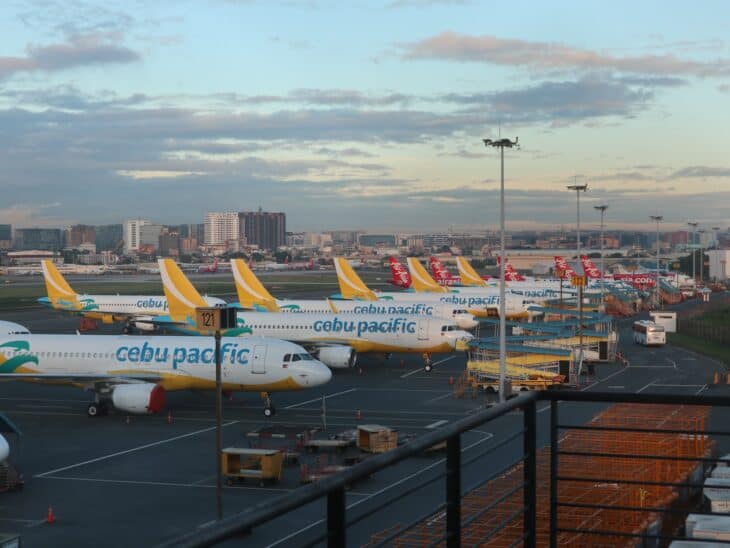
According to a Philippine Star column, Philippine Airlines swung to a P9.74 billion net loss for the first nine months of 2026 and Cebu Air, which operates Cebu Pacific, lost P5.89 billion in the first half. The airlines’ industry association is asking the government for relief on fuel costs.
For travelers, the strike notice is a warning, not a walkout. The risk is a strike during the holidays if the talks fail, plus whatever route and frequency cuts AirAsia Philippines has not yet named.
Sources and references used for research and fact-checking.
Get the Newsletter
The latest aviation news and stories sent to your inbox.
About the Author

AeroCorner News is the aviation news desk of AeroCorner.com. It covers accidents and incidents, safety rulings, airline and airport disruption, and new aircraft. It works from primary sources such as the NTSB, FAA, EASA and the manufacturers' own announcements.