

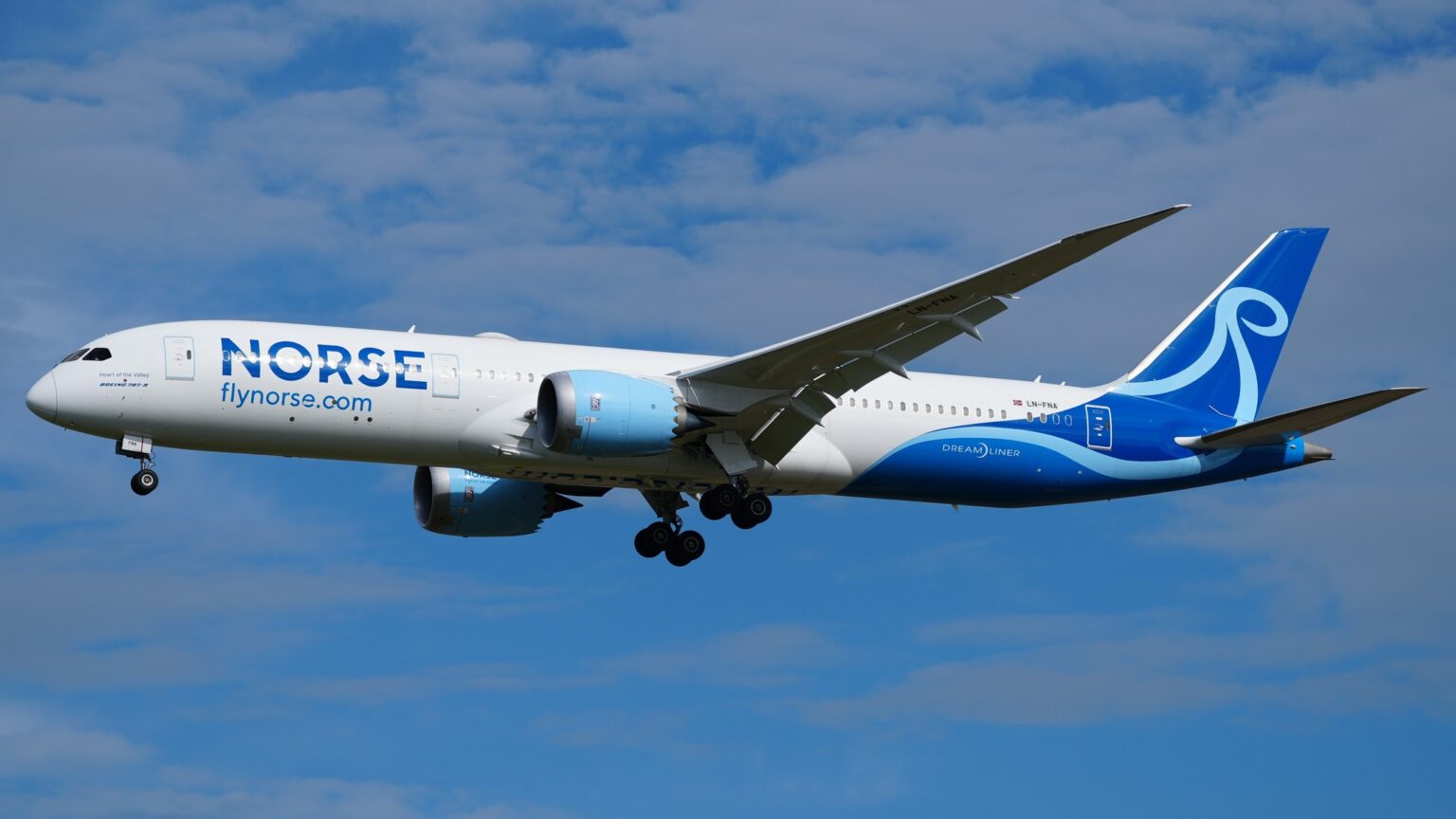
Norse Atlantic Airways flights stopped on the evening of Wednesday, November 25, 2026, hours after the Norwegian long-haul carrier told the Oslo stock exchange that its financial situation was “critical.” Pakistan International Airlines canceled PK786 and PK710, two UK flights Norse flew for it, blaming an “unexpected operational suspension.”
Norse itself had not confirmed a suspension or announced a bankruptcy filing at the time of writing, early on Thursday, November 26, which is Thanksgiving Day in the United States.
What Norse told investors
In a stock exchange notice issued at 08:56 CET on Wednesday, Norse Atlantic ASA said it depended on securing financing to meet its short-term liquidity needs and to continue operating. It said it was in discussions about a potential takeover and had weighed other options, including ACMI contracts, in which it flies its jets and crews for other airlines.
The company added that it was talking to selected parties about short-term financing, but that there could be “no assurances” those talks would produce a viable solution. The notice said nothing about flights, passengers or tickets.
The shares collapsed that day. CNBC reported a close 53.3% lower after a fall of as much as 86% during the session, while a Reuters report put the closing drop at 85%. Reuters also reported that Norway’s Civil Aviation Authority had fined Norse 8,000 crowns (about $814) per business day for failing to pay compensation owed to passengers.
Which flights were canceled
The most visible cancellations were PIA’s evening departures from Britain on Wednesday: PK786 from London Heathrow to Islamabad and PK710 from Manchester to Lahore. PIA said the suspension came without any prior warning, as passengers were boarding, according to Dawn.
PIA said it would fly its UK routes with its own Boeing 777s and rebook affected passengers on its next flights. It added that it was pursuing the matter with Norse “at the highest contractual and executive levels.”
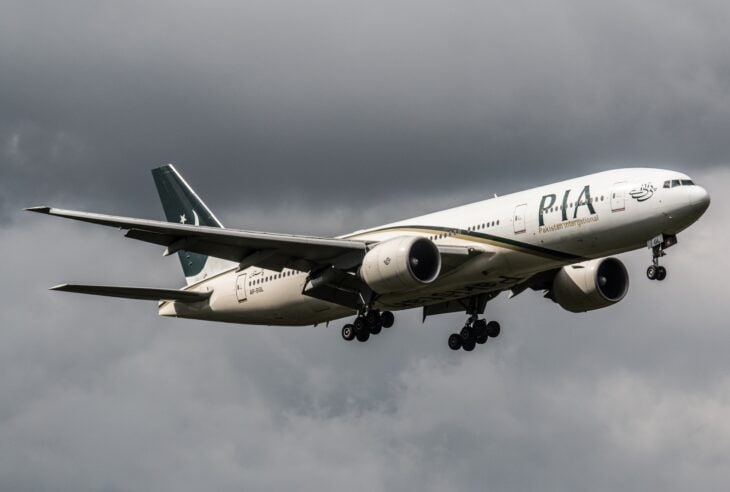

PIA’s two Norse Boeing 787-9s joined it under a wet lease signed in October, and the first PIA Dreamliner reached Islamabad only on November 1. Norse supplied the aircraft, crew, maintenance and insurance.
Norse’s own network went quiet at the same time. CNBC found its London Gatwick to Orlando flight, Z0 783, shown as canceled on Wednesday on Flightradar24, with Gatwick’s website listing Thursday’s departure as “enquire airline.”
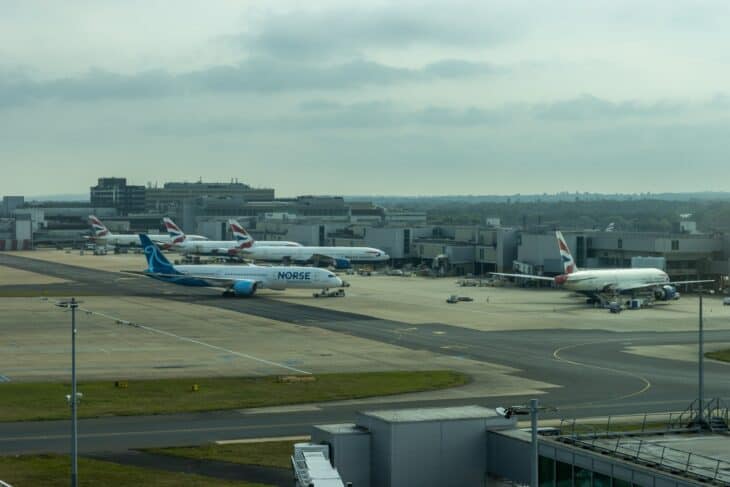

Flight-tracking data showed Thursday cancellations from Gatwick to Orlando and from Cape Town to Gatwick, according to Paddle Your Own Kanoo, which reported that a Bangkok to Stockholm flight landing on Wednesday evening is believed to have been Norse’s last.
Accounts of ticket sales differ. InsideFlyer reported that Norse stopped taking bookings on Wednesday, but CNBC found it still selling tickets at 1:30 a.m. Oslo time on Thursday. Norse’s US website was still showing its booking page and a Black Friday promo code when AeroCorner checked about an hour later.
How Norse got here
Norse began flying in 2022 as a low-cost transatlantic airline with Boeing 787s, a model built in the gap Norwegian left when it quit long-haul flying in 2021. Its stock exchange notice still describes a fleet of 12 Dreamliners serving North America, Europe, Africa and Asia.
The airline has been shrinking since its 2024 peak. Cirium data cited by CNBC shows 4,822 scheduled Norse flights in 2024 and 2,565 in 2026, with 122 on the schedule for November, and Norse cut 75 jobs in May as part of a $50 million cost program.
Reuters tied the strain to jet fuel: Norse does not hedge, and prices spiked with the US-Israeli war with Iran that began in late February. Norse opened a formal sale or merger process in July, and the IndiGo wet-lease deal that kept part of its fleet busy ended at the end of October.
Norse is not the only European long-haul carrier to stop this week. Spain’s Plus Ultra suspended all flights on November 23.
What stranded passengers can do
Until Norse says more, passengers booked on its flights should not head to the airport unless the airline confirms the flight is operating. Passengers booked on PIA’s UK flights should deal with PIA, which says its schedule is running on its own aircraft.
In the US, the Department of Transportation’s 2024 refund rule entitles passengers to a refund when an airline cancels and they decline the alternative offered. Refunds are due within seven business days for credit card purchases and 20 calendar days for other payment methods.
A rule only helps while the airline can pay, though. When an airline stops trading, the advice the UK Civil Aviation Authority has issued after recent failures points passengers who paid by credit card to Section 75 of the Consumer Credit Act, and debit card holders to their bank’s chargeback rules.
The CAA also tells passengers to check for scheduled airline failure insurance and to go to their travel agent first if they booked through one. Its airline-failure page did not list Norse when AeroCorner checked early on Thursday.
Norway’s and the UK’s aviation authorities had not responded to Paddle Your Own Kanoo’s requests for comment on Wednesday evening. That outlet said Norse was expected to update the market at the start of business on Thursday.
Sources and references used for research and fact-checking.
- Norse Atlantic ASA, Norse Atlantic ASA: Update on financial situation and strategic review (Oslo Børs notice, 25 Nov 2026 08:56 CET)
- Norse Atlantic ASA, Norse and PIA sign partnership for two Boeing 787-9 Dreamliners (9 Oct 2026)
- UK Civil Aviation Authority, Failure of scheduled airlines
- US Department of Transportation, Final rule requiring automatic refunds of airline tickets
Get the Newsletter
The latest aviation news and stories sent to your inbox.
About the Author
AeroCorner News is the aviation news desk of AeroCorner.com. It covers accidents and incidents, safety rulings, airline and airport disruption, and new aircraft. It works from primary sources such as the NTSB, FAA, EASA and the manufacturers' own announcements.