

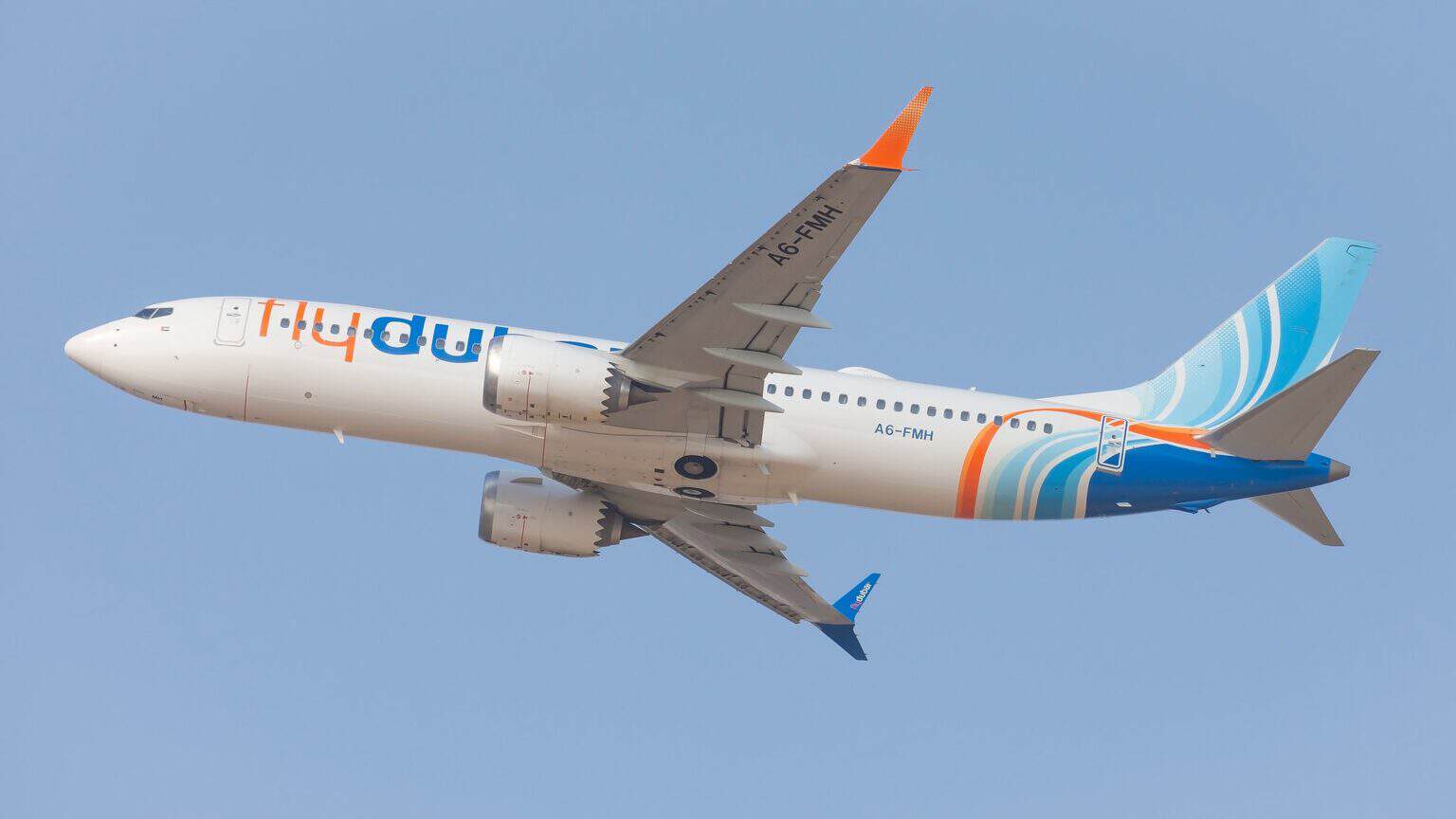
Israel’s Transport Minister Miri Regev approved flydubai’s return to Tel Aviv on Monday, November 23, 2026, almost two months after the FZ1073 cockpit attack grounded the airline’s Israel flights. Her ministry said the approval is “subject to clearance from security authorities,” and no restart date has been set.
The ministry called the decision “a significant step toward restoring air connectivity” between Israel and the United Arab Emirates. It expects flights to restart within one to two weeks, on the schedule flydubai flew before the suspension, the Jerusalem Post reported.
How the approval came about
The decision followed talks in Dubai led by Transport Ministry Director-General Moshe Ben-Zaken, who traveled with senior Israeli security officials. According to Globes, his team met flydubai’s management, including its chief executive, senior UAE aviation officials and the airline’s parent, Emirates.
“The delegation today presented Regev with the steps the company has taken in the wake of the incident,” the ministry said, as quoted by the Times of Israel. The ministry did not say what those steps are.
Before September 30, flydubai flew 10 daily flights between Dubai and Tel Aviv, the Times of Israel reported. The suspension had been set to run until at least December 15.
Not final yet
Globes reports that the minister’s approval is not yet final authorization to fly the route. The Shin Bet, the Mossad and the National Security Council still have to clear it, although Globes says they are not expected to object. No restart date has been announced.
What still stands in the way
Globes says the main sticking point has been Israel’s security demands in Dubai. Those include stationing Israeli security staff at UAE airports and setting up screening stations there.
How that issue was resolved has not been disclosed. At the time of writing, flydubai had not commented on the decision, and Paddle Your Own Kanoo reported that its Tel Aviv ticket sales were still suspended.
The approval covers flydubai only. The Times of Israel reports that security issues have held up El Al, Arkia and Israir’s return to the UAE, leaving Etihad as the only airline flying between the two countries.
Arkia chief executive Oz Berlowitz criticized the decision as a matter of reciprocity and fairness, according to Paddle Your Own Kanoo. Globes notes that Israeli media had informally linked flydubai’s return to the Israeli carriers’ return to Dubai.
Why the route was shut
On September 30, the Omani co-pilot of flydubai FZ1073, a Boeing 737 MAX 8 flying from Dubai to Tel Aviv, attacked Indian captain Smit Machchhar on the flight deck. The jet diverted to Tabuk in Saudi Arabia, and flydubai suspended its Tel Aviv flights the same day.
UAE prosecutors later said the co-pilot had planned to crash into Ben Gurion’s terminal. The co-pilot had passed the airline’s hiring checks, which put the vetting of foreign airline crews flying into Israel under scrutiny.
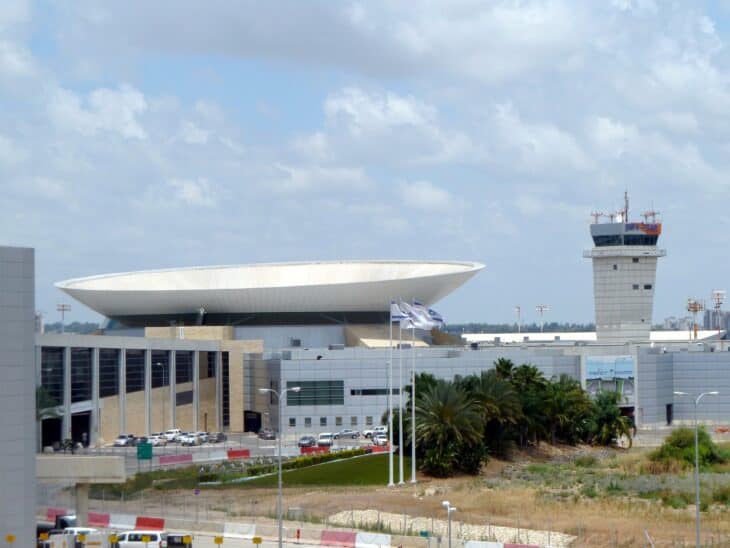

After the attack, Prime Minister Benjamin Netanyahu ordered a National Security Council review of foreign airline security on October 4. The council is now one of the three security bodies that must clear flydubai’s return, according to Globes.
What a two-step approval means
Monday’s decision is a green light from the Transport Ministry, which oversees civil aviation in Israel. The security services decide separately whether the airline’s crews and procedures meet Israel’s terms.
That split matters for travelers. Until the security bodies sign off and flydubai reopens sales, the one-to-two-week estimate is the ministry’s expectation, not a timetable.
Get the Newsletter
The latest aviation news and stories sent to your inbox.
About the Author
AeroCorner News is the aviation news desk of AeroCorner.com. It covers accidents and incidents, safety rulings, airline and airport disruption, and new aircraft. It works from primary sources such as the NTSB, FAA, EASA and the manufacturers' own announcements.