

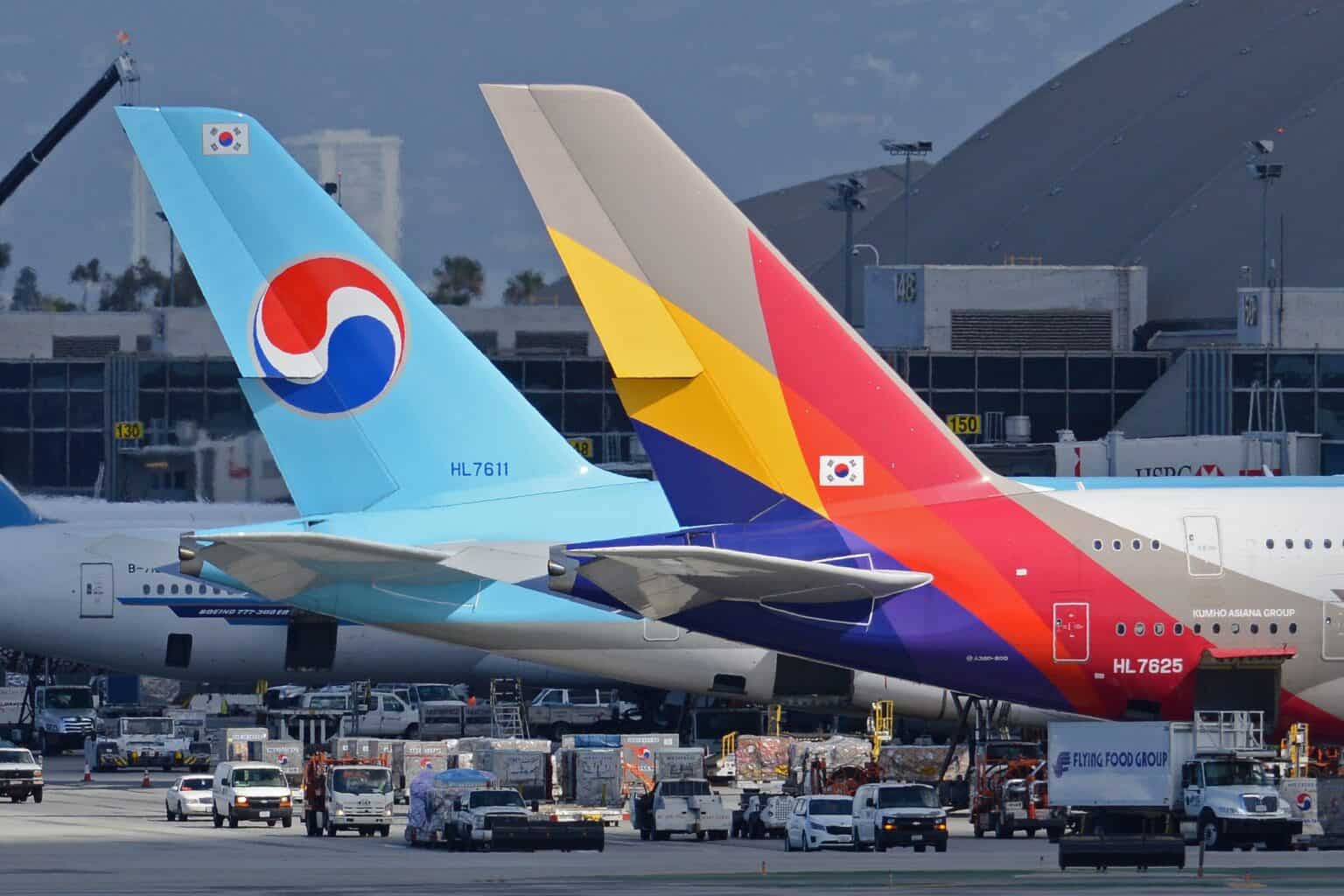
The Korean Air Pilots Union has withdrawn its request for labor dispute mediation, removing the immediate threat of the airline’s first pilot strike in a decade. The withdrawal was reported in South Korea on October 7, 2026, a month after the union filed.
The union accepted a recommendation from the Seoul Regional Labor Relations Commission to keep negotiating, SBS and the Seoul Economic Daily reported. The catch is that the issue at the heart of the dispute, how to rank pilots after the Asiana Airlines merger, is now off the table.
What the union agreed to
According to both reports, the commission reportedly judged that normal bargaining would be difficult if the merger seniority question stayed on the agenda. It persuaded the union to withdraw its mediation request and negotiate without it.
Under that recommendation, the union and management will keep talking until October 27 to settle a 2024 collective agreement and a 2025 wage deal. The deadline can be extended if both sides agree, and seniority will not be negotiated in that period.
Korean Air said it would take part in the talks in good faith, while holding to its position that seniority is part of the company’s own personnel authority, according to the Seoul Economic Daily.
The union had filed for mediation on September 7. The filing followed 30 rounds of talks that ended without a deal, the Seoul Economic Daily reported at the time, and mediation is a required step before a strike can be legal.
Its members had already backed strike action in a vote, The Asia Business Daily reported, so a failed mediation would have given the union the legal right to walk out. Korean Air pilots last struck in December 2016, over a 2015 wage dispute.
Why seniority is the whole fight
Korean Air and Asiana are due to become a single airline on December 17, 2026, the final step of a takeover that has run for years and that cleared its last shareholder vote in August. That means two pilot workforces have to be merged into one ranked list.
At an airline, that list shapes a pilot’s whole career: when they are promoted to captain, which aircraft they fly, and what they are paid. The union said the date a pilot becomes captain sets their base pay and later allowances, so a gap in that date compounds until retirement.
The captain upgrade is already a pinch point across the industry, where airlines are short of captains rather than pilots. In a merger, the ranked list decides who gets those upgrades first.
The two carriers hired experienced civilian pilots on different terms. Korean Air required around 1,000 flight hours, while Asiana asked for about 250 to 300, according to The Asia Business Daily.
The Korean Air union also objects to how start dates are counted. It says the airline’s civilian hires train for 8 to 27 months before receiving a permanent employee number, and that ranking by that number rather than by joining date pushes them down the list.
Korean Air says its plan, drawn up with outside consultants, keeps each airline’s existing internal rankings and does not disadvantage its own pilots. The company has also argued that more than 90% of Korean Air pilots will be promoted sooner after the merger, The Asia Business Daily reported.
What it means for passengers
For now, nothing changes for travelers: no strike is scheduled, and the formal route to one has been withdrawn. Even a walkout would not have stopped all flights, because South Korea classes aviation as an essential public service and flights must continue at a level agreed by both sides.
Seniority has been set aside, not settled. Asiana passengers will see the integration soon: on bookings for travel after the launch, Asiana’s OZ flight codes switch to Korean Air’s KE between November 2 and December 3, according to The Asia Business Daily.
Pilot disputes elsewhere show how these deadlines can slip. In Mexico, Aeromexico’s pilots pushed back their strike date earlier this month while still rejecting the airline’s offer. The next date to watch at Korean Air is October 27.
Get the Newsletter
The latest aviation news and stories sent to your inbox.
About the Author

Tim is the owner and lead editor of AeroCorner since 2019, overseeing aviation content covering aircraft, airlines, airports, and the broader aviation industry. Through years of researching, writing, editing, and publishing aviation-focused content, he has developed extensive practical knowledge of commercial aviation and air travel. Based in Asia and a frequent traveler himself, Tim also brings firsthand passenger experience to AeroCorner’s coverage. Outside of publishing, he has also explored aviation firsthand through hands-on flight training in New Zealand.