Military Helicopters
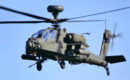
Boeing AH-64D Apache Longbow
ICAO: H64
Producers of the Chinook and Apache, icons of modern military rotorcraft

AeroCorner features profiles for 4 Boeing Helicopters aircraft. This includes 4 Military Helicopters. Each profile includes performance data, photo galleries, dimensions, and operational history.
Boeing Helicopters is a major American rotorcraft manufacturer responsible for some of the world’s most widely used military helicopters. Its aircraft are known for heavy-lift capability, survivability, and long service life, with the CH-47 Chinook and AH-64 Apache operating globally in dozens of military forces. The division also contributes to advanced rotorcraft research, autonomous systems, and future vertical lift programs.
As part of Boeing Defense, Space & Security, the helicopter division integrates complex mission systems, avionics, weapons suites, and composite technologies. Boeing Helicopters continues to upgrade legacy platforms while supporting modernization efforts across U.S. and allied fleets.

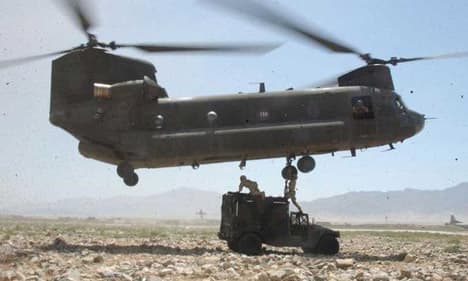
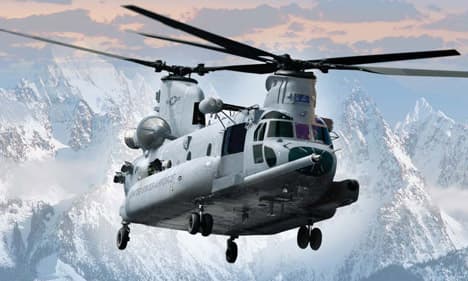


Boeing Helicopters focuses on military rotorcraft, producing new-build Chinooks and modernized Apaches, along with supporting upgrades, sustainment programs, and mission-system integrations. The company also participates in future vertical lift initiatives and advanced technology demonstrators aimed at next-generation military transport and attack roles.
Boeing Helicopters traces its origins to Piasecki Helicopter Corporation, later known as Vertol Aircraft. Vertol pioneered tandem-rotor designs before being acquired by Boeing in 1960. This lineage created the engineering base for the Chinook and other early Boeing rotary-wing projects.
Following Vertol’s acquisition, Boeing expanded helicopter production and became a major supplier to U.S. and allied militaries. The introduction of the AH-64 Apache in the 1980s marked a significant milestone, solidifying Boeing’s position as a global leader in attack helicopter development.
Boeing’s primary helicopter production facility is located in Ridley Township, Pennsylvania, where both the CH-47 and AH-64 production lines operate. Additional engineering, integration, and support activities occur across other Boeing Defense locations in the United States.
The division emphasizes durability, mission capability, survivability, and heavy-lift performance. Boeing continues to refine composite structures, digital mission systems, long-range weapon integration, and network-centric avionics that extend the operational life of legacy platforms.
Beyond production helicopters, Boeing develops support systems, modernization packages, unmanned rotorcraft concepts, and mission equipment integration for military customers. The division also contributes to joint research programs exploring future rotorcraft configurations and vertical lift technologies.
Boeing Helicopters employs thousands of engineers, technicians, and specialists across its Pennsylvania facilities and broader Boeing Defense network. Its programs support global operators and long-term sustainment contracts.
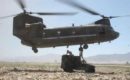
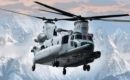
The Chinook set new standards for heavy-lift helicopter capability and remains one of the longest-serving and most versatile military rotorcraft in the world.
The Apache redefined attack helicopter capability with advanced sensors, weapons systems, and survivability features that influenced rotorcraft design for decades.
Boeing’s acquisition of Vertol integrated tandem-rotor engineering expertise, enabling long-term Chinook development and global adoption.
The MH-47 series introduced advanced avionics, aerial refueling capability, and mission systems tailored for special operations, expanding Boeing’s role in elite military missions.
Boeing participates in modern research efforts aimed at shaping the next generation of rotorcraft performance, survivability, and digital integration.
Boeing’s rotorcraft have served in demanding environments and heavy operational use. While incidents have occurred across decades of global service, the company regularly implements upgrades and structural refinements to improve safety, mission capability, and long-term fleet sustainability.
Boeing Helicopters has shaped modern military aviation through iconic designs, long-running production lines, and advanced mission systems. The Chinook and Apache remain among the most recognizable rotorcraft worldwide, reflecting Boeing’s ongoing influence on rotorcraft engineering and military aviation.