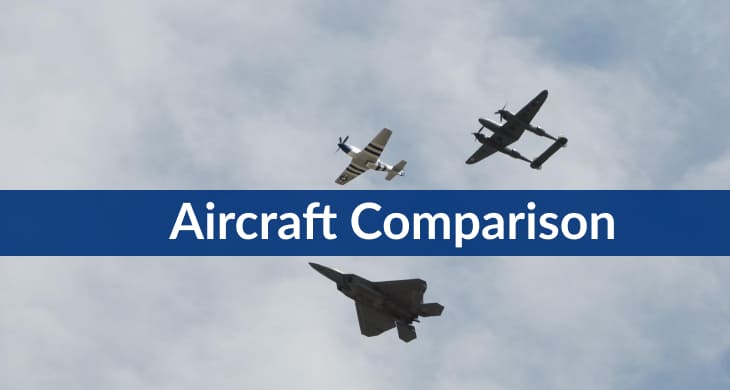
Let’s have a bit of fun comparing two legendary birds of World War II, shall we? I’m talking about the Nakajima Ki-84 and the P-51 Mustang. Trust me, this is like comparing a samurai sword to a cowboy’s revolver – both epic in their own right!
About the Nakajima Ki-84
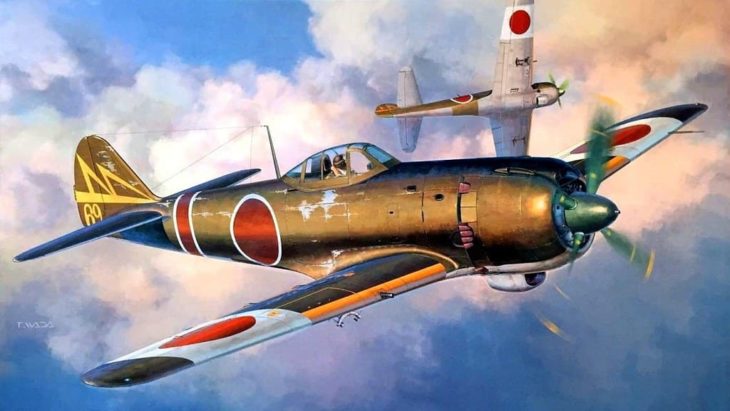
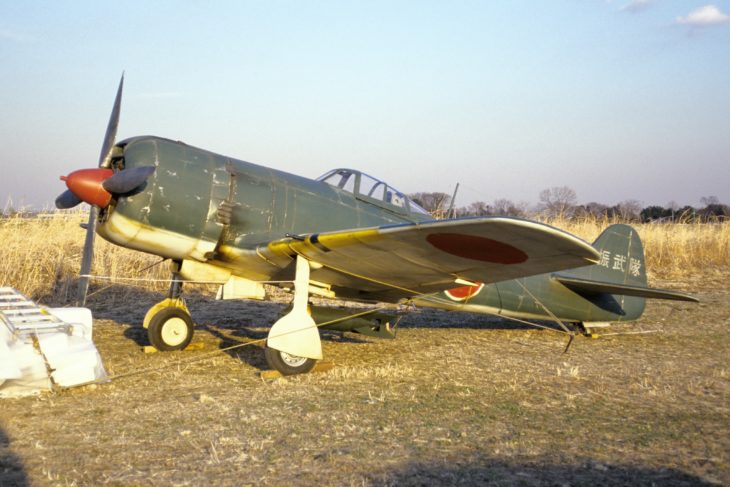
First, let’s dive into the Nakajima Ki-84, also known as “Hayate,” which means “Gale” in Japanese. Developed by the Nakajima Aircraft Company, this fighter was Japan’s response to the need for a high-performance aircraft to counter the Allies’ advancements.
The Nakajima Ki-84, a shining star in the Japanese Imperial Army Air Service, was a response to the Allies’ superior aircraft during World War II. Known for its agility and speed, the Ki-84 was a force to be reckoned with in the Pacific theater.
What made the Ki-84 stand out? Its Nakajima Ha-45 engine. This beast of an engine, producing around 1,990 horsepower, was the heart of the Ki-84’s high speed and combat prowess. And get this – it could hit a top speed of about 624 km/h (387 mph).
Firepower and Maneuverability
The Ki-84’s most striking feature was its armament – two 20mm and two 30mm cannons. This made it one of the most heavily armed Japanese fighters. In terms of maneuverability, the Ki-84 was a dream for ace pilots. Its agility in dogfights was a significant advantage, allowing it to engage and disengage at will.
Challenges in Production and Maintenance
As with many things in war, it faced production challenges due to dwindling resources in Japan. Its complicated engine and the declining quality of materials due to war constraints affected its reliability. Many Ki-84s suffered maintenance issues, limiting their effectiveness as the war progressed.
Despite these hurdles, the Ki-84 was a significant leap in Japanese fighter design during the war, representing their advanced aeronautical engineering capabilities.
About the P-51 Mustang
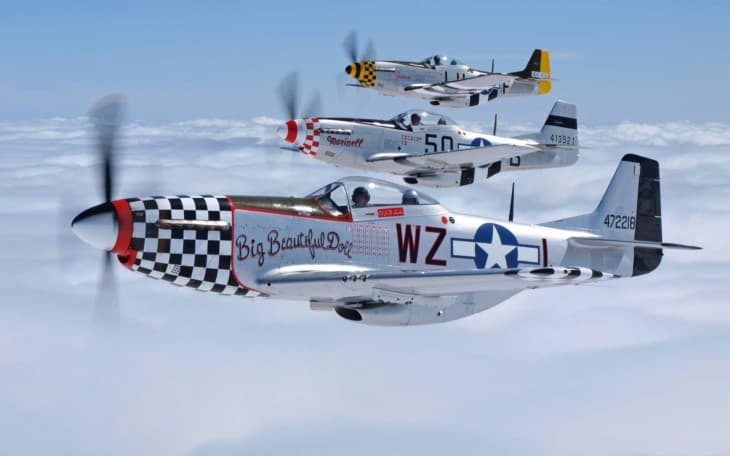
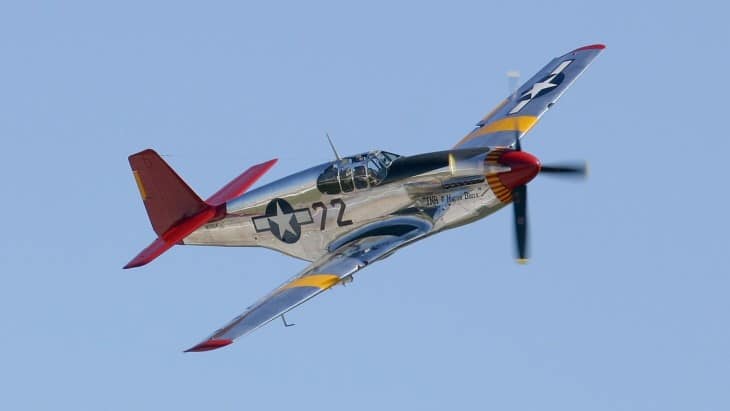
Now, let’s talk about the P-51 Mustang, a symbol of American airpower. This beauty was originally designed to fulfill a British requirement for fighter aircraft. It was a game-changer when it came to long-range bombing escorts, thanks to its Rolls-Royce Merlin engine.
Long-Range Escort and High-Altitude Performance
The Mustang’s crowning glory was its range and performance at high altitudes, crucial for escorting bombers deep into enemy territory. This capability significantly impacted air warfare, as it provided crucial protection for Allied bombers, something the Ki-84 couldn’t match.
The Mustang was versatile too, used in various roles like reconnaissance and ground attack. It’s like the Swiss Army knife of WWII fighters!
Adaptability in Various Roles
Additionally, the Mustang’s versatility allowed it to perform in multiple roles, including reconnaissance and ground attack, making it an invaluable asset across different theaters of war.
How are the Ki-84 and P-51 Different?
The differences between these two are like night and day. The Ki-84 was a testament to Japan’s desperate need to compete with advanced Allied aircraft. Its engine, armament, and design were top-notch for the time, but it was plagued by production issues and the declining quality of materials.
The Mustang, on the other hand, was a symbol of American industrial might and innovation, excelling in roles that the Ki-84 couldn’t – particularly in range and high-altitude performance.
High-Altitude Combat
In high-altitude combat, the P-51 Mustang had a clear edge. The Ki-84 struggled in this aspect, limiting its effectiveness against high-flying bombers and escort fighters like the Mustang.
Ground Attack
While the Ki-84 was capable in air-to-air combat, it wasn’t as effective in ground attack roles as the Mustang, which could adapt to various combat scenarios.
Range and Endurance
The Mustang’s superior range and endurance meant it could engage in prolonged combat operations far from base, a significant advantage in strategic warfare. The Ki-84, with its limited range, was more suited to defending local airspace.
And Their Similarities?
Despite their differences, both these fighters were at the top of their game in speed and agility. They were both designed to be the best in their respective air forces and played pivotal roles in their theaters of war.
What’s Better About the Ki-84?
The Ki-84 had the upper hand in firepower and agility. With its combination of 20mm and 30mm cannons, it packed a serious punch. It was also known for its maneuverability, which in the hands of a skilled pilot, made it a deadly adversary.
And the P-51 Mustang?
The Mustang’s long-range capability and high-altitude performance were its crown jewels. Its ability to escort bombers deep into enemy territory and back was a crucial factor in the Allies’ air superiority. Plus, its versatility across various roles made it an invaluable asset.
Conclusion
In conclusion, while the Nakajima Ki-84 was a formidable opponent in terms of firepower and agility, especially in close-range dogfights, the P-51 Mustang’s long-range capabilities, high-altitude performance, and versatility made it a more impactful aircraft in the broader context of WWII. The Ki-84 was a master of agility and firepower, a true samurai of the skies, while the Mustang was the versatile knight, adapting to various roles and excelling in them.
In the end, choosing between the Nakajima Ki-84 and the P-51 Mustang is like picking between sushi and barbecue – both are incredible in their own ways. The Ki-84 was a symbol of Japan’s advanced engineering under pressure, while the Mustang was a testament to American innovation and industrial strength. Both fighters left a lasting legacy in the annals of military aviation history.