


Table of Contents
| Airbus A320-200 | Boeing 737-800 | |
|---|---|---|
| First flight | 22 February 1987 | 31 July 1997 |
| Entered service | April 1988, Air France | April 1998, Hapag-Lloyd Flug (first delivery) |
| Flight controls | Sidestick, digital fly-by-wire | Conventional control column |
| Generation | A320ceo, before the neo | 737 Next Generation, before the MAX |
| Family deliveries | 12,955 (all A320 family, October 2026) | 7,124 (all 737NG, September 2026) |
| Deliveries of this variant | Not broken out by Wikipedia | 4,989 (September 2026) |
| Passenger production | Built from 1986 to 2021 (ceo) | Passenger assembly stopped in 2019 |
Which versions this page compares
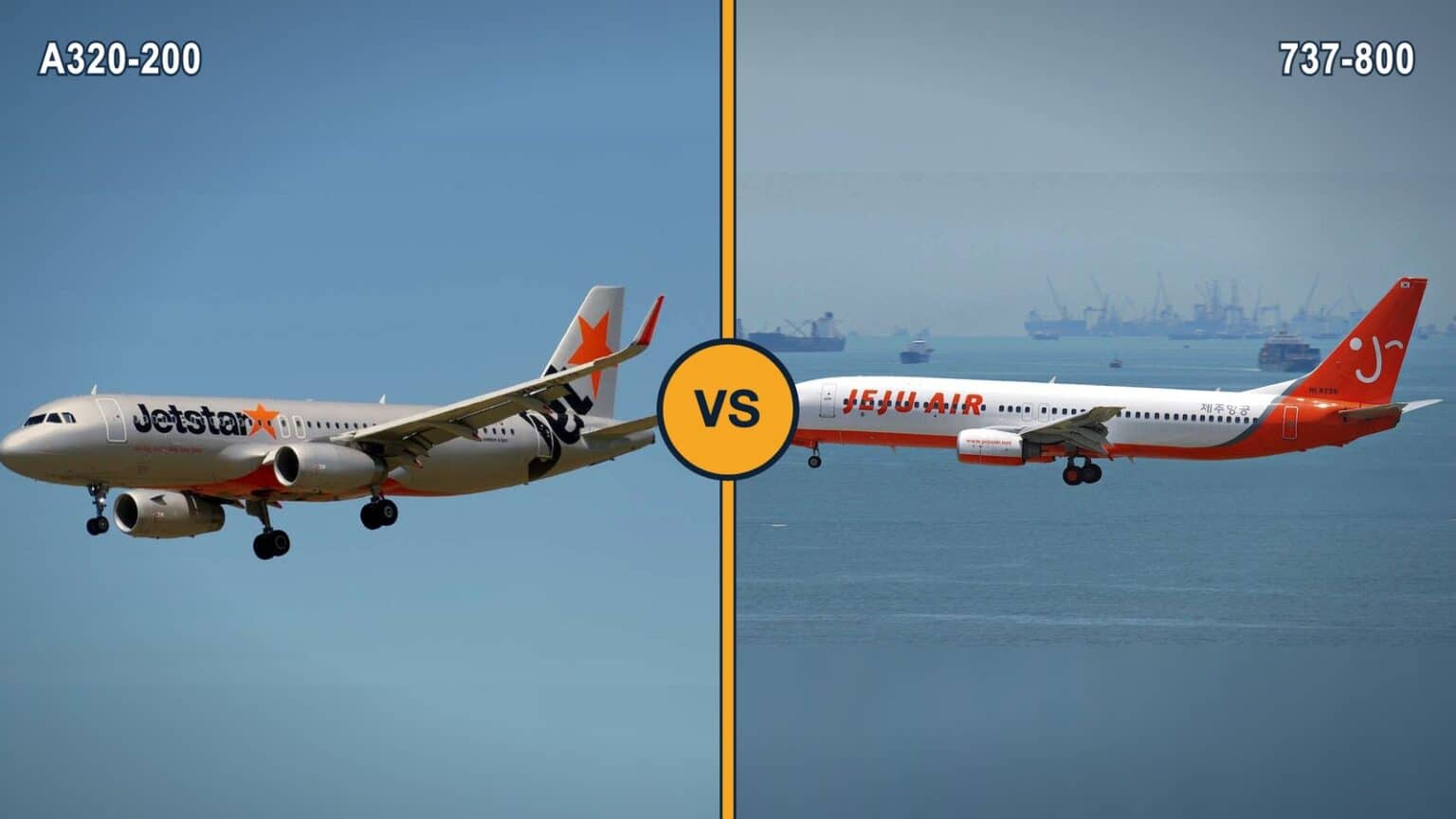
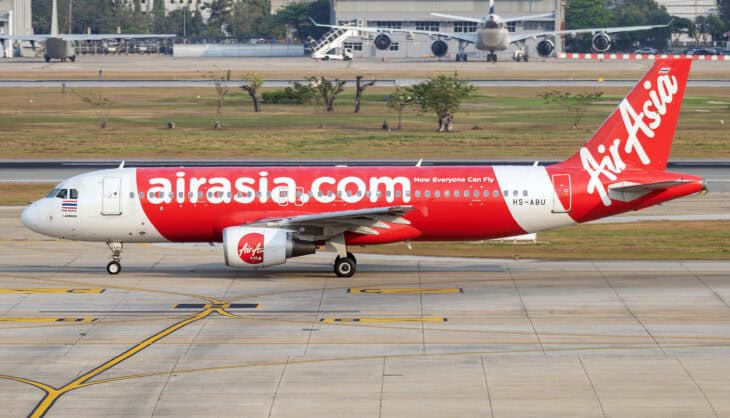
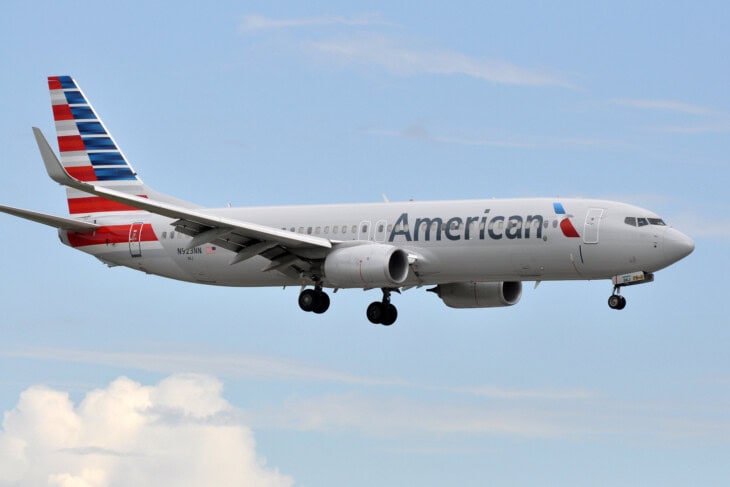
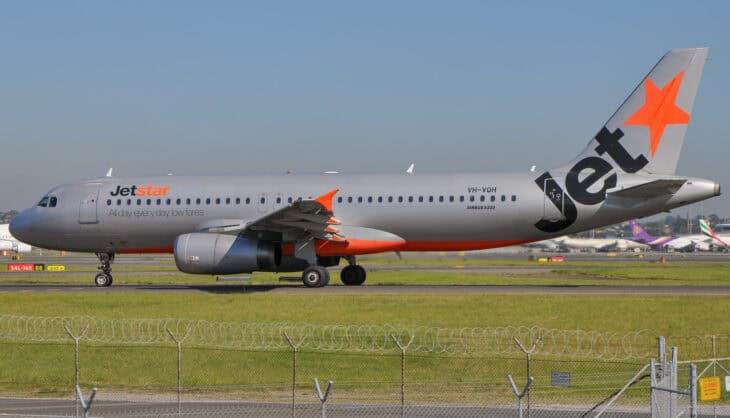
The panel compares the A320-200, the most-built A320, with the 737-800, the best-selling 737 Next Generation. Both are the older generation. For the re-engined pair, see the A320neo vs 737 MAX 8 comparison.
Which is better, the A320 or the 737-800?
Neither wins outright. The 737-800 is longer and carries more cargo, and the A320-200 has the wider cabin and flies farther on paper.
Airlines pick between them on price, fleet commonality and pilot training, not on one spec.
For a passenger, the airline’s seat pitch and the route matter more than the type.
Size: the 737-800 is longer
The 737-800 measures 129 ft 6 in · 39.47 m long. The A320-200 measures 123 ft 3 in · 37.57 m.
The wingspans are almost the same, 117 ft 5 in · 35.79 m for the 737-800 and 117 ft 5 in · 35.80 m for the A320-200.
The 737-800 is also taller, with a tail height of 41 ft 2 in · 12.55 m against 38 ft 7 in · 11.76 m.
Cabin: the A320 is wider
The A320-200 cabin is 12 ft 2 in · 3.70 m wide. The 737-800 cabin is 11 ft 7 in · 3.54 m wide.
The 737-800 cabin is longer, at 98 ft 4 in · 29.97 m against 90 ft 3 in · 27.51 m, so it fits more seat rows.
Airlines choose seat width and pitch, so the extra Airbus width does not always reach the passenger.
Range and speed: the A320 flies farther
The panel lists a range of 3,300 nm · 3,800 mi · 6,110 km for the A320-200 and 2,935 nm · 3,380 mi · 5,440 km for the 737-800.
Cruise speeds are close, at 447 kt · 514 mph · 828 km/h for the A320-200 and 452 kt · 520 mph · 837 km/h for the 737-800.
The 737-800 has the higher service ceiling, 41,000 ft · 12,500 m against 39,100 ft · 11,900 m.
Weights and payload: the 737-800 carries more
The 737-800 has a maximum takeoff weight of 174,000 lb · 79,000 kg and a maximum payload of 47,000 lb · 21,300 kg.
The A320-200 shows 172,000 lb · 78,000 kg and 43,900 lb · 19,900 kg. The 737-800 also has the larger baggage volume, 1,593 ft³ · 45.1 m³ against 1,321 ft³ · 37.4 m³.
Runways and climb: the 737-800 climbs harder
The panel lists a rate of climb of 3,000 ft/min · 15 m/s for the 737-800 and 2,500 ft/min · 13 m/s for the A320-200.
The A320-200 needs less runway on these figures. Takeoff distance is 6,900 ft · 2,100 m against 7,600 ft · 2,320 m, and landing distance is 4,900 ft · 1,500 m against 5,250 ft · 1,600 m.
Approach speed is 137 kt · 158 mph · 254 km/h for the A320-200 and 146 kt · 168 mph · 270 km/h for the 737-800.
Fuel and price: close on both
The A320-200 holds 7,200 gal · 27,200 L · 21,800 kg of Jet A. The 737-800 holds 6,900 gal · 26,000 L · 20,800 kg.
The panel prices the A320-200 at $101 million (2018) and the 737-800 at $102.2 million (2018). Airlines rarely pay list price, so treat both as a guide.
How to tell them apart from the window
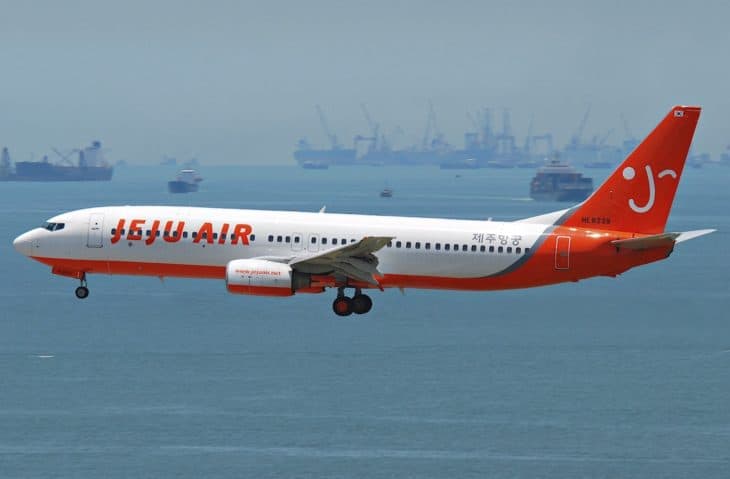
Look at the engines. The 737-800’s engine intakes are flattened at the bottom to clear the ground, while the A320’s are round.
Then look at the length. The 737-800 is the longer aircraft, which shows on the ground beside an A320 at the next gate.
Flight deck: sidestick versus control column
The A320 was the first airliner with digital fly-by-wire flight controls, according to Wikipedia. Pilots fly it with a sidestick.
The 737-800 keeps a conventional control column in front of each pilot. Its avionics are the Honeywell Common Display System, against the Thales suite listed for the A320.
Engines: similar power, different options
The A320-200 is offered with IAE V2500 or CFM56-5B engines. The 737-800 uses the CFM56-7B27.
The panel lists 2 × 27,000 lbf · 120 kN for the A320-200 and 2 × 27,300 lbf · 121 kN for the 737-800.
Split Scimitar winglets became available for the 737-800 in 2014, according to Wikipedia. The A320-200 carries blended wingtips on the panel.

Safety: the MAX grounding is not the 737-800’s story
The 737 MAX was grounded worldwide from March 2019 to November 2020. That grounding did not cover the 737-800, a different and older generation.
The 737-800 has had its own events. In October 2019 the FAA issued a directive after fatigue cracks were found in the wing attachment fitting on some 737NGs. On December 29, 2024, Jeju Air Flight 2216, a 737-800, overshot the runway at Muan in South Korea.
The A320 family had one too. In October 2025 a JetBlue A320 descended rapidly after solar radiation corrupted flight data, and a mandatory notice covered more than 6,000 aircraft.
Single events are not a ranking. Both types have flown for decades and are among the most-used airliners in the world.
Orders and deliveries: both are giants
The A320 family had 20,598 orders and 12,955 deliveries as of October 2026, and 11,422 aircraft in service.
Boeing had delivered 7,124 of 7,159 ordered 737 Next Generation aircraft by September 2026, and 4,989 of them were 737-800s.
The A320 total includes the neo, while the 737 Next Generation total excludes the MAX, so the two counts are not like for like.
Verdict: who wins?
The 737-800 wins on length, payload and baggage volume. The A320-200 wins on cabin width and range.
If you are a passenger, pick the airline and the seat. The type is rarely the deciding factor.
FAQ
Sources and references used for research and fact-checking.
About the Author

Tim is the owner and lead editor of AeroCorner since 2019, overseeing aviation content covering aircraft, airlines, airports, and the broader aviation industry. Through years of researching, writing, editing, and publishing aviation-focused content, he has developed extensive practical knowledge of commercial aviation and air travel. Based in Asia and a frequent traveler himself, Tim also brings firsthand passenger experience to AeroCorner’s coverage. Outside of publishing, he has also explored aviation firsthand through hands-on flight training in New Zealand.