

Table of Contents
Your first flight can feel like a lot. New rules, new sounds and a long list of things that might go wrong.
Most of the worry fades once you know what happens and when. Commercial flying is one of the safest ways to travel, and the routine is easier than it looks.
These 25 tips follow the trip in order, from booking to landing. Rules vary by airline and airport, so check your own carrier’s page before you rely on any detail.
01. Book Your Ticket in Your Exact ID Name
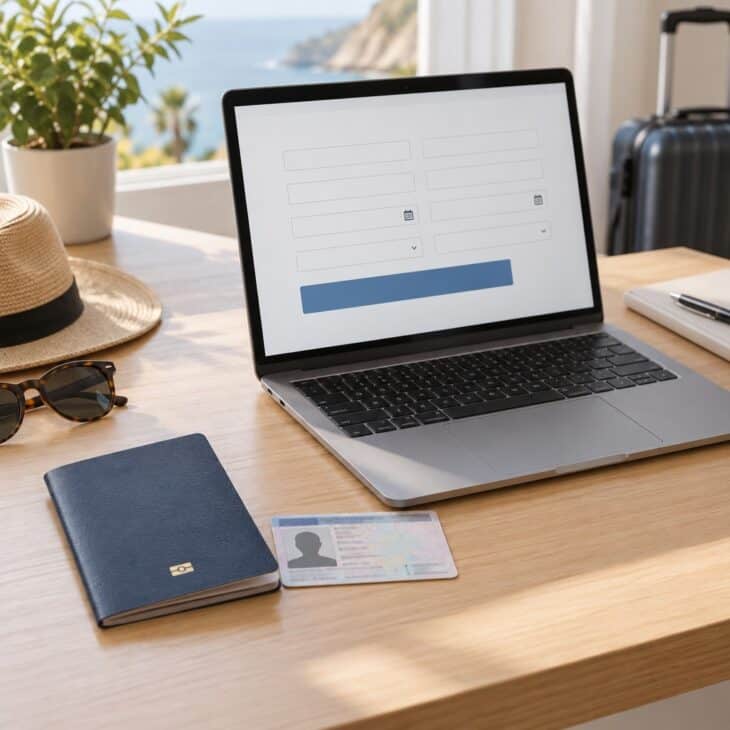
What it is A ticket must match the name on the ID you will show at the airport. That means the first, middle and last name on your passport or driver’s license.
Why it works A mismatch can mean fixing the ticket at the counter, or being turned away. It is the one mistake that is easy to prevent and hard to fix on the day.
How to get it Copy the name straight from your ID when you book. If it is wrong, call the airline right away, because small corrections are usually easier before the day of travel.
02. Check Your ID Is Accepted Before You Go
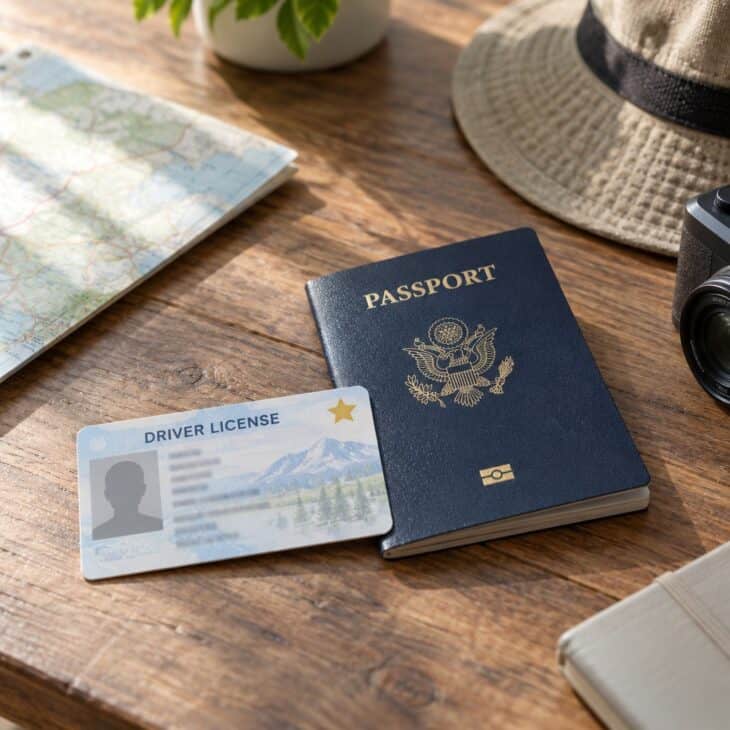
What it is For US domestic flights, adults need a REAL ID-compliant license or another accepted ID such as a passport. International flights need a passport, and some countries require it to be valid for months beyond your trip.
Why it works Nothing derails a first flight like an ID problem at the checkpoint. Checking early turns a possible disaster into a five-minute task.
How to get it Look for the star on your license, or use your passport. The TSA website lists accepted IDs, and the destination country’s entry rules cover passport validity.
03. Arrive Early, Then Relax
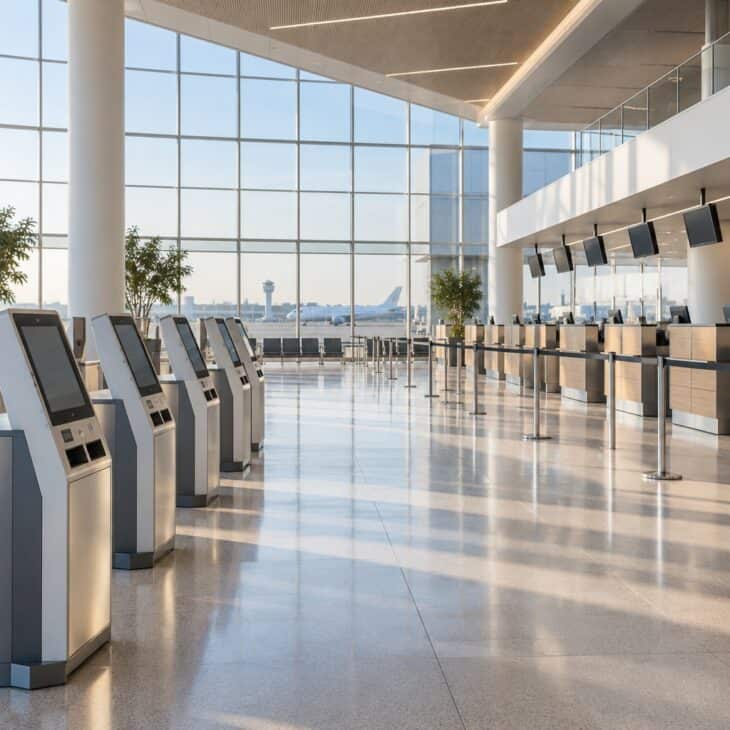
What it is Airlines and airports commonly advise arriving about two hours before a domestic flight and three before an international one. Busy airports and holiday travel can call for more.
Why it works Extra time removes the biggest source of airport panic. If the line is short, you get a coffee instead of a sprint.
How to get it Check your airline’s own advice and the airport’s typical security wait. Plan to be at the gate when boarding starts, not when the airport opens its doors. Our airport hacks list has more time-savers.
04. Use the Airline App
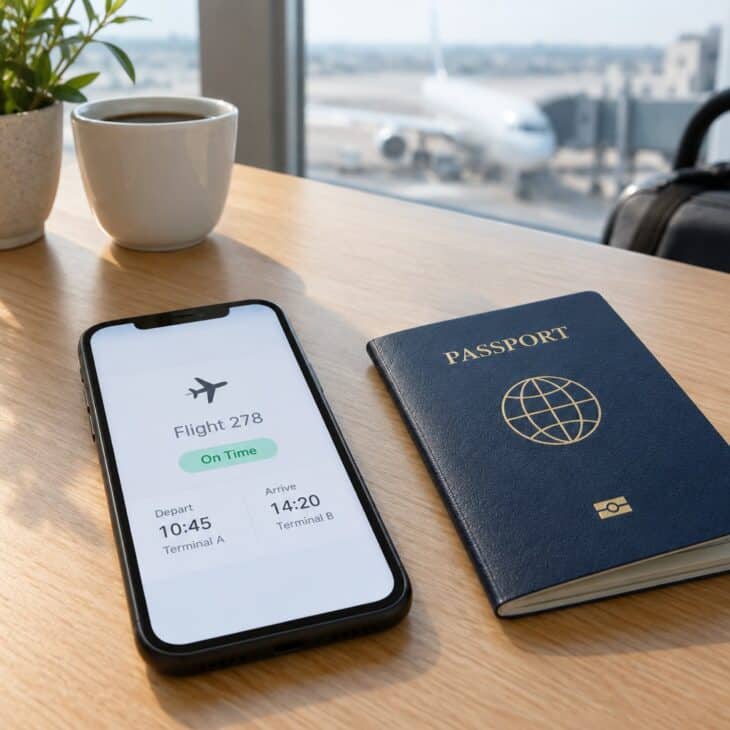
What it is Every major airline has an app with your boarding pass, gate, seat and live flight status. Many also send alerts for delays and gate changes.
Why it works Screens in the terminal change, and so do gates. The app puts the current answer in your pocket and cuts the need to ask around.
How to get it Download it at home and sign in before you leave. Turn on notifications, and keep your confirmation code handy in case the app glitches.
05. Pack Liquids in a Clear Bag
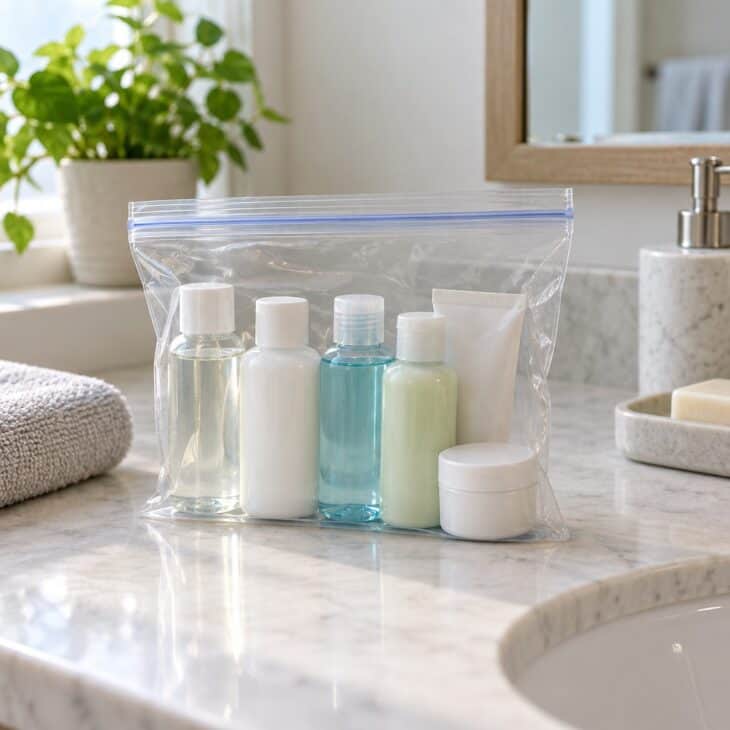
What it is The TSA liquids rule lets you carry containers of 3.4 ounces (100 ml) or less, all in one clear quart-size bag. Larger bottles go in checked luggage.
Why it works Security is far less stressful when your bag is not the reason the line stops. A ready bag takes seconds to pull out.
How to get it Buy a set of small bottles or decant your own. Pack the bag where you can reach it, and drink or bin any larger water bottle before the checkpoint.
06. Know What Goes in Checked Bags
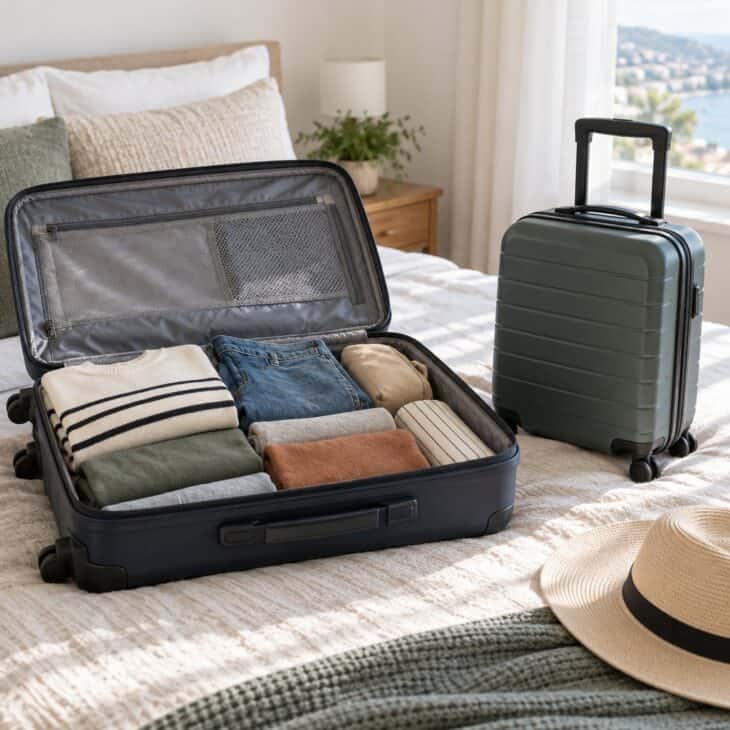
What it is Spare lithium batteries and power banks must travel in the cabin, not the hold. Sharp tools, large liquids and some sports gear belong in checked bags.
Why it works Knowing the basics stops a surprise at the checkpoint, where banned items are simply taken. It also protects your valuables from going missing.
How to get it Keep medication, documents, chargers and a change of clothes in your carry-on. Check the TSA’s what-can-I-bring tool for anything odd.
07. Check Your Bag Size and Weight Limits
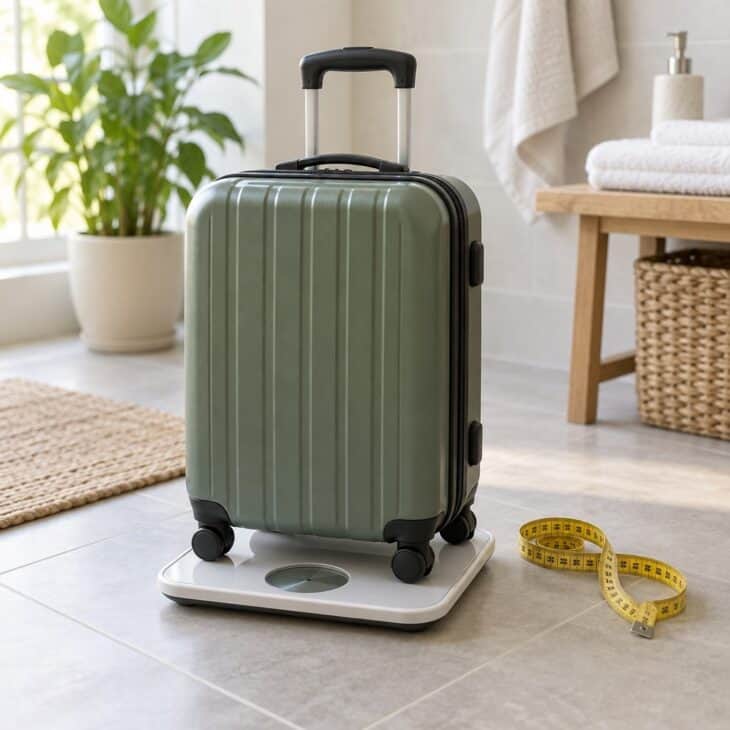
What it is Carry-on and checked bag limits vary by airline, and the cheapest fares can exclude a free carry-on. Many airlines cap checked bags around 50 pounds (23 kg) before a fee.
Why it works Fees at the gate cost far more than fees paid online. Knowing the limits keeps the cost down and the stress away.
How to get it Look up your airline’s bag page before you pack. Weigh your suitcase at home with a cheap luggage scale or a bathroom scale.
08. Dress in Comfortable Layers

What it is Cabins swing between warm at boarding and cool in the air. Soft layers, slip-on shoes and easy pockets make the day simpler. See our airport outfit ideas for examples.
Why it works Comfort lowers tension, and nobody enjoys a belt that digs in on a four-hour flight. Shoes that slip off also speed up security.
How to get it Wear a light jacket or cardigan you can remove, with a top underneath. Pick socks you are happy to be seen in, and leave tight waistbands at home.
09. Learn the Airport Steps in Advance
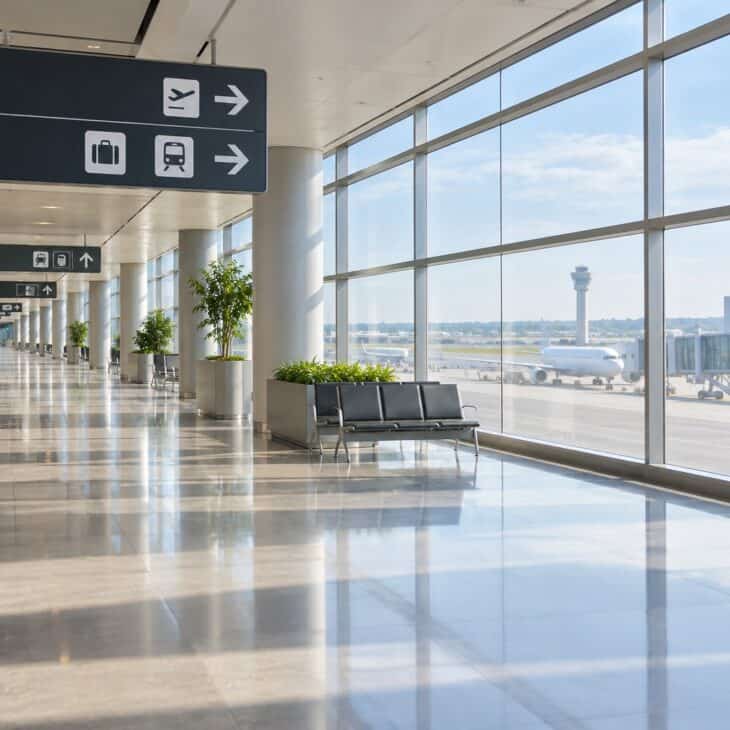
What it is The usual path is bag drop, security, then the gate. Signs and screens guide you, and staff in vests are there to answer questions.
Why it works A first-time flyer is rarely lost for long, because airports are built for exactly that. Knowing the order of events removes the fear of the unknown.
How to get it Read a map of your airport online first. If you are lost, ask any uniformed staff member, and do not worry about looking new.
10. Take Off Shoes and Pocket Items at Security
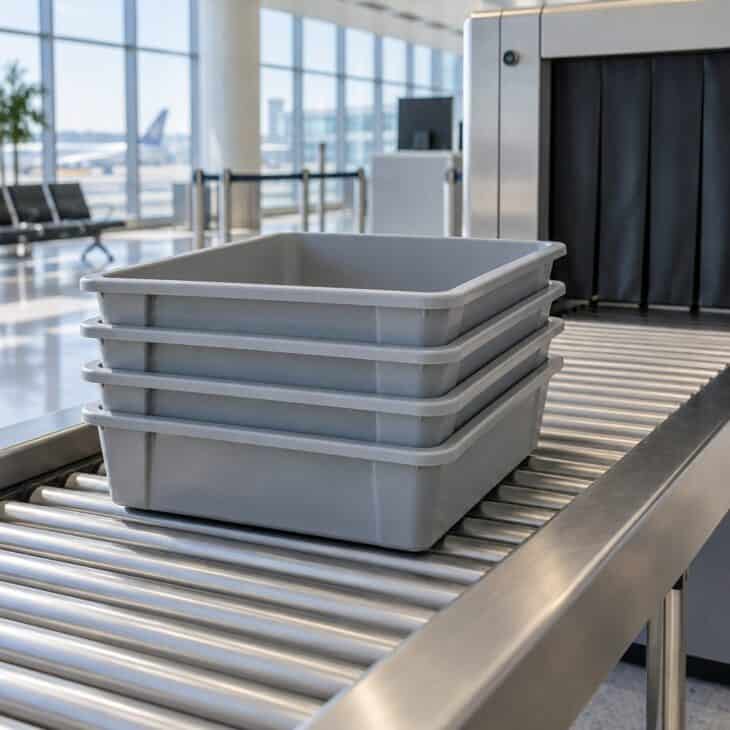
What it is At the checkpoint you place your bag, laptop, liquids bag and any pocket items in the bins. Shoes and light jackets usually go in as well, unless you have PreCheck.
Why it works The rhythm is simple once you know it, and the line moves faster when everyone is ready. Stuff nothing in your pockets and you will not set off the scanner.
How to get it Put your phone, keys and wallet in your bag before the line. Follow the officer’s instructions, and ask if you are unsure what to do.
11. Find Your Gate First, Then Explore
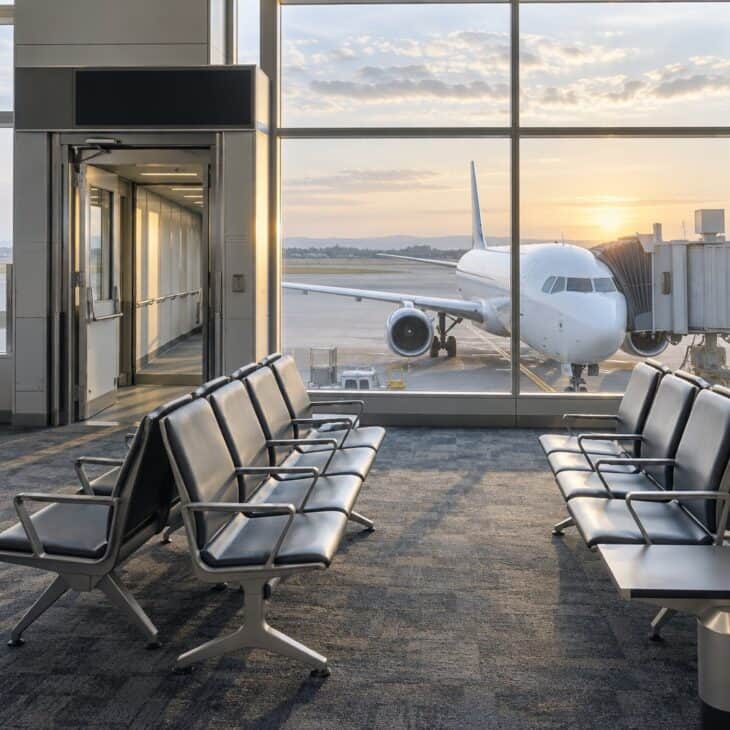
What it is Gates are numbered along the concourse, and the screens show your gate and boarding time. Gates can change, so check the board again before you settle.
Why it works Once you know where to be, you can breathe. Wandering a terminal before locating the gate is how people miss boarding.
How to get it Walk to the gate right after security, then look for food, a quiet seat or a power outlet. Set a phone alarm for boarding time, and check the board once or twice.
12. Pack a Carry-On Comfort Kit
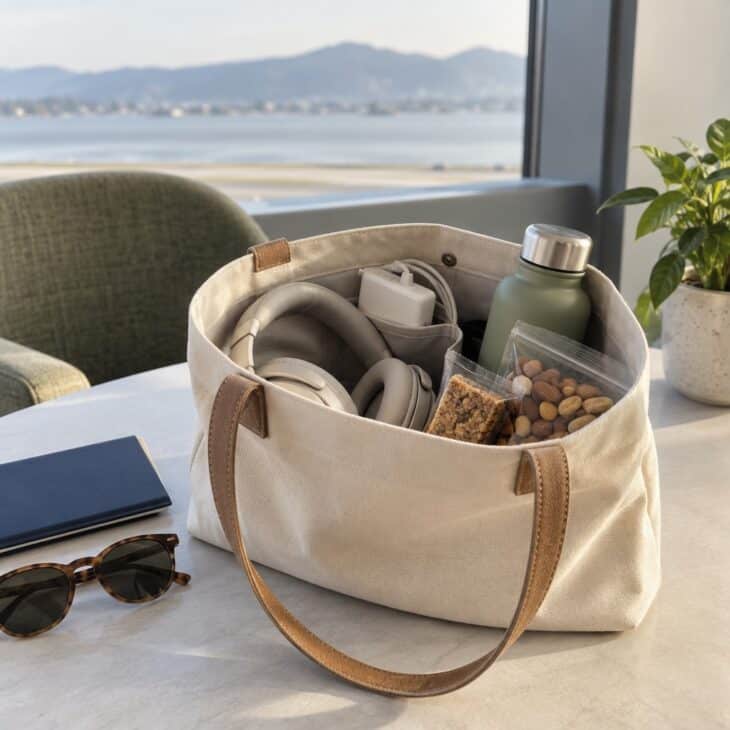
What it is A small kit with a charger, a water bottle, tissues, lip balm, snacks and headphones covers most needs. Our long flight essentials list goes deeper.
Why it works The right three items can turn a long flight from bearable to easy. A kit also gives your hands a job when nerves arrive.
How to get it Pack it in a small bag that fits under the seat. Keep it ready at the top, so you do not dig through the overhead bin mid-flight.
13. Know How Boarding Works
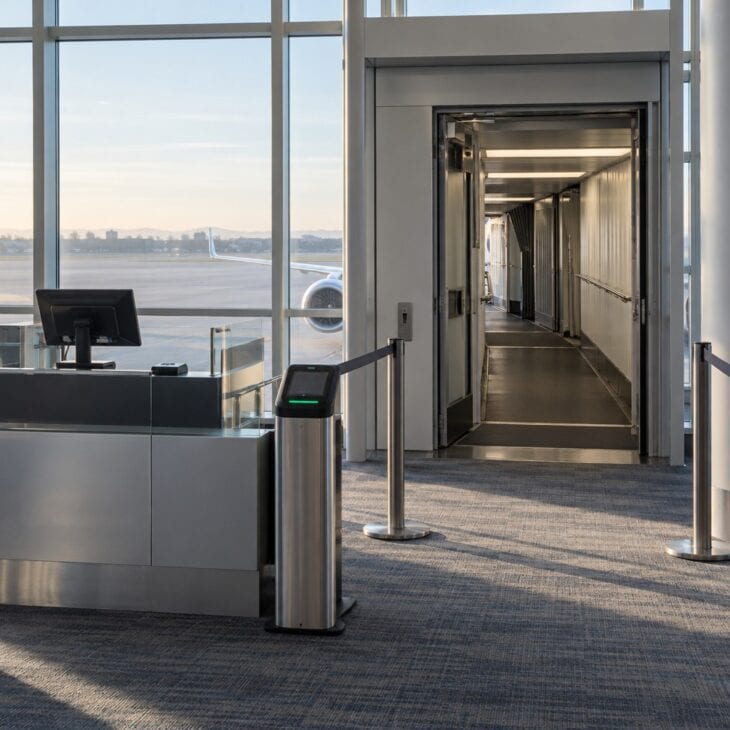
What it is Boarding is split into groups, and your group or zone is printed on your boarding pass. Most airlines call premium and elite passengers first, then work back through the rows.
Why it works Boarding is where first-timers feel rushed. Knowing that every ticketed passenger gets a seat takes the pressure off.
How to get it Listen for your group, and join the line then. Do not hover at the door, since you will get on at the same speed. Read why in why planes do not board window seats first.
14. Choose a Seat That Suits Your Nerves
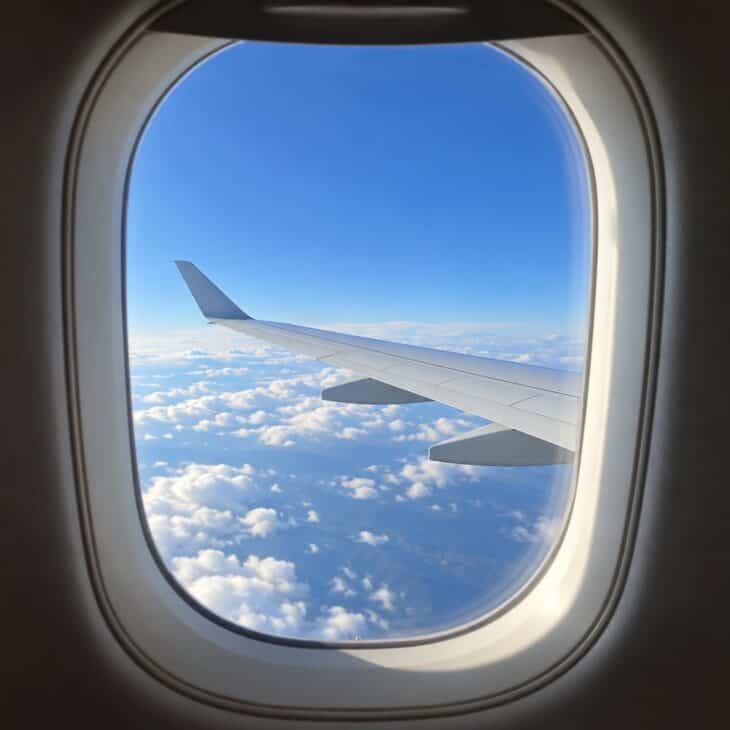
What it is A seat over the wing sits near the aircraft’s center of gravity and usually feels smoother in turbulence. Aisle seats let you stand up, and windows let you see what is happening.
Why it works Many nervous flyers feel better when they can see outside or walk around. Choosing by feeling rather than price is the best use of the seat map.
How to get it Pick your seat at booking or check-in, using the seat map. Windows over the wing are a good middle ground, and the wing is also a fine view.
15. Buckle Up and Learn the Safety Card
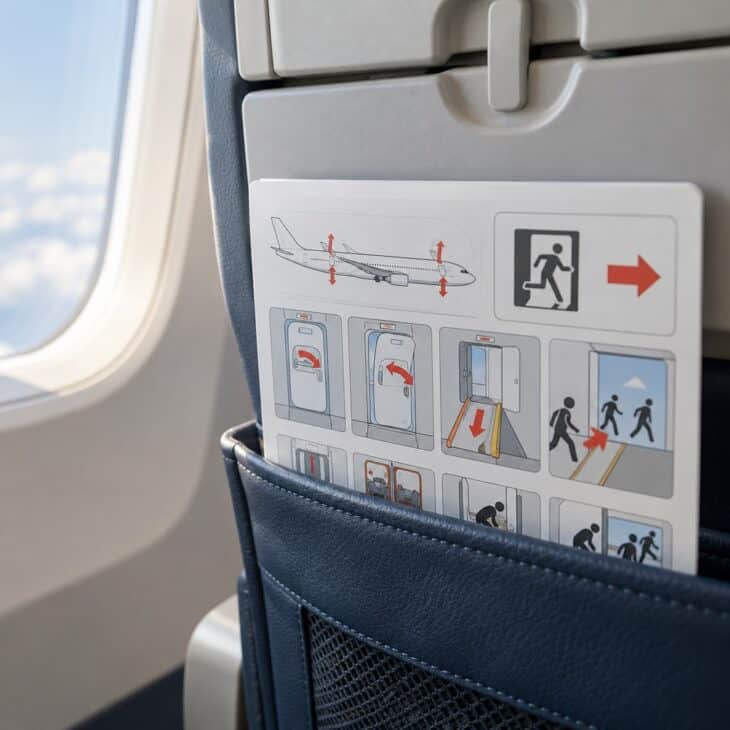
What it is The seatbelt buckles low across your hips, and you open it by lifting the flap. The safety card in the seat pocket shows exits, oxygen masks and the brace position.
Why it works The safety briefing is boring because it is routine, not because it is unimportant. Knowing where the nearest exit is gives a sense of control.
How to get it Watch the demonstration and read the card, even if it feels silly. Count the rows to the nearest exit, and keep your belt fastened whenever you are seated.
16. Expect the Sounds and Bumps
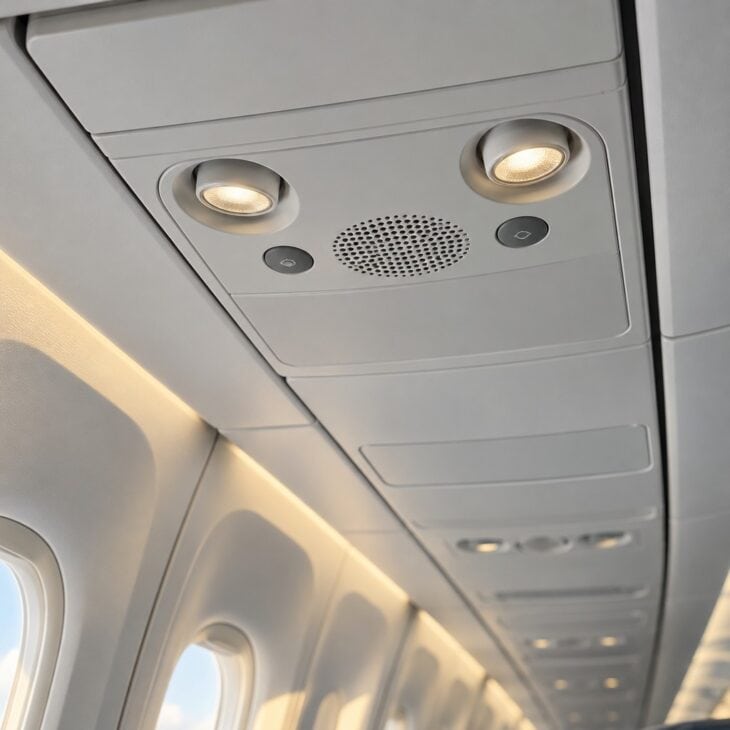
What it is Planes make plenty of normal noises: a thump when the landing gear retracts, a hum as the flaps move, a change in engine pitch after takeoff and a ding from the cabin.
Why it works Most fear comes from sounds you do not recognize. Knowing they are routine turns them from alarms into background noise.
How to get it Read a list of common flight sounds before you go. When one startles you, glance at the flight attendants, who stay relaxed because they have heard it hundreds of times.
17. Understand Turbulence
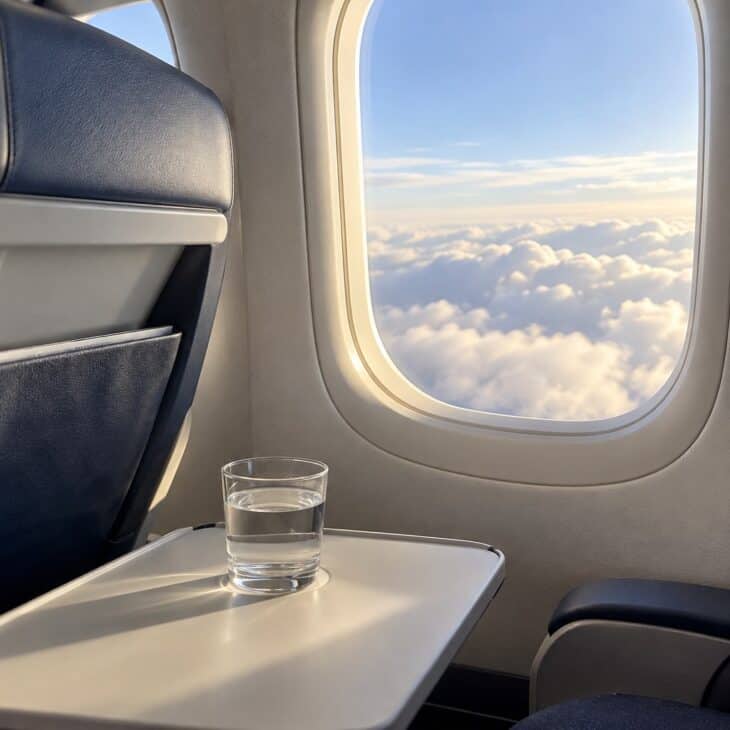
What it is Turbulence is moving air, like a boat on waves. Airliners are built to handle far more than turbulence usually delivers, and pilots plan routes around the rough patches.
Why it works Bumps feel scary, but injuries on flights mostly come from people who are not seated with their belts on. A fastened belt solves the real risk.
How to get it Keep your belt on whenever you are seated, even when the sign is off. Breathe slowly, keep your drink in the cup holder, and remember that the pilots will have been briefed about it.
18. Try Slow Breathing

What it is A simple pattern is to breathe in for four counts, hold for four, then out for four. Slow exhales calm the body’s alarm response.
Why it works Nerves live in the body as much as the mind. Breathing is one tool that works anywhere, with no gear, and no one needs to notice.
How to get it Practice at home for a few minutes first. Use it during takeoff and any turbulence, and pair it with a calming playlist.
19. Prepare a Calming Playlist or Podcast
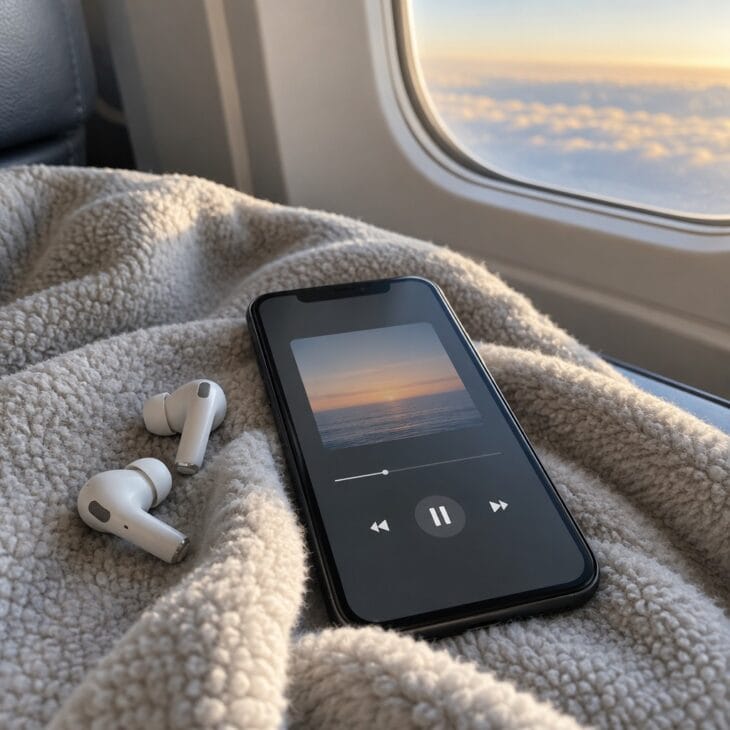
What it is Noise-canceling or simple wired earbuds plus a downloaded playlist, audiobook or podcast give your mind somewhere else to go.
Why it works Distraction is one of the oldest ways to handle fear. A familiar voice or song can make takeoff feel routine.
How to get it Download everything before the airport, because Wi-Fi is unreliable. See our guide to sleeping on a plane for sound and sleep tips.
20. Switch to Airplane Mode
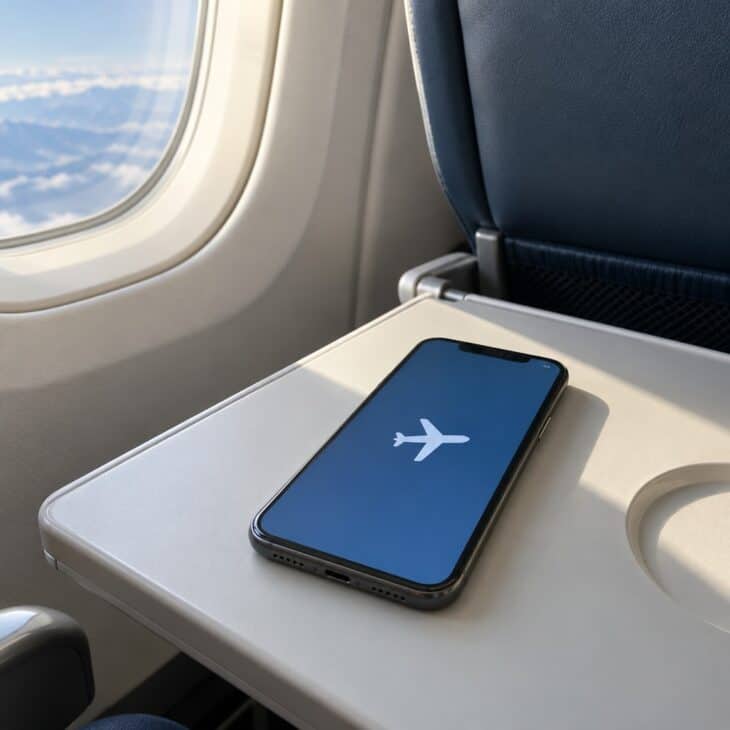
What it is Airplane mode turns off cellular radios, and you can usually turn Wi-Fi and Bluetooth back on afterward. Airlines still require you to follow crew instructions about devices.
Why it works Following the rule avoids an awkward conversation and saves battery as the phone stops hunting for signal.
How to get it Switch it on before the door closes, then add Wi-Fi if the airline offers it. Charge your phone before you leave home.
21. Bring Games, Books and Downloads
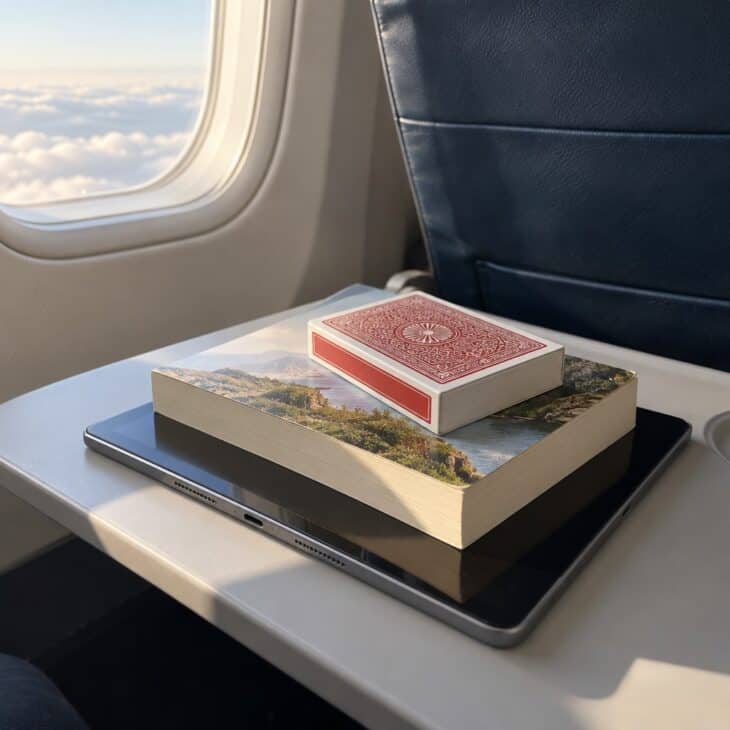
What it is A paperback, a tablet with downloaded shows or a deck of cards keeps the hours moving. Try the ideas in our games to play on a plane list.
Why it works Boredom feeds anxiety. Something to do keeps your attention off the clock and the window.
How to get it Load shows and books at home before you fly. Pack a paper option too, as it works at takeoff when devices are limited.
22. Handle Ear Pressure
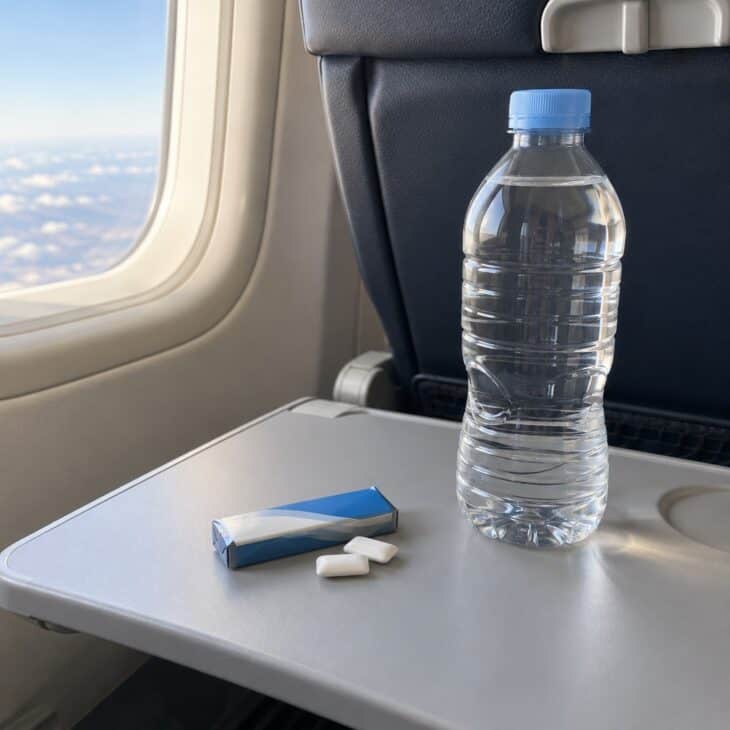
What it is Ears can feel blocked as the cabin pressure changes on climb and descent. Swallowing, yawning, chewing gum or sipping water helps the pressure equalize.
Why it works Ear pain surprises many first-time flyers, and children often feel it more. A simple habit makes it much less of a concern.
How to get it Chew gum or suck a sweet during descent. If you have a cold or sinus trouble, ask a pharmacist about options before your trip, and do not sleep through the descent.
23. Stay Hydrated and Eat Lightly
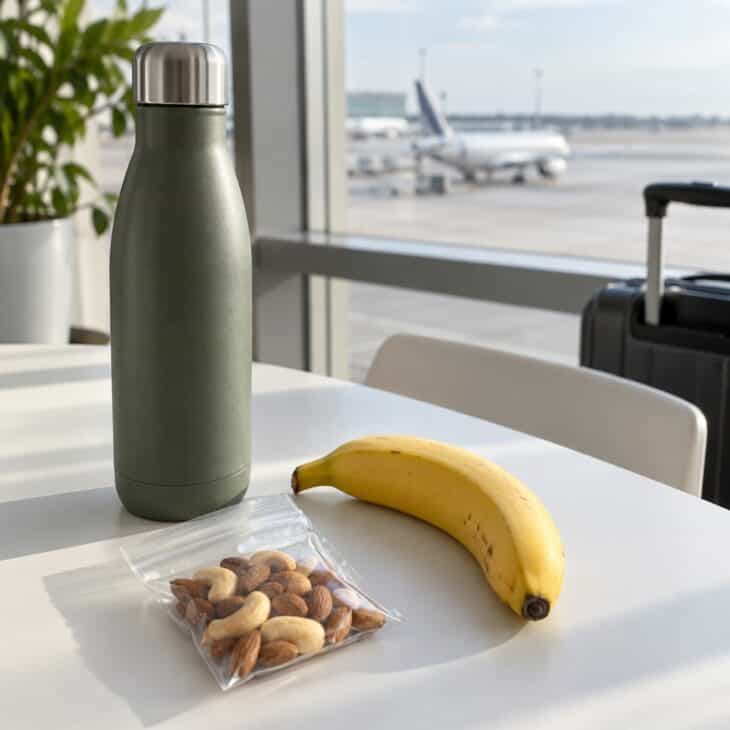
What it is Cabin air is dry, so water helps, and heavy meals or lots of caffeine and alcohol can make you feel worse in the air.
Why it works Your body already works harder in a pressurized cabin. Simple food and water keep you feeling closer to normal.
How to get it Bring an empty bottle and fill it after security. Pack a light snack, such as nuts or a banana, in case food service is slow.
24. Tell the Crew You Are Nervous
What it is Flight attendants are trained to help passengers who feel uneasy, and they meet first-time flyers every day. A quick word at the door can bring extra attention.
Why it works You do not need to carry the fear alone. Crew members can explain a noise, check on you and offer reassurance.
How to get it Mention it as you board, or press the call button if you feel unwell. Keep it brief and polite, and most crews will be glad to help.
25. Ask for Help if You Need It
What it is Airports offer help for passengers with disabilities or special needs. The TSA Cares helpline can arrange support through security, and airlines can arrange wheelchairs or boarding assistance.
Why it works Nobody expects a first-time flyer to know everything. Asking early turns a hard day into a managed one.
How to get it Contact your airline and the TSA Cares service a few days ahead. Arrive early on the day, and tell staff what you need at check-in.
Get the Newsletter
The latest aviation news and stories sent to your inbox.
About the Author

Hanna writes AeroCorner's aviation-lifestyle and decor guides, turning a love of flight into ideas for your home, celebrations, and gift lists.