

Table of Contents
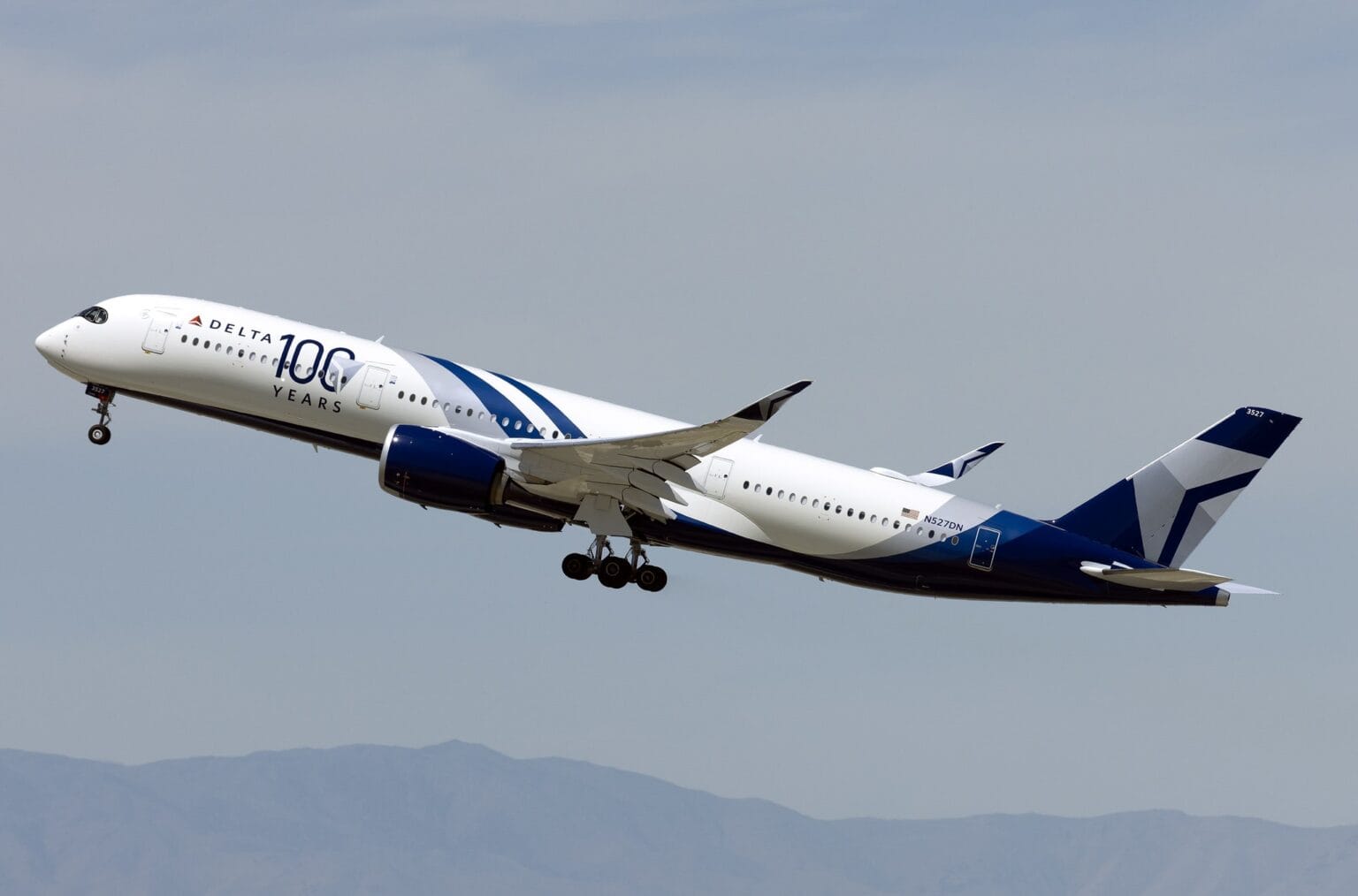
Delta Air Lines is the best airline for pilots to work for in 2026. It pays at the very top of the industry, puts 18% of pay into each pilot’s 401(k) and paid 8.9% of eligible earnings in profit sharing for 2025, far more than any rival.
United Airlines is a close second, with a higher starting rate and the biggest hiring program. American Airlines, Alaska Airlines and Southwest Airlines complete the top five.
No published survey ranks US airlines for pilots with a stated method, so this list ranks them on facts a pilot can check, as of November 2026: pay at the top and bottom of the scale, the retirement contribution, profit sharing, how secure the contract is, and whether the airline is hiring and growing.
| Rank | Airline | First-year first officer (per hour) | Company retirement contribution | Pilot contract, Nov. 2026 |
|---|---|---|---|---|
| 1 | Delta Air Lines | About $118 | 18% to 401(k) | Amendable Dec. 31, 2026; talks open |
| 2 | United Airlines | $125.52 | 18% to 401(k) | Amendable 2027 |
| 3 | American Airlines | About $113 | Not confirmed | Amendable 2027 |
| 4 | Alaska Airlines (with Hawaiian) | $129.71 | Not published | Joint deal vote Dec. 1 to 22, 2026 |
| 5 | Southwest Airlines | $125.90 | 18% plus 2% cash balance | Amendable Jan. 2029 |
| 6 | FedEx Express | Not published | Pension plus 401(k) | New, amendable Dec. 2030 |
| 7 | UPS Airlines | About $60 (reported) | Pension plus 12% plan | Amendable since Sept. 2025 |
| 8 | Allegiant Air | $107.28 | 15% to 401(k) | Ratified Aug. 2026, two years |
How this ranking works
Airlines are ranked on what decides a pilot career: top-of-scale pay, first-year pay, the company’s retirement contribution, 2025 profit sharing, how long the contract has left, and whether the airline is hiring and adding widebody flying. Pay carries the most weight, because a captain’s rate sets the size of everything else. Pay is per flight hour. Spirit Airlines is left out because it stopped flying on May 2, 2026. JetBlue and Frontier are covered below the list, and the regional airlines that feed these carriers get their own section.
For context, the US Bureau of Labor Statistics put the median annual wage for airline pilots, copilots and flight engineers at $232,140 in May 2025. Our list of the highest-paying airlines for pilots ranks on pay alone; this one weighs the whole job.
1. Delta Air Lines
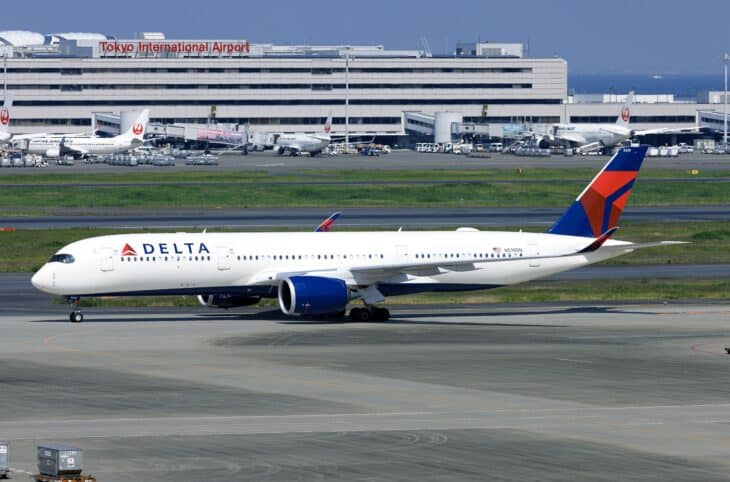
Delta sits in a three-way tie at the top of the pay scale: a 12-year captain on its largest widebodies, such as the Airbus A350, earns more than $465 an hour. Since January 1, 2026, Delta has also put 18% of pilot pay straight into each pilot’s 401(k).
Profit sharing is what puts Delta first. It paid $1.3 billion for 2025, an estimated 8.9% of eligible earnings, under a formula that gives employees 10% of the first $2.5 billion of profit and 20% above that.
The airline is still growing its long-haul flying. In January 2026 it ordered 31 more Airbus widebodies, which will take its fleet to 79 A350s and 55 A330neos, and those are the jets that pay the top rates.
The one open question is the contract. Delta’s pilot agreement becomes amendable on December 31, 2026, and the pilots opened talks for a new one in April 2026. Under US airline labor law, the current terms stay in force until a new deal is signed.
Hiring off the back of a shutdown
When Spirit Airlines stopped flying on May 2, 2026, Delta moved within days to speed up its review of applications from Spirit pilots. It had already planned to hire about 600 pilots in the first quarter of 2026 alone.
2. United Airlines
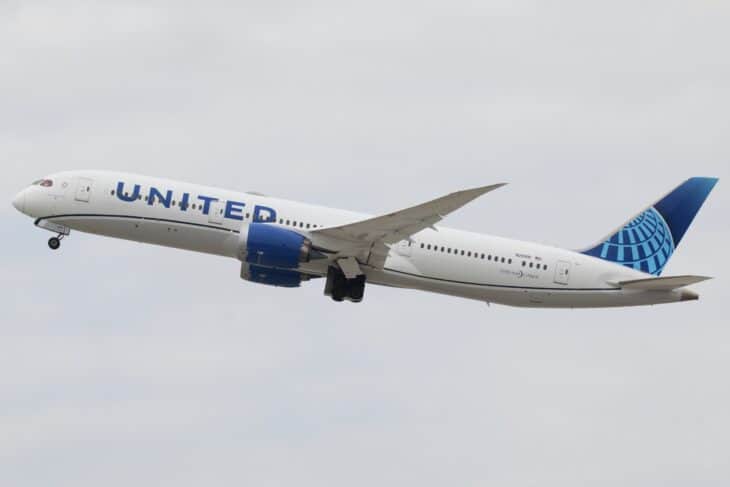

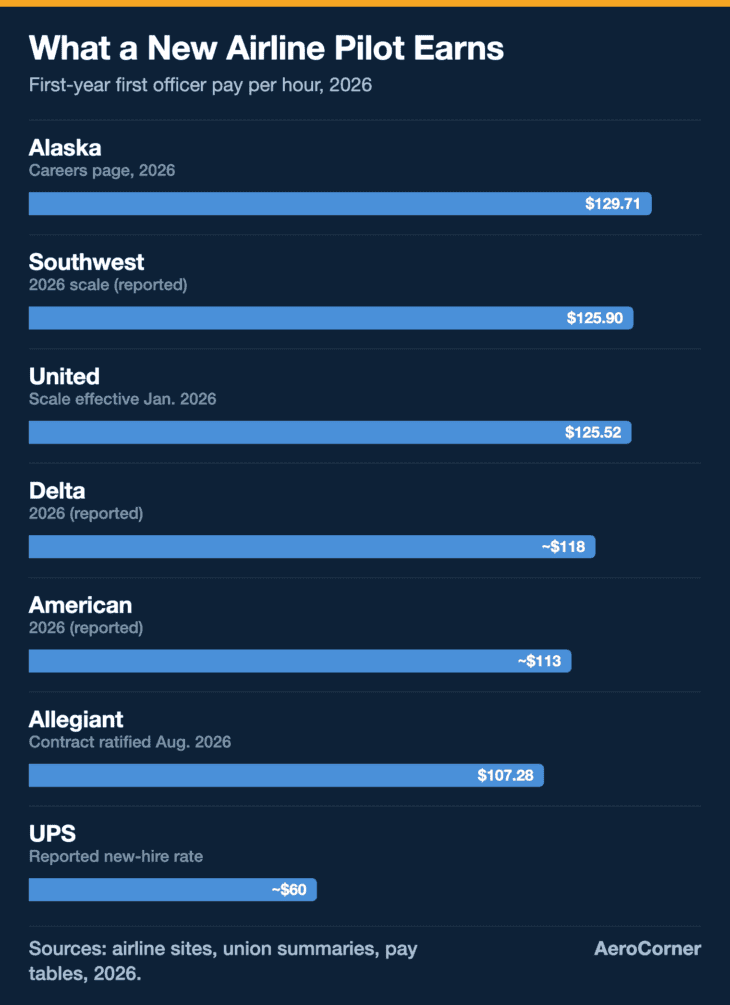
United matches Delta at the top of the scale: its 2026 table, effective January 1, puts a 12-year captain on the Boeing 777 or Boeing 787-9 at $483.74 an hour. It starts new first officers at $125.52 an hour, higher than Delta or American, and pays 18% into the 401(k).
United is also the airline most likely to hire you. ATP Flight School reported in November 2026 that United will have hired 1,800 pilots by the end of the year, and the airline plans to take about 20 Boeing 787s in 2026 alone.
It ranks second because its profit sharing is smaller. United booked $704 million of profit sharing for 2025, against Delta’s $1.3 billion. Its pilot contract runs into 2027.
United’s Aviate program offers a conditional first officer job to pilots who come up through its partner flight schools and United Express regionals. Our comparison of airline pilot cadet programs sets Aviate against the other pathways.
3. American Airlines
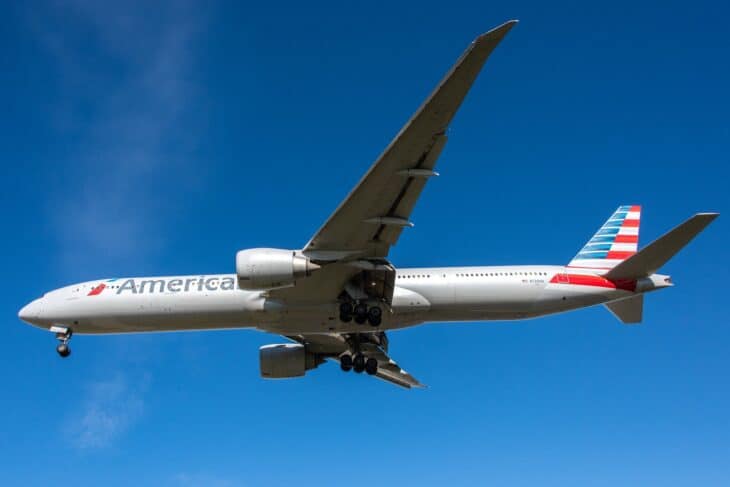
American pays its top widebody captains at the same level as Delta and United, more than $465 an hour in 2026. It had 14,970 pilots at the end of 2025, and their contract runs into 2027.
Age is on a new hire’s side. The airline planned to hire about 1,500 pilots in 2026, and AirlinePilotCentral’s count of American pilots turning 65 shows more than 900 a year reaching the mandatory retirement age in 2025 and 2026, which moves everyone below them up the seniority list.
Profit sharing holds American back. Its employees received about 0.3% of eligible pay for 2025, against 8.9% at Delta.
American’s best feature for new pilots is the route in. Its three wholly owned regionals, Envoy, Piedmont and PSA, all offer a set path to the mainline cockpit, covered in the regional section below.
4. Alaska Airlines (with Hawaiian)
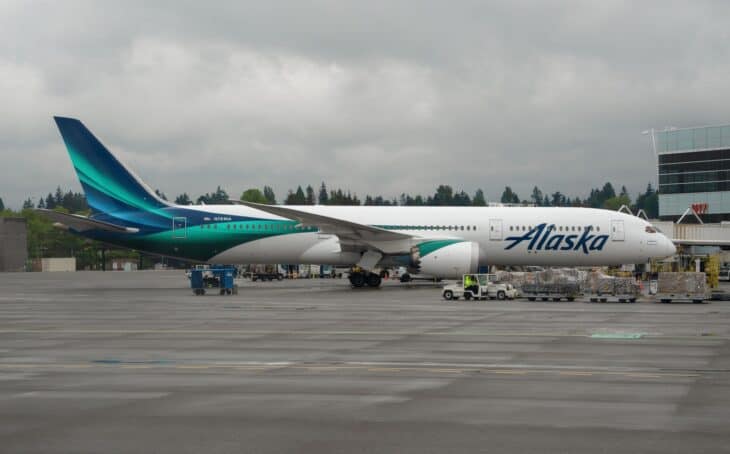

Alaska pays the highest first-year rate on this list: $129.71 an hour for a new first officer, according to its own careers page. Hawaiian, now part of Alaska Air Group, lists $90.00 for its first year.
The job is changing fast. Alaska now flies long-haul from Seattle, starting with Tokyo and Seoul, and plans at least 12 long-haul destinations from there by 2030 on a growing fleet of Boeing 787-9s.
It also opened a San Diego pilot base in June 2026 for up to 250 captains and first officers. That gives Alaska eight pilot domiciles, from Anchorage and Seattle to Honolulu and Cincinnati.
The two pilot groups reached a joint tentative contract in November 2026 after more than 600 days of talks, and pilots vote on it from December 1 to 22, 2026. Its terms were not public at the time of writing, so Alaska’s rank could rise once they are.
5. Southwest Airlines
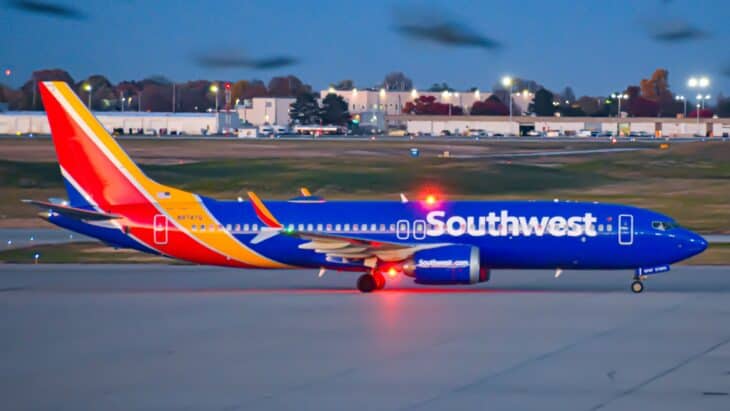

Southwest has the most secure contract of any major passenger airline: its pilot agreement runs until January 2029. In 2026 it pays 18% of pay into a retirement plan, plus a 2% cash balance contribution, the largest retirement contribution of any passenger airline here.
A new first officer earns $125.90 an hour on the 2026 scale, as reported by Aviation A2Z, and a 12-year captain $343.14. That top rate is well below the big three, because Southwest flies only the Boeing 737 and has no widebody pay.
Pilots get choice of base. Southwest has 13 pilot domiciles, from Baltimore to Oakland, and runs a vacancy bid every month.
The drawback is the door. Southwest’s first officer application was closed when we checked in November 2026, and its pilot headcount fell by 364 in 2025, according to the Air Line Pilots Association.
6. FedEx Express
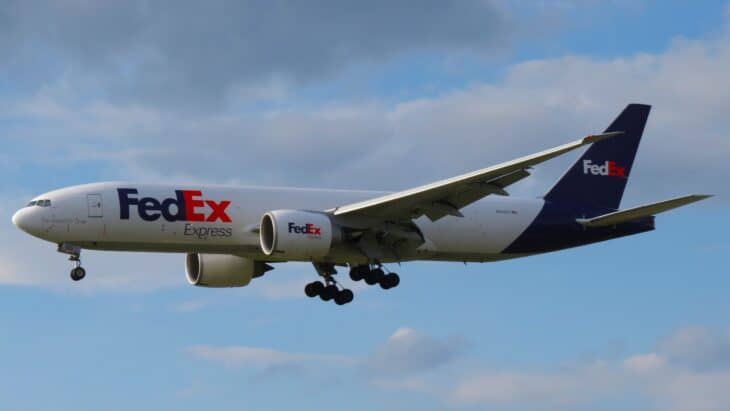

FedEx pilots ratified a new contract in June 2026, with 83% voting yes, ending a negotiation of nearly five years. It took effect on June 29, 2026, raised hourly pay by nearly 40% and runs until December 2030, the longest runway of any contract here.
A top widebody captain earns $469 an hour under the new deal, according to the union’s summary as reported by Bolt Flight. Pilots also received back pay for the years without a contract, up to $150,000 for captains and $102,500 for first officers.
Cargo is a different life, with much of the flying at night and overseas. The pilot group also shrank by 667 in 2025 after FedEx lost its Postal Service contract, so new hiring is the thing to watch.
7. UPS Airlines
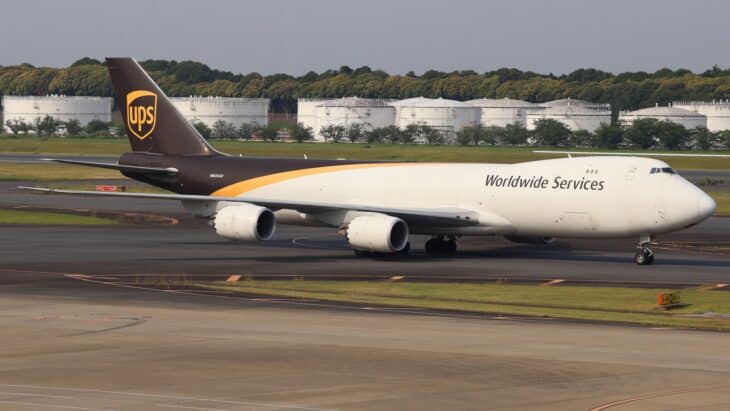

UPS offers what passenger airlines stopped offering decades ago: a defined-benefit pension. AirlinePilotCentral describes it as a flat amount for each year of service, capped at 30 years and worth about $120,000 to $126,000 a year at the cap, plus a 12% company contribution to a second plan.
Its September 2025 scale tops out at $401 an hour for a captain. New hires start low, at about $60 an hour by reported figures.
The contract is the risk. It became amendable on September 1, 2025, and UPS said in its filing for the quarter ended September 30, 2026 that it is still negotiating with the Independent Pilots Association. On the plus side, UPS added 170 pilots in 2025 for its new Postal Service flying.
8. Allegiant Air
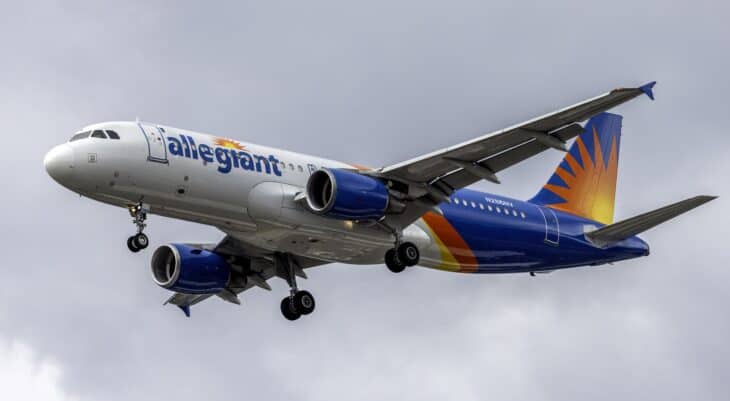

Allegiant pilots ratified a two-year contract in August 2026 that raised pay by about 40% on average. A first-year first officer now earns $107.28 an hour and a 12-year captain $320, according to the union’s summary.
The deal also adds a 15% company-funded 401(k) and released about $300 million in retention bonuses. Allegiant is the strongest choice among the low-fare airlines in 2026, though its contract is short and its top captain rate sits well below the majors.
What about JetBlue and Frontier?
Both are left off the list because their pilots have no new contract as of November 2026. JetBlue is still negotiating with its pilots and lost $602 million in 2025. Frontier’s pilots still work under the contract ratified in 2019, which pays a first-year first officer $100 an hour and a 12-year captain $270, according to Vectors to Hired in July 2026. A new deal at either airline would move it up.
The best regional airlines for new pilots
Most pilots do not start at a major. Federal rules require an airline transport pilot certificate, which takes 1,500 flight hours, or 1,000 with a qualifying aviation bachelor’s degree and 750 for military pilots, so the usual first airline job is at a regional.
The best regionals are the ones owned by, or tied to, a major. Endeavor Air, Delta’s wholly owned regional, pays a first-year first officer $106.66 an hour and is the airline behind Delta’s Propel pathway, which comes with a job offer at Delta.
Envoy Air, owned by American, pays $102 an hour in the first year and adds a 50% premium on every hourly rate until December 31, 2026. PSA Airlines, also American-owned, extended its pilot contract in November 2026 to April 2030, with new pay scales from June 2027.
Where you train matters as much as where you start. Our ranking of the best aviation colleges shows which degree programs qualify for the 1,000-hour route.
Why the timing has rarely been better
Airline pilots must leave Part 121 flying at 65, and that rule is now emptying cockpits. The major airlines hired 3,863 pilots in the 12 months to July 2026, up 74% on the year before, according to ALPA’s reading of industry data.
The Bureau of Labor Statistics projects 8% job growth for airline pilots from 2025 to 2035. None of that guarantees a job at a particular airline, but seniority is the currency of the career, so the year you are hired shapes every year after it.
FAQ
Sources and references used for research and fact-checking.
- AirlinePilotCentral, Delta Air Lines pilot pay and benefits
- AirlinePilotCentral, United Airlines pilot pay, effective Jan. 1, 2026
- View from the Wing, Delta pilots earn up to $465.13 an hour
- Air Gazette, United, American and Delta pilot salary
- Delta News Hub, Delta to reward employees with average of four weeks extra pay
- Airbus, Delta Air Lines grows Airbus fleet with order for 31 additional widebody aircraft
- Atlanta Journal-Constitution, After Spirit shutdown, Delta jumps on hiring pilots
- OPB, Spirit Airlines says it will cease operations
- United Airlines, United Airlines Q4 and full-year 2025 results
- SEC, United Airlines 2025 Form 10-K
- SEC, American Airlines 2025 Form 10-K
- AirlinePilotCentral, American Airlines pilot pay and retirements
- One Mile at a Time, American Airlines employees get 0.3% profit sharing
- ATP Flight School, Current pilot hiring announcements
- AOPA, Airline pilot hiring shows renewed momentum
- Air Line Pilots Association, Pilot employment trends: outlook remains strong
- AeroCorner, Airline pilot cadet programs compared
- Alaska Airlines, Alaska Airlines pilot careers
- Alaska Airlines News, Alaska Airlines launches new era of widebody international flying in Seattle
- AVweb, Alaska Airlines adds San Diego pilot base
- AirlineGeeks, Alaska and Hawaiian pilot MECs approve tentative joint contract
- Southwest Airlines, Southwest Airlines pilot careers
- Aviation A2Z, Southwest Airlines pilots salary 2026
- Air Line Pilots Association, FedEx pilots ratify new collective bargaining agreement
- FreightWaves, FedEx pilots approve new contract, ending protracted bargaining
- Supply Chain Dive, FedEx pilots union tentative contract pay
- Bolt Flight, Top 5 airlines offering the highest pilot pay packages in 2026
- AirlinePilotCentral, FedEx Express pilot pay and retirement
- SEC, UPS Form 10-Q, quarter ended Sept. 30, 2026
- AirlinePilotCentral, UPS Airlines pilot pay and retirement
- RotatePilot, UPS Airlines pilot salary
- AVweb, Allegiant pilots ratify contract
- SEC, JetBlue 2025 Form 10-K
- Vectors to Hired, Frontier pilot salary guide
- Endeavor Air, Endeavor Air pilot compensation
- Envoy Air, Envoy pilot portfolio, June 2026
- Air Line Pilots Association, ALPA pilots at PSA Airlines secure contract extension and new pay scales through 2030
- US Bureau of Labor Statistics, Airline and commercial pilots
- Cornell Law School LII, 14 CFR 61.159, aeronautical experience for ATP
- Cornell Law School LII, 14 CFR 61.160, restricted ATP
- Cornell Law School LII, 14 CFR 121.383, age 65 limit
- Wikipedia, Rule of three (aeronautics)
Get the Newsletter
The latest aviation news and stories sent to your inbox.
About the Author

Tim is the owner and lead editor of AeroCorner since 2019, overseeing aviation content covering aircraft, airlines, airports, and the broader aviation industry. Through years of researching, writing, editing, and publishing aviation-focused content, he has developed extensive practical knowledge of commercial aviation and air travel. Based in Asia and a frequent traveler himself, Tim also brings firsthand passenger experience to AeroCorner’s coverage. Outside of publishing, he has also explored aviation firsthand through hands-on flight training in New Zealand.