Jumbo Passenger Jets
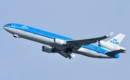
McDonnell Douglas MD-11
ICAO: MD11
DC-10-10 · DC-10-30 · DC-10-30ER · DC-10-40
The tri-jet that redefined long-haul travel
The latest aviation news and stories sent to your inbox.
With its distinctive third engine mounted in the tail and a cabin built for comfort, the McDonnell Douglas DC-10 became one of the most recognizable airliners of the jet age. It carried millions of passengers across oceans and continents, symbolizing both innovation and ambition in commercial aviation.
Live Fleet Activity (DC10)
Fetching live data…
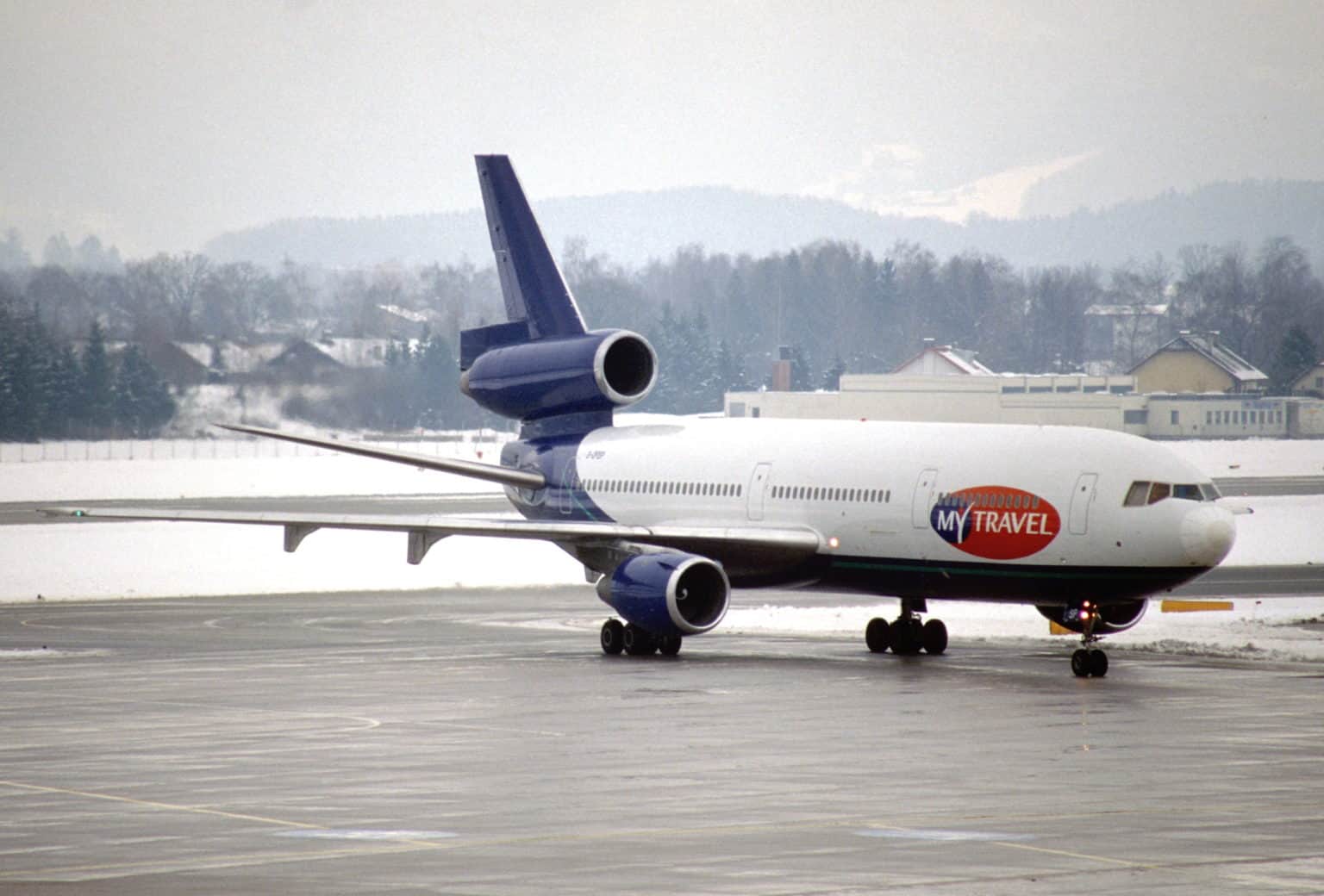


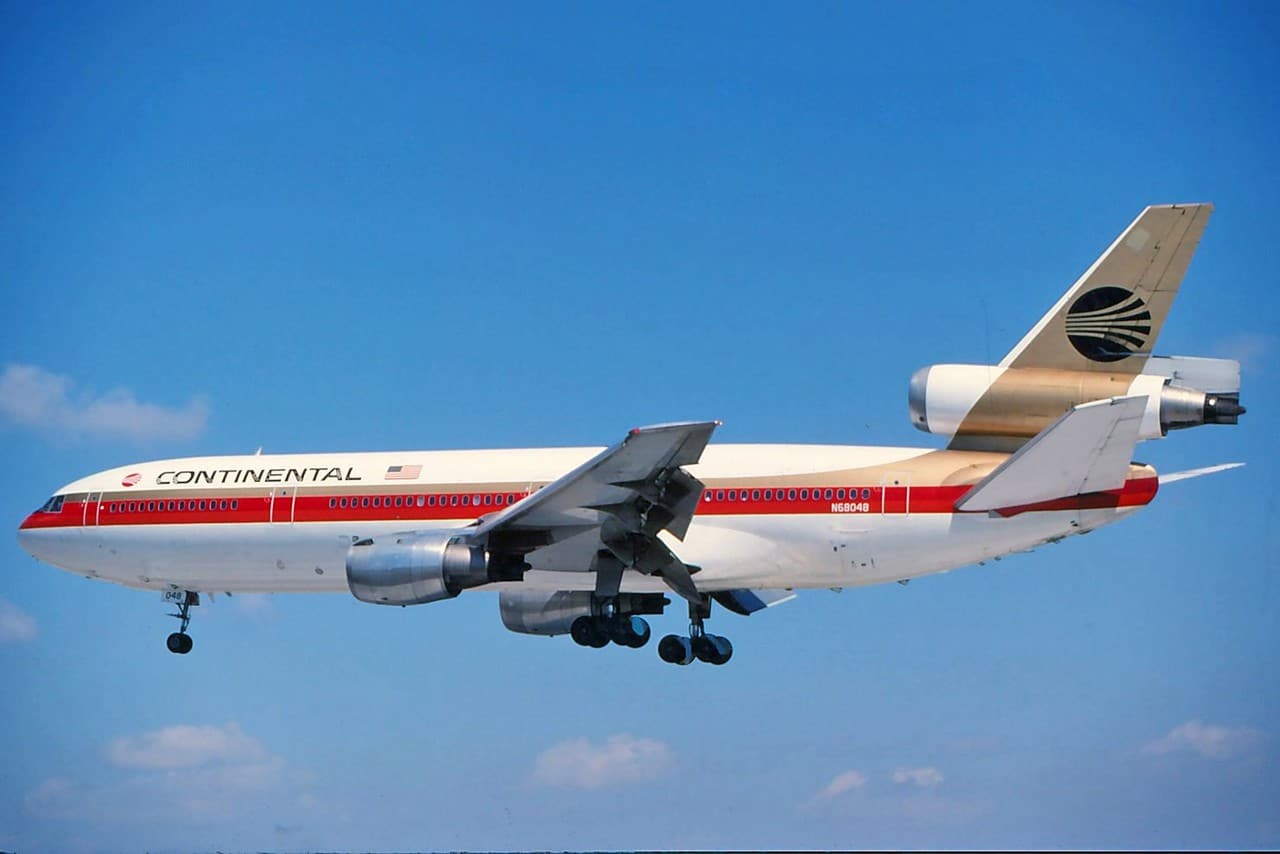


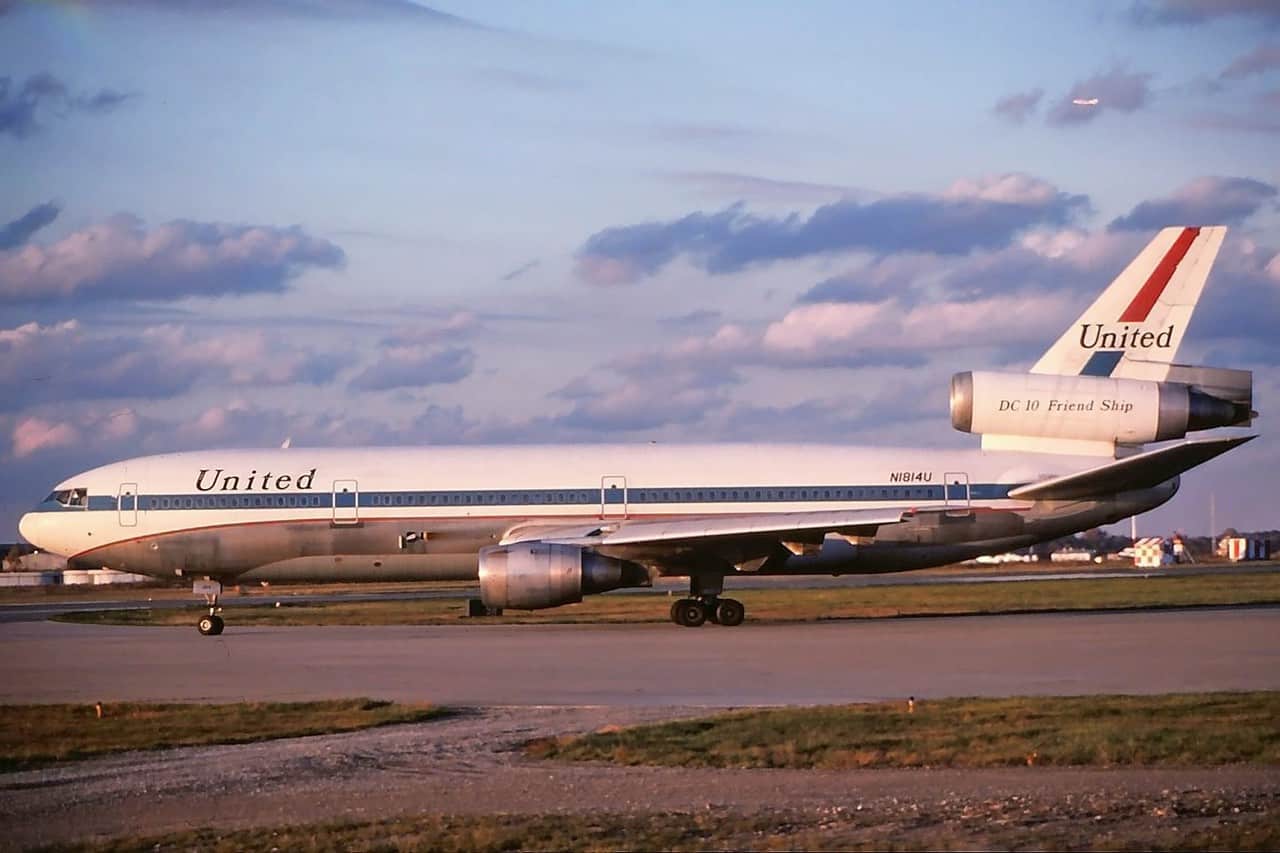
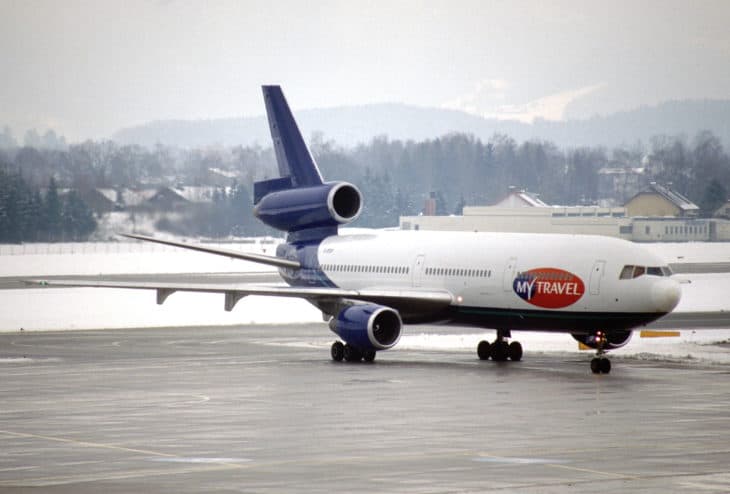


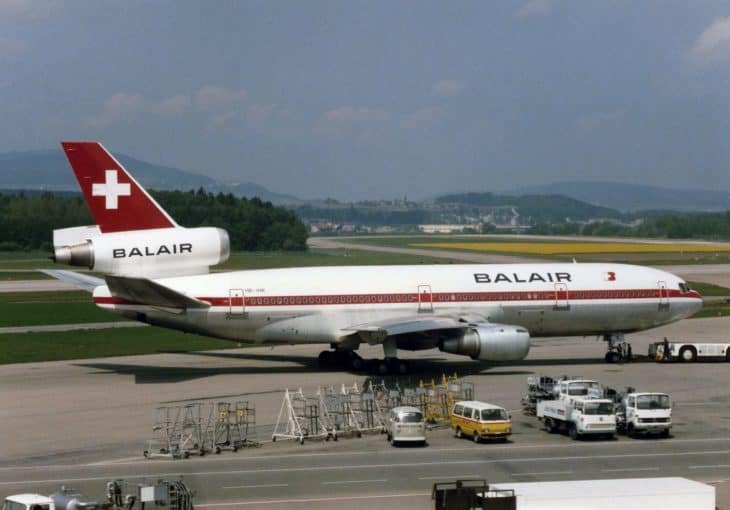


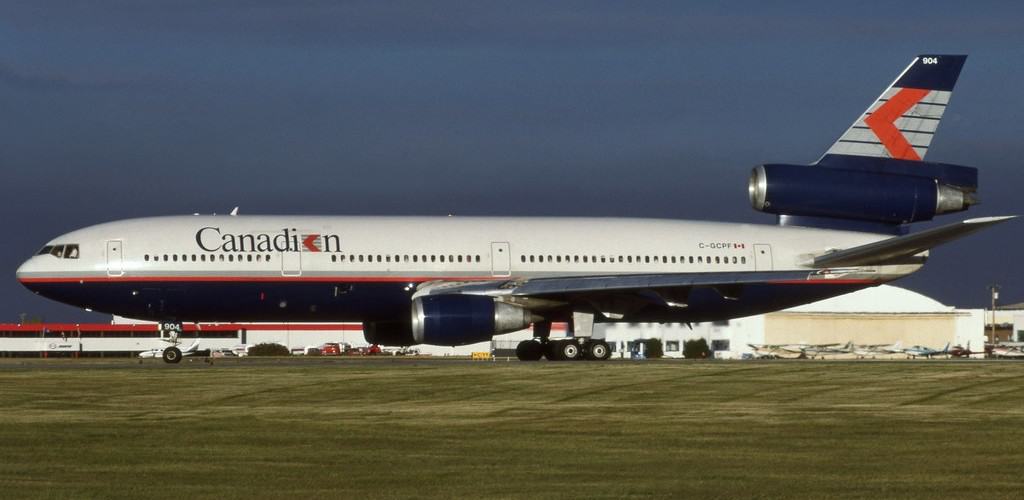

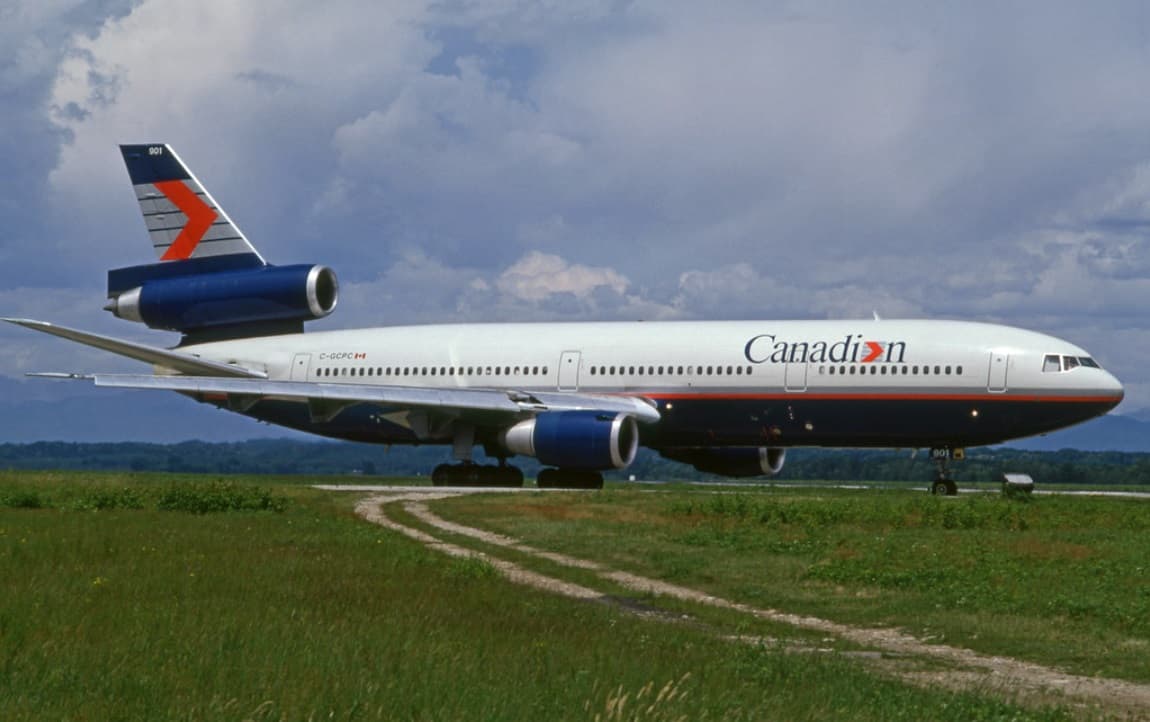


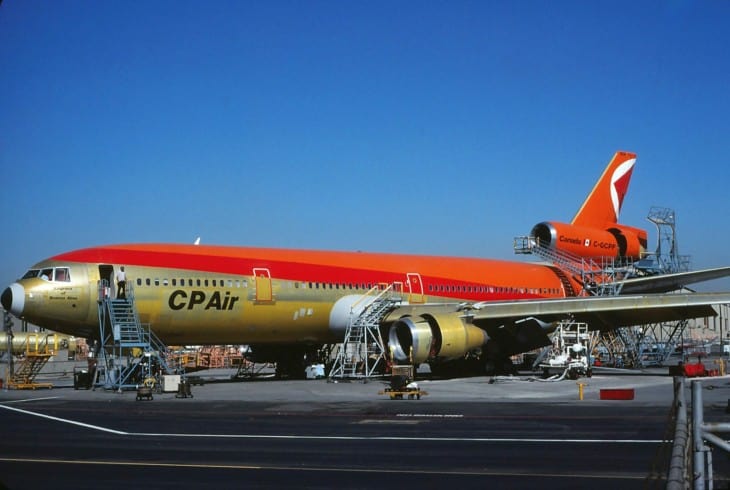


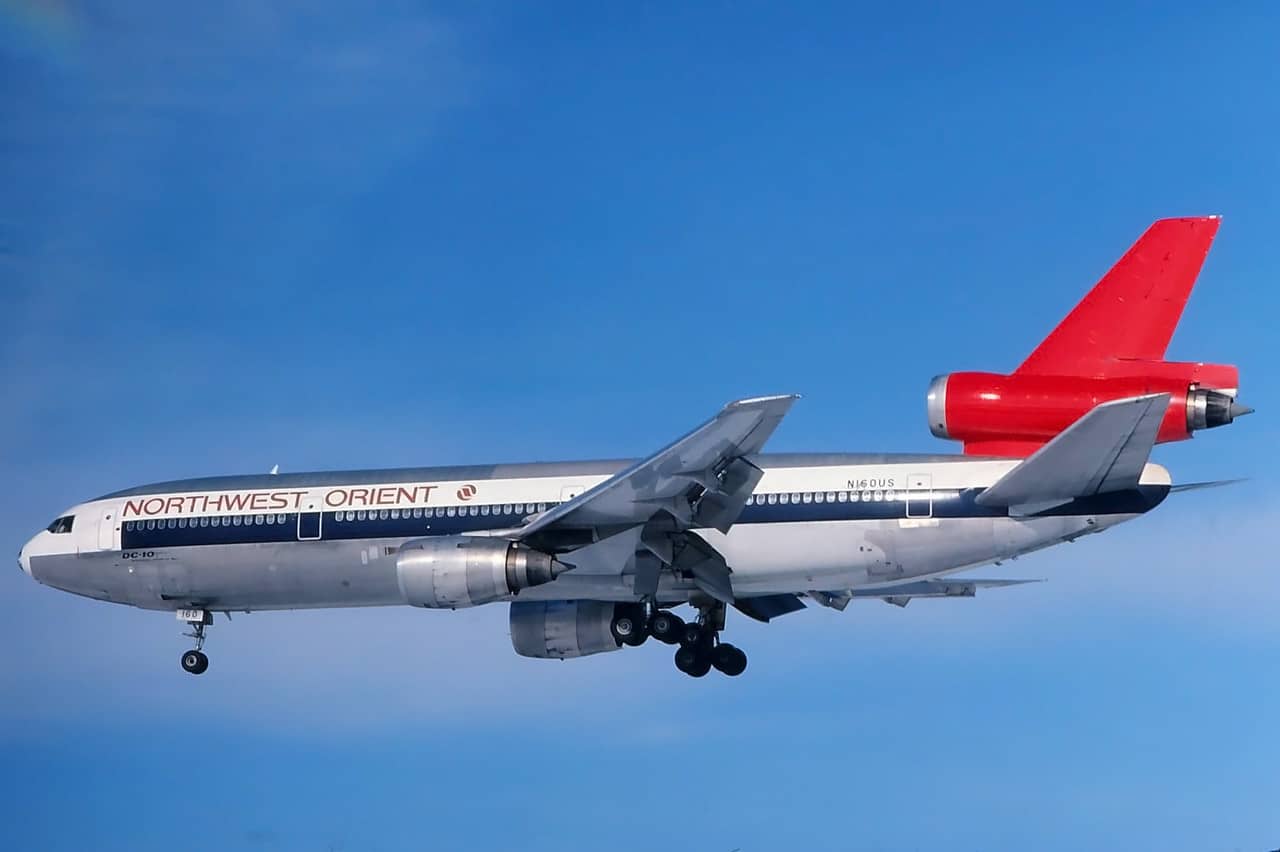


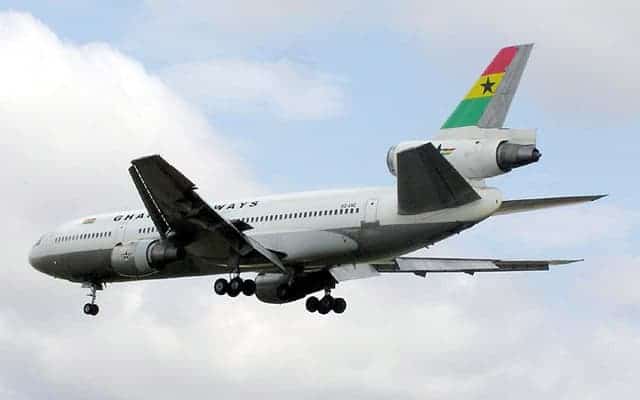
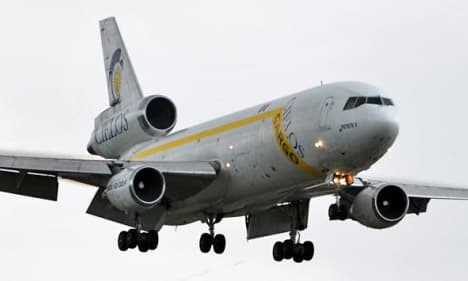
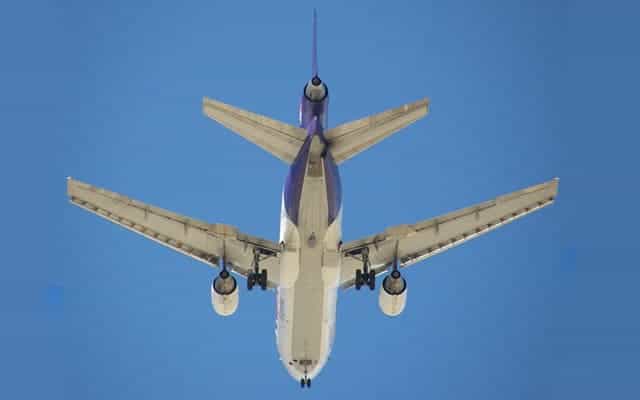
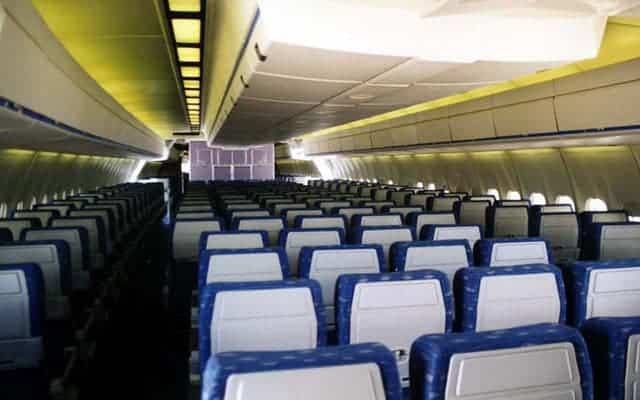
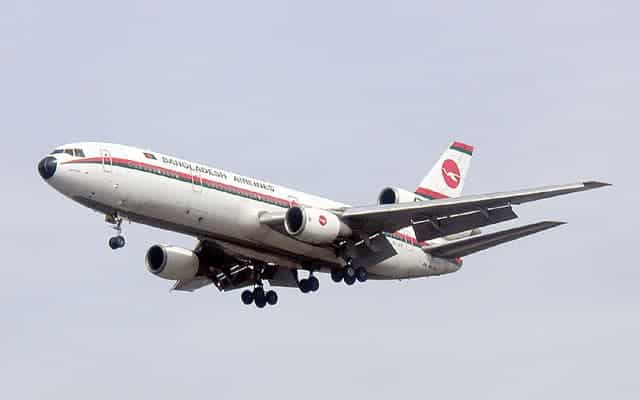
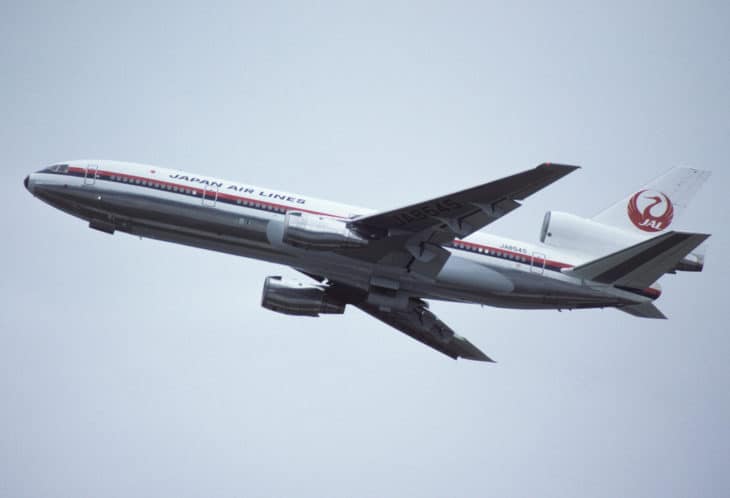
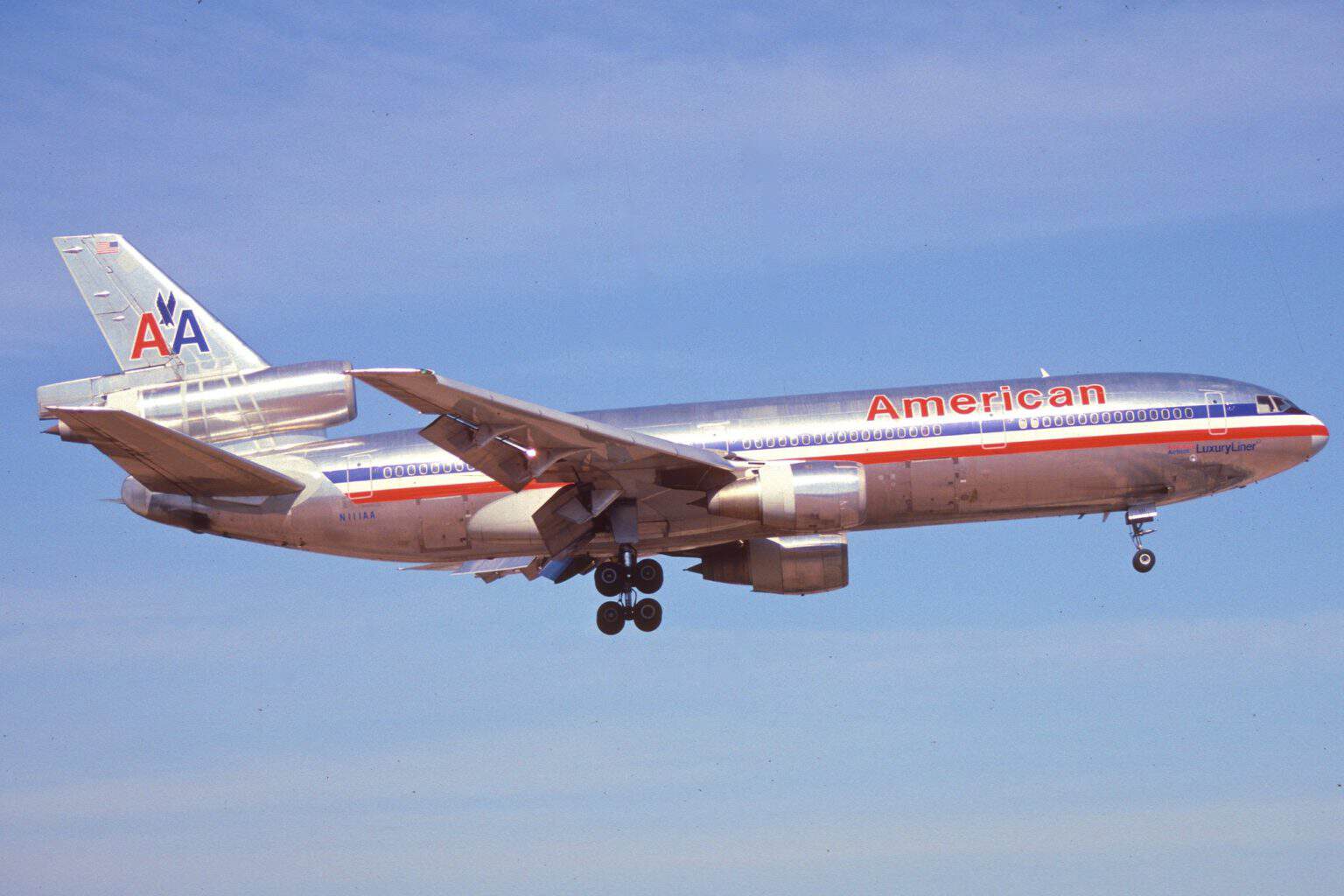
The McDonnell Douglas DC-10 was a widebody trijet airliner developed in the late 1960s to meet airlines’ growing demand for efficient long-range jets. Designed as a competitor to the Lockheed L-1011 TriStar and a complement to Boeing’s 747, the DC-10 filled a new niche — a widebody aircraft suited for both intercontinental and high-density domestic routes.
First flown in August 1970 and entering service with American Airlines in 1971, the DC-10 introduced a new level of versatility for airlines. Its twin underwing engines and a third, tail-mounted powerplant gave it the power and range of a large jet while avoiding the cost and complexity of four engines. This configuration, paired with a spacious twin-aisle cabin, made the DC-10 a favorite for both passengers and pilots.
Over its production life, McDonnell Douglas built 446 DC-10s in several passenger and cargo variants. Early models served major carriers such as United, KLM, Swissair, and Northwest, while later versions adapted for extended-range international flights. The aircraft also became a foundation for the KC-10 Extender, the U.S. Air Force’s advanced aerial refueling and transport platform.
Though the DC-10 faced early challenges — including highly publicized accidents that led to design and procedural improvements — it went on to earn a reputation for reliability and longevity. Many were later converted into freighters, extending their careers well into the 21st century.
The DC-10 stands today as a defining aircraft of its era — a blend of bold design and enduring engineering that bridged the golden age of jet travel with the efficiency-focused modern world.

The DC-10-10 was the first production version of the McDonnell Douglas DC-10 series, tailored for short- to medium-range routes within North America and similar markets. Entering service with American Airlines in 1971, it featured the same iconic tri-jet configuration as later models but was optimized for domestic operations with shorter-range engines and lighter fuel capacity.
Equipped with General Electric CF6-6D turbofan engines, the DC-10-10 could operate efficiently from major hubs like Chicago and Los Angeles, connecting high-density city pairs with fewer takeoff and landing restrictions. Airlines such as United Airlines, Delta, and National Airlines also became key operators.
The DC-10-10 carried around 250 passengers in a typical two-class layout and set the foundation for the aircraft family’s evolution. Its reliability and spacious design made it a favorite among crews and passengers alike, paving the way for extended-range variants like the DC-10-30 that followed.

The DC-10-30 was the definitive long-range version of the McDonnell Douglas DC-10 family and the most widely produced variant. Introduced in 1972, it featured more powerful General Electric CF6-50C engines, a reinforced structure, and additional fuel tanks that dramatically increased its range, making true intercontinental travel possible.
Designed to compete directly with the Lockheed L-1011 TriStar and early Boeing 747 routes, the DC-10-30 became a favorite among major international airlines, including KLM, Swissair, Lufthansa, and Air France. It could comfortably handle transatlantic and transpacific routes, carrying around 270–300 passengers in a two-class configuration.
Its performance, flexibility, and reliability earned it a long service life — many DC-10-30s were later converted into freighters, continuing operations well into the 21st century. The -30 variant remains the benchmark model of the DC-10 line, embodying the aircraft’s balance of capacity, range, and engineering excellence.
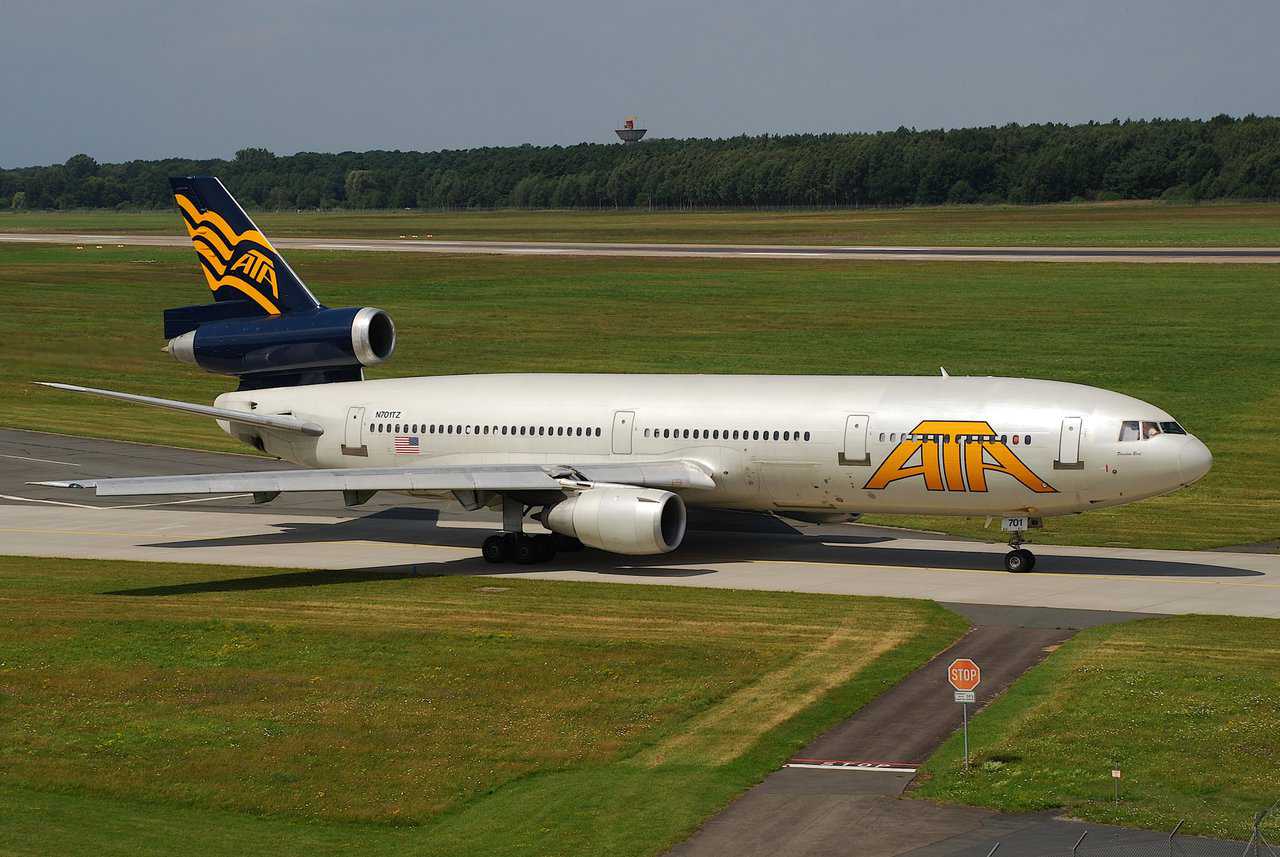
The DC-10-30ER (Extended Range) was a refined version of the successful DC-10-30, designed to meet airlines’ growing demand for longer nonstop routes during the 1980s. Introduced in 1981, it combined the proven performance of the -30 with modifications that significantly increased its operational range and payload capacity.
The -30ER incorporated an additional center fuel tank in the lower cargo hold, boosting total fuel capacity and extending range by nearly 1,000 miles (1,600 km) compared to the standard model. It also featured a higher maximum takeoff weight (MTOW) and more efficient General Electric CF6-50C2B engines, allowing it to reach distant destinations without compromising payload.
Airlines such as Martinair, Finnair, and Swissair adopted the -30ER for long-haul intercontinental routes connecting Europe, Asia, and North America. This variant represented the pinnacle of the DC-10’s passenger service evolution — bridging the gap between the original tri-jet and its next-generation successor, the MD-11.
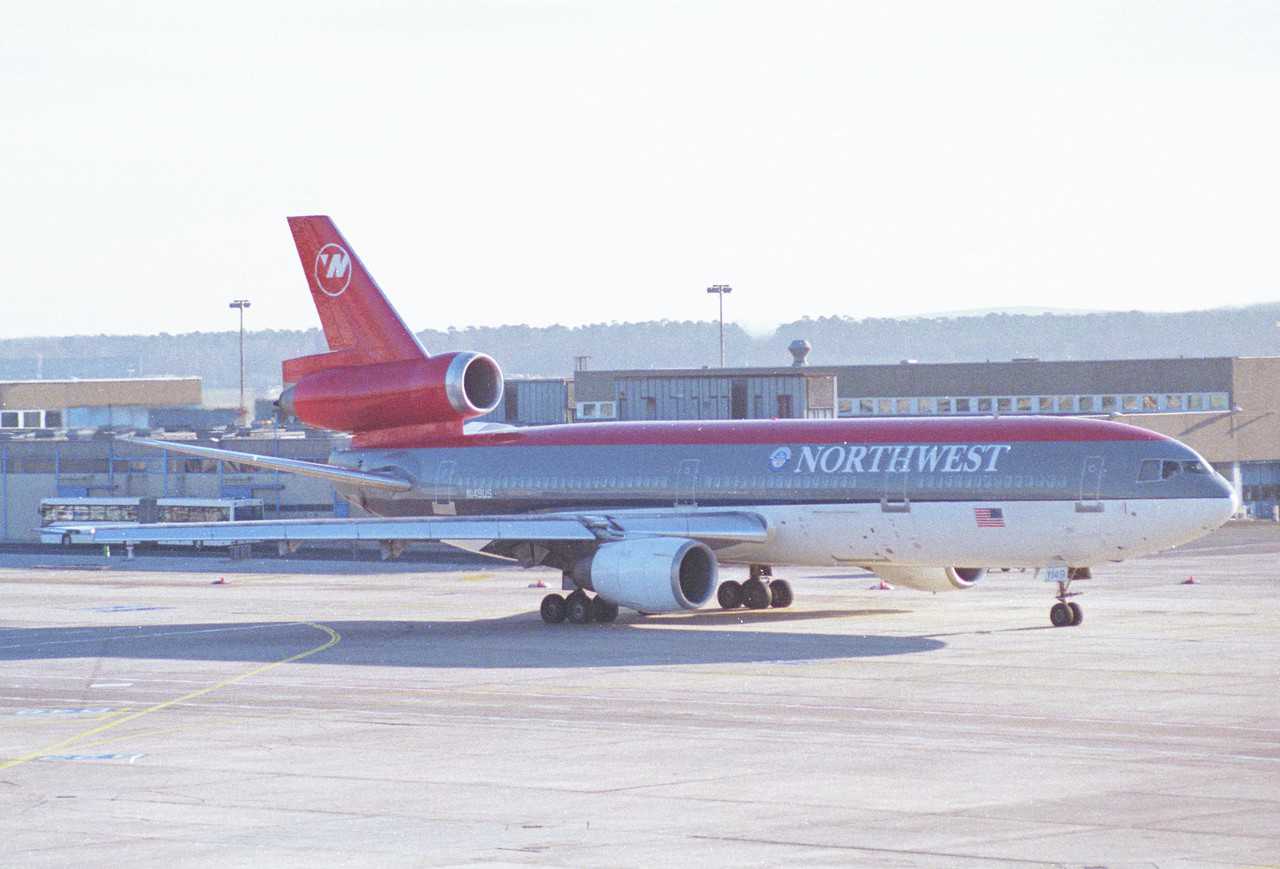
The DC-10-40 was the final major passenger version of the DC-10 family and the only variant powered by Pratt & Whitney JT9D engines — the same powerplant used on early Boeing 747s. Originally designated DC-10-20, it was renamed before entering service to reflect performance comparable to the long-range DC-10-30.
Introduced in 1972, the DC-10-40 was developed primarily for Northwest Orient Airlines and Japan Airlines, both of which required a tri-jet capable of operating long-haul routes from shorter runways and in high-temperature conditions. The aircraft featured reinforced landing gear, an increased maximum takeoff weight, and additional fuel capacity for extended-range operations.
Though fewer DC-10-40s were built compared to the -30, it proved reliable and well-suited to transpacific and transcontinental flights. The variant became closely associated with Northwest’s intercontinental services throughout the 1970s and 1980s, earning a reputation for durability and steady performance across decades of use.
Sources and references used for research and fact-checking.
Sources and references used for research and fact-checking.
Sources and references used for research and fact-checking.
Sources and references used for research and fact-checking.