Private Single Engine
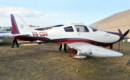
Cessna 350 Corvalis
ICAO: COL3
One of few aircraft designed with a geared engine
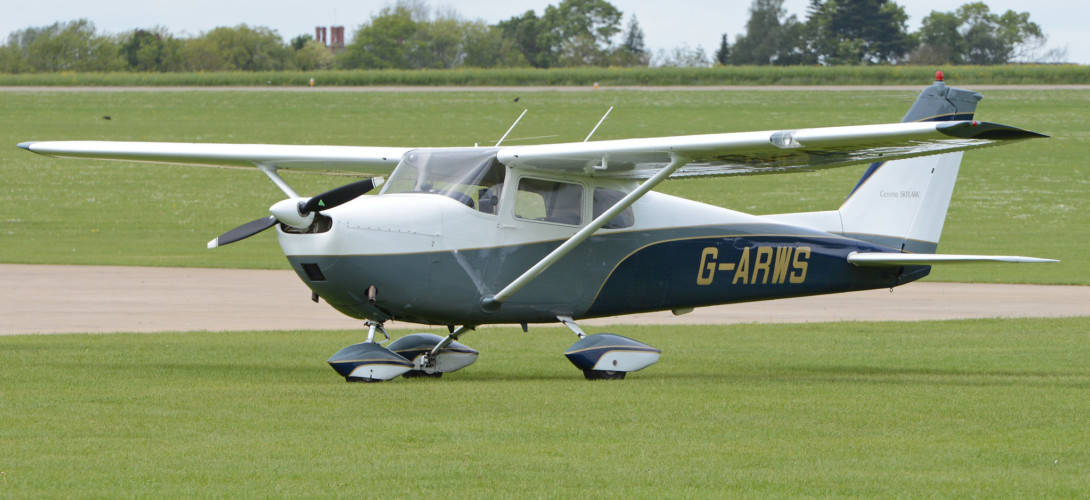
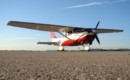
The Cessna 175 Skylark is a four-seat, single-engine, high-wing aircraft built by Cessna from 1958 to 1962. The 175 is powered by a Continental GO-300 piston engine and was one of the few aircraft designed with a geared engine.
Live Fleet Activity (C175)
Fetching live data…
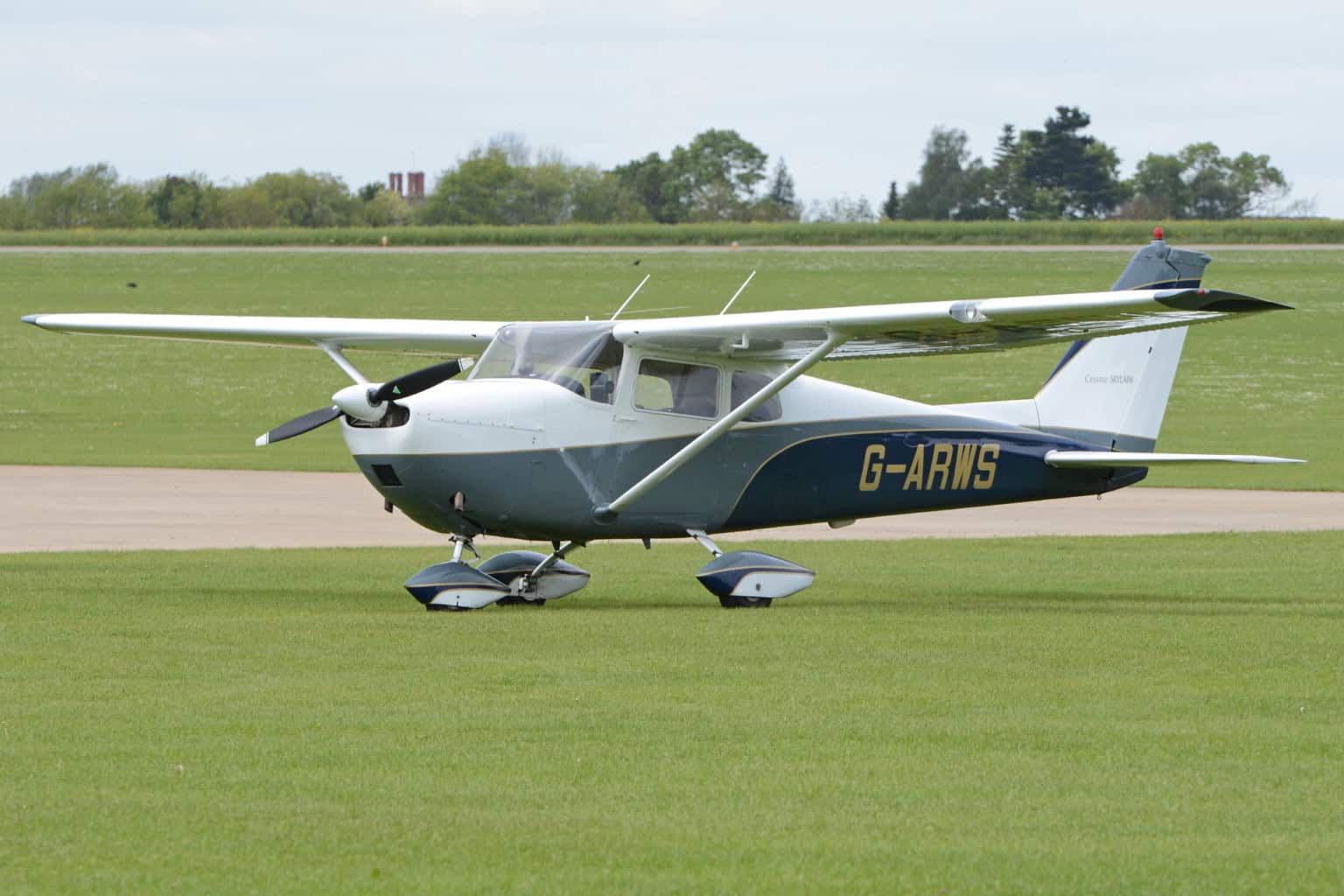

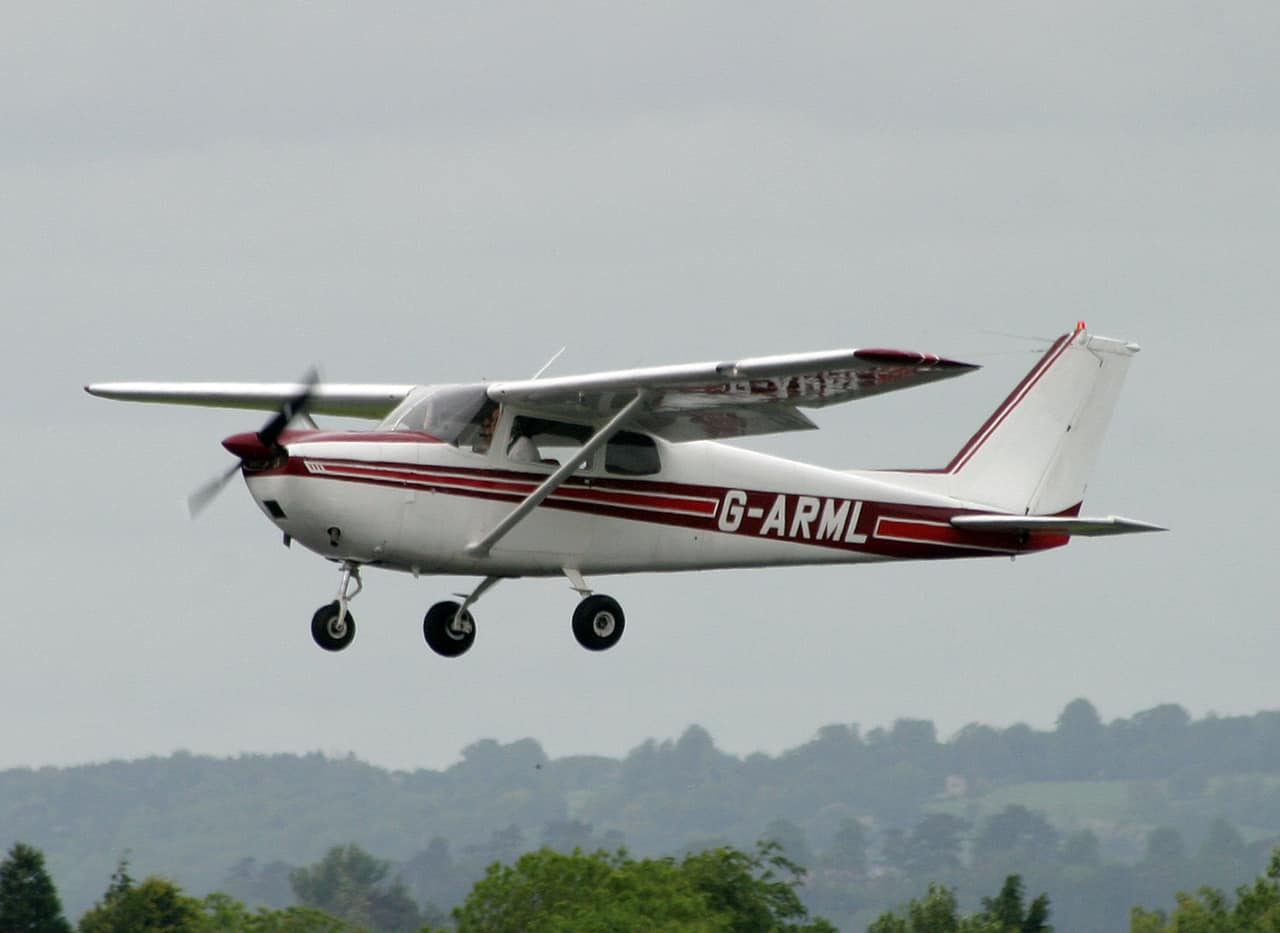
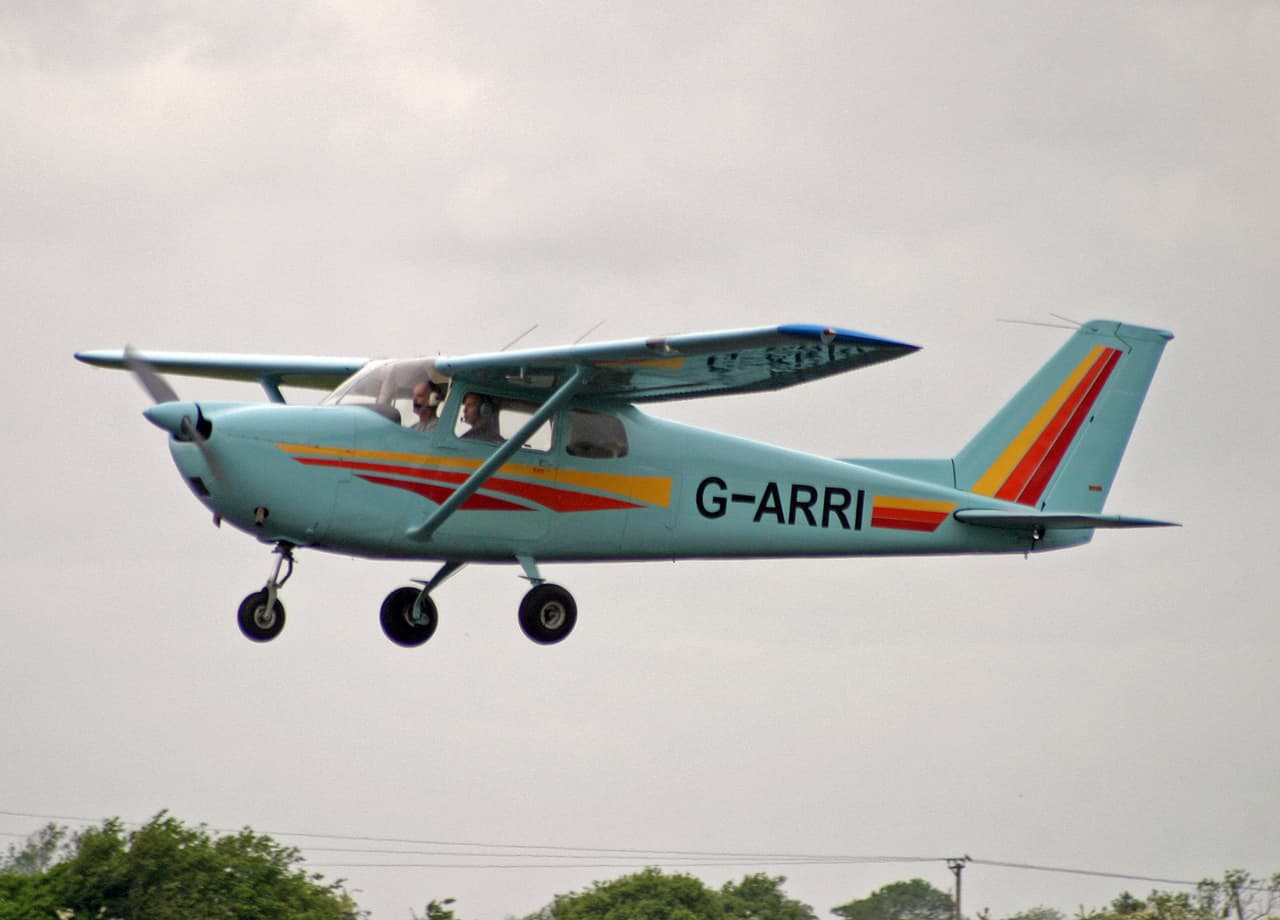


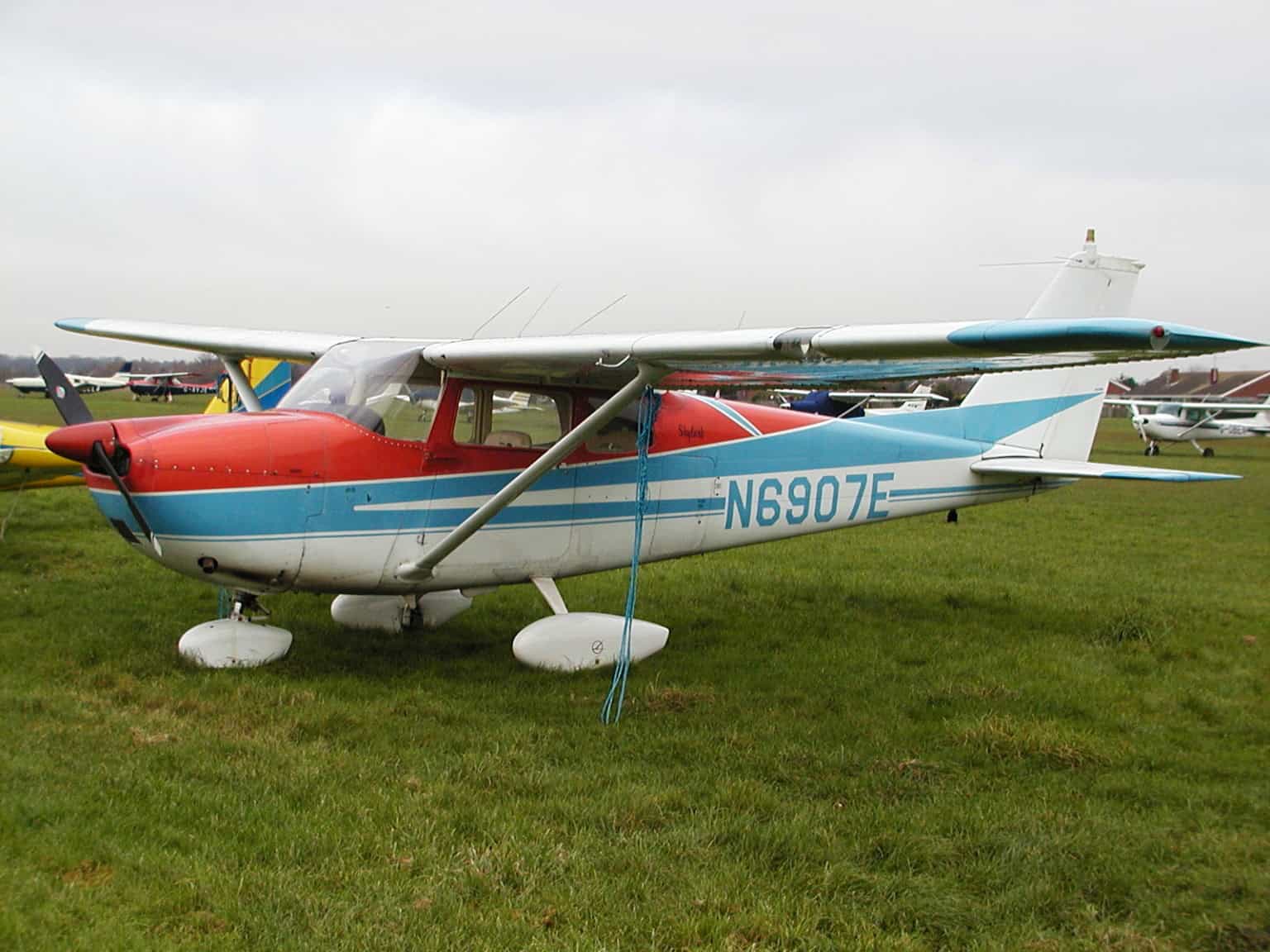
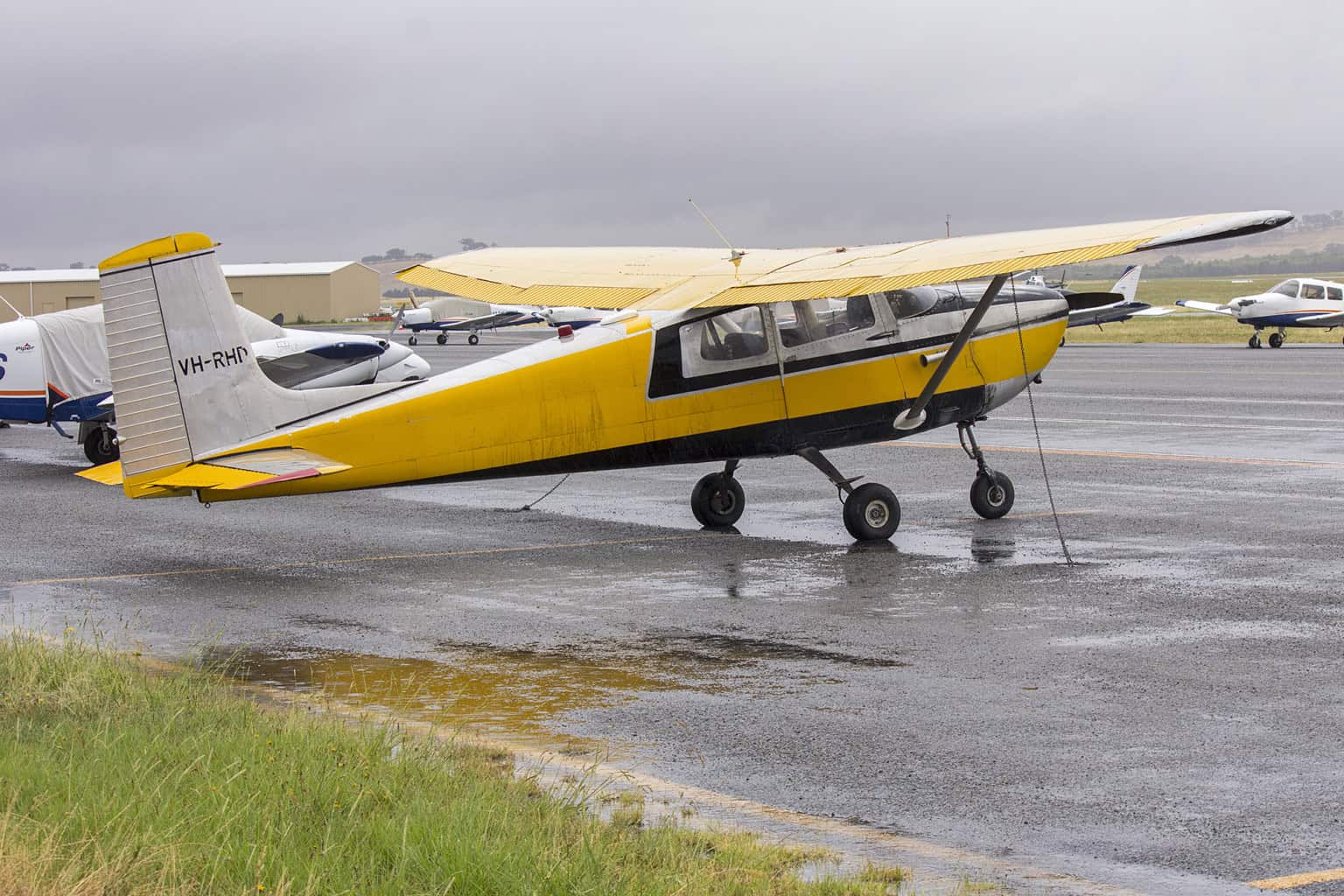
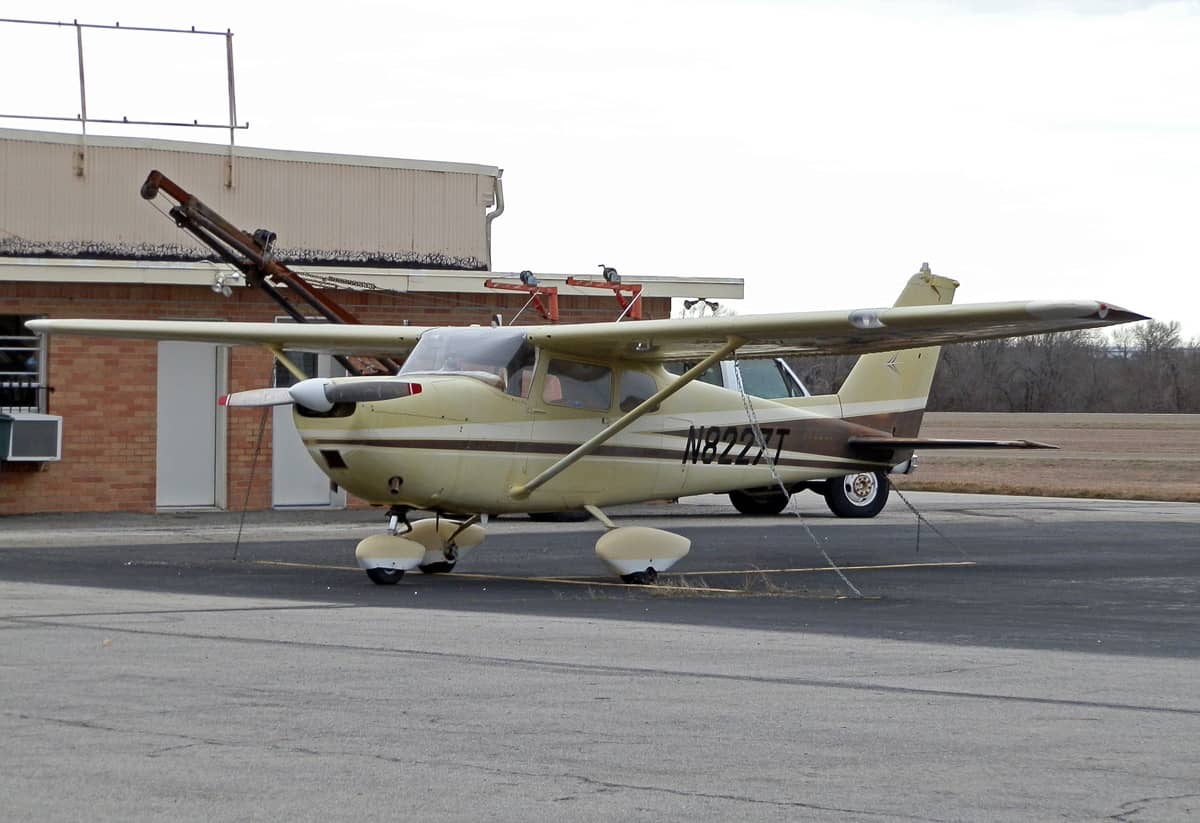
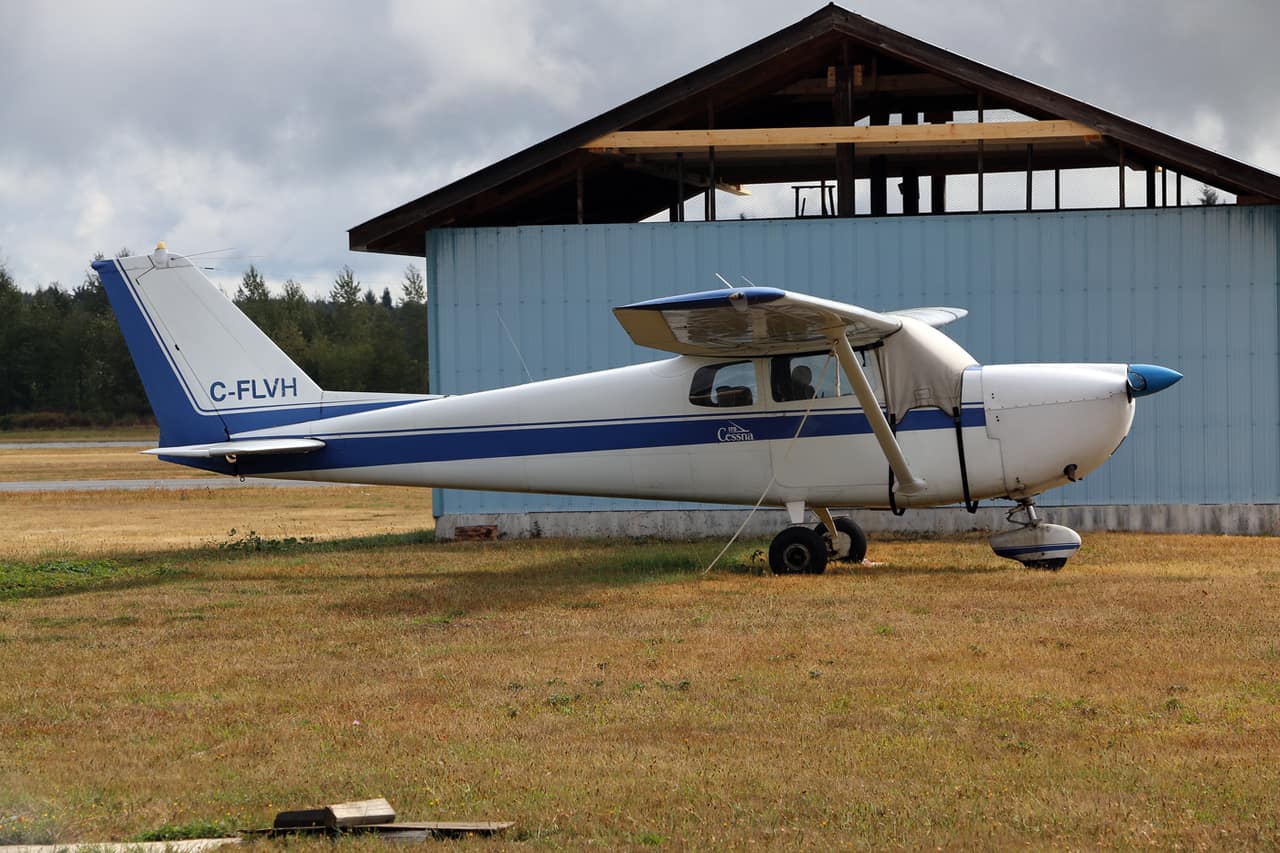
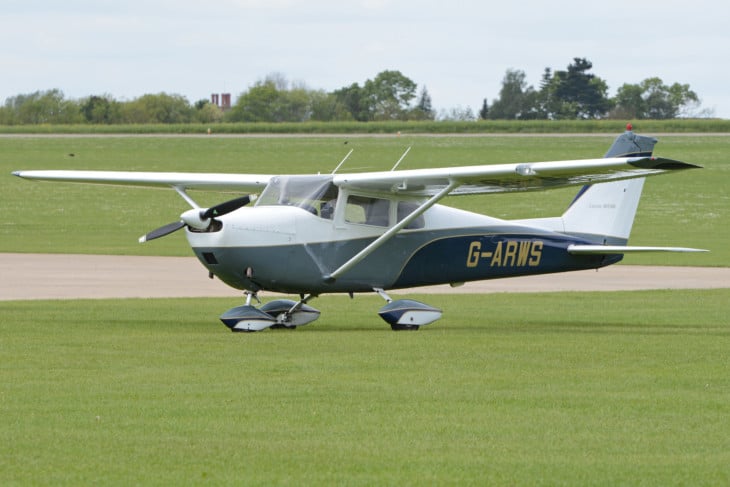
On March 22, 1958, the first Cessna 175 was introduced in the aviation market. The 175 was designed to fill the void between the slower Cessna 172 and the pricier Cessna 182. During the time the Cessna 175 was launched, the 172 was an entry-level model of Cessna. The 182, even though comparatively capable and spacious, was a remarkable improvement from the 172 in terms of cost and performance.
A distinct feature of the Cessna 175 is the geared Continental GO-300 engine. Considering the majority of single-engine aircraft use direct drive, the GO-300 drives the propeller with the use of a reducing gearbox, so the engine runs at 3200 rpm to turn the propeller at 2400 rpm. The GO-300 is a geared version of the Continental O-300 used in the Cessna 172. It has a maximum thrust rate of 175 horsepower and is 30 horsepower more compared to its forerunner.
However, the engine faced reliability issues that contributed to the poor reputation of the 175. But the tainted credibility of the engine is unseemly, seeing that the issues were the consequence of pilots who were foreign with gear reduction engines, and not operating it at the higher RPMs stated in the 175 Pilot’s Operating Handbook. The Cessna 175 can fly up to 17,800 feet and can climb at a rate of 950 feet per minute.
The four-seater Cessna 175 has an all-metal airframe, built of aluminum alloy. The semi-monocoque fuselage has exterior skin sheets riveted to formers and longerons, while the strut-braced wings were riveted to spars and ribs. It has a wingspan of 11.02 meters and a wing area of 16.3 square meters. The exterior length of the aircraft is 8.08 meters, the height is 2.73 meters, and the fuselage diameters is 1.1 meters. The aircraft is also fitted with a tricycle type landing gear and has a wheelbase of 1.9 meters.
A total of 2,106 175s were built from 1958 to 1962. The basic aircraft was designated as the 175, and the aircraft that featured a combination of optional equipment and overall paint was designated as the Skylark.