

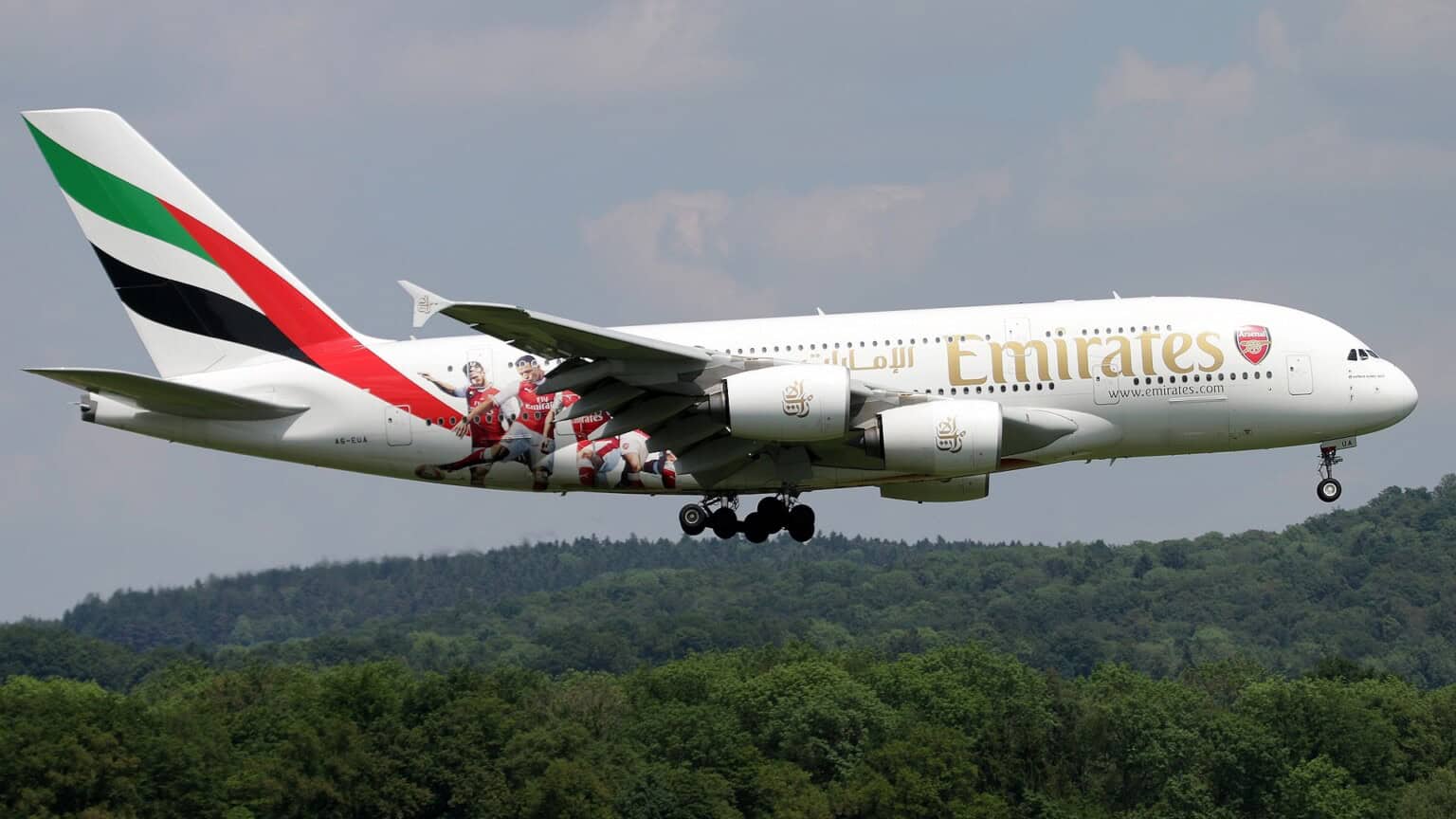
On August 16, 2026, flydubai flight FZ709 crossed into Iranian airspace on its way to Baku, according to AIRLIVE. It was the first confirmed overflight by a UAE carrier since Gulf airlines rerouted around Iran earlier this year. Emirates has also resumed using the airspace, the outlet reported.
The route through Iran cuts roughly 40 minutes off flights that had been detouring through Iraqi airspace, down to about 3 hours 10 minutes from 3 hours 50 minutes. flydubai’s 737 MAX 8 fleet and Emirates’ widebodies fly regularly out of Dubai International toward Central Asia and the Caucasus, a corridor that runs straight over Iranian territory.
A European Warning Still on the Books
The EU Aviation Safety Agency has told operators to stay out of that airspace entirely. Its bulletin CZIB-2026-04, issued July 8, 2026, recommends that “air operators should not operate within the airspace of Iran, FIR Tehran (OIIX), at all altitudes and flight levels.” The advisory runs through August 31.
EASA points to Iran’s heightened state of alert following hostilities between Iran and the United States that ran from February to June 2026. A ceasefire has held since, but EASA warns it remains fragile, with Iran’s air defenses raising the risk of misidentifying a civilian aircraft.
The bulletin also flags Iran’s actions against commercial shipping near the Strait of Hormuz as a sign the wider standoff with the United States has not actually cooled, even where the skies over Tehran have stayed quiet.
Why a European Warning Doesn’t Ground a Dubai Airline
EASA’s conflict-zone bulletins bind the carriers it actually regulates: airlines certified in EU member states. Emirates and flydubai answer instead to the UAE’s General Civil Aviation Authority, which runs its own, separate assessment of the same airspace.
That split is routine in conflict-zone flying. Regulators, war-risk insurers, and individual airlines each price the same risk differently, so a route one regulator rules out can still be open to a carrier whose home authority reaches a different conclusion.
A crew still cannot fly that route on a whim. Dispatchers plan and clear it in advance, the same process that governs how a flight’s route gets cleared on any ordinary day, conflict zone or not.
Reality check
Only two flights, flydubai’s and reportedly Emirates’, have been confirmed crossing Iranian airspace so far. EASA has not revised its advisory, which still tells European operators to avoid Iran entirely through August 31.
How the Standoff Got Here
February-June 2026
Hostilities between Iran and the United States escalate. Gulf carriers, including Emirates and flydubai, suspend flights through Iranian airspace and reroute around it.
July 8, 2026
EASA issues CZIB-2026-04. The bulletin tells operators not to fly over Iran “at all altitudes and flight levels” through August 31.
August 16, 2026
flydubai flight FZ709 crosses into Iranian airspace. Emirates reportedly follows, the first confirmed UAE overflights since the rerouting began.
Whether more Gulf carriers follow will depend on how the ceasefire holds. Iran’s continuing friction with the United States around the Strait of Hormuz means the airspace could close again with little notice, and EASA has said it is watching for exactly that.
Sources and references used for research and fact-checking.
Get the Newsletter
The latest aviation news and stories sent to your inbox.
About the Author

Tim is the owner and lead editor of AeroCorner since 2019, overseeing aviation content covering aircraft, airlines, airports, and the broader aviation industry. Through years of researching, writing, editing, and publishing aviation-focused content, he has developed extensive practical knowledge of commercial aviation and air travel. Based in Asia and a frequent traveler himself, Tim also brings firsthand passenger experience to AeroCorner’s coverage. Outside of publishing, he has also explored aviation firsthand through hands-on flight training in New Zealand.