

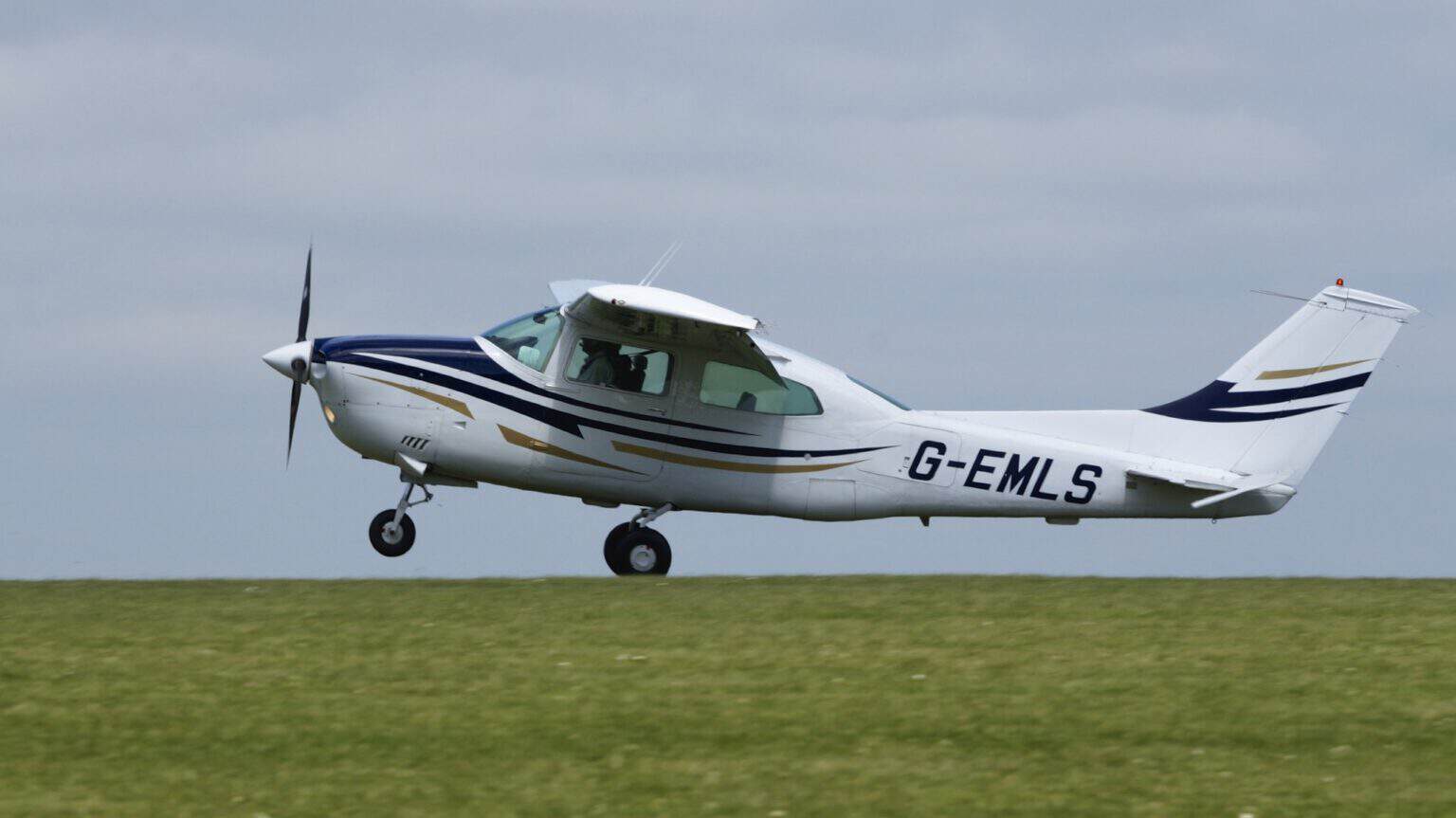
A Cessna 210 that tracking data identifies as N29002 crashed into the water near Horn Island on the afternoon of Tuesday, November 24, 2026, with four adults and two children aboard. All six were killed: late Tuesday night the U.S. Coast Guard said divers had found the remains of all six aboard the downed aircraft, about 2 miles northeast of the island, and ended its search.
The single-engine plane had left New Orleans Lakefront Airport for Page Field in Fort Myers, Florida, according to the Coast Guard’s Mobile sector. The NTSB will lead the investigation, with the FAA assisting.
Latest updates
Nov. 25, 1:40 a.m. ET
All six aboard found dead; Coast Guard ends the search. Divers located the remains of all six people aboard the downed aircraft about 2 miles northeast of Horn Island, the Coast Guard’s Heartland District said in a release late Tuesday night. The bodies were inside the fuselage, according to KCRG, carrying the AP report. No names have been released.
What the Coast Guard has said
Coast Guard Mobile received a call at about 3:45 p.m. Central time after the FAA lost communication with the aircraft, a spokesperson told CNN. The Coast Guard said the FAA reported the plane descending at 10,000 feet per minute when contact was lost.
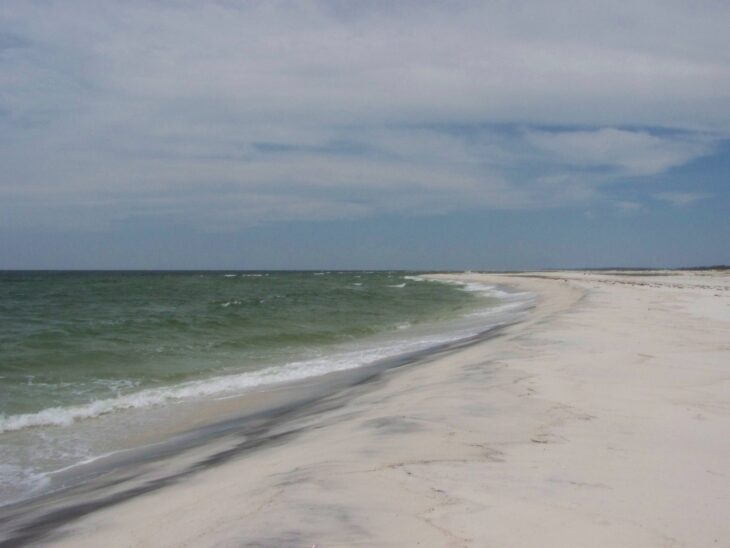
Boats located the cabin roughly two nautical miles northeast of Horn Island, a barrier island off Pascagoula. At about 5:40 p.m., the Coast Guard told WLOX it had recovered several pieces of debris, including the cabin, three life jackets and a life raft, but had found no passengers.

The children are boys, the Coast Guard told WLOX, giving their ages as between 8 and 10. NBC News reported them as 8 and 10, while WDSU gave a range of 8 to 12. None of the six has been named.
Coast Guard Station Pascagoula launched two small boats, and Coast Guard Mobile sent a cutter and aircraft, according to WLOX. The Mississippi Department of Marine Resources had two boats out, and the Jackson County Sheriff’s Office and Pascagoula police also took part.
In a release at 11:47 p.m. Eastern on Tuesday, the Coast Guard’s Heartland District said it and partner agencies had concluded the search after divers located the remains of all six. The bodies were inside the fuselage, the Coast Guard told the Associated Press, as syndicated by KCRG.
The NTSB said it was aware of the crash and gathering information, NBC News reported. Officials have not said when the wreckage will be raised.
What the tracking data shows
No agency has released the registration. FlightAware shows a single Cessna 210, N29002, on a filed flight from Lakefront to Fort Myers that afternoon, and its track ends over the water just north of Horn Island.
The FAA registry lists N29002 as a 1972 Cessna 210L Centurion with a Continental IO-520 engine. It is registered to E A B Services LLC of Cape Coral, in Lee County, Florida, the same county as Page Field.
According to the FlightAware data, the plane took off from Lakefront’s Runway 36L at about 2:02 p.m. Central, matching the “shortly after 2 p.m.” departure that WWL reported from Flightradar24. It had filed for 9,000 feet on a trip of about 551 miles (887 km).
The track shows the Cessna level at about 8,800 feet, at groundspeeds of roughly 150 to 164 knots, as it crossed the Mississippi coast. In its last half-minute of data it descended to 8,100 feet, and the final position, at 2:38 p.m. Central, is about 88 miles (141 km) east of Lakefront in a straight line.
That is roughly an hour before the 3:45 p.m. call the Coast Guard described, and NBC News reported a crash time of about 3:30 p.m., citing the FAA. No agency has explained the gap, and the tracking data cannot show what happened below its last point.
Weather at Trent Lott International Airport in Pascagoula, about 14 miles (22 km) north of the last tracked position, was a solid overcast at 2,300 feet with 10 miles of visibility at 2:53 p.m., according to its automated weather report. Whether weather played any part is for investigators to establish.
Why the descent rate stands out, and what comes next
The FAA’s Aeronautical Information Manual tells pilots flying under instrument rules to tell controllers when they cannot climb or descend at a rate of at least 500 feet per minute. The 10,000 feet per minute the Coast Guard relayed is 20 times that baseline.
A rate like that is far outside a normal descent, but it does not say why. The NTSB has named no cause, and none should be read into the number at this stage.
The 210 is Cessna’s retractable-gear single, built from 1957 to 1986. The 210K of 1970 was the first full six-seat model, so a 210L carrying six people was within its seat count, though how loaded it was is not yet known.
Investigators will first need the wreckage, which divers located Tuesday night with the six still aboard. Another Cessna 210 crash in Australia reached its final report this October.
The NTSB says it tries to complete an investigation, including a probable cause, within 12 to 24 months.
Sources and references used for research and fact-checking.
Get the Newsletter
The latest aviation news and stories sent to your inbox.
About the Author

AeroCorner News is the aviation news desk of AeroCorner.com. It covers accidents and incidents, safety rulings, airline and airport disruption, and new aircraft. It works from primary sources such as the NTSB, FAA, EASA and the manufacturers' own announcements.